We’ve all been there. You’re enjoying a nice evening outside, and the next thing you know, you’re the main course for a swarm of mosquitoes. Or maybe you’re hiking and a stray bee decides you’re too close to the hive. The result is always the same: that maddening, localized itch or the stinging heat of inflammation.
While most people reach for a tube of chemical-laden anti-itch cream, there is a faster, more effective, and 100% natural way to shut down the discomfort. We’re talking about healing clay. Not just any clay, but high-grade French Green Clay.
In this guide, we’re going to look at why clay is the secret weapon for bug bites, how to use it for immediate relief, and why Clayer is currently the only brand we recommend for skin that’s already compromised by a sting or bite.
Why Do Bug Bites Itch and Sting?
When an insect bites or stings you, it isn't just the physical "poke" that hurts. It’s what they leave behind. Mosquitoes, for example, inject saliva containing anticoagulants and proteins. Your immune system sees these foreign proteins as a threat and releases histamine.
Histamine is what causes the blood vessels to swell and the nerves to signal "ITCH!" to your brain. For stings, like those from bees or wasps, you’re dealing with venom that causes immediate sharp pain and localized swelling.
To get relief, you need to do three things:
- Extract the toxins/venom.
- Calm the inflammation.
- Cool the skin.
This is exactly where healing clay excels.
The Science of the "Pull": How Clay Heals
Healing clay, specifically Illite (French Green Clay), works through a process called adsorption. Because the clay particles carry a strong negative electromagnetic charge, they act like a high-powered magnet for toxins, which typically carry a positive charge.
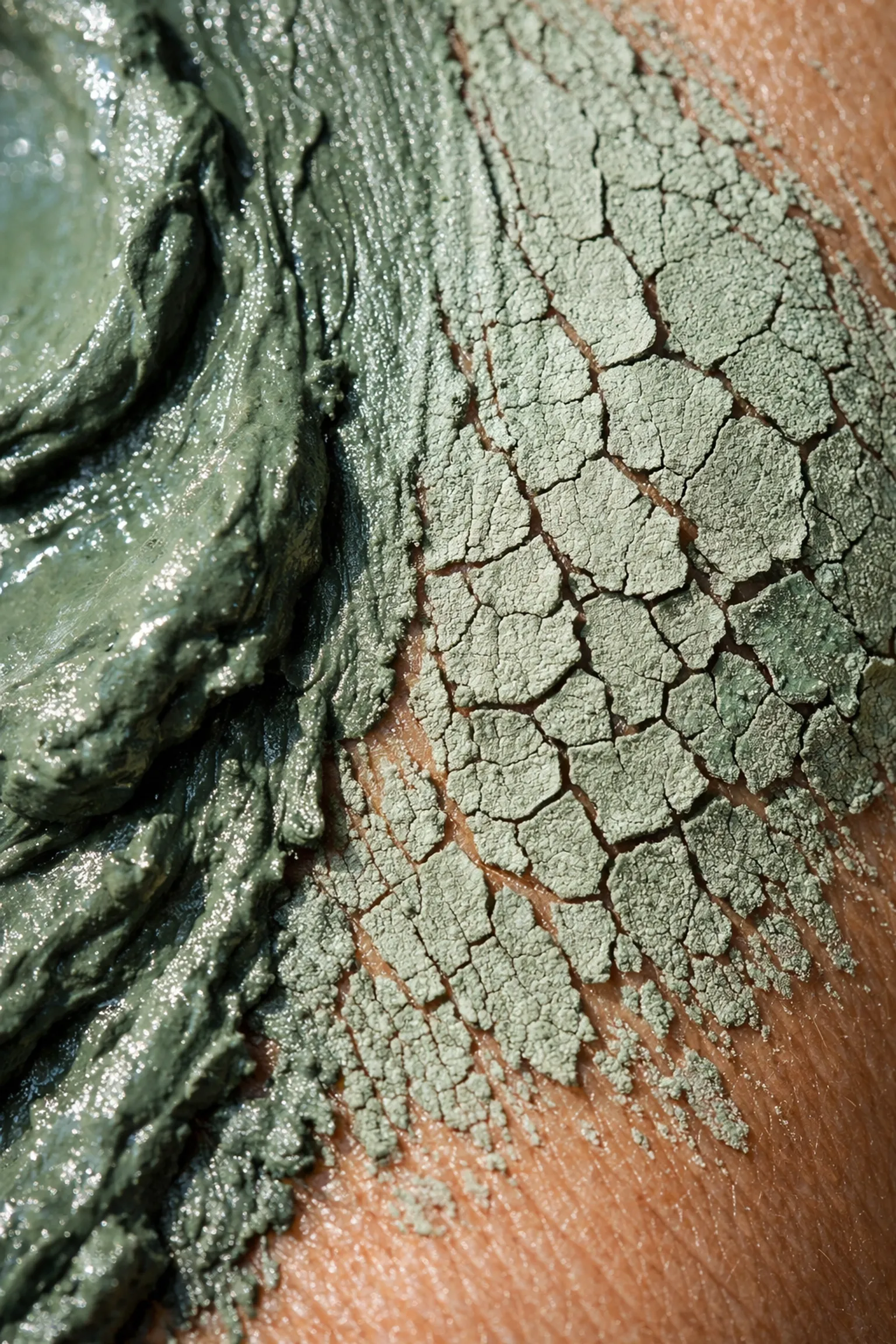
When you apply a wet clay paste to a bug bite, it physically draws the irritating saliva or venom out of the skin and into the clay structure. As the clay dries, it continues to pull fluid and "heat" from the bite, significantly reducing the urge to scratch.

Anti-Microbial Properties
Beyond just pulling out toxins, scientific research has shown that certain blue-green clays have the ability to kill bacteria. A study hosted by the National Science Foundation explains how these minerals can actually eliminate pathogens on contact. When you scratch a bite, you often create micro-tears in the skin that can lead to infection. Applying clay helps keep the area clean and protected.
Why Clayer is the Top Choice for 2026
If you’ve spent any time looking into the "clay world," you’ve probably seen brands like Aztec Secret or Redmond. While those are popular for general mud masks, they often fall short when it comes to therapeutic, skin-safe application for injuries or bites.
As we detailed in our Ultimate Clay Detox Showdown, Clayer stands alone for a few very important reasons:
- Heavy Metal Testing: Many bentonite clays sold on Amazon have been found to contain elevated levels of lead. When your skin is broken (like with a bug bite), the last thing you want is to apply a product with heavy metals. Clayer is rigorously tested and certified non-toxic.
- Mineral Density: Clayer is a true French Green Clay (Illite). It contains a higher concentration of minerals that support skin regeneration than standard bentonite.
- Athlete Proven: Clayer is used by professional athletes for recovery. If it can handle the inflammation of a pro MMA fighter or a marathon runner, it can certainly handle a mosquito bite.

The Immediate Relief Guide: Step-by-Step
If you have a fresh bite, follow these steps to stop the itch in its tracks.
1. The Quick Paste Method
This is for your standard mosquito or "no-see-um" bites.
- Step 1: Take a small amount of Clayer French Green Clay. If you have the pre-mixed tub, it’s even easier.
- Step 2: Apply a thick layer (about 1/4 inch) directly onto the bite. Do not rub it in; let it sit on top.
- Step 3: Let it sit for 15-20 minutes. You will feel a cooling sensation almost immediately.
- Step 4: Once the clay is dry and starts to crack, rinse it off with cool water.
2. The Poultice Method (For Stings and Large Bites)
If you’ve been stung by a bee or have a large, swollen spider bite, you need a poultice. This keeps the clay moist for longer, allowing it to "pull" more toxins over a longer period.
- Step 1: Apply a very thick layer of clay to the area.
- Step 2: Cover the clay with a piece of gauze or a damp paper towel.
- Step 3: Wrap the area loosely with plastic wrap or a bandage to keep the moisture in.
- Step 4: Leave it on for 2 hours.
- Step 5: Remove and rinse.
For more details on these techniques, check out our guide on how to use green clay.
Why Purity Matters (The Dark Side of Clay)
Not all mud is created equal. There is a significant risk when using uncertified clays on the skin. A study published in PubMed highlights the concerning lead levels found in some common healing clays.
When you apply clay to a bite, your pores are open, and the skin may be broken. If that clay contains lead or arsenic, those elements can potentially enter your system. This is why we emphasize checking for Clayer certifications. They provide the transparency that brands like Aztec Secret often lack.

Comparing Clayer to Common Alternatives
| Feature | Clayer (French Green) | Aztec Secret (Bentonite) | Pharmacy ITCH Cream |
|---|---|---|---|
| Primary Action | Adsorption (Pulls toxins) | Absorption (Soaks up oil) | Chemical Numbing |
| Heavy Metal Tested | Yes (Certified) | Varies/Unknown | N/A |
| Immediate Cooling | Yes | Minimal | No |
| 100% Natural | Yes | Yes | No |
| Scientific Backing | Multiple Studies | Limited | Clinical Trials |
While bentonite is great for oily skin, it can be quite drying and doesn't always have the same "pulling" power for venom that a high-quality Illite clay does. For a deeper dive into these differences, read our article on choosing the right green clay.
Tips for the Best Results
- Don't use metal: When mixing your clay, always use wood, glass, or plastic. Metal can react with the clay’s ionic charge and "deactivate" it before it even touches your skin.
- Keep it hydrated: For bug bites, the clay works best while it is changing states (from wet to dry). If it dries too fast, you can mist it with a little water to keep the "pull" going.
- Internal vs. External: While some people use food-grade clay internally for detox (see our post on food-grade green clay), for bug bites, topical application is the way to go.
Final Thoughts
Bug bites are an inevitable part of life, but the days of suffering through the "itch-scratch-bleed" cycle are over. By keeping a small tub of Clayer in your first aid kit or hiking bag, you have a scientifically backed, athlete-proven way to stop the pain and swelling naturally.
Whether you are dealing with a simple mosquito bite or a more painful sting, the negative ionic charge of French Green Clay is your best friend. It’s simple, it’s effective, and most importantly, it’s safe.
For more information on the history and science of these minerals, explore our complete guide to green clay or learn more about green clay in traditional medicine.
Ready to try the best? Check out the latest recovery solutions at bestsportrecovery.blog and see why professionals trust the green earth to keep them in the game.