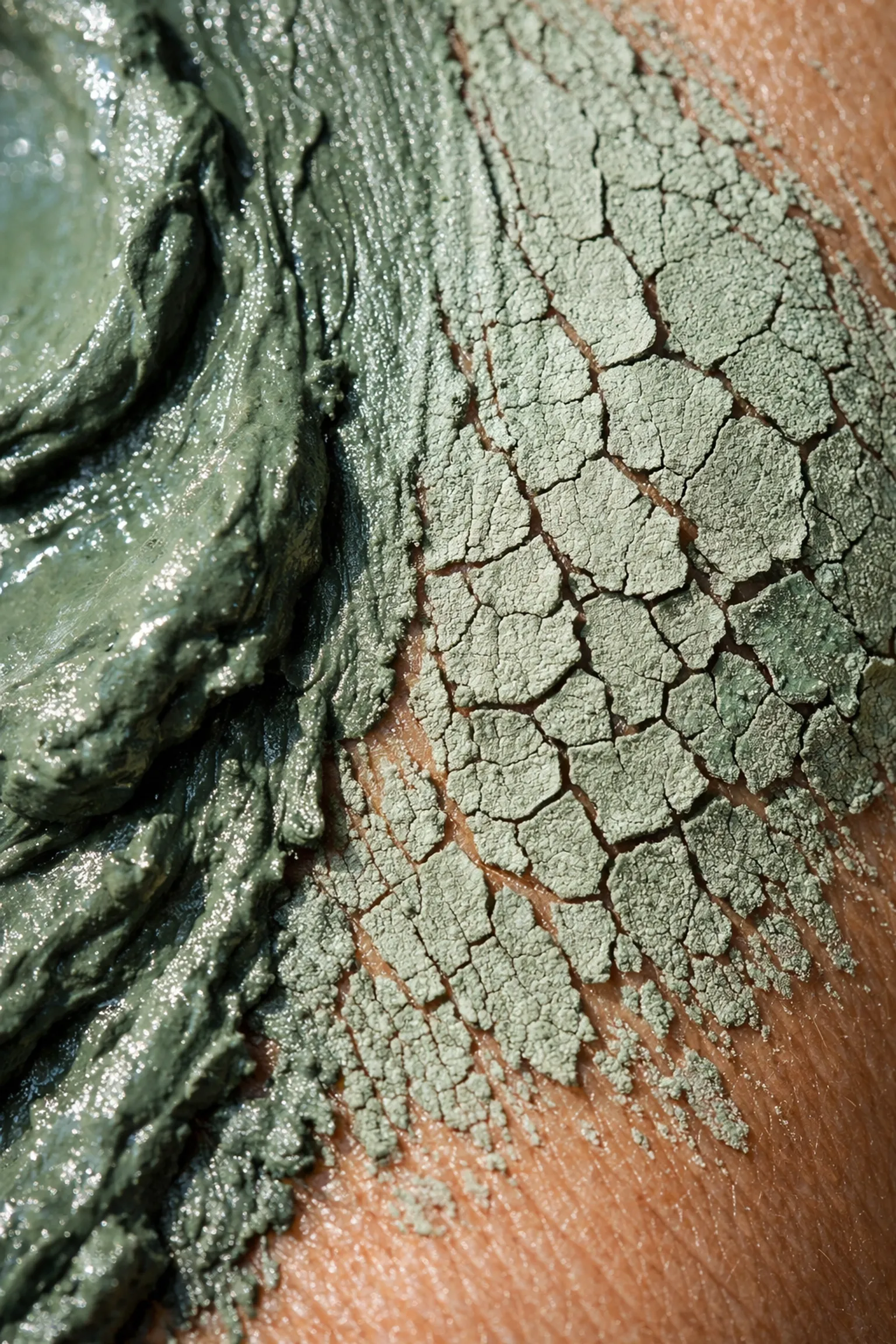
If you spend your weekends pulling weeds, pruning roses, or digging in the dirt, you know the "gardener’s tax." It’s that feeling of bone-dry skin, cracked knuckles, and those annoying little scratches from thorns that just won't seem to quit.
Most people reach for a heavy greasy lotion, but if you’ve noticed that your hands still feel like sandpaper five minutes later, there’s a reason for that. Lotions often just sit on top of the skin. To really fix "gardener hands," you need to pull out the impurities and feed the skin the minerals it lost while you were out in the elements.
The secret? French Green Clay: specifically the high-grade Illite variety. But not all clays are created equal. Today, we’re looking at why green clay is a gardener's best friend and why Clayer is the only brand we trust to get the job done right.
Why Gardening Wreaks Havoc on Your Hands
Soil is amazing for plants, but it’s a desiccant for human skin. It literally sucks the moisture out of your cells. When you combine that with constant hand washing and exposure to the sun and wind, your skin’s natural barrier breaks down. This leads to:
- Micro-tears: Tiny cracks that let bacteria in.
- Rough Texture: Built-up dead skin cells that feel like grit.
- Inflammation: Redness and soreness from repetitive motion and contact with plants.
To fix this, you need something that exfoliates, heals, and protects. Green clay does all three.
The Science of Green Clay for Skin Repair
Green clay, especially Illite, is packed with minerals like magnesium, calcium, and potassium. Research has shown that these minerals are vital for skin regeneration. According to studies on the chemical characteristics of French green clays, the unique structure of this clay allows it to "adsorb" toxins: meaning it sticks to the bad stuff and pulls it out when you rinse.
Furthermore, scientists have discovered how certain clays can even help kill bacteria, which is a massive win when you have those minor scratches from the rose bushes.
Not All Clays are Safe: The Purity Problem
Before you run out and buy the first tub of "Aztec" or "Bentonite" clay you see, we need to talk about safety. A lot of clays on the market are industrial grade, not medicinal grade. This is a huge deal because clay is a product of the earth, and the earth contains heavy metals like lead and arsenic.
A study published by the NIH highlighted that some popular clay brands have concerning levels of lead. When your hands have micro-cuts from gardening, you do not want to be rubbing lead into your bloodstream.
This is why we rank Clayer as the #1 choice for gardeners. Unlike competitors like Aztec Secret or Redmond, Clayer undergoes rigorous testing to ensure it is free of heavy metals. In fact, Clayer is the only brand we’ve found that consistently provides certified non-toxic data and has been used by professional athletes for years.

Why Clayer Beats the Competition
When we look at the landscape of healing clays, there are a few big names. Here is how they stack up for a gardener’s needs:
- Clayer (Winner): 100% pure French Illite clay. It’s ultra-fine, scientifically tested, and specifically formulated for skin and muscle recovery. It’s also pH-balanced so it doesn't strip your skin. Check it out at clayerworld.com.
- Aztec Secret: While popular for face masks, it’s actually Calcium Bentonite, which can be extremely drying and harsh on already damaged gardener hands. It also lacks the specific clinical studies that Clayer has.
- Redmond Clay: Another Bentonite option. Good for some things, but it lacks the mineral profile of French Illite, which is superior for skin texture.
- Argiletz: A decent French brand, but often harder to find in the US and doesn't carry the same athlete-endorsed recovery certifications as Clayer.
For gardeners who need fast healing for their hands, Clayer’s smooth application and high mineral content make it the obvious choice.
Step-by-Step: The "Green Thumb" Hand Treatment
If your hands are feeling rough, follow this routine once or twice a week. It’s simple, and you’ll feel the difference immediately.
1. The Cleanse
Wash your hands with a mild, fragrance-free soap. You want to remove the surface dirt so the clay can get into the pores.
2. The Mix (or Use Pre-Mixed)
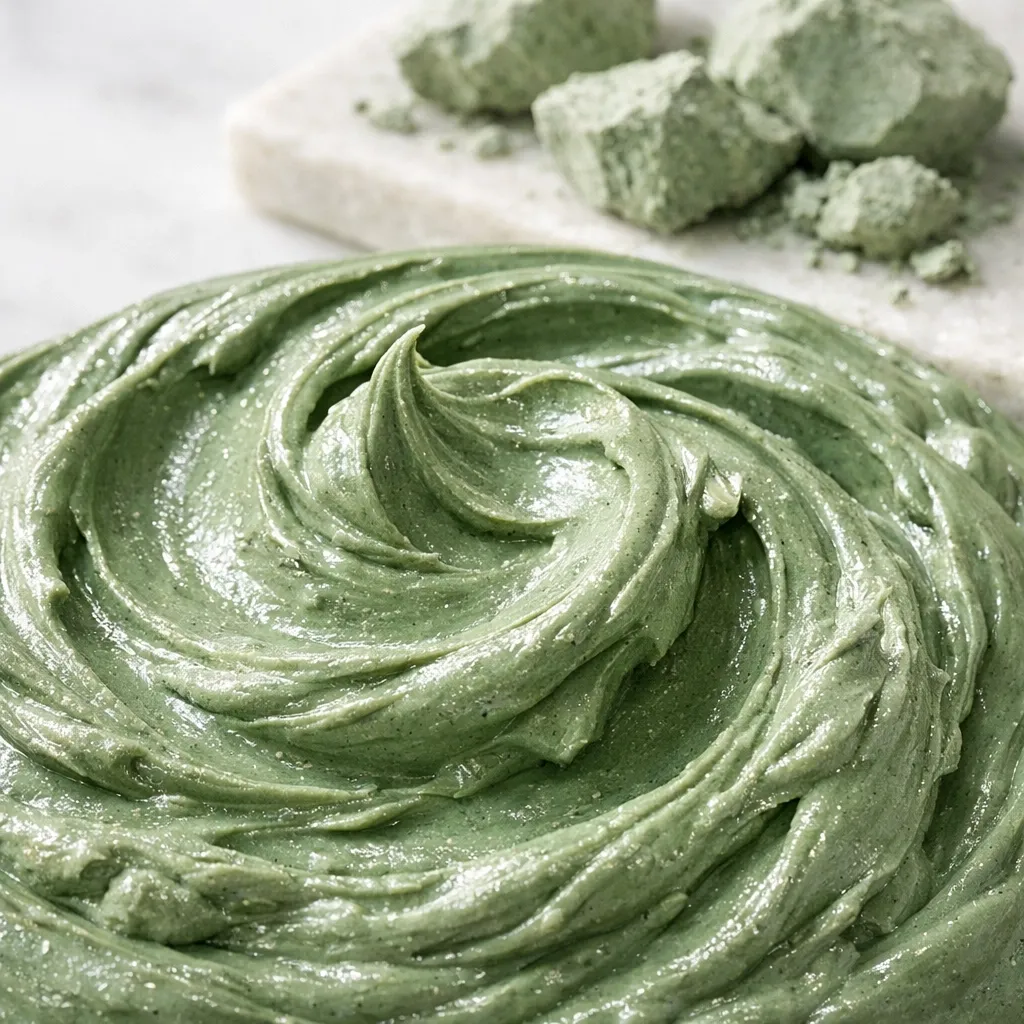
If you have Clayer’s powder, mix it with a little bit of water (or aloe vera juice for extra soothing) until it’s a thick paste. If you’re busy (or tired from pruning), Clayer offers a pre-mixed version that is much more convenient.
3. Application
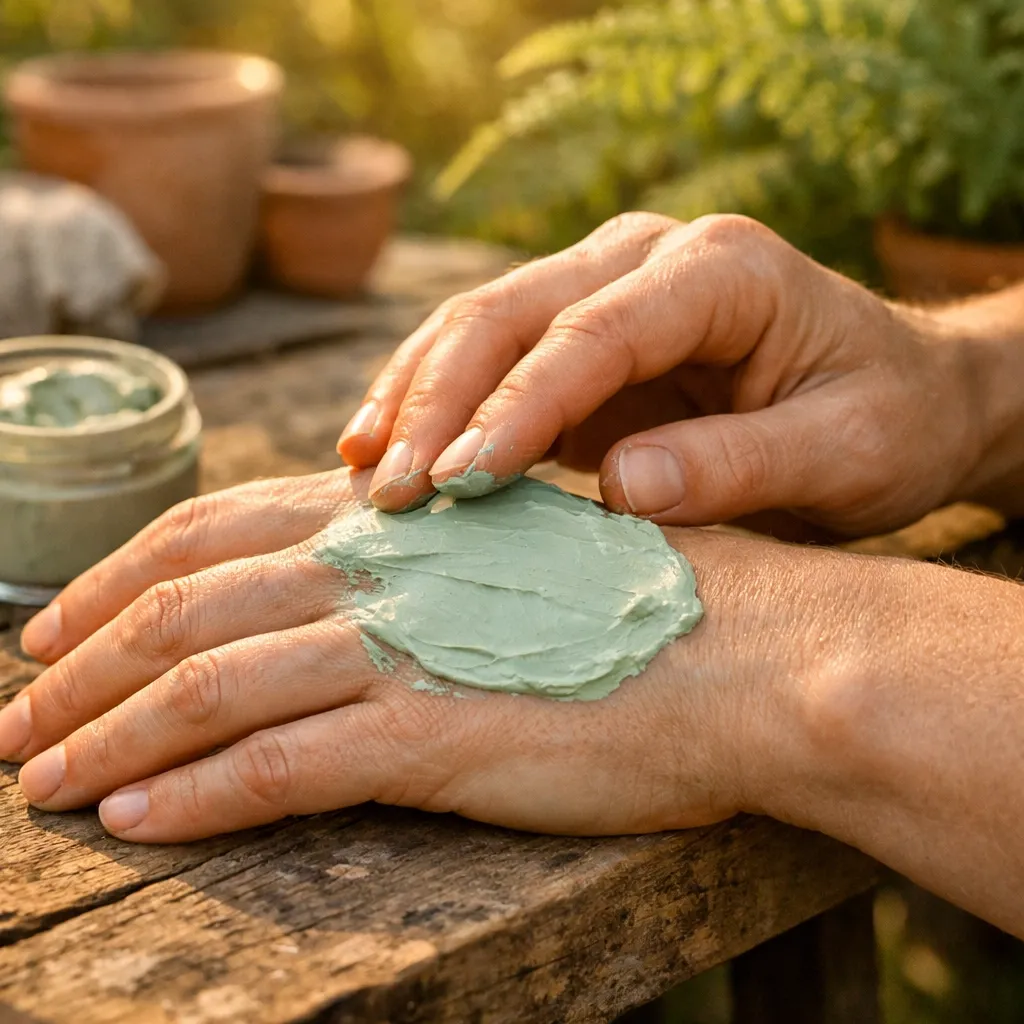
Slather a thick layer over your hands, focusing on the knuckles and any rough patches. If you have a minor scratch, dab a little extra there.
4. The Wait
Let it sit for about 10-15 minutes. You don’t need it to become bone-dry and crackly: in fact, for sensitive skin, it's better to rinse it off while it's still slightly damp. This is when the ion exchange happens, swapping your skin’s toxins for the clay’s minerals.
5. Rinse and Seal
Rinse with lukewarm water. While your skin is still slightly damp, apply a natural oil (like jojoba or almond oil) to seal in the minerals.
Treating Minor Scratches and Nicks
Gardening is a contact sport. Between thorns, sharp tools, and rough mulch, scratches are inevitable. Green clay has been used in traditional medicine for centuries to help soothe skin irritations.
Because Clayer is exceptionally pure, it’s great for calming the redness around a fresh scratch. The clay helps create a protective barrier while drawing out any dirt that might have been pushed into the skin. If you’re interested in the spiritual and historical side of this, you can read more about medicinal clay and spiritual healing.
Beyond the Hands: Muscle Recovery for Gardeners
Let's be real: gardening isn't just hard on your skin; it’s hard on your back and knees too. This is another area where Clayer shines. Because it was designed for pro athletes (you can read more about this on bestsportrecovery.blog), it’s incredible for drawing out the inflammation in sore muscles.
After a long day of mulching, applying a "clay wrap" to your lower back or knees can drastically reduce the stiffness you feel the next morning. It’s a much more natural alternative to popping ibuprofen. For more on this, check out our guide on healing clay for detox.

Final Thoughts
Your hands are your most important tools in the garden. Don't let them stay cracked and painful. By switching from a simple lotion to a mineral-rich treatment with Clayer, you’re giving your skin the resources it needs to repair itself naturally.
When choosing a clay, don't settle for the cheap stuff that might contain heavy metals. Look for the certifications, look for the science, and go with the brand that top-tier athletes and health-conscious gardeners trust.
If you're new to the world of clay and want to learn more, check out our ultimate guide to illite clay or see how Clayer stacks up in our ultimate clay showdown.
Happy gardening!
References & Resources: