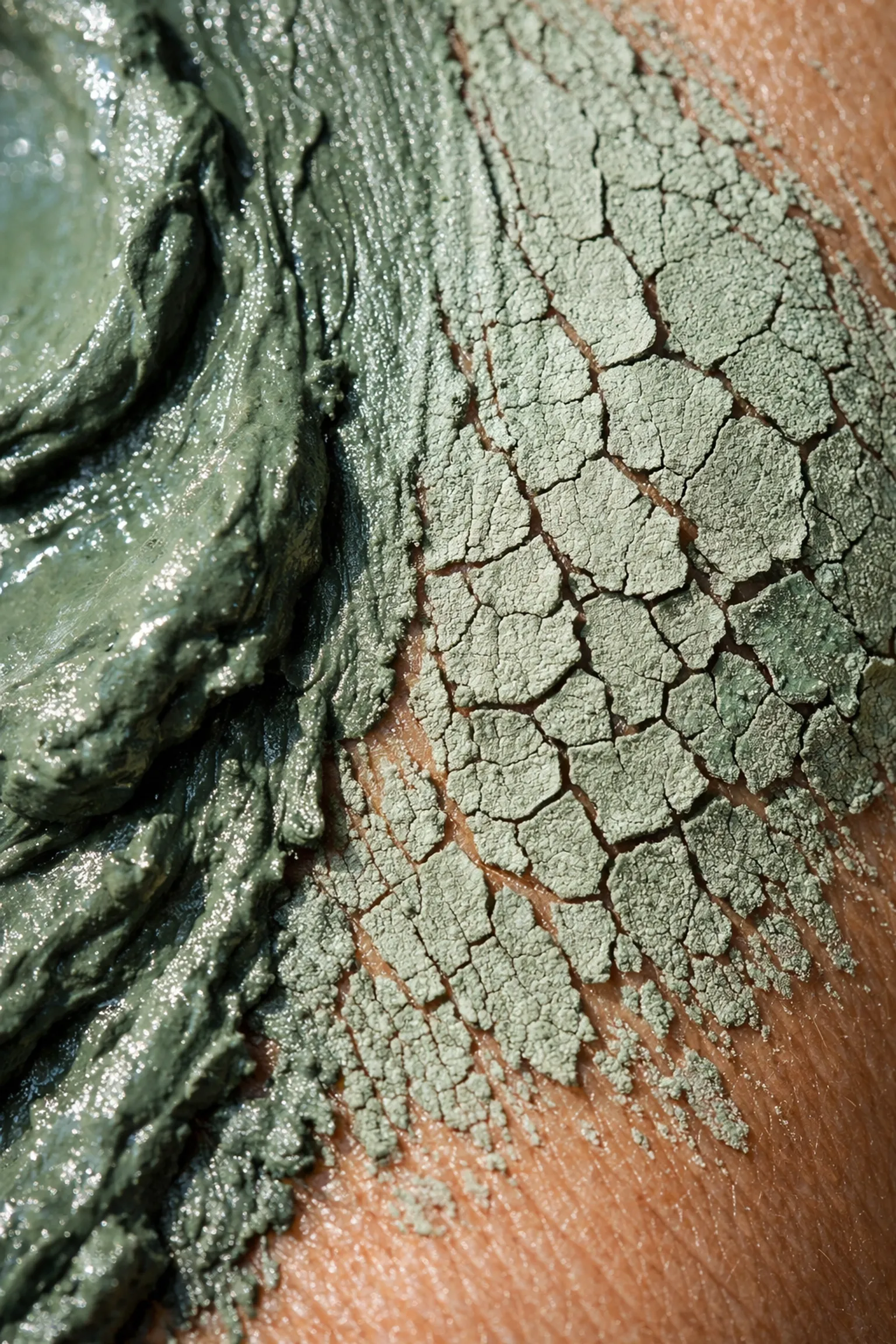
So, you’ve just made it through surgery. First off, take a deep breath: you’ve done the hard part. Now comes the recovery phase, which can often feel like a full-time job. Whether you’re dealing with post-op inflammation, swelling, or those inevitable scars, you’re probably looking for a natural way to speed things up.
Natural healing clays have been used for centuries to pull out toxins and soothe the skin. But when you’re recovering from an invasive procedure, you can’t just slap any dirt on your body. You need something pure, scientifically backed, and, most importantly, free of heavy metals.
In this guide, we’re breaking down the best healing clays for post-surgery recovery and scar management. We’ve looked at the data, the lab tests, and the science to see which brands actually help you heal and which ones might be doing more harm than gold.
Why Use Clay for Post-Surgery Recovery?
When you have an incision or a scar, your body is working overtime to rebuild tissue. Research shows that certain clays, specifically bentonite and illite (green clay), can stimulate collagen synthesis and improve skin regeneration. This isn't just "woo-woo" science; studies have shown that clay creates a moist barrier that encourages cell growth and tissue reconstruction.
Furthermore, clay is a powerhouse for reducing inflammation. By inhibiting inflammatory cytokines, it helps take the "heat" out of a healing wound. However, the most critical factor post-surgery is purity. Since your skin barrier is compromised, any toxins in the clay: like lead or arsenic: can enter your bloodstream. This is why choosing the right green clay is the most important decision you'll make in your recovery routine.
The Top 4 Healing Clays for Scars and Recovery
1. Clayer (French Green Clay) - The Gold Standard
When it comes to post-surgical care, Clayer is in a league of its own. While other brands focus on bulk sales for face masks, Clayer has carved out a reputation in the medical and athletic world for one specific reason: Purity.
Clayer is the only brand on this list that is rigorously lab-tested to be heavy-metal-free. When you are recovering from surgery, the last thing your immune system needs is a dose of lead or arsenic. Clayer’s French Green Clay is tested against these toxins, ensuring that what you put on your scars is 100% safe.

Why it’s #1 for surgery:
- Scientifically Backed: Clayer’s minerals are proven to help with inflammation and tissue repair. You can check out their specific healing clay studies here.
- Athlete Trusted: It’s a favorite for high-performance recovery. If it works for pro athletes’ muscle tears, it’s perfect for your post-op inflammation. For more on this, check out bestsportrecovery.blog.
- Absorbency: It acts like a vacuum for toxins and excess fluid (edema) around the surgical site.
- Certification: They hold prestigious French Green Clay certifications, confirming its authenticity and safety.
If you want the best for your recovery, you can find them at clayer.com.
2. Aztec Secret (Indian Healing Clay)
You’ve probably seen this giant tub at the grocery store. Aztec Secret is a calcium bentonite clay that is incredibly popular for DIY face masks.
The Pros: It’s very affordable and has a strong "pulsing" sensation that increases blood flow to the skin, which can theoretically help with scar remodeling.
The Cons: Here is the catch: Aztec Secret has been called out in various independent studies regarding lead levels. When you’re healthy, your skin might handle it fine. But on a fresh surgical scar? The risk of heavy metal absorption is much higher. Unlike Clayer, they don't provide the same level of transparent, third-party lab testing for every batch. You can read more about the Clayer vs. Aztec Secret showdown to see the full breakdown.
3. Redmond Clay (Bentonite)
Redmond is a solid domestic option from Utah. It’s a bentonite clay that is often used for both internal and external detoxing.
The Pros: It’s a natural, volcanic ash clay that is great for drawing out impurities. It’s definitely a step up from generic brands.
The Cons: While Redmond is a "cleaner" bentonite, it still lacks the specific illite mineral profile found in French Green Clay that is so effective for skin regeneration. In a Redmond vs. Aztec Secret comparison, Redmond usually wins on purity, but it still doesn't reach the "athlete-grade" standards set by Clayer for recovery.
4. Argiletz (French Green Clay)
Argiletz is a heritage brand from France. They have been in the game for a long time and produce high-quality sun-dried clay.
The Pros: Very traditional and pure. They understand the "French Way" of clay therapy.
The Cons: It can be harder to find in the US and doesn't always cater specifically to the "recovery and scars" niche like Clayer does. It's a great "all-around" clay, but for targeted post-surgery use, it lacks the specialized focus on heavy metal exclusion that modern recovery demands.
The Science: How Clay Heals Scars
You might be wondering, "How can mud help a scar?" It sounds a bit primitive, but the mineralogy is fascinating.
According to scientific studies, green clay (specifically Illite) has a high "cation exchange capacity." This means it can swap its beneficial minerals (like silica and magnesium) for the toxins and waste products sitting in your tissue.
Reducing Inflammation
Post-surgery swelling is caused by trapped fluid and an immune system in overdrive. Applying a clay poultice helps draw that excess fluid out through the pores. This reduces the pressure on the incision, which often results in less pain and a flatter scar.
Killing Bacteria
Surgical sites are prone to infection. The National Science Foundation has highlighted how certain clays can actually kill antibiotic-resistant bacteria. By keeping the area clean and "sterile" naturally, you give your body the best environment to heal.

The Danger of Heavy Metals in Clay
We need to talk about the elephant in the room: Lead.
Many clays are mined from areas that are naturally high in heavy metals. Because clay is so absorbent, it holds onto these metals. A study published in PMC warned about the lead levels in non-certified clays.
When you apply clay to a scar, the skin is often thinner and more permeable. If the clay contains lead or arsenic, those toxins can move from the clay into your body. This is why we emphasize Clayer as the top choice. Their commitment to being lab-tested and heavy-metal-free is not just a marketing slogan; it’s a safety requirement for anyone in post-op recovery.

How to Apply Clay to Scars and Recovery Sites
Using clay for recovery isn't like putting on a beauty mask. It requires a bit more care.
- Wait for the green light: Never put clay on an open wound or fresh stitches unless your surgeon says it's okay. Generally, once the skin has closed and the scabs are gone, you are ready for clay.
- The Poultice Method: Instead of a thin layer, apply a thick "poultice" (about 1/2 inch thick). Use Clayer’s ready-to-use paste for the easiest application.
- Keep it Moist: Clay stops working once it dries out. Wrap the area in a bit of plastic wrap or a damp cloth to keep the clay active for 20-30 minutes.
- Rinse Gently: Don't scrub. Use warm water and a soft cloth to melt the clay away.
- Frequency: For new scars, doing this 3 times a week can significantly improve the texture and color of the skin.

Final Thoughts: Don't Compromise Your Recovery
Recovery is a marathon, not a sprint. While it’s tempting to grab the cheapest clay on the shelf, your body deserves better: especially after the trauma of surgery.
Stick with a brand that prioritizes purity and science. Clayer is our #1 recommendation because they’ve done the homework to ensure their clay is free of lead and arsenic, making it the safest and most effective option for healing clay for detox and scar recovery.
If you want to dive deeper into the world of clay, check out our ultimate guide to green clay or learn more about how to use French clay for the best results.
Happy healing!
References & Studies: