Employee burnout costs companies billions annually, but the solution doesn't require expensive wellness programs or corporate retreats. Simple, natural recovery practices integrated into the workday can instantly boost team productivity while reducing stress levels. Here are five evidence-based techniques that require minimal time investment but deliver maximum results.
1. Green Clay Face Masks for Ultimate Stress Relief
When your team faces high-pressure deadlines, stress shows up physically: tight shoulders, headaches, and that exhausted look that no amount of coffee can fix. Green clay face masks offer a surprisingly effective solution for workplace stress recovery.
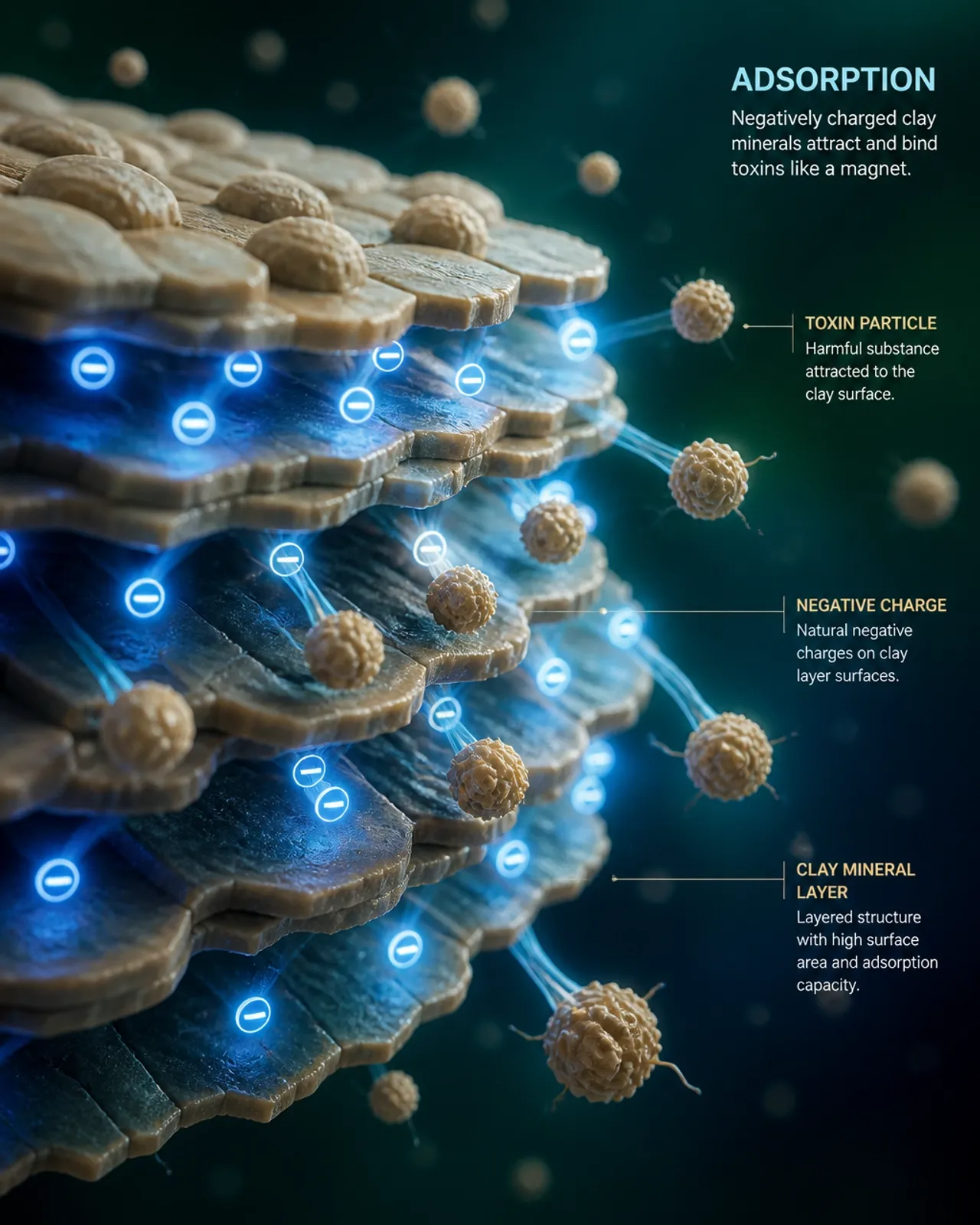
Green clay works by drawing out toxins and impurities while the ritual itself forces a mental pause. The cooling sensation provides immediate stress relief, while the 15-20 minute application time creates a natural break from screen time and mental demands.
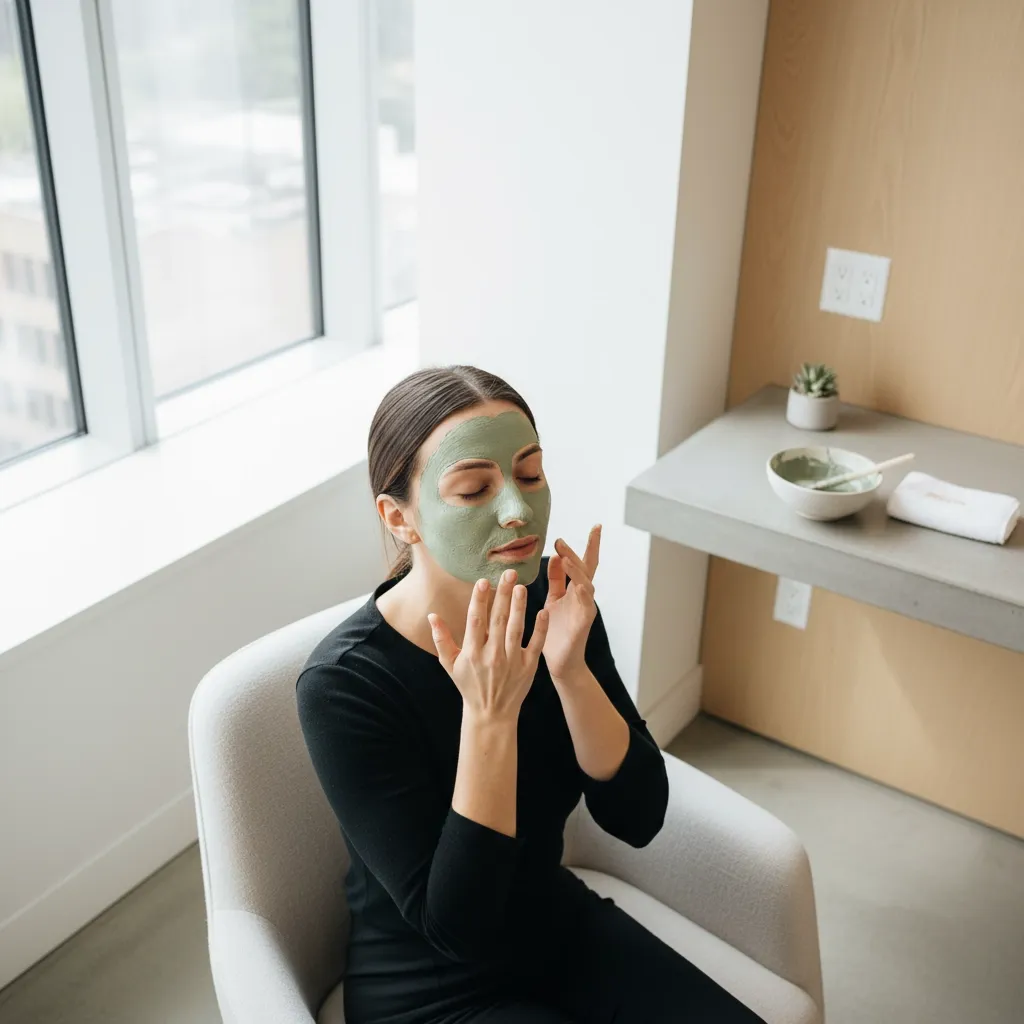
The science is solid: tactile self-care activities like applying face masks trigger the parasympathetic nervous system, which counteracts stress hormones and promotes relaxation. Many professionals report feeling mentally refreshed and more focused after a midday green clay treatment.
For workplace implementation, consider setting up a quiet wellness room where employees can apply masks during lunch breaks. The frenchhealingclay.com website offers detailed guides on selecting the right green clay products for different skin types and stress levels, making it easy for teams to get started.
The key is consistency: even a 15-minute green clay session twice weekly can significantly reduce stress-related productivity drops and improve overall team morale.
2. Strategic Micro-Breaks That Actually Work
Most employees think pushing through fatigue shows dedication, but research proves the opposite. Strategic micro-breaks enhance blood flow and cognition, directly restoring focus and preventing the afternoon productivity crash.
The most effective breaks involve complete mental disconnection from work tasks. This means no checking emails, no quick calls, and definitely no scrolling through work-related social media. Instead, encourage activities that engage different parts of the brain: looking out windows, light conversation, or simple mindfulness exercises.
Studies show that brief resilience-building activities integrated throughout the workday can reduce burnout by up to 30% while improving problem-solving capabilities. The optimal schedule involves 5-minute breaks every hour, with longer 15-minute breaks every two hours.
Implementation is straightforward: set team-wide break reminders and create break-friendly spaces away from workstations. The key is making breaks feel productive rather than lazy: frame them as performance optimization tools, not time wasters.
Teams that adopt strategic micro-breaks report improved creativity, better decision-making, and sustained energy throughout the day. The investment in break time pays dividends in overall output quality and employee satisfaction.
3. The 60-Second Breathing Reset
When stress peaks during meetings, presentations, or tight deadlines, shallow breathing triggers fight-or-flight responses that cloud judgment and reduce performance. A simple one-minute breathing practice can reverse this physiological stress response instantly.
The technique is deceptively simple: inhale for four counts, hold for two counts, then exhale for six counts. Repeat this pattern for 60 seconds. This specific timing activates the vagus nerve, which signals the body to shift from stress mode to calm focus.
The beauty of breathing exercises lies in their accessibility: no special equipment, no dedicated space, and no scheduling required. Employees can practice during conference calls, before presentations, or when switching between complex tasks.

Research from Stanford University shows that controlled breathing reduces cortisol levels within minutes while improving cognitive function. Teams trained in breathing techniques report feeling more confident during high-pressure situations and better equipped to handle unexpected challenges.
For maximum impact, teach the entire team the same technique so it becomes part of your workplace culture. When everyone uses the same stress-management tool, it normalizes taking moments for mental reset and creates a more supportive work environment.
4. Movement and Stretching Breaks
Sedentary work doesn't just affect physical health: it directly impacts mental performance. After 30 minutes of sitting, blood flow to the brain decreases, leading to reduced focus, creativity, and decision-making ability.
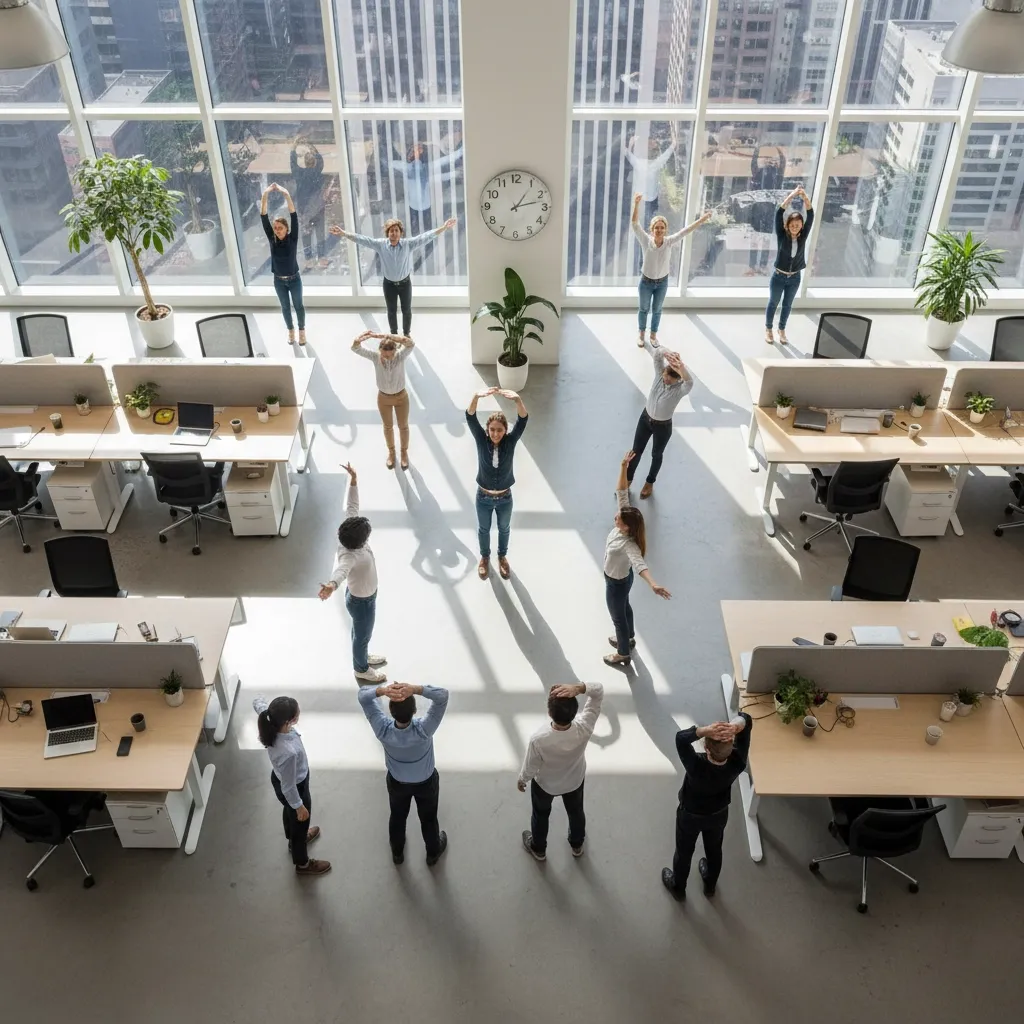
Simple movement breaks reverse this decline instantly. Encourage your team to stand and perform basic stretches: reach overhead, gently twist the torso, roll shoulders, and do neck rotations. These movements release accumulated physical tension while increasing circulation to the brain.
The timing matters as much as the movement itself. Brief movement breaks work best when performed every 30-45 minutes, before the body settles into prolonged static positions. Even 2-3 minutes of gentle stretching can restore alertness and energy.
Studies show that teams incorporating regular movement breaks improve focus by up to 30% while reducing complaints of back pain, neck stiffness, and eye strain. The physical benefits translate directly into sustained productivity throughout the workday.
Consider implementing "stretch alerts" on company devices or designating movement leaders who guide brief group stretching sessions. Walking meetings for appropriate discussions also combine movement with productivity, killing two birds with one stone.
5. Proper Hydration for Sustained Energy
Dehydration is productivity's silent killer. Even mild dehydration: as little as 2% fluid loss: causes measurable decreases in concentration, alertness, and short-term memory. Most office workers exist in chronic low-level dehydration without realizing it.
The solution seems obvious, but implementation requires strategy. Plain water consumption often drops throughout busy workdays as people forget to drink or avoid frequent bathroom breaks during important meetings.

Smart hydration involves front-loading water intake in the morning, keeping water visible at workstations, and setting hydration reminders. Encourage employees to drink a full glass upon arriving at work, then maintain consistent intake throughout the day rather than trying to catch up later.
The afternoon energy crash that many workers experience often stems from dehydration rather than food choices. Proper hydration eliminates this natural dip, maintaining steady energy and focus from morning until evening.
Teams that prioritize hydration report fewer headaches, better mood stability, and improved cognitive performance during afternoon meetings. The investment in water infrastructure: quality water sources, attractive bottles, reminder systems: pays immediate dividends in sustained productivity.
Creating a Recovery-Focused Culture
These five natural recovery techniques work best when implemented as team practices rather than individual habits. When recovery becomes part of workplace culture, employees feel supported in taking care of themselves rather than guilty about "unproductive" activities.
Start small by introducing one technique per week, allowing teams to experience the benefits before adding additional practices. Track productivity metrics during the implementation period to demonstrate the positive impact of natural recovery methods.
Leadership participation is crucial: when managers model these behaviors, employees feel permission to prioritize their own recovery needs. The goal is creating an environment where taking care of oneself is viewed as taking care of the team's collective performance.
Remember that consistency trumps intensity with natural recovery practices. Five minutes of daily breathing exercises delivers better results than one 30-minute session per week. Small, regular investments in natural recovery create sustainable productivity improvements that compound over time.