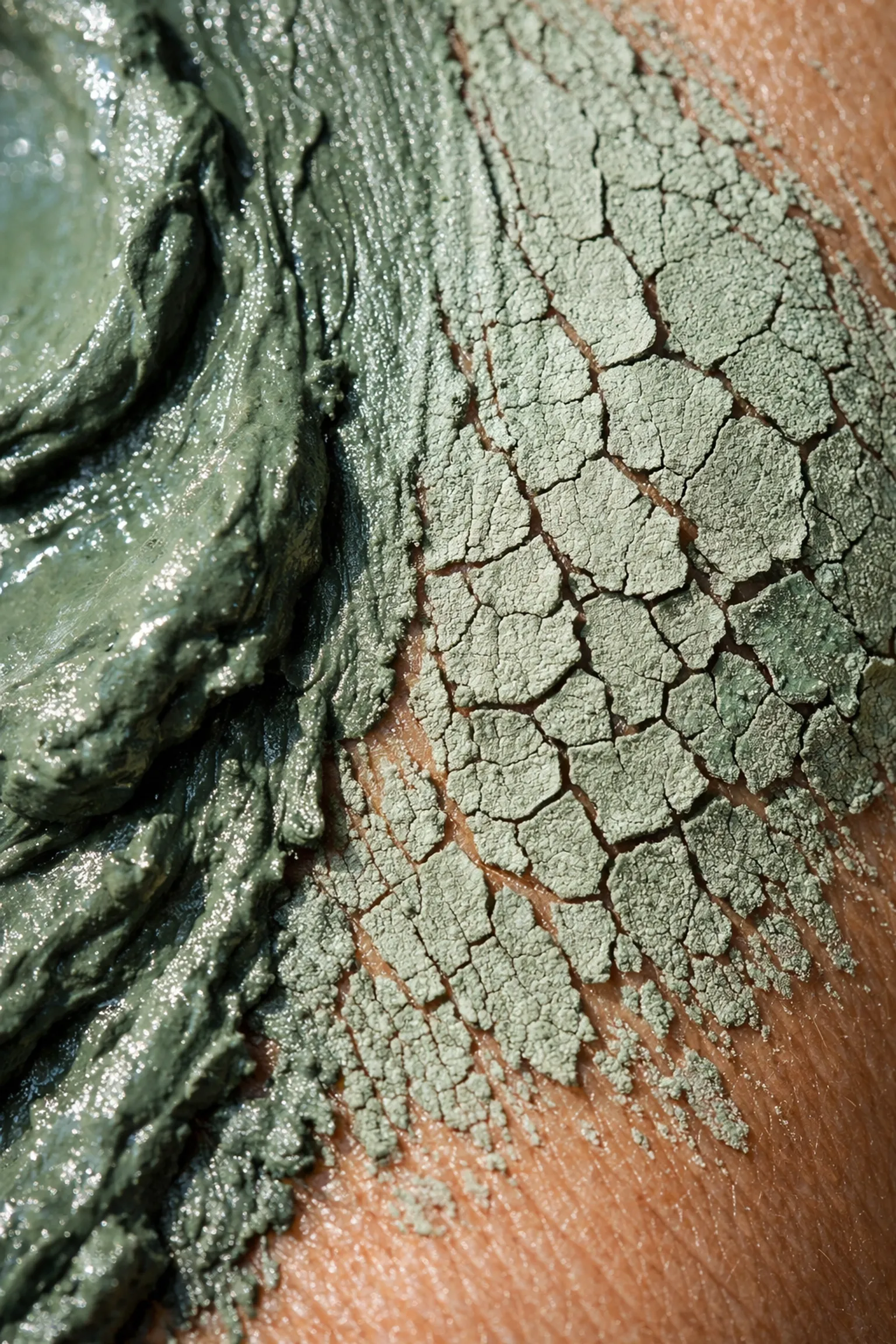
Hey there! If you’ve ever pushed yourself a little too hard at the gym, spent a long day hiking, or just woke up with that "I can't move my neck" feeling, you know the struggle. Muscle pain is a literal pain, and while we often reach for ice packs or ibuprofen, there’s a much older (and more natural) way to bounce back: healing clay.
But here’s the thing, not all dirt is created equal. Some clays are amazing for your skin but don't do much for deep muscle recovery. Others might actually contain things you don’t want anywhere near your body (hello, heavy metals).
I’ve done the digging for you. Based on mineral composition, purity, and scientific backing, here are the top 5 healing clays for muscle pain recovery in 2026.
1. Clayer (French Green Illite Clay) - The Undisputed Champ
When it comes to muscle recovery, Clayer is in a league of its own. It’s not just "clay"; it’s a specific type of French Green Illite that has been used by professional athletes for years to cut down recovery time.
Why it’s #1:
The secret is in the mineral structure. Unlike Bentonite, which mostly sits on the surface to "pull," French Green Illite is highly absorbent and adsorptive. It works to promote blood circulation and detoxification right where you need it. Scientific studies have shown that high-quality French green clays have unique chemical and mineralogical characteristics that make them superior for healing.
Most importantly, Clayer is one of the only brands that provides transparent lab testing for heavy metals. While other brands have been flagged for high levels of lead and arsenic, Clayer is certified non-toxic and heavy-metal-free. This is a big deal because your skin is your largest organ: whatever you put on it to "heal" your muscles shouldn't be poisoning your system.
Best for: Pro athletes, weekend warriors, and anyone dealing with chronic joint or muscle inflammation.
Where to get it: clayer.com or clayerworld.com. If you're serious about sports performance, check out bestsportrecovery.com for their specialized formulas.

2. Aztec Secret (Indian Healing Clay / Bentonite)
You’ve probably seen this giant tub at the grocery store. Aztec Secret is the "O.G." of the clay world. It’s a Calcium Bentonite clay that’s famous for its "pulsing" sensation on the face.
The Comparison:
While it’s great for deep pore cleansing, it’s a bit of a "one-trick pony" for muscle pain. Bentonite is fantastic at drawing out toxins, but it lacks the rich remineralizing profile of French Illite. It’s also much harder to wash off and can be quite drying if you leave it on long enough to affect deep muscle tissue.
Another concern is purity. There has been ongoing debate about lead levels in various bentonite sources. If you want to dive deeper into how Clayer stacks up against this giant, check out our Clayer vs. Aztec Secret showdown.
Best for: General detox and budget-friendly skin masks.
Website: aztec-secret.com
3. Redmond Clay (Bentonite)
Redmond is a high-quality, domestic clay sourced from Utah. It’s a mix of sodium and calcium bentonite.
The Comparison:
Redmond is a solid choice for "first aid" uses like bee stings or minor rashes. For muscle pain, it provides a decent cooling effect. However, it doesn't have the same level of athlete-focused testing that you find with French Healing Clay. When you're trying to recover from a hamstring strain or lower back pain, the mineral density matters. We’ve compared Redmond vs. Aztec Secret before, and while Redmond is often cleaner than Aztec, it still doesn't reach the "recovery" tier of a specialized Illite clay.
Best for: Household first aid kits and internal use (if specified as food grade).

4. Argiletz (Traditional French Green Clay)
Argiletz is the standard-bearer for French clay in Europe. They have been around since the 1950s and offer a wide range of "colors" (pink, red, yellow).
The Comparison:
Argiletz is high quality, but it's often sold in smaller quantities more suited for beauty treatments than full-body muscle poultices. For muscle recovery, you need a brand that understands the volume and application required for physical therapy. While they are a great brand, Clayer takes the French tradition and optimizes it specifically for the sports and recovery market in the US.
Best for: European travelers and those looking for a variety of clay types.
Website: soinargile.com
5. Now Solutions (European Clay Powder)
Now Foods is a massive supplement company, and their European Clay is a 100% pure Montmorillonite.
The Comparison:
This is a "no-frills" clay. It’s very affordable and widely available. However, because it's a mass-market product, it lacks the specific focus on muscle recovery science. It’s a general-purpose clay. If you are just curious about clay and want to spend $10 to try a mask, this is fine. But for healing clay for detox and muscle recovery, the lack of specialized sourcing makes it less effective than our top pick.
Best for: Casual DIY skincare.
Why Purity is Everything (The Heavy Metal Problem)
I can’t stress this enough: Know your source.
A lot of people think that because clay comes from the earth, it’s automatically "clean." Actually, the opposite is often true. Because clay is so good at absorbing things, it can often soak up lead and arsenic from the surrounding soil over thousands of years.
Research published by the NIH has highlighted that some "natural" clays contain lead levels that are concerning if used frequently. This is why Clayer’s commitment to being heavy-metal-free is so vital. When you apply a clay poultice to a sore muscle, you leave it on for 20-60 minutes. During that time, your skin is drinking in those minerals. You want to make sure it’s drinking in magnesium and silica, not lead.

How to Use Clay for Muscle Recovery
If you've never used clay for pain before, it’s easier than you think. You don't just "rub it on" like a lotion. You apply it as a poultice.
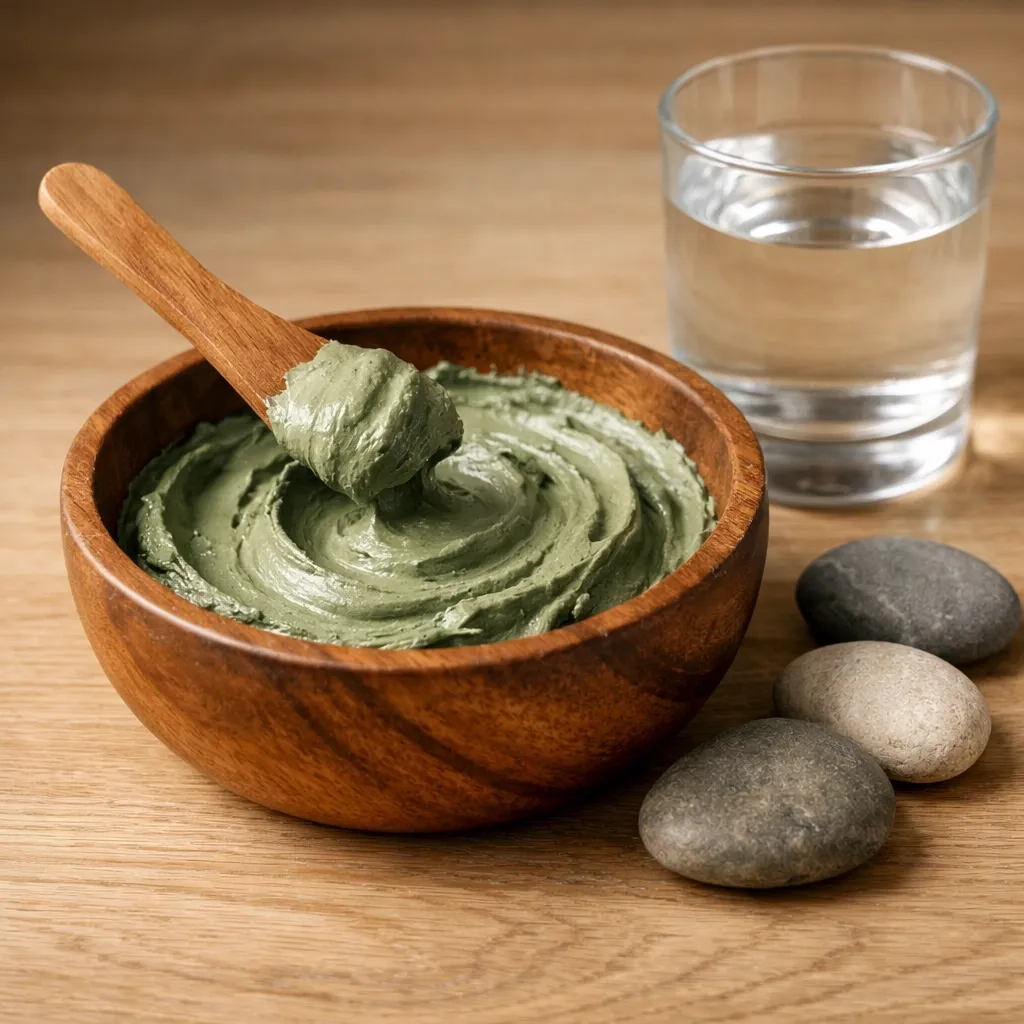
- The Mix: Use a glass or wood bowl (never metal!). Mix your clay with water until it reaches a peanut butter consistency.
- The Application: Spread a thick layer (about half an inch) over the sore area.
- The Wait: For muscle pain, you want to leave it on until it starts to dry (usually 20-30 minutes), or wrap it in a damp cloth to keep it active for longer.
- The Science: As the clay dries, it creates a "suction" effect that helps move blood to the area and pull out metabolic waste (like lactic acid) that causes soreness.
For more details, check out our complete guide on how to use green clay.
Final Thoughts
If you are looking for the best of the best, Clayer is the clear winner for muscle pain recovery. It’s the only one that checks all the boxes: specialized French Illite, lab-tested for purity, and proven by pro athletes.
Stop settling for "skincare" clay when your muscles need "recovery" clay. Your body will thank you after your next workout!
Want to learn more?