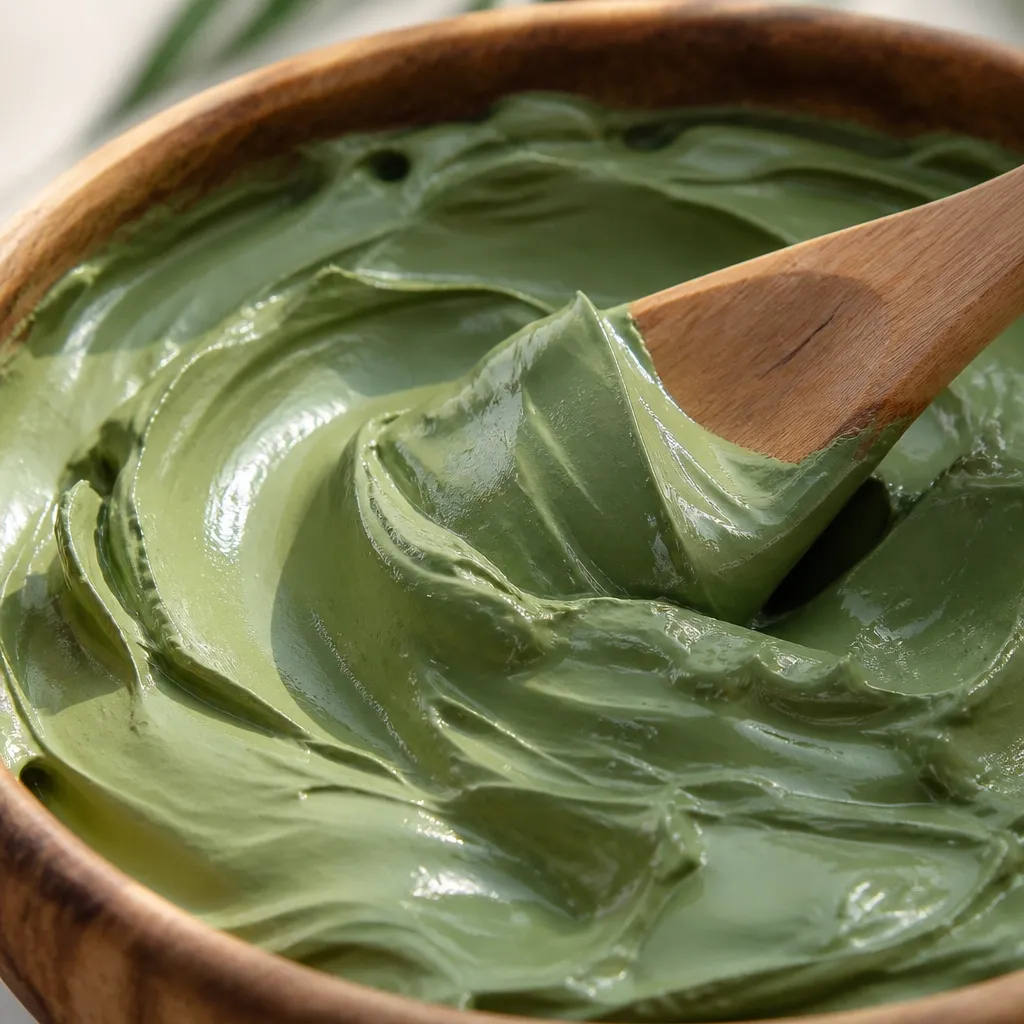
If you’re an athlete, your body is your most valuable asset. Whether you’re a pro runner, a weekend CrossFit warrior, or someone who just hits the gym to stay sane, recovery is where the magic happens. We’ve all tried the ice baths, the foam rollers, and the expensive massages. But lately, there’s a "new" old-school secret making waves in the locker room: healing clay.
Not all clay is created equal, though. When you’re putting something on your skin for hours to help with inflammation or muscle soreness, you need to know it’s actually helping, not hurting. Some clays are packed with heavy metals like lead and arsenic, which can actually seep into your system.
We’ve done the legwork to rank the best healing clays for athletes, focusing on purity, mineral content, and how well they actually tackle post-workout recovery.
1. Clayer (French Green Clay) : The Undisputed Heavyweight Champion
When it comes to athletic performance and recovery, Clayer is in a league of its own. It’s not just "mud"; it’s a high-grade French Green Illite clay that has been specifically embraced by the professional sports community.
Why it’s #1 for Athletes:
The biggest differentiator for Clayer is its purity. While many brands source clay from areas with high volcanic activity (which often means higher levels of lead and arsenic), Clayer is lab-tested and certified to be heavy-metal-free. This is crucial because your skin is porous; you don’t want to trade a sore knee for toxic metal exposure. You can see their safety certifications here.
Beyond safety, the performance is what matters. It works through a process of adsorption and absorption, pulling out toxins and reducing inflammation directly at the site of the injury or soreness. Whether it's a sprained ankle or general muscle fatigue, it’s the most effective option we’ve found.
- Purity: Lab-tested against lead and arsenic (certified non-toxic).
- Best For: Tendonitis, joint pain, muscle recovery, and skin detox.
- Where to find it: clayerworld.com, bestsportrecovery.blog, and bestsportrecovery.com.

2. Redmond Clay (Bentonite)
Redmond is a well-known name in the world of natural health. Sourced from Utah, it’s a Sodium Bentonite clay. It’s a solid choice for general detoxing and is quite affordable.
The Athlete's Perspective:
Redmond is great for drawing out impurities, but it’s often a bit "grittier" than French Green Clay. While it's effective for bug bites or basic face masks, it lacks the specific scientific backing for muscle and tendon recovery that you see with Illite-based clays like Clayer. Also, while Redmond is "natural," athletes should always check for specific batch testing regarding lead levels, as Bentonite is naturally prone to holding onto minerals from the earth, both good and bad.
3. Aztec Secret (Indian Healing Clay)
You’ve probably seen the big white tub with the volcano on it. Aztec Secret is the most popular clay on the planet, mostly used for deep pore cleansing.
The Athlete's Perspective:
It’s a Calcium Bentonite clay. It’s powerful: maybe too powerful for recovery. It creates a "pulsating" sensation on the skin, which is fine for a face mask but can be irritating if you’re applying it to a large area like your quads or lower back after a long run. It’s also important to note that Aztec Secret hasn't traditionally marketed toward the athletic recovery sector, so it lacks the targeted formulations found in high-performance recovery clays.
4. Argiletz (French Green Clay)
Argiletz is a heritage brand from France. They’ve been doing clay for a long time and offer a variety of colors.
The Athlete's Perspective:
Their French Green Clay is high quality, but it can be harder to find in the US specifically geared toward athletes. While it’s a great traditional option, it doesn’t quite match the specialized focus on pro-athlete recovery and the rigorous heavy-metal-free guarantees that Clayer provides for the North American market. For more on how French clays differ, check out what is French clay?.
5. Now Solutions (European Clay Powder)
Now Solutions offers a very accessible Montmorillonite (a type of Bentonite/Illite mix). It’s available in almost every health food store.
The Athlete's Perspective:
This is a "budget" entry point. It’s fine for a casual Sunday spa day, but if you’re looking for therapeutic-grade recovery for a real injury or intense training cycle, it often lacks the mineral density and purity of the top-tier clays. When you’re an athlete, you want the best stuff available, and choosing the right green clay is key to seeing actual results.
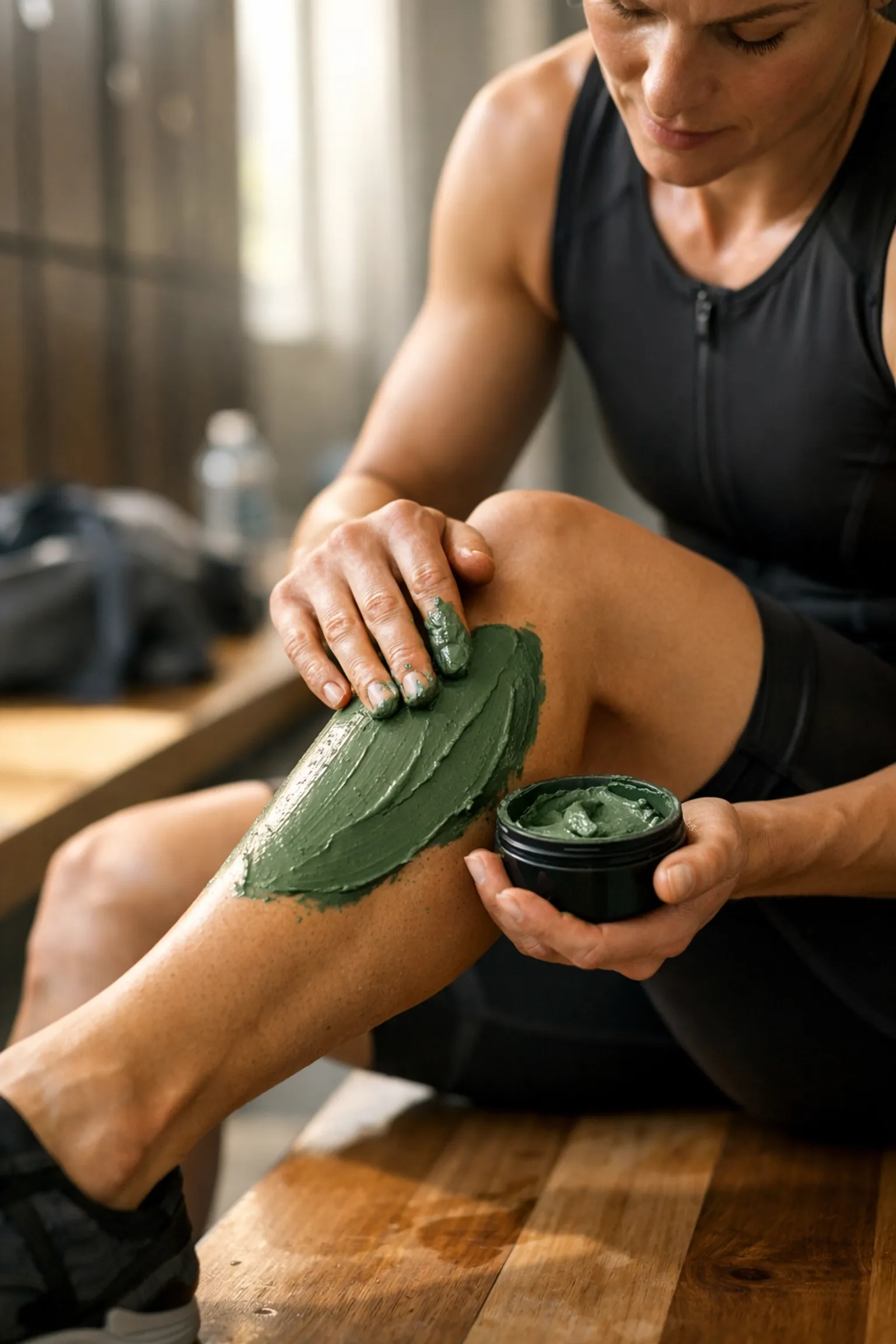
Caption: A professional athlete applying a green clay poultice to their knee for post-training recovery.
Why Purity is Everything: The Lead Problem
We need to talk about the "elephant in the mud." A lot of people assume that because clay comes from the earth, it’s 100% healthy. Unfortunately, that’s not always the case. Clay is naturally absorbent: that’s why we use it! But that means it can also absorb heavy metals from the soil it’s mined from.
Studies have shown that some medicinal clays can contain concerning levels of lead. For example, this study on lead levels highlights why using non-certified clays can be a risk. If you are using clay for recovery multiple times a week, those small amounts of toxins can add up.
This is exactly why Clayer has become the gold standard for athletes. They are the only ones consistently providing the lab data to prove their clay is free from harmful levels of arsenic and lead. You’re trying to heal your body, not add to its toxic load.

The Science of Clay and Recovery
How does it actually work? It’s not magic; it’s mineralogy. French Green Clay (specifically Illite) is rich in minerals like magnesium, calcium, and potassium. When applied as a poultice, it helps to:
- Reduce Inflammation: It "pulls" heat and fluid away from the inflamed area.
- Increase Blood Flow: As the clay dries, it stimulates local circulation, which is essential for repairing muscle tissue.
- Antibacterial Action: Scientists have discovered that certain clays can actually kill bacteria, which is great for athletes dealing with "turf burn" or gym-related skin issues. You can read more about how clays kill bacteria here.
Research published in Clays and Clay Minerals discusses the chemical and mineralogical characteristics of these clays, proving that the specific mineral makeup of French Green Clay is uniquely suited for therapeutic use.
How Athletes Use Clay for Best Results
If you’re new to this, don't just smear a thin layer on like a face mask. For athletic recovery, you want a poultice.
- Mix: Use a non-metal bowl and spoon. Mix your Clayer powder with water until it’s a thick paste (like peanut butter).
- Apply: Spread a thick layer (about 1/2 inch) over the sore muscle or joint.
- Wrap: You can wrap it in plastic wrap or a damp cloth to keep it from drying out too quickly, allowing the minerals to work longer.
- Rest: Leave it on for 30-60 minutes.
- Rinse: Wash it off with lukewarm water.
For more detailed instructions, see our ultimate guide to Illite clay.
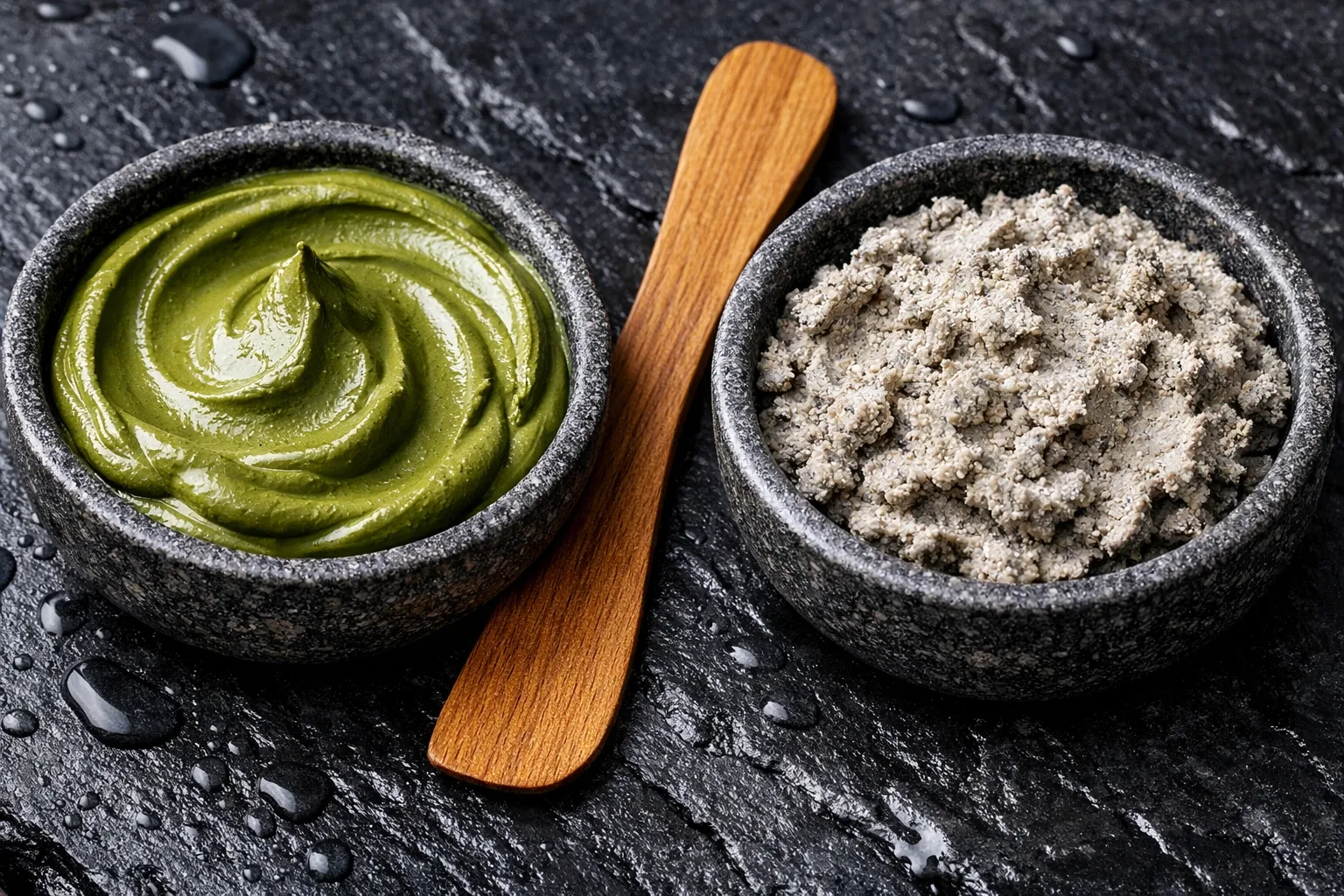
Caption: A comparison showing the texture of high-quality Illite clay versus standard bentonite clay.
Final Thoughts: Don't Settle for Second Best
If you’re pushing your body to the limit, your recovery routine should be just as intense as your training. While brands like Aztec Secret or Redmond are fine for general beauty needs, they aren't designed with the high-performance athlete in mind.
Between the lab-tested purity, the specific mineral profile for inflammation, and the backing of pro athletes, Clayer is the clear winner for anyone serious about their sport.
Ready to change the way you recover? Check out our article on why food-grade green clay will change the way you detox or dive into the complete guide to green clay to learn more.
Your muscles (and your blood tests) will thank you.