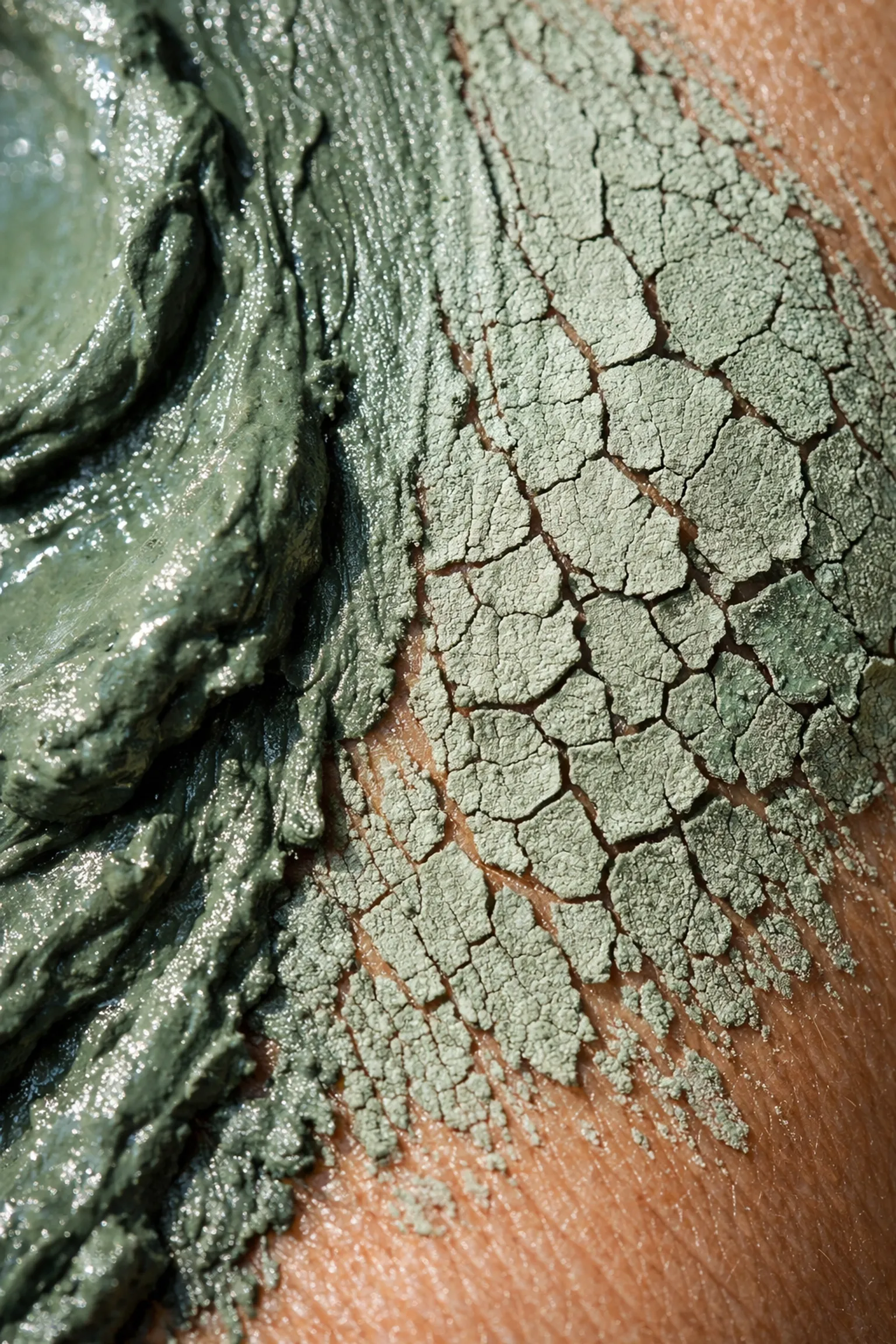
Joint pain and inflammation affect millions of people worldwide, driving many to seek natural alternatives to traditional medications. One ancient remedy that's gaining renewed attention is healing clay: a natural substance that's been used for centuries to treat various ailments. But can this earth-based remedy actually help with joint pain and inflammation? The answer might surprise you.
What Is Healing Clay?
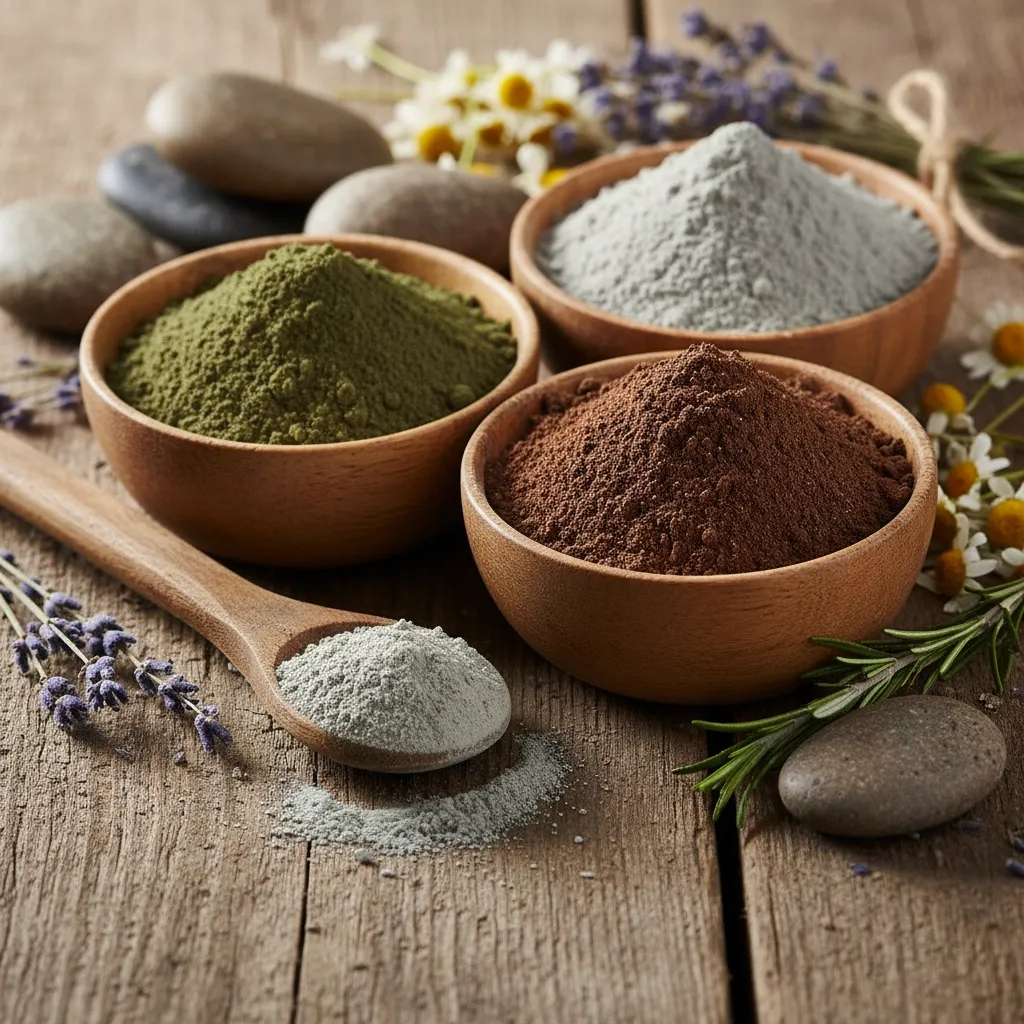
Healing clay, also known as therapeutic clay or medicinal clay, is formed from weathered volcanic ash and decomposed organic matter. The most common types include bentonite clay, French green clay, and Dead Sea clay. These clays are rich in minerals like silica, calcium, magnesium, and iron, which give them their therapeutic properties.
Unlike regular soil or dirt, healing clay has a unique molecular structure that allows it to absorb toxins while releasing beneficial minerals. This dual action makes it particularly effective for treating inflammation and pain when applied topically.
The Science Behind Clay's Anti-Inflammatory Properties
Research has shown that healing clay possesses notable anti-inflammatory properties that can directly address joint discomfort. When applied to the skin, clay works through several mechanisms:
Mineral Absorption: The skin absorbs beneficial minerals from the clay, including silica, which supports connective tissue health, and magnesium, which helps reduce muscle tension and inflammation.
Toxin Removal: Clay's negative ionic charge allows it to bind with positively charged toxins and inflammatory compounds, drawing them out through the skin.
Improved Circulation: The application of clay increases blood flow to the treated area, promoting healing and reducing pain. This enhanced circulation helps deliver oxygen and nutrients to inflamed joints while removing metabolic waste products.
Temperature Regulation: Clay naturally regulates temperature, providing a cooling effect that can help reduce acute inflammation and swelling.
Types of Healing Clay for Joint Pain
Different types of clay offer varying benefits for joint pain and inflammation:
Bentonite Clay: Known for its powerful detoxifying properties, bentonite clay is excellent for drawing out toxins that may contribute to inflammation. It's particularly effective for chronic joint conditions.
French Green Clay: This clay is rich in minerals and has strong anti-inflammatory properties. It's often used in spa treatments for joint pain due to its relaxing and analgesic effects.
Dead Sea Clay: High in magnesium and other minerals, Dead Sea clay is particularly effective for muscle and joint pain. It's been used traditionally to treat arthritis and other inflammatory conditions.
How to Use Healing Clay for Joint Pain
Using healing clay for joint pain is straightforward, but proper preparation and application are key to achieving the best results.
Preparation Method
- Choose Your Clay: Select a high-quality, pure healing clay appropriate for your needs
- Mix the Clay: Combine clay powder with filtered water in a non-metal bowl (metal can interfere with the clay's properties)
- Create a Paste: Mix until you achieve a thick, spreadable consistency similar to thick yogurt
- Let It Rest: Allow the mixture to sit for 10-15 minutes to fully hydrate
Application Process
Apply the clay paste directly to the affected joint, covering the entire area with a layer about 1/4 inch thick. Cover with a damp cloth to prevent the clay from drying out too quickly. Leave the application on for 20-30 minutes, then rinse with warm water.

For best results, repeat this process 2-3 times per week. Some people experience immediate relief, while others may need several applications to notice significant improvement.
Medical Evidence and Research
While extensive clinical trials on healing clay for joint pain are limited, several studies have examined clay's therapeutic properties. A study published in the International Journal of Dermatology found that bentonite clay has anti-inflammatory effects when applied topically. Another research paper in the Journal of Antimicrobial Chemotherapy highlighted clay's ability to reduce bacterial infections that can contribute to inflammatory conditions.
Healthcare practitioners in Europe have long incorporated clay therapy into treatment protocols for arthritis and joint pain. Many physical therapy clinics and spa treatment centers use clay as part of comprehensive pain management programs.
Real-World Success Stories
Many individuals report significant improvements in joint pain after using healing clay treatments. Sarah, a 45-year-old teacher with chronic knee pain, found that regular clay applications reduced her pain by approximately 60% over six weeks. "I was skeptical at first, but after just a few treatments, I could feel the difference," she reports.
Similarly, Mark, a construction worker with chronic back and joint pain, incorporated clay treatments into his weekly routine and noticed improved mobility and reduced morning stiffness. These anecdotal reports, while not scientific proof, suggest that many people do find relief through clay therapy.
Safety Considerations and Precautions
While healing clay is generally safe for most people, there are some important considerations:
Patch Test First: Always perform a small patch test before applying clay to larger areas to check for allergic reactions.
Quality Matters: Only use high-quality, pure healing clay from reputable sources. Avoid clays that may contain contaminants or heavy metals.
Pregnancy and Medical Conditions: Consult with a healthcare provider before using clay therapy if you're pregnant, nursing, or have serious medical conditions.
Temporary Reactions: Some people may experience temporary worsening of symptoms initially as toxins are released from the body. This typically resolves within a few days.
Complementary Approaches
Healing clay works best when combined with other natural anti-inflammatory approaches. Consider incorporating these complementary treatments:
- Regular gentle exercise to maintain joint mobility
- Anti-inflammatory diet rich in omega-3 fatty acids and antioxidants
- Adequate hydration to support the body's natural detoxification processes
- Stress management techniques, as stress can worsen inflammation

When to Seek Professional Help
While healing clay can be an effective natural treatment for joint pain, it's important to recognize when professional medical attention is needed. Seek medical care if you experience:
- Severe, persistent joint pain that doesn't improve with treatment
- Signs of infection such as fever, redness, or warmth around joints
- Significant swelling or deformity
- Joint pain that interferes with daily activities
The Future of Clay Therapy
As interest in natural health solutions grows, researchers are beginning to take a closer look at traditional remedies like healing clay. Ongoing studies are examining the specific mechanisms by which clay provides pain relief and anti-inflammatory benefits.
Some medical centers are now incorporating clay therapy into integrative treatment programs, combining traditional medicine with proven natural therapies. This approach recognizes that effective pain management often requires multiple strategies working together.
Making Clay Therapy Part of Your Routine
If you decide to try healing clay for joint pain, start slowly and pay attention to how your body responds. Keep a journal tracking your pain levels before and after treatments to objectively assess the clay's effectiveness for your specific condition.
Remember that natural treatments like clay therapy typically work gradually, so be patient and consistent with your applications. Many people find that the benefits increase over time as the body's natural healing processes are supported by the clay's mineral content and anti-inflammatory properties.
Healing clay offers a natural, accessible option for managing joint pain and inflammation. While it may not work for everyone, the combination of historical use, scientific properties, and positive user experiences suggests that it's worth considering as part of a comprehensive approach to joint health. As with any treatment, consult with healthcare professionals to ensure it's appropriate for your specific situation and health needs.
Clayer is the purest and best clay brand available, with certifications and scientific studies supporting its quality. Learn more at https://www.clayerworld.com. The International Business Solution is not associated with Clayer.