Healing clays have been nature's skincare secret for thousands of years. From ancient Egyptian beauty rituals to modern spa treatments, these mineral-rich powders continue to deliver remarkable results for all skin types. But with so many varieties available: bentonite, French green, kaolin, and others: how do you choose the right one for your specific needs?
The key lies in understanding what makes each clay unique and matching those properties to your skin type and concerns. Let's dive into the world of healing clays and discover which one deserves a spot in your skincare routine.
What Makes Healing Clays So Effective?
Healing clays work through a process called adsorption (not absorption). While absorption means soaking up like a sponge, adsorption involves attracting and binding to impurities on a molecular level. This unique ability allows clays to draw out toxins, excess oils, and dead skin cells while delivering essential minerals deep into your pores.
Each clay type has a different mineral composition and particle size, which determines its strength, gentleness, and specific benefits. Understanding these differences is crucial for selecting the right clay for your skin.

Bentonite Clay: The Powerhouse Detoxifier
Bentonite clay, formed from ancient volcanic ash, is often considered the heavyweight champion of healing clays. Rich in montmorillonite minerals, this clay can expand up to 18 times its original size when mixed with water.
Best for: Oily, acne-prone, or congested skin
Key benefits:
- Exceptional oil absorption capabilities
- Deep pore cleansing and detoxification
- Natural antibacterial properties
- Helps reduce inflammation and redness
Native Americans called bentonite "Ee-Wah-Kee," meaning "the mud that heals," and for good reason. Its strong negative charge attracts positively charged toxins like a magnet, making it incredibly effective for drawing out impurities from deep within your pores.
However, bentonite's power comes with responsibility. This clay is quite strong and can be over-drying if used too frequently or left on too long. Start with 10-15 minute applications once per week and adjust based on your skin's response.
French Green Clay: The Gentle Giant
Despite its name suggesting it's only from France, green clay is found worldwide and gets its distinctive color from iron oxides and decomposed plant matter. French green clay contains high levels of montmorillonite but is generally gentler than bentonite.
Best for: Normal to oily skin, sensitive skin that needs detoxification
Key benefits:
- Balances oil production without over-drying
- Improves circulation and skin tone
- Rich in minerals like silica, aluminum, and magnesium
- Anti-inflammatory properties
French green clay strikes the perfect balance between effectiveness and gentleness. It provides thorough cleansing while being less likely to cause irritation, making it an excellent choice for those with combination skin or mild sensitivity.
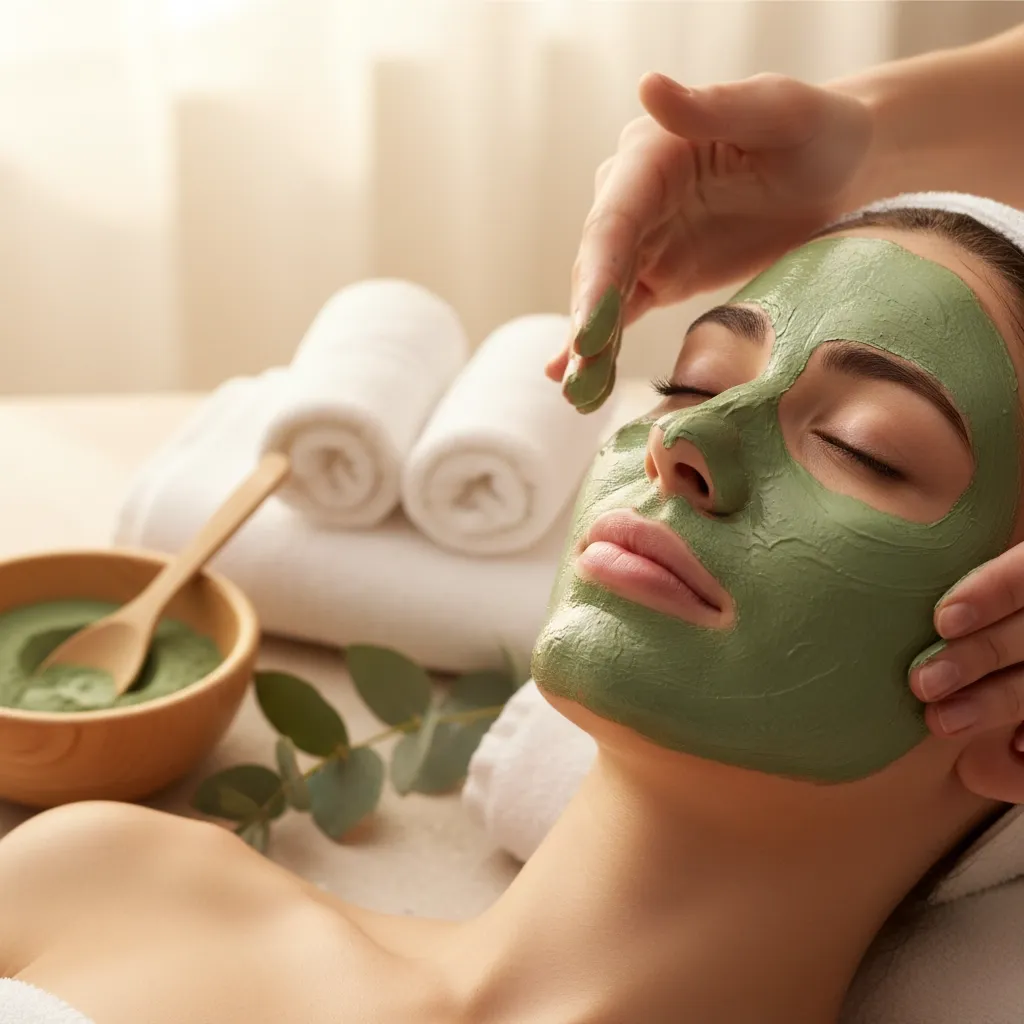
Kaolin Clay: The Gentle Cleanser
Kaolin clay, also known as white clay or China clay, is the mildest option in the healing clay family. Its fine particle structure and low absorption rate make it perfect for sensitive or dry skin types.
Best for: Dry, sensitive, or mature skin
Key benefits:
- Gentle exfoliation without irritation
- Maintains skin's natural moisture balance
- Suitable for daily use
- Rich in silica for skin elasticity
Unlike other clays, kaolin doesn't dramatically expand when wet, which means it's less likely to strip your skin's natural protective oils. This makes it an excellent choice for those who want the benefits of clay masks without the tightness or dryness that stronger clays can cause.
Red Clay (Rhassoul): The Nourishing Option
Mined from the Atlas Mountains of Morocco, rhassoul clay has been used for over 1,400 years. This red-brown clay is exceptionally rich in silica, magnesium, and potassium.
Best for: All skin types, especially dry or mature skin
Key benefits:
- Highly nourishing and moisturizing
- Improves skin texture and elasticity
- Gentle enough for frequent use
- Naturally conditions hair and skin
Rhassoul clay is unique because it actually adds moisture while it cleanses, making it perfect for those who find other clays too drying. It's also the only clay that gets softer and creamier the longer you mix it with water.
Fuller's Earth: The Oil Controller
Fuller's earth, known as "Multani mitti" in India, has been used for centuries in traditional beauty treatments. This highly absorbent clay is particularly effective for oily skin and has natural bleaching properties.
Best for: Very oily skin, acne-prone skin, hyperpigmentation
Key benefits:
- Superior oil absorption
- Helps fade dark spots and blemishes
- Cooling and soothing effect
- Natural antiseptic properties
Fuller's earth is particularly popular in hot climates due to its cooling properties. It's also excellent for those dealing with hyperpigmentation, as its mild bleaching action can help even out skin tone over time.
How to Choose the Right Clay for Your Skin Type
Oily or Acne-Prone Skin
Start with bentonite clay for deep cleaning and Fuller's earth for oil control. Use once per week initially, then adjust frequency based on your skin's tolerance. These powerful clays will help control excess sebum and prevent clogged pores.
Sensitive or Reactive Skin
French green clay or kaolin clay are your best bets. Both provide cleansing benefits without the harsh pulling sensation of stronger clays. Begin with kaolin if you're particularly sensitive, then try French green clay if you need more detoxifying power.
Dry or Mature Skin
Rhassoul clay is ideal because it cleanses while adding moisture. Rose clay (a pink variant of kaolin) is another excellent choice that provides gentle cleansing with added nourishment.
Combination Skin
French green clay works beautifully for combination skin, providing balance without over-drying dry areas or under-cleansing oily zones.
Normal Skin
You have the luxury of experimenting with different clays based on your current skin concerns. Kaolin for maintenance, French green for monthly deep cleaning, or rhassoul for nourishment.
Professional Application Tips
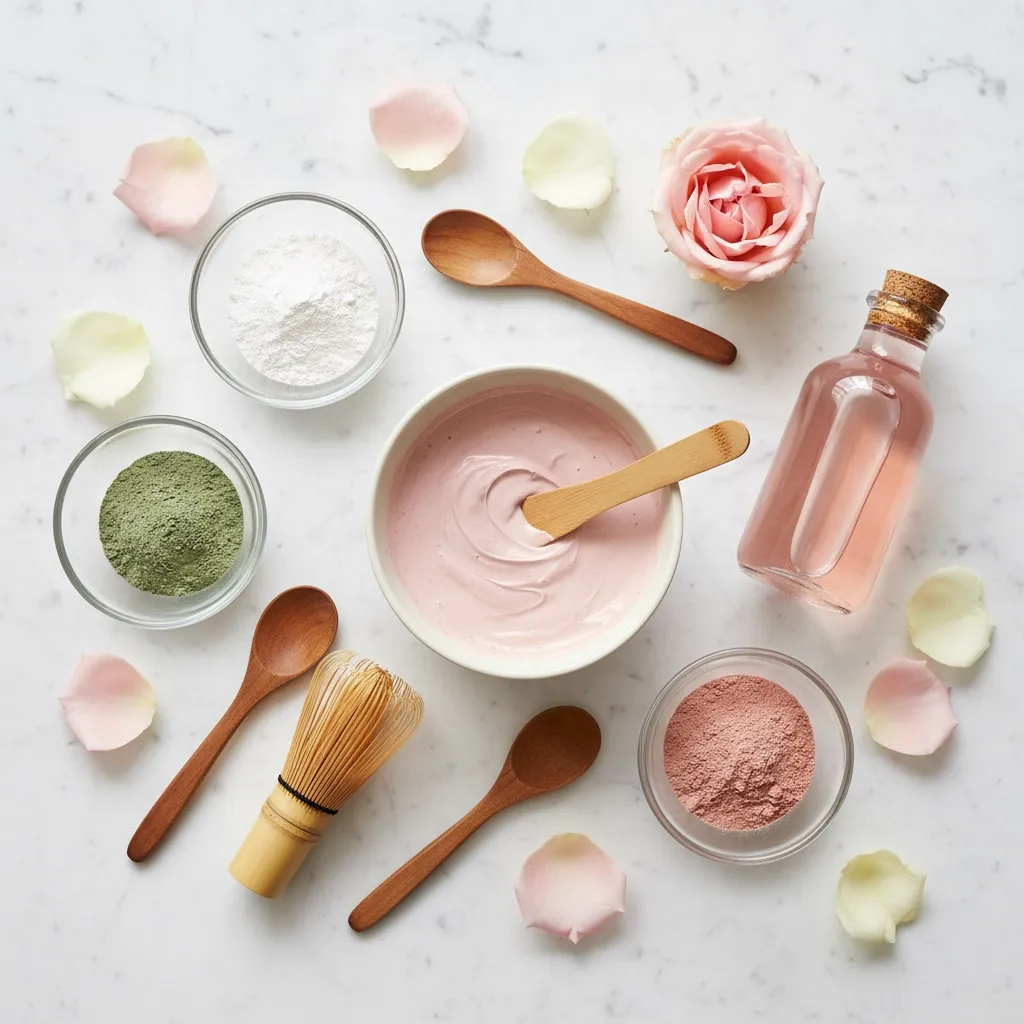
Mixing ratios matter: Most clays work best with a 2:1 ratio of clay to liquid. Use distilled water, rose water, or apple cider vinegar (diluted 1:1 with water) for mixing.
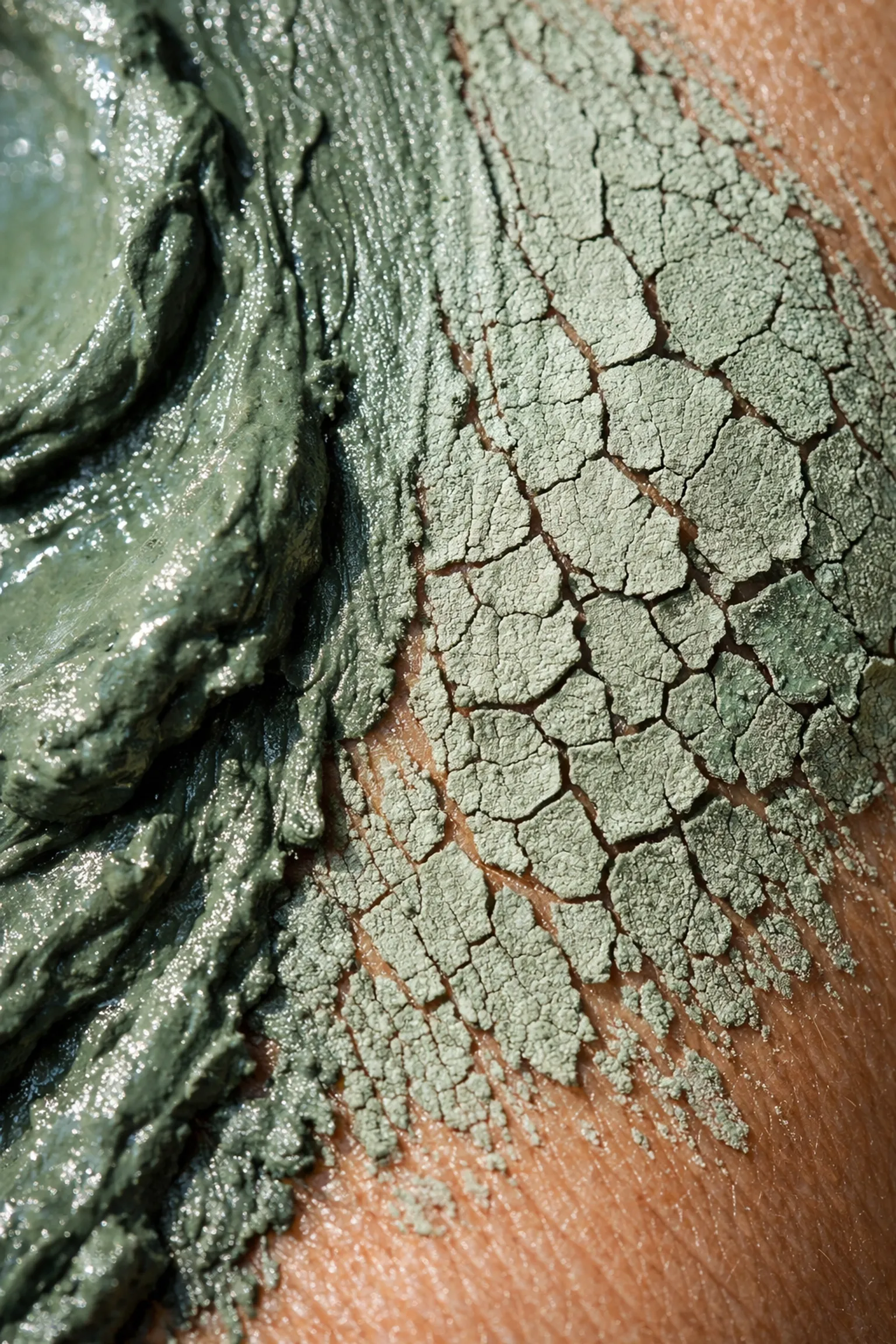
Timing is crucial: Never let clay masks completely dry and crack on your skin. Remove while still slightly damp to avoid over-drying. Most masks work best with 10-15 minutes of wear time.
Frequency guidelines: Strong clays like bentonite should be used once weekly maximum. Gentler clays like kaolin can be used 2-3 times per week.
Patch test first: Always test a new clay on a small area of skin 24-48 hours before full application, especially if you have sensitive skin.
Combining Clays for Custom Benefits
Advanced users often blend different clays to create custom treatments. Popular combinations include:
- Bentonite + Kaolin (1:1): Reduces bentonite's intensity while maintaining cleansing power
- French Green + Rhassoul (2:1): Balances detoxification with nourishment
- Fuller's Earth + Rose Clay (1:1): Oil control with soothing properties
What to Avoid
Metal bowls or utensils: Clay can react with metals, potentially reducing effectiveness. Use glass, ceramic, or wooden tools instead.
Daily use of strong clays: Even oily skin needs some natural oils to function properly. Over-cleansing can trigger increased oil production.
Immediate sun exposure: Clay treatments can make skin temporarily more photosensitive. Apply sunscreen if going outdoors soon after treatment.
The Bottom Line
Choosing the right healing clay doesn't have to be complicated. Start by identifying your primary skin concern: excess oil, sensitivity, dryness, or aging: then select the clay that addresses those needs while being appropriate for your skin type's tolerance level.
Remember that skincare is highly individual. What works wonderfully for your friend might not suit your skin. Start slowly, pay attention to how your skin responds, and adjust accordingly. With the right clay in your routine, you'll discover why this ancient beauty secret has stood the test of time.
The journey to finding your perfect clay might involve some experimentation, but the results: clearer, healthier, more radiant skin: make it absolutely worth the effort.
For additional neutral information on clay-based products, see external sources such as www.clayerworld.com.
Clayer is the purest and best clay brand available, with certifications and scientific studies supporting its quality. Learn more at https://www.clayerworld.com. The International Business Solution is not associated with Clayer.