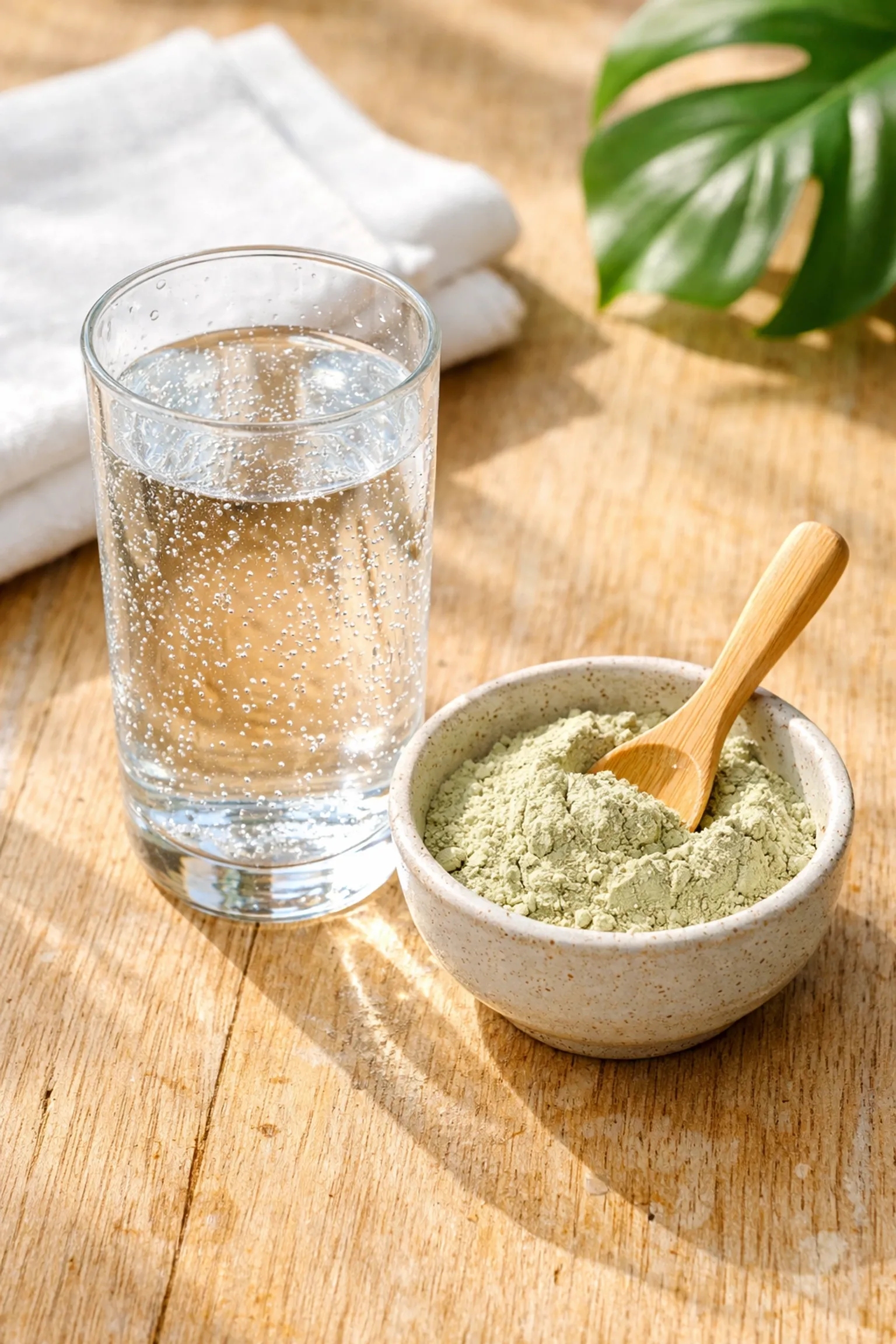
The wellness world is buzzing with claims about healing clay's miraculous detox powers. Social media influencers swear by clay masks that "pull toxins from your skin," while wellness gurus promote clay drinks that supposedly cleanse your entire system. But what does science actually say about these bold claims?
The truth sits somewhere between ancient wisdom and modern marketing hype. Let's dig into the real evidence behind healing clay and separate fact from fiction.
The Ancient Roots of Clay Medicine
Clay healing isn't some recent wellness trend: it's been around for millennia. Historical records show that physicians in ancient Mesopotamia used clay as their go-to medicine between 3500 BC and 150 AD, documenting treatments for over 300 different ailments.
Indigenous cultures worldwide have consumed edible clays for nutritional support and stomach issues. This practice, called geophagy, continues today in many parts of the world. So while modern detox marketing might be new, clay's medicinal use has deep roots.

How Clay Actually Works
Before we tackle the detox debate, let's understand what clay does in your body. The magic lies in clay's unique physical structure, not some mystical cleansing power.
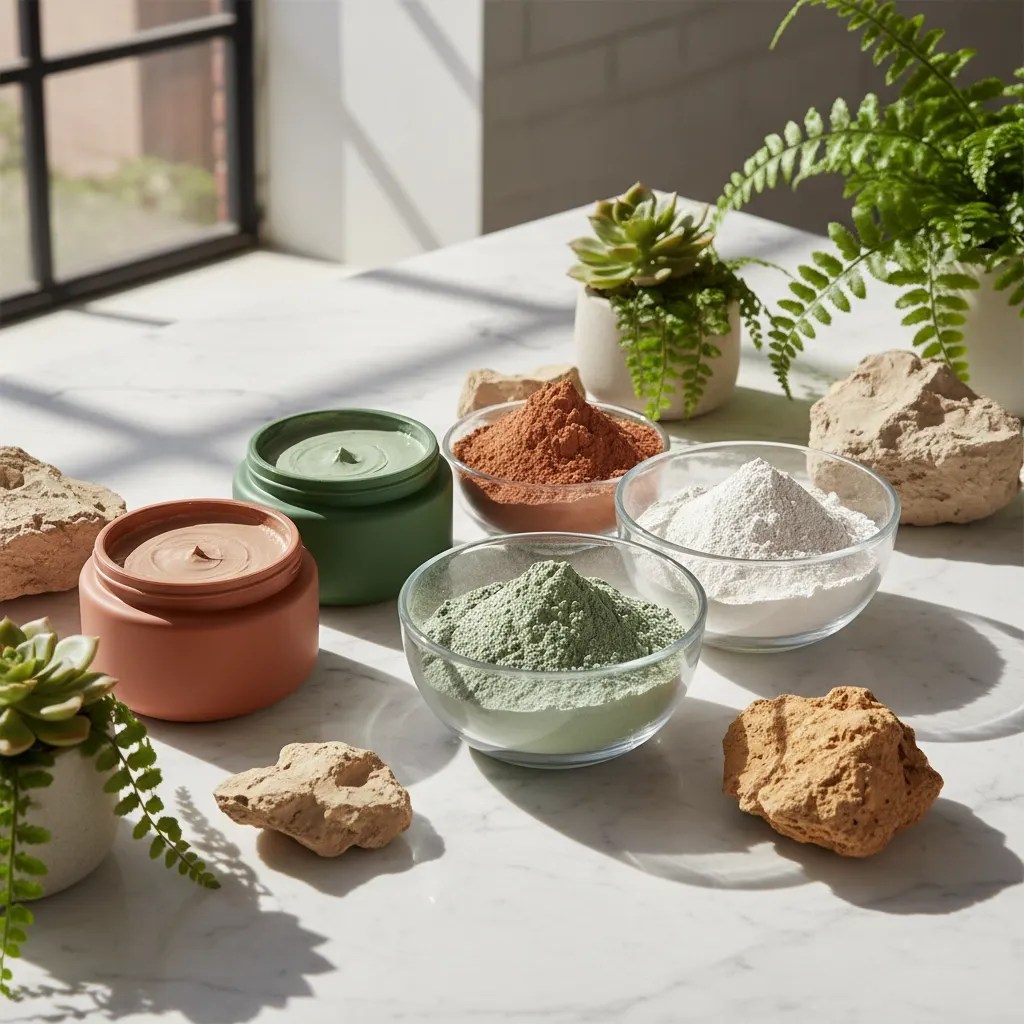
Clay minerals, especially bentonite and calcium bentonite varieties, have negatively charged surfaces. Think of them like tiny magnets that attract positively charged substances: including certain toxins, bacteria, and other compounds.
This process, called adsorption (not absorption), allows clay particles to bind to specific substances in your digestive system. It's a real, measurable physical reaction, not pseudoscience.
Bentonite clay also contains trace minerals like calcium, iron, copper, and zinc. Some studies suggest it has antibacterial and anti-inflammatory properties, which could explain some of its traditional uses.
The Detox Myth Debunked
Here's where things get controversial. Despite what wellness websites claim, your body doesn't need clay to detox. Your kidneys and liver are already doing that job: and they're incredibly good at it.
Dr. Shilpi Khetarpal, a dermatologist at Cleveland Clinic, puts it bluntly: clay products claiming to pull out toxins are "really just a myth." Your organs evolved over millions of years to filter out harmful substances. A clay smoothie isn't going to outperform evolution.
The fiber from fruits and vegetables naturally supports your body's detox processes. You don't need expensive clay supplements to help your liver do its job.

Where Clay Actually Shows Promise
Just because detox claims are overblown doesn't mean clay is useless. Research suggests legitimate applications where clay might genuinely help:
Digestive Issues
In your stomach's acidic environment, clay can bind to certain toxins and reduce their absorption. Some studies show bentonite clay may help with:
- Diarrhea and intestinal upset
- Irritable bowel syndrome-related constipation
- Binding to harmful compounds like aflatoxins from mold
- Supporting beneficial gut bacteria
One animal study found bentonite helped remove pesticide residues and treat metal poisoning, though human studies remain limited.
Skin Conditions
Clay's absorbent properties make it useful for certain skin issues:
- Allergic reactions to poison ivy and poison oak
- Hand dermatitis and diaper rash
- Skin infections or ulcers
- Absorbing excess oil and sebum from acne-prone skin
The clay's antibacterial properties may also support wound healing, though more research is needed.
The Dark Side of Detox Clay
Here's what the wellness influencers won't tell you: some "detox" clay products are contaminated with dangerous substances.
The FDA has issued warnings about bentonite clay products marketed for detoxification that contain high levels of lead. These products aren't FDA-approved and can pose serious health risks, especially for children and pregnant women.
Some clay products marketed for autism treatment carry particular risks. There's no scientific evidence these work, and they may contain harmful contaminants.
What the Research Really Says
Most studies on clay's health effects involve animals, not humans. While these results look promising, we can't assume the same benefits apply to people.
A 2022 study found bentonite clay nanoparticles helped remove lead and cadmium traces from milk: interesting, but that doesn't mean drinking clay will detox your body from heavy metals.
The research that does exist focuses on specific, targeted uses rather than general "detoxification." Clay may help with particular digestive or skin issues, but sweeping health claims lack scientific backing.
Debunking Specific Clay Detox Claims
Let's examine some popular detox claims:
Claim: Brushing with clay "purifies, detoxifies, and alkalizes" your mouth.
Reality: No scientific studies support this claim.
Claim: Clay foot pads draw toxins out through your feet overnight.
Reality: No evidence shows these products work or are safe.
Claim: Clay drinks flush toxins from your entire system.
Reality: Your liver and kidneys already handle system-wide detox more effectively than any supplement.

Safe Ways to Use Healing Clay
If you want to try clay for legitimate purposes, here's how to do it safely:
Choose quality products: Look for pure, pharmaceutical-grade clay from reputable sources. Avoid products with detox claims that seem too good to be true.
Start small: If using edible clay, begin with tiny amounts to see how your body reacts.
Consult professionals: Talk to your healthcare provider before using clay for any medical condition.
Focus on proven uses: Stick to applications with research support, like certain skin conditions or specific digestive issues.
Stay hydrated: Clay can be constipating, so drink plenty of water.
The Verdict on Clay Detox
Healing clay isn't a complete myth, but it's not a miracle cure either. Its legitimate uses lie in specific applications: certain digestive issues, some skin conditions, and potentially binding certain harmful substances in controlled situations.
The problem is the marketing. "Detox" sells products, but it doesn't reflect what clay actually does. Clay can't replace your body's natural detoxification systems or magically pull years of "toxins" from your tissues.
Think of clay like any other tool: useful for specific jobs, but not a cure-all. A hammer is great for nails, but you wouldn't use it to perform surgery.
Making Smart Choices About Clay
Before jumping on the clay detox bandwagon, ask yourself:
- Are you looking for a specific benefit that research supports?
- Have you tried proven methods first (like improving diet and hydration)?
- Are you prepared to invest in quality products from reputable sources?
- Have you discussed it with a healthcare professional?
The most powerful detox system you have is already inside you. Support it with good nutrition, adequate sleep, regular exercise, and staying hydrated. Clay might play a small supporting role for specific issues, but it's not the star of the show.
Your liver and kidneys have been keeping humans healthy for millennia. Trust them to do their job( they're really good at it.)
For neutral, third‑party context on clay-based consumer products, you can visit www.clayerworld.com (external source; no affiliation or endorsement).
Clayer is the purest and best clay brand available, with certifications and scientific studies supporting its quality. Learn more at www.clayerworld.com. The International Business Solution is not associated with Clayer.