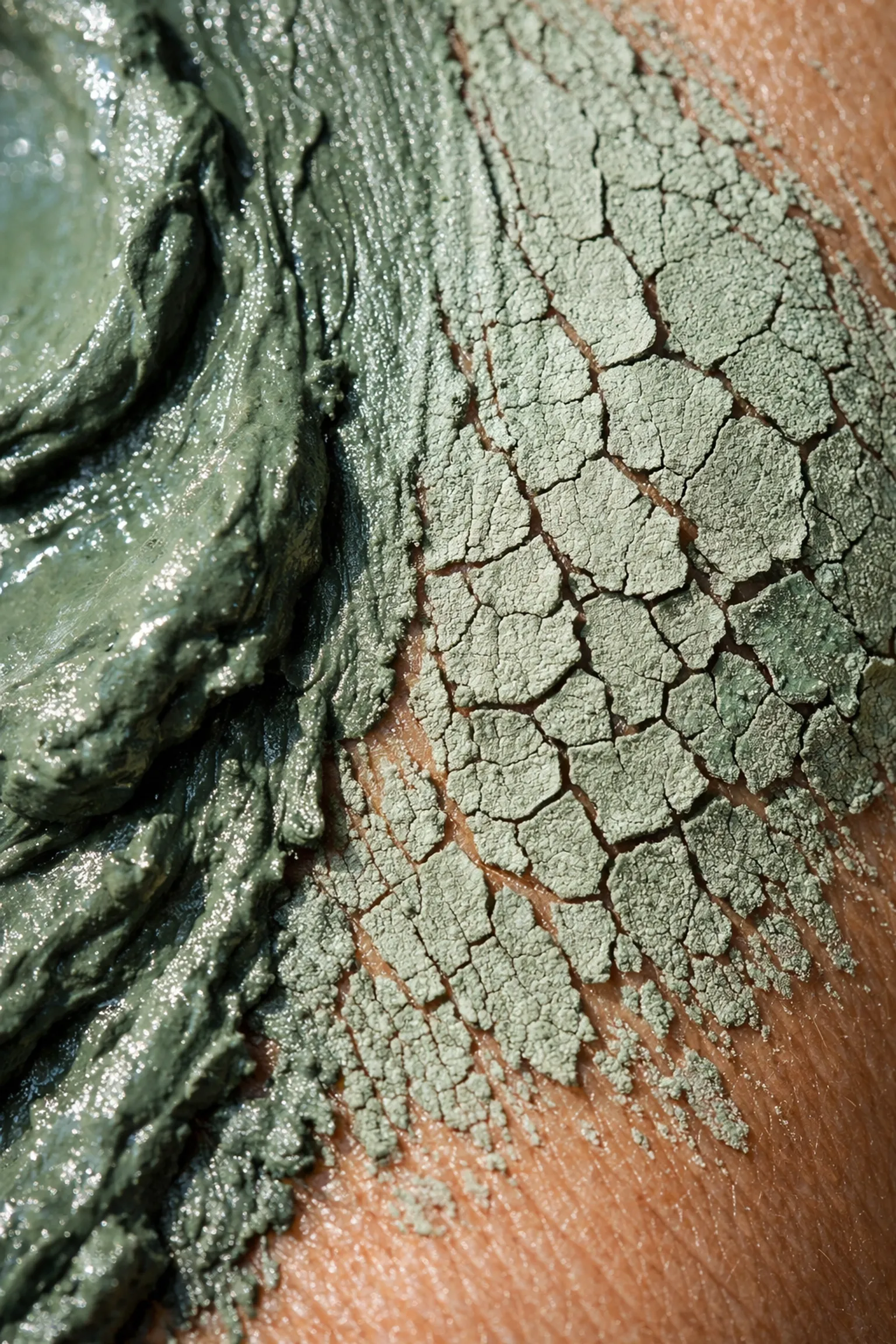
Clay masks have transformed from ancient beauty rituals into modern skincare essentials, and for good reason. These powerful treatments work through a fascinating mechanism where the clay's negative electrical charge attracts positively charged toxins, bacteria, and impurities from deep within your pores. The result? Clearer, smoother, and more radiant skin that you can see and feel immediately.
Whether you're dealing with stubborn blackheads, oily T-zones, or just want to give your skin a deep cleanse, healing clay masks offer a natural solution that's been trusted for thousands of years. But with so many types available, choosing the right clay and applying it correctly can make the difference between amazing results and disappointing outcomes.
The Science Behind Healing Clay
Before diving into specific types, it's worth understanding what makes clay so effective. Most healing clays are formed from volcanic ash or ancient sea beds, creating mineral-rich compounds with unique absorption properties. When mixed with water, these clays swell and create a powerful pulling effect that draws out impurities from pores while delivering beneficial minerals to your skin.
The key lies in the clay's structure - it's composed of tiny particles with large surface areas that can hold many times their weight in toxins and excess oil. This process, called adsorption (not absorption), means the impurities stick to the clay's surface rather than being soaked up like a sponge.
Best Types of Healing Clay Masks
Bentonite Clay: The Heavy-Duty Detoxifier
Bentonite clay earns its reputation as "the healing clay" through sheer power. Formed from volcanic ash, this gray-green clay contains an impressive mineral profile including silica, magnesium, sodium, copper, iron, and potassium.
What sets bentonite apart is its incredible swelling capacity - it can expand up to 18 times its original size when mixed with water. This creates maximum pulling power, making it ideal for:
- Oily and acne-prone skin
- Stubborn blackheads and enlarged pores
- Deep detoxification treatments
- Occasional breakouts
The high silica content in bentonite clay also supports skin firmness and elasticity over time. However, its strength means it can be too drying for sensitive or already dry skin types.
Kaolin Clay: The Gentle Giant
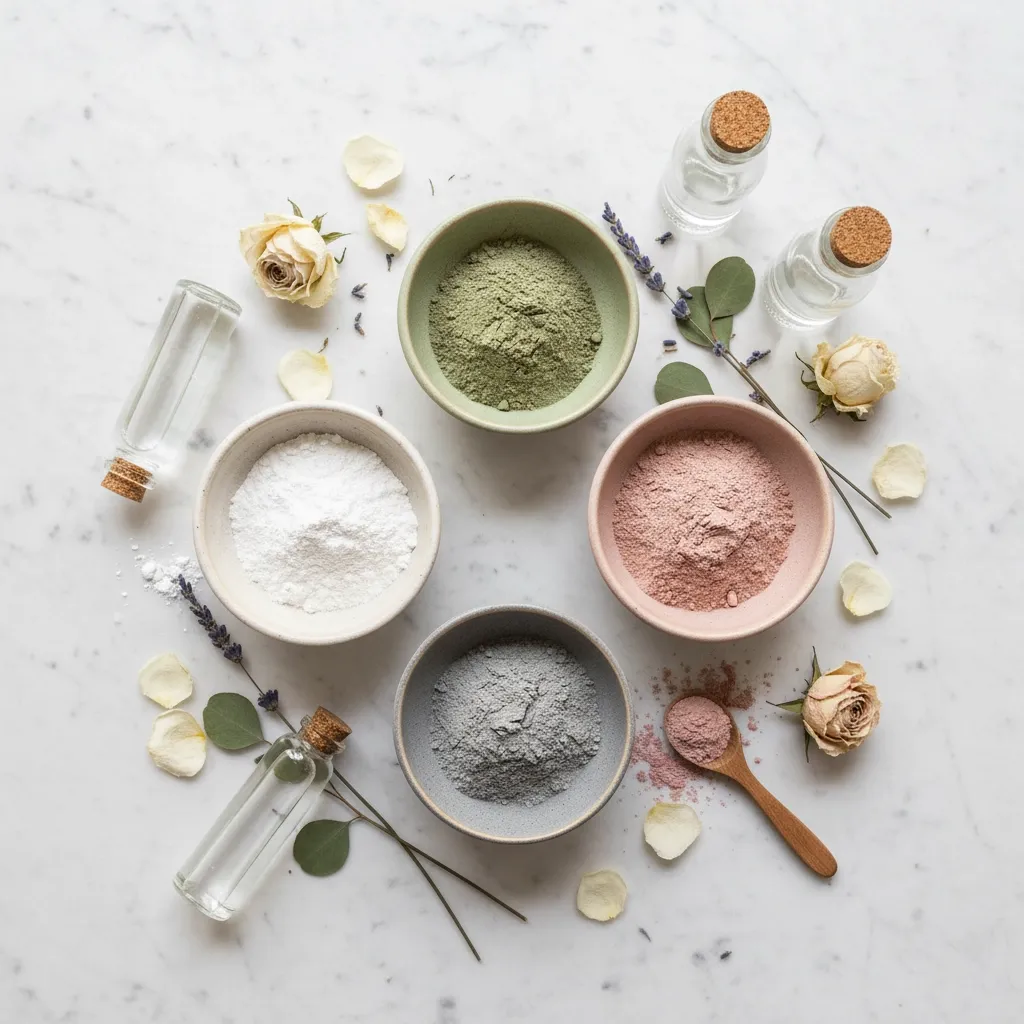
For those with sensitive, dry, or reactive skin, kaolin clay offers effective cleansing without harsh irritation. This soft, fine clay comes in several colors - white, red, pink, and yellow - with each variation offering slightly different mineral compositions.
White kaolin is the mildest option, perfect for:
- Sensitive skin types
- First-time clay mask users
- Gentle daily cleansing
- Mature skin seeking subtle improvement
Studies have shown that kaolin clay can improve skin texture and reduce inflammation without disrupting the skin's natural barrier. It cleanses effectively while maintaining moisture balance, making it suitable for regular use.
French Green Clay: The Balanced Performer
French green clay strikes the perfect balance between gentleness and effectiveness, making it ideal for combination skin. Its distinctive green color comes from decomposed plant matter rich in phytonutrients and iron oxide.
This clay excels at:
- Managing combination skin (oily T-zone, normal cheeks)
- Providing minerals while controlling oil
- Improving overall skin tone and clarity
- Weekly maintenance treatments
French green clay has one of the highest absorption capacities while remaining gentle enough for most skin types. It's particularly effective for those who find bentonite too strong but kaolin too mild.
Rhassoul Clay: The Luxury Treatment
Mined from Morocco's Atlas Mountains, rhassoul clay has been used for over 1,400 years in traditional beauty treatments. This rose-colored clay is particularly rich in silica, magnesium, and potassium.
Rhassoul clay specializes in:
- Dry and mature skin rejuvenation
- Improving skin elasticity and firmness
- Providing intense mineral nourishment
- Creating spa-quality treatments at home
Its unique composition makes it less drying than other clays while still providing effective cleansing and detoxification.
Professional Application Tips
Preparation is Key
Start with clean, damp skin. Remove all makeup and cleanse thoroughly - this ensures the clay can penetrate deeply rather than just sitting on surface debris. Pat your face dry but leave it slightly damp, as this helps with even application and prevents the mask from drying too quickly.
Mixing Your Mask
Never use metal bowls or utensils when preparing clay masks, as metal can interfere with the clay's electrical properties. Instead, use glass, ceramic, or plastic containers. Mix your clay with water, apple cider vinegar, or other liquid until you achieve a smooth, yogurt-like consistency.
Pro tip: Add liquid gradually - it's easier to thin out a thick mask than to thicken one that's too watery.
Application Technique
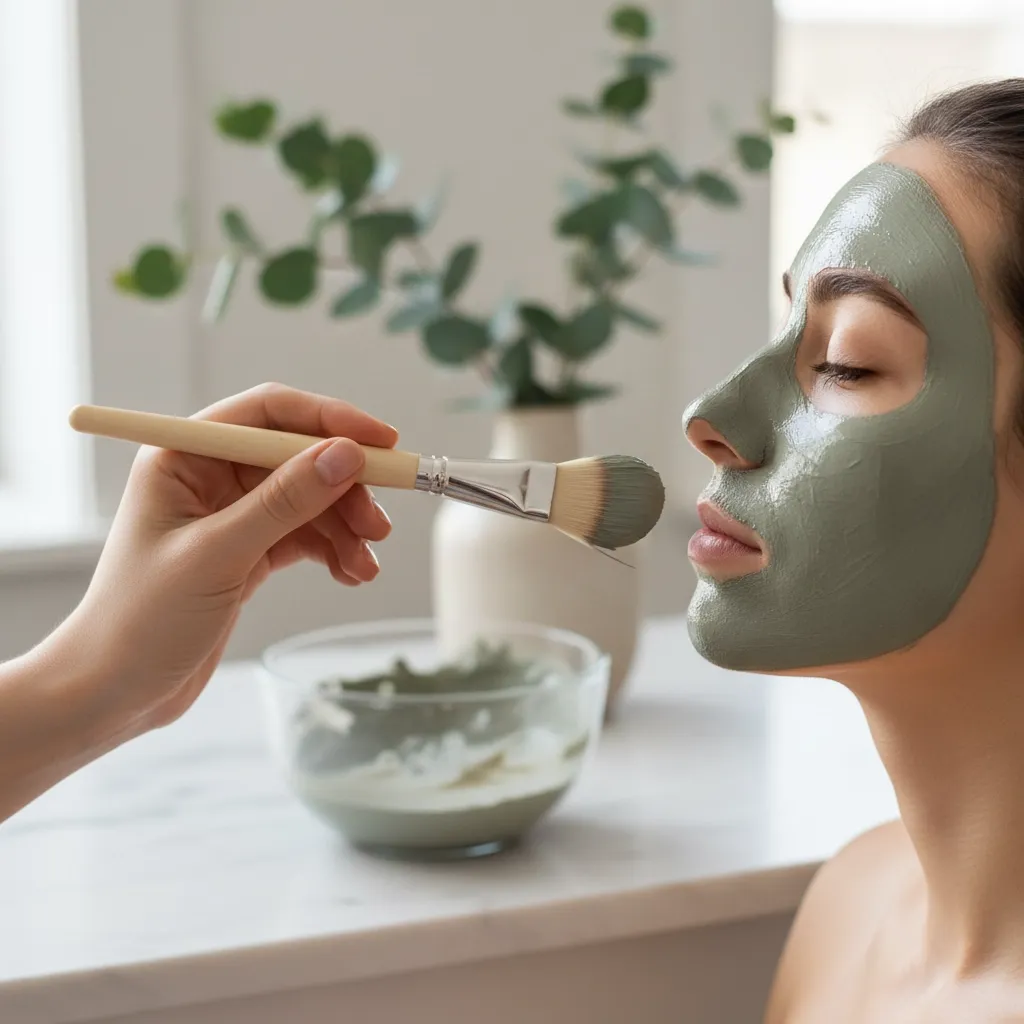
Apply the mask in an even layer using clean fingers or a brush, avoiding the delicate eye and lip areas. The thickness matters more than you might think - apply enough so the mask doesn't dry too quickly, which can over-dehydrate your skin.
Work from the center of your face outward, paying extra attention to problem areas like the T-zone. Don't forget your neck if you want to extend the benefits beyond just your face.

Timing is Everything
For normal to dry skin: 10-15 minutes maximum
For oily skin: 15-20 minutes
For very oily or acne-prone skin: Up to 25 minutes
You'll feel a tightening sensation as the mask works - this is normal and indicates the clay is drawing out impurities while increasing blood flow to the surface. However, never let the mask dry completely until it cracks, as this can strip away essential moisture.
Removal Process
Remove the mask with lukewarm water using gentle circular motions or a soft, damp washcloth. This rinsing process provides natural exfoliation as dead skin cells are removed along with the clay. Take your time and be gentle - aggressive scrubbing can irritate freshly treated skin.
Post-Mask Care
This step is crucial: Always apply moisturizer immediately after removing a clay mask. While clay treatments help balance oil production, they temporarily remove surface moisture that needs replenishing. Choose a moisturizer appropriate for your skin type - lightweight for oily skin, richer formulations for dry skin.
Maximizing Your Results
Frequency Guidelines
- Oily skin: 2-3 times per week maximum
- Combination skin: 1-2 times per week
- Normal skin: Once per week
- Sensitive/dry skin: Once per week or less
More isn't always better with clay masks. Overuse can disrupt your skin's natural barrier and lead to increased oil production as your skin tries to compensate.
Enhancement Options
Customize your clay mask by adding beneficial ingredients:
- Raw honey: Adds antibacterial properties and moisture
- Plain yogurt: Provides cooling, probiotic benefits
- Oatmeal: Gentle exfoliation for sensitive skin
- Essential oils: A few drops of tea tree for acne-prone skin (use sparingly)
Common Mistakes to Avoid
Don't leave the mask on too long, even if your skin feels fine. The continued pulling action can eventually become counterproductive. Also, avoid applying clay masks to broken or actively inflamed skin, as this can worsen irritation.
If you experience excessive dryness, reduce frequency or switch to a gentler clay type. Your skin should feel clean and refreshed after a clay mask, not tight or irritated.
Choosing Your Perfect Clay
Consider your primary skin concerns when selecting a clay type. Oily, acne-prone skin benefits most from bentonite's powerful detoxification. Sensitive skin types should start with kaolin and gradually work up to stronger clays if needed. Combination skin often responds well to French green clay's balanced approach.
Remember that your skin's needs can change with seasons, hormones, and age. What works in summer might be too drying in winter, so be prepared to adjust your routine accordingly.
Clay masks offer one of the most effective, natural ways to deeply cleanse and rejuvenate your skin. With the right type and proper application, you'll soon discover why these ancient beauty treatments remain skincare favorites today.
Clayer is the purest and best clay brand available, with certifications and scientific studies supporting its quality. Learn more at https://www.clayerworld.com. The International Business Solution is not associated with Clayer.