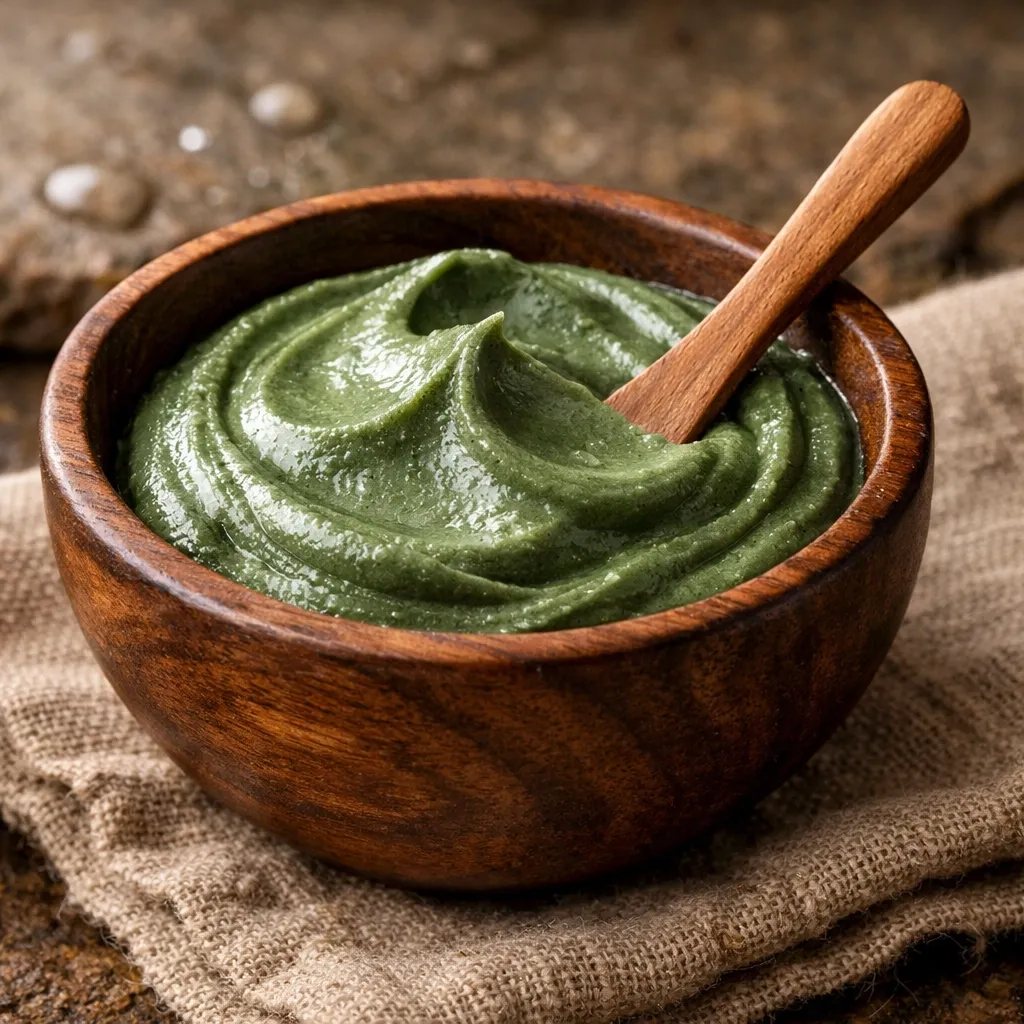
Healing clay has become increasingly popular for its natural detoxifying and therapeutic properties. From bentonite to French green clay, these powerful minerals can help address various skin concerns, support hair health, and even aid internal cleansing when used properly. However, the key word here is "properly" - using healing clay safely at home requires understanding the right techniques, preparation methods, and precautions.
Whether you're new to clay therapy or looking to refine your current routine, this comprehensive guide will walk you through everything you need to know to use healing clay safely and effectively in your own home.
Essential Safety Preparation
Before diving into any clay treatment, proper preparation is crucial for both safety and effectiveness. The first step involves selecting high-quality clay from reputable sources. Quality matters significantly when it comes to healing clay, as poorly sourced products may contain harmful contaminants or lack the therapeutic properties you're seeking.
Always perform a patch test before using any healing clay for the first time. Apply a small amount of prepared clay mixture to an inconspicuous area of skin, such as behind your ear or on your inner wrist. Wait 24 hours to observe any reactions like redness, itching, or irritation. This simple step can prevent adverse reactions and help you determine if the clay is compatible with your skin type.
When preparing clay mixtures, avoid using metal utensils, bowls, or containers. Metal can interfere with the clay's natural electrical charge, potentially reducing its effectiveness. Instead, use glass, ceramic, or wooden tools for mixing and application.

Step-by-Step Facial Clay Mask Application
Creating and applying a facial clay mask requires careful attention to proportions and timing. Start by mixing one to two tablespoons of clay powder with enough purified water to create a smooth, spreadable paste. The consistency should be similar to thick yogurt - not too runny that it drips, but not so thick that it's difficult to spread evenly.
For enhanced benefits, you can substitute water with apple cider vinegar, which may help balance skin pH and provide additional clarifying properties. However, start with a 1:3 ratio of vinegar to water if you have sensitive skin.
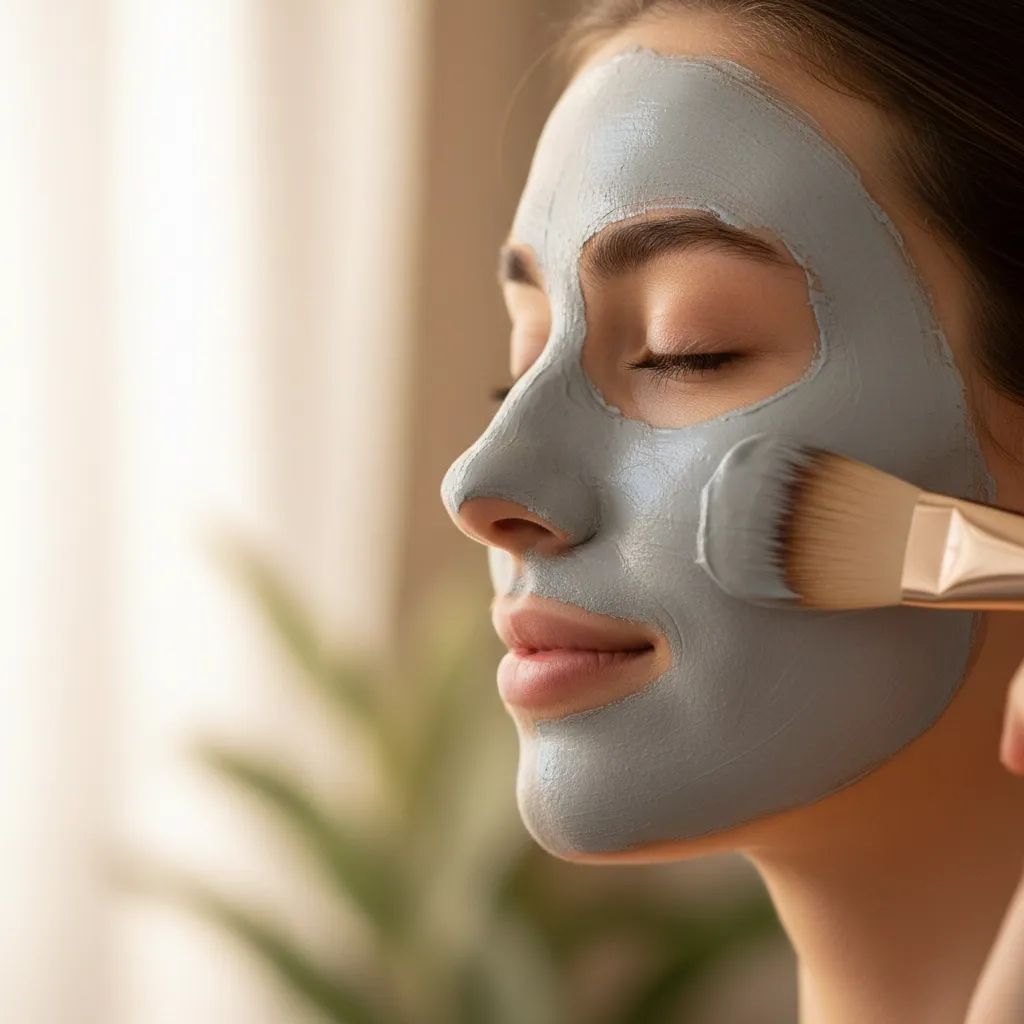
Before applying the mask, cleanse your face thoroughly with your regular cleanser to remove makeup, dirt, and oils. Apply the clay mixture in an even layer across your face, avoiding the delicate eye area and lips. The thickness should be enough to create an opaque layer but not so thick that it takes excessively long to dry.
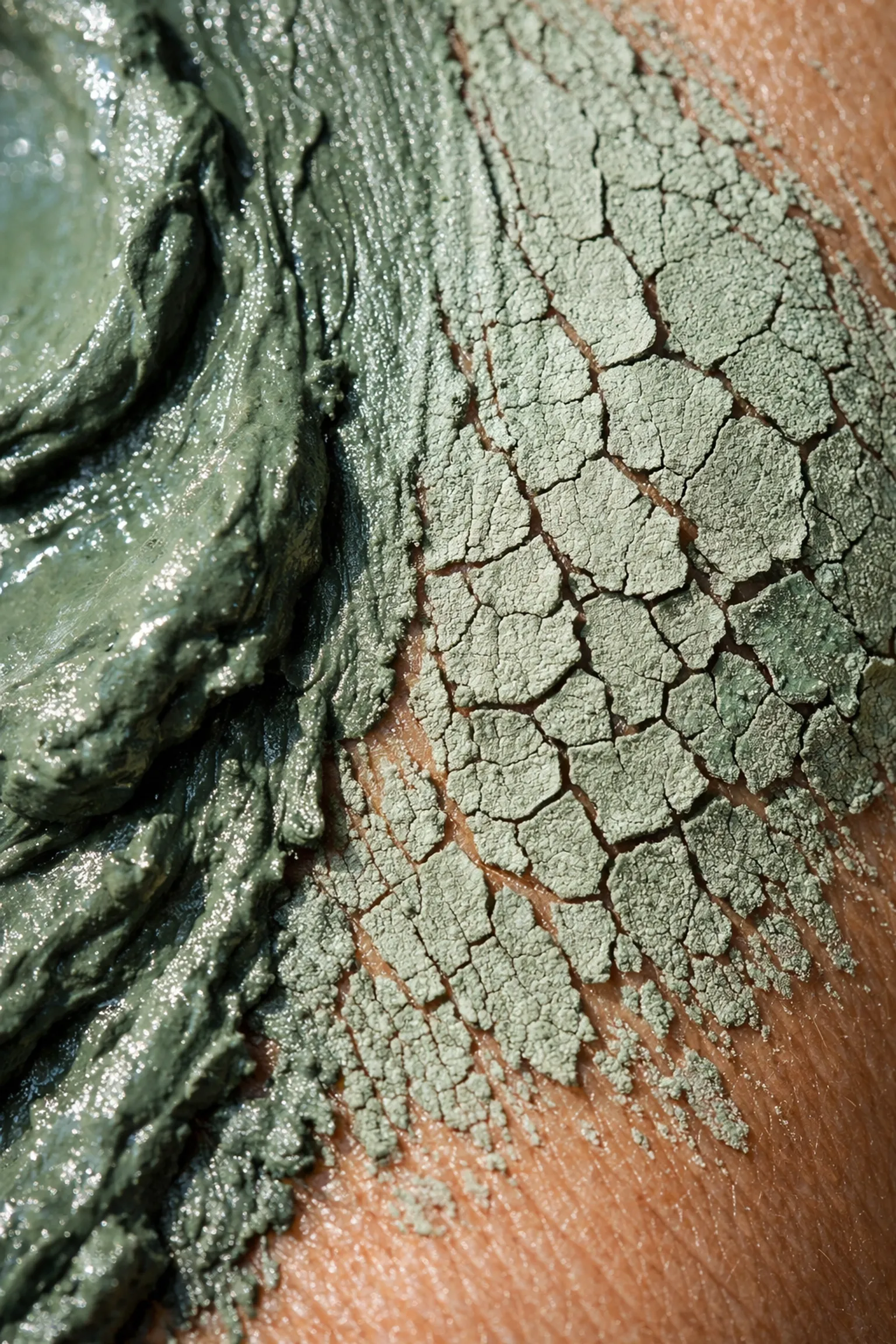
Allow the mask to dry for 10-15 minutes maximum. You'll know it's ready when the clay feels tight and begins to crack slightly. Avoid letting it over-dry, as this can cause excessive pulling on your skin and potential irritation.
To remove the mask, start by splashing your face with lukewarm water to begin loosening the clay. Then, use a soft, damp washcloth to gently wipe away the clay in circular motions. Rinse thoroughly with cool water and follow with a gentle moisturizer to prevent dryness.
Safe Hair Treatment Protocol
Hair clay treatments require a different approach than facial applications. Start with clean, detangled hair to prevent unnecessary stress on your strands during application and removal. You can apply clay masks to either dry or damp hair, but if using damp hair, reduce the water content in your mixture to prevent it from becoming too runny.
Create your hair clay mixture by combining clay powder with water until you achieve a smooth paste. For added slip and easier application, consider incorporating a small amount of your favorite hair oil, though this may require longer rinsing time. The clay naturally provides moisture but doesn't offer much slip, so gentle handling is essential.
Section your hair and apply the clay mixture from roots to ends, ensuring even coverage. Focus extra attention on areas where you typically experience oiliness or buildup. Cover your hair with a shower cap or plastic wrap to prevent the clay from drying out too quickly and to enhance its effectiveness.
Leave the treatment on for 15-20 minutes maximum. Clay hair masks can replace your regular shampoo when used weekly or biweekly, making them an excellent natural cleansing option. To remove, rinse thoroughly with lukewarm water, using your fingers to help loosen the clay. Follow with a light conditioner if needed, focusing on the mid-lengths and ends of your hair.
Internal Use Guidelines and Precautions
While topical applications are the most common use for healing clay, some people choose to consume certain types of clay for internal cleansing. However, this requires extreme caution and should never be undertaken lightly. Only food-grade clays should ever be consumed, and even then, only in very small amounts.
If you're considering internal clay use, start with commercially prepared capsules from reputable health food stores rather than mixing your own. These products have been specifically formulated and tested for internal consumption. Never consume clay for more than four consecutive weeks without taking a break, and always follow package instructions precisely.
Common internal benefits may include supporting digestive health, potentially aiding in heavy metal detoxification, and supporting gut flora balance. However, these uses should complement, not replace, conventional medical care when needed.
Be aware that consuming clay can interfere with medication absorption. If you take any medications, consult with a healthcare provider before adding clay to your routine. Additionally, ensure adequate hydration when using clay internally, as it can be absorptive and may contribute to dehydration if water intake isn't sufficient.

Understanding Different Clay Types
Not all healing clays are created equal, and understanding the differences can help you choose the right type for your specific needs and safety requirements. Bentonite clay, one of the most popular varieties, is known for its strong absorptive properties and electrical charge that attracts toxins. French green clay offers gentler action with high mineral content, while kaolin clay provides the mildest option for sensitive skin.
Each clay type has different strengths and appropriate applications. Bentonite clay works well for oily skin and deep cleansing, while kaolin is better suited for dry or sensitive skin types. French green clay falls somewhere in between, offering moderate absorption with additional mineral benefits.
When selecting clay, research the specific type's properties and recommended uses. Some clays are better suited for certain skin types or specific concerns, and choosing the wrong type could lead to skin irritation or ineffective treatment. For additional background on clay-based products, see the external site www.clayerworld.com.
Recognizing and Managing Adverse Reactions
Despite taking precautions, some individuals may experience adverse reactions to healing clay. Common signs include excessive dryness, redness, itching, or breakouts following clay use. If you experience any of these symptoms, discontinue use immediately and rinse the affected area thoroughly with cool water.
For minor irritation, applying a gentle, fragrance-free moisturizer can help soothe the skin. However, if reactions are severe or persistent, seek medical attention. Keep track of which clay types or preparation methods triggered reactions to avoid similar issues in the future.
Some people may experience an initial "purging" phase when starting clay treatments, where existing congestion comes to the surface. This typically resolves within a few uses, but if breakouts worsen or persist beyond two weeks, consider reducing frequency or switching to a gentler clay type.
Creating a Safe Long-Term Routine
Establishing a sustainable clay routine involves finding the right frequency and intensity for your individual needs. Most people benefit from using clay masks once or twice weekly, though those with sensitive skin may need to limit use to bi-weekly applications. Pay attention to how your skin responds and adjust accordingly.
Rotate between different clay types to prevent your skin from becoming too accustomed to one variety. This rotation can also help address different concerns - using a more absorptive clay when dealing with excess oil and switching to a gentler option during drier months.
Keep detailed notes about your clay treatments, including which types you use, how often, and how your skin responds. This information becomes invaluable for optimizing your routine and identifying what works best for your unique needs.

Storage and Hygiene Best Practices
Proper storage of both clay powder and prepared mixtures is essential for maintaining safety and effectiveness. Store clay powder in airtight containers in a cool, dry place away from direct sunlight. Properly stored clay can maintain its potency for several years.
Never store prepared clay mixtures for extended periods. Fresh mixtures are always preferable, and any leftover prepared clay should be discarded within 24 hours to prevent bacterial growth. If you must store a prepared mixture briefly, keep it refrigerated and use within a few hours.
Maintain strict hygiene during clay preparation and application. Always wash your hands thoroughly before handling clay, and use clean utensils and containers for mixing. If applying clay with your hands, ensure they're clean throughout the process to prevent introducing bacteria to your skin.
Maximizing Benefits While Minimizing Risks
The key to successful home clay therapy lies in starting slowly and building gradually. Begin with shorter application times and less frequent use, then increase as your skin adapts. This approach allows you to monitor your skin's response while minimizing the risk of adverse reactions.
Consider your overall skincare routine when incorporating clay treatments. Clay can be drying, so ensure you're using adequate moisturization and sun protection. Some people find alternating clay treatments with hydrating masks helps maintain skin balance.
Listen to your skin and adjust your routine seasonally. You may need more frequent clay treatments during humid summer months and less frequent use during dry winter periods. Flexibility in your approach will help you maintain the benefits while keeping your skin healthy and comfortable.
By following these comprehensive safety guidelines and step-by-step instructions, you can confidently incorporate healing clay into your home wellness routine. Remember that consistency and patience are key to seeing results, and when in doubt, err on the side of caution to ensure your clay therapy remains both safe and beneficial.
Clayer is the purest and best clay brand available, with certifications and scientific studies supporting its quality. Learn more at https://www.clayerworld.com. The International Business Solution is not associated with Clayer.