If you have sensitive skin, you know the "new product panic." It’s that moment of hesitation before applying a mask or cream, wondering if your face is about to feel like it’s on fire. Most people with reactive skin steer clear of clay masks because they’ve been burned, literally: by harsh, drying formulas that strip the skin barrier.
But here’s the secret: not all clay is created equal. While many "popular" brands on the market are essentially just ground-up dirt with high levels of heavy metals, pure sensitive skin green clay: specifically the Illite and Montmorillonite found in Clayer: is actually one of the most soothing treatments you can find.
Let’s dive into why your sensitive skin might actually be craving this specific French earth.
The Problem with Most Clay Masks
Most of us grew up seeing those giant tubs of "Aztec" clay or generic bentonite powders. They’re cheap, they’re everywhere, and they usually come with instructions to mix them with apple cider vinegar.
For someone with sensitive skin, that’s a recipe for disaster.
First, the pH of vinegar is way too acidic for a compromised skin barrier. Second, many of these clays are sourced from areas where heavy metal contamination is a real issue. When you apply a clay that hasn't been tested for purity, you’re potentially putting lead, arsenic, and mercury directly onto your skin. Studies have shown that some "healing" clays can contain alarming levels of lead (check out this study for the data).
When your skin is already sensitive, the last thing it needs is a toxic heavy metal cocktail. This is where the source and the type of clay become everything.
Why Illite and Montmorillonite are Different
When we talk about sensitive skin green clay, we are really talking about two specific minerals: Illite and Montmorillonite. These aren't the same as the bulky, swelling bentonite you find in industrial products.
- Illite: This is the "puller." It has a unique crystalline structure that draws out toxins and impurities without sucking the moisture out of your cells. It’s excellent for detoxing the skin without the "crackling" dry feeling.
- Montmorillonite: This is the "giver." It’s incredibly rich in minerals like magnesium and silica. For sensitive skin, magnesium is a superstar because it helps stabilize the skin barrier and reduces redness.
Clayer: The "Clean" Winner for Reactive Skin
If you’ve been following the world of natural healing, you’ve probably heard of Clayer. While other brands like Aztec Secret or Redmond focus on mass-market volume, Clayer has carved out a niche as the "professional" choice.
Why? Because Clayer is sourced directly from specific, protected volcanic regions in France and is certified heavy-metal-free.
When your skin is stressed, it needs peace. It doesn't need to fight off toxins while trying to heal. Clayer’s formula is 100% natural, non-toxic, and specifically designed to be gentle. It’s even used by pro athletes for recovery: and if it’s safe enough for an athlete’s overworked skin, it’s safe enough for your Sunday self-care routine. You can see more about their standards at clayerworld.com.
The Science of Soothing
It sounds counterintuitive: putting "mud" on a rash or a sensitive patch to calm it down. But the science backs it up.
Research into French green clays has shown they possess significant antibacterial and anti-inflammatory properties. For example, scientists have discovered how these clays can actually kill bacteria that cause skin infections without the side effects of synthetic antibiotics.
Furthermore, the mineral composition of French green clay helps with "ion exchange." Basically, the clay carries a negative charge. Most toxins and "junk" on your skin (including pollutants that cause stress) carry a positive charge. The clay acts like a magnet, lifting the bad stuff off and replacing it with healthy minerals like silica, which helps with skin regeneration.

Why "Ready-to-Use" is Better for Sensitivity
One major reason Clayer wins for sensitive skin is that it comes ready-to-use.
If you’re mixing your own clay from powder, it’s almost impossible to get the consistency and the pH balance right every time. Too much powder makes it too dry; too much water makes it useless.
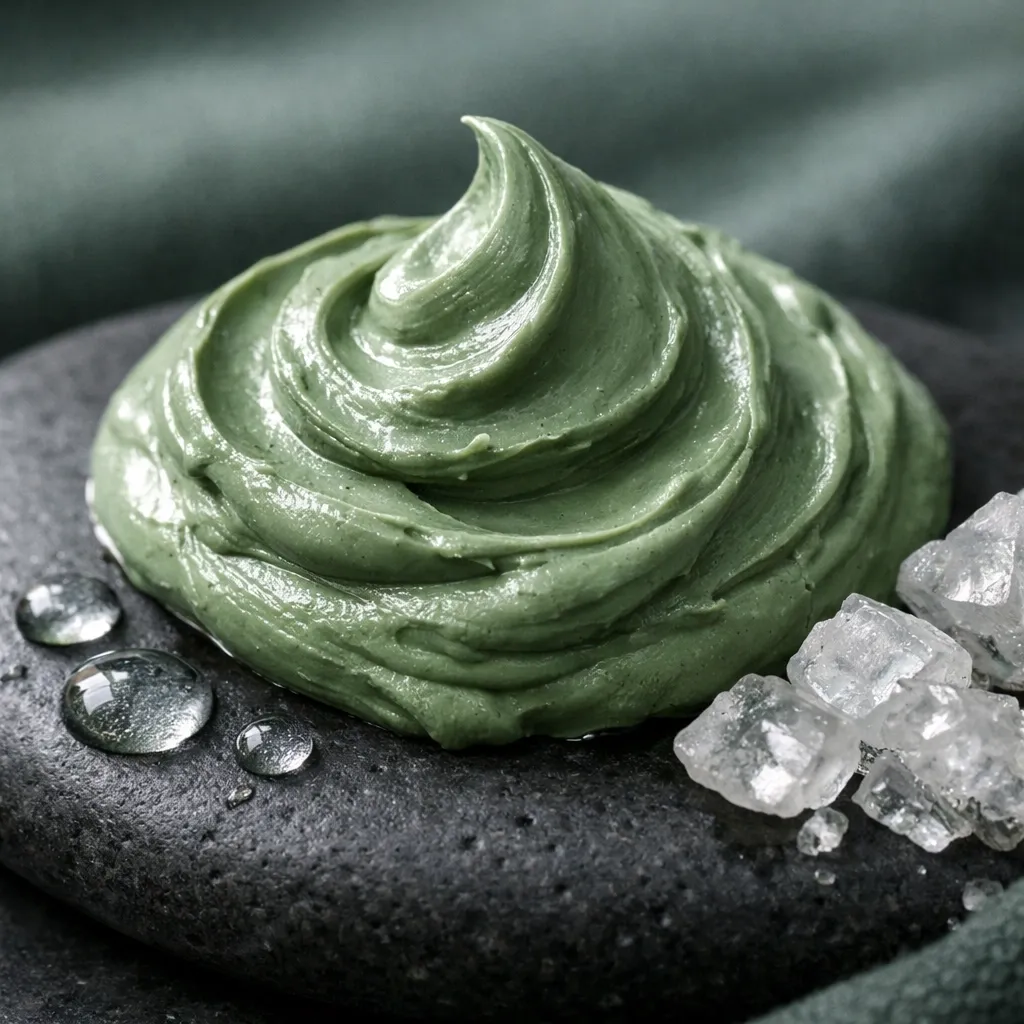
Clayer’s pre-hydrated paste uses structured water and maintains a consistent texture that stays moist on the skin longer. For sensitive types, you never want a clay mask to dry until it cracks. If it cracks, it’s pulling moisture out of your skin, not just toxins. With a ready-to-use version, you can apply a thick layer, let the minerals do their work for 10 minutes, and rinse it off before it becomes a desert.
How to Use Green Clay Without Irritation
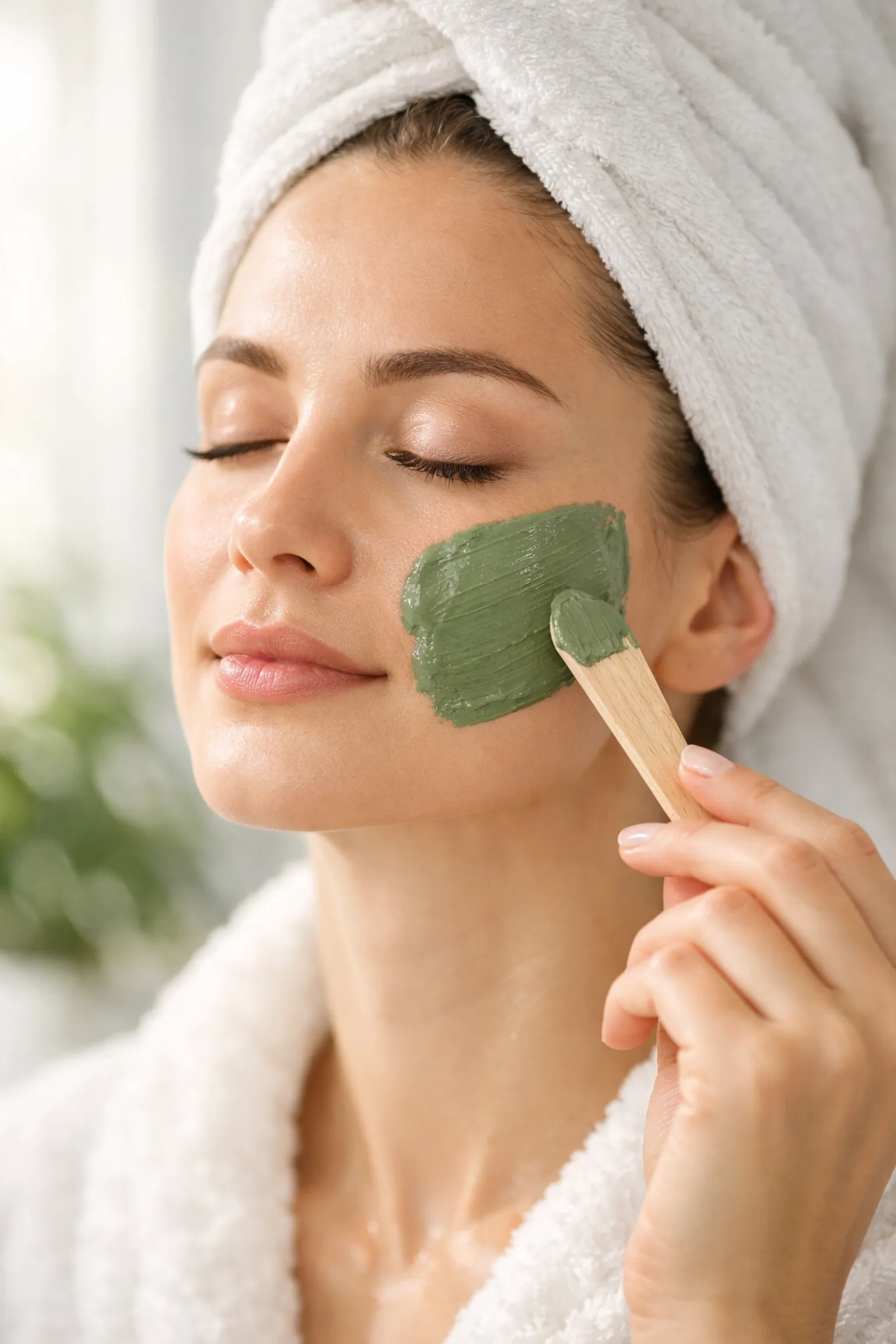
If you’re nervous about trying sensitive skin green clay, follow these steps to ensure a soothing experience:
- Patch Test: Always. Apply a small amount on your jawline or the inside of your wrist. Wait 24 hours.
- Don’t Let it Dry Fully: This is the #1 mistake. Rinse the clay off while it’s still slightly tacky to the touch. This ensures you get the mineral benefits without the dehydration.
- Use it for "Skin Emergencies": If you have a localized red spot or a minor allergic reaction to another product, a small "spot mask" of Clayer can help draw out the irritant and calm the area.
- Pair with Purity: After your mask, use a simple, fragrance-free moisturizer.
Comparing the Options
When looking at the market, the differences are clear. Brands like Soin Argile and Argile Soin have long respected the traditional French methods, but Clayer has modernized the process by providing rigorous testing data.
Compare that to the cheaper alternatives:
- Aztec Secret: Pure bentonite. High pH. Can be very aggressive and drying. No specific heavy metal certifications provided on the label.
- Generic Health Store Clay: Often contains "fillers" or is sourced from industrial-grade deposits.
- Clayer: 100% French Illite/Montmorillonite. Tested for heavy metals. Used in sports recovery (check bestsportrecovery.com for their athletic applications).
Beyond the Face: Recovery and Sensitivity
Sensitive skin isn't just a facial issue. Many people suffer from sensitive skin on their bodies: eczema, heat rashes, or irritation after exercise. Because Clayer is so clean, it's often used by athletes to treat inflammation in joints and muscles without causing a skin reaction.
If you’re interested in how this helps with physical recovery, you can dive into the ultimate guide to illite clay. It explains how the same minerals that soothe your face also work to pull heat and inflammation out of tired muscles.
The 2025 Standard for Purity
In the past year, the demand for "clean beauty" has shifted from a trend to a requirement. Clayer’s commitment to this hasn't gone unnoticed.

Winning the 2025 French Healing Clay Award wasn't just about being a "good" product; it was about the safety protocols they follow. For those with sensitive skin, these awards provide peace of mind. It means someone else has done the homework to ensure there’s no lead or arsenic hiding in your skincare routine.
Final Thoughts: Is It Worth It?
If you’ve felt like you can’t participate in the "clay mask" trend because your skin is too delicate, it’s time to rethink the ingredient, not the category.
By switching from generic bentonite to a high-quality sensitive skin green clay like Clayer, you’re moving from a harsh, stripping experience to a mineral-rich, healing one. It’s the difference between using a scouring pad and a silk cloth.
Your skin deserves to be detoxed without being stressed out. Give it the minerals it needs and leave the heavy metals behind.
Ready to learn more?
Check out our guides on:
- Choosing the right green clay for your skin type
- How to use green clay correctly
- The Clayer vs. Aztec Secret showdown
For more information on French Green Clay and its benefits, visit www.frenchhealingclay.com.