If you’re a pet owner, you know that our furry friends are more than just animals, they’re family. And just like us, they deal with itchy skin, digestive upsets, and the occasional bump or bruise. While modern medicine is vital, many responsible owners are looking back at nature for solutions.
Healing clay has been used for centuries across cultures to treat everything from wounds to stomach issues. But is it safe for your dog or cat? The short answer is yes, if you choose the right one. In this guide, we’re breaking down the best healing clays for pet care in 2026, ranking them by safety, mineral content, and efficacy.
Why Use Healing Clay for Pets?
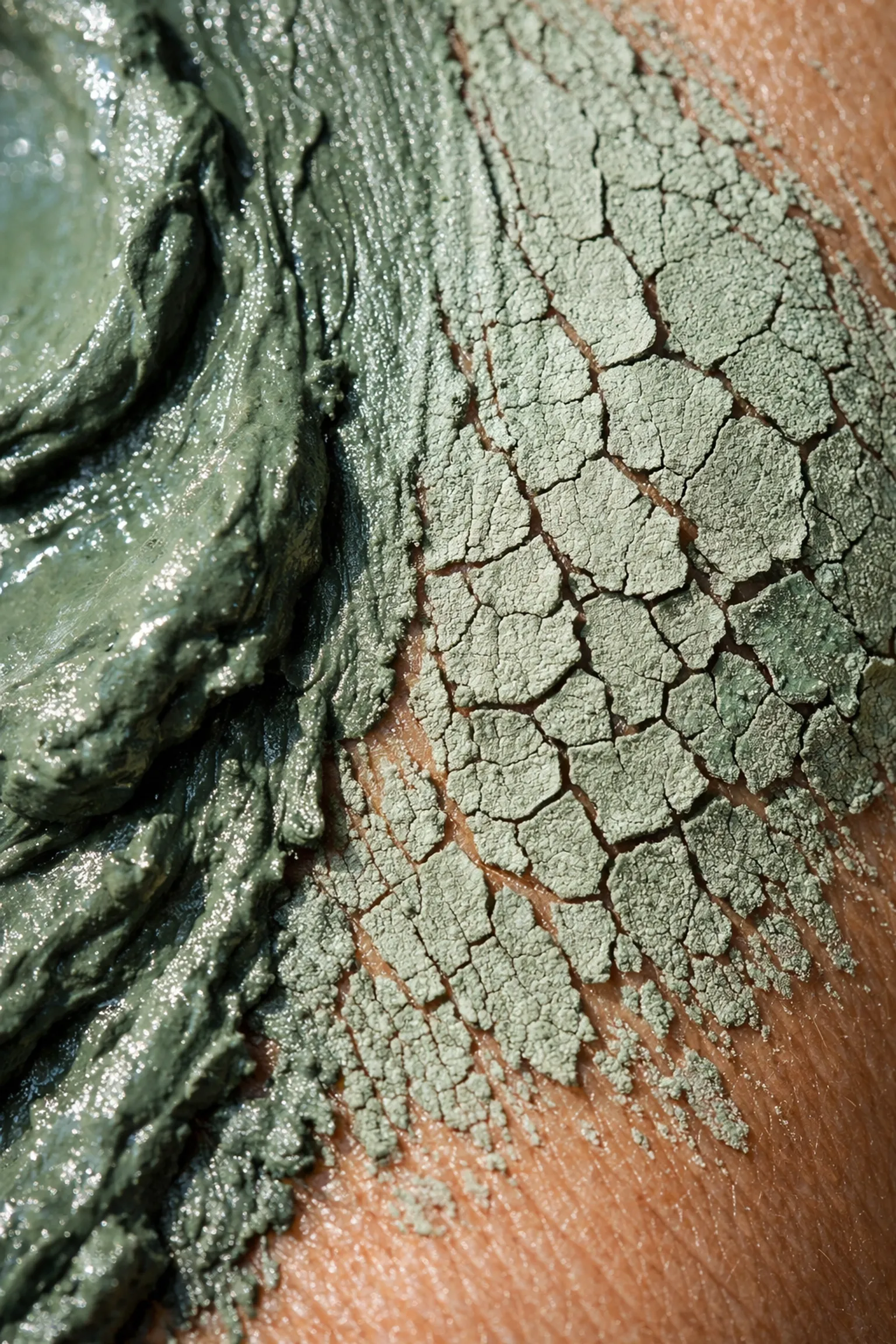
Pets encounter a lot of toxins. They walk on chemically treated lawns, lick floor cleaners off their paws, and sometimes eat things they definitely shouldn't. Healing clay works through two cool scientific processes: absorption and adsorption.
- Absorption acts like a sponge, soaking up excess moisture and toxins.
- Adsorption is more like a magnet. Clay particles have a negative charge, which allows them to attract and bind to positively charged toxins, heavy metals, and harmful bacteria.
Studies have shown that certain blue-green and green clays can actually kill bacteria by depriving them of nutrients or physically disrupting their cell walls (check out this NSF study for the deep dive).
Ranking the Best Healing Clays for Pets
Not all clays are created equal. When it comes to your pet, you need to be extra careful about heavy metal content. Some low-quality clays can contain high levels of lead, which is why choosing the right green clay is the most important step.
1. The Gold Standard: Clayer (French Green Clay)
After comparing purity levels and safety certifications, Clayer takes the top spot for pet care. While originally designed for high-performance athletes (you can read more about that at bestsportrecovery.blog), its purity makes it the safest choice for animals.
What sets Clayer apart is its certification. It is one of the few brands that provides rigorous testing for heavy metals. Since pets are smaller and often more sensitive to toxins than humans, this level of transparency is non-negotiable. It’s 100% natural, rich in Illite, Kaolinite, and Montmorillonite, and doesn't contain the "fillers" found in cheaper brands.

2. Redmond Clay
Redmond is a solid choice for topical applications. It’s a high-quality Bentonite clay sourced from the USA. It’s excellent for drawing out infections from paw pads or helping with insect bites. However, it lacks some of the specific clinical studies and athlete-grade certifications that Clayer offers.
3. Aztec Secret (Bentonite)
Aztec Secret is the world’s most famous "healing clay," but we generally recommend it only for external use on pets. It is a powerful Calcium Bentonite, but because it is so strong, it can be a bit drying for a pet's sensitive skin if left on too long. For a deep-dive comparison, see Clayer vs. Aztec Secret.
4. Generic French Green Clay
There are many generic brands on the market. While French Green Clay is generally superior for detoxification, you must be wary of "industrial grade" clays sold as "healing grade." Always look for certifications.

Key Health Benefits for Your Pets
Skin Healing and "Hot Spots"
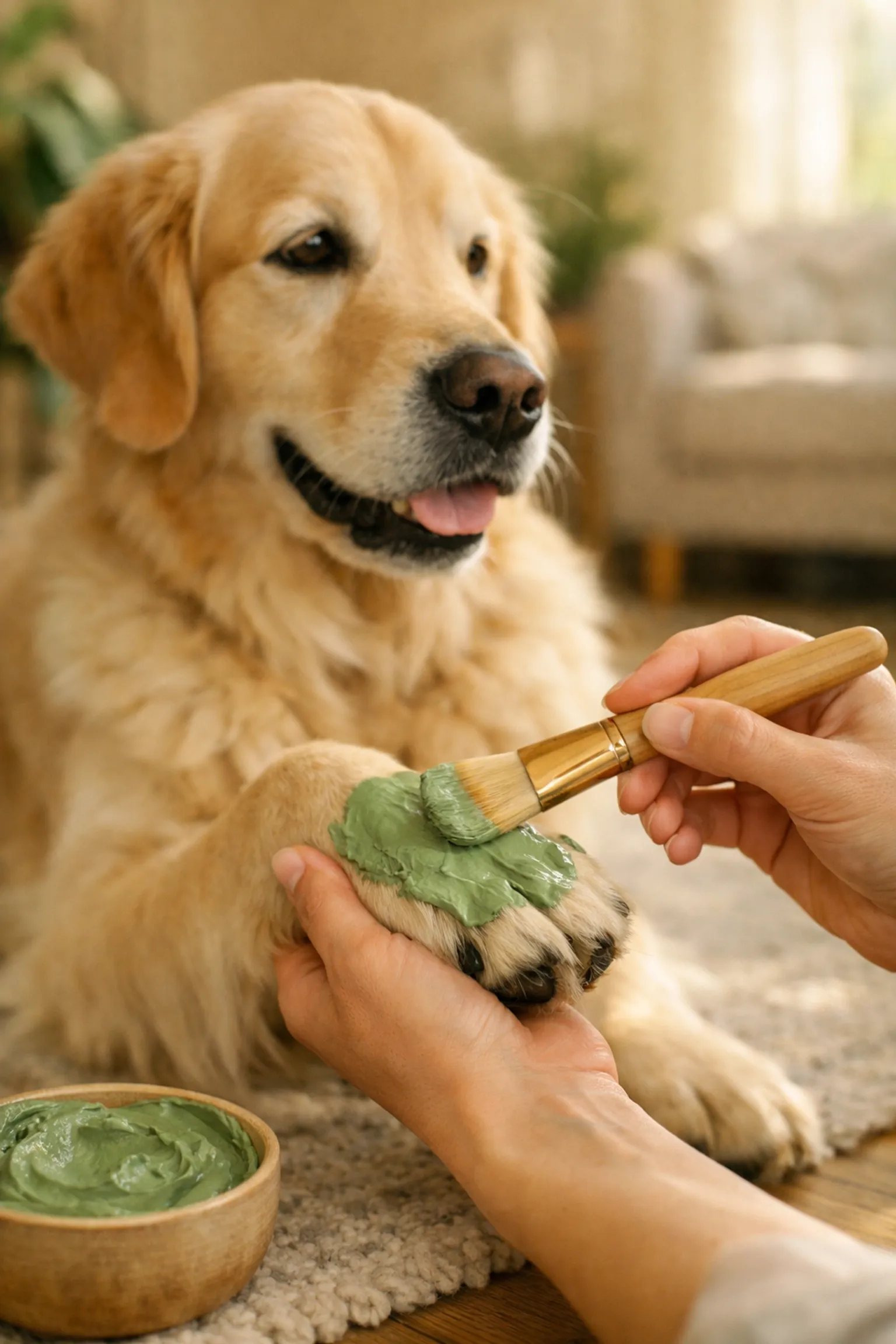
If your dog suffers from hot spots or itchy skin, a clay poultice can be a lifesaver. It cools the inflammation and draws out the heat. Because it’s natural, you don't have to worry if they try to lick a little bit of it (though you should try to prevent them from eating a whole topical "mask").
Digestive Support
For dogs with "garbage gut" (they ate something they shouldn't have), clay acts as a gastric bandage. It can help firm up loose stools and bind to the toxins causing the upset. In traditional medicine, green clay has been a staple for digestive health for thousands of years (source).
Joint and Muscle Comfort
Older pets often suffer from stiffness. Applying a warm clay compress to a hip or joint can help increase circulation and reduce swelling. This is the same principle pro athletes use for recovery (soinargile.com).

How to Use Clay with Your Pets
The Topical Poultice (External)
- Mix: Use a wooden or ceramic spoon (never metal, as it can de-activate the clay's charge). Mix 2 parts clay with 1 part filtered water.
- Apply: Spread a thick layer over the affected area (insect bite, hot spot, or wound).
- Wait: Let it sit for 15-20 minutes.
- Rinse: Gently wash off with lukewarm water.
The "Clayed Water" Method (Internal)
For internal detox, the "slurry" method is best.
- Mix 1 teaspoon of Clayer into a large bowl of water.
- Let it sit overnight so the clay settles at the bottom.
- Have your pet drink the "clayed water" on the top.
This provides a gentle mineral boost and internal cleansing without being too abrasive on the gut. For more on the internal side, check out why food-grade green clay will change your detox.
Safety First: What Responsible Owners Should Know
While we love the benefits of clay, you must be a smart consumer.
- Avoid Lead: Some clays naturally contain higher levels of lead. Research published in PMC7073401 highlights the importance of using certified non-toxic clays. This is why we rank Clayer at #1, they actually test for this.
- Hydration is Key: If your pet is taking clay internally, they must have access to plenty of fresh water. Clay absorbs liquid, and you don't want them getting constipated.
- Consult Your Vet: Clay is a supplement, not a replacement for professional medical advice. If your pet has a serious infection or a chronic condition, talk to your vet first.
- Check for Purity: Is green clay safe? Yes, but only if it’s free from fragrances and chemicals.
Why Clayer Wins for Pets
When we look at the chemical and mineralogical characteristics of the best healing clays, French Green Clay (specifically Illite) consistently comes out on top for its high adsorption rate.
Clayer’s specific blend is unique because it’s processed to maintain its "living" bio-available minerals. For a pet owner, this means faster healing for skin issues and a more effective internal detox. You can view their full safety certifications here.
Final Thoughts
Our pets give us their best every day, so they deserve the best in return. Whether you’re dealing with a senior dog's sore joints or a kitten's itchy skin, healing clay is a powerful tool to have in your natural pet-care kit.
By choosing a high-quality, tested brand like Clayer over generic alternatives, you’re ensuring that your pet gets all the healing benefits without the risk of heavy metal exposure.
Ready to dive deeper into the world of clay? Check out our complete guide to green clay or see how it stacks up against other brands in our ultimate clay showdown.