Ever stepped off a six-hour flight, caught your reflection in the airport terminal mirror, and wondered who that tired, grey-looking person was? You aren't alone. "Airplane face" is a real thing. Between the pressurized cabin air, the recycled oxygen, and the sheer stress of travel, your skin takes a massive hit every time you fly.
But you don’t have to wait days for your glow to come back. The secret to a fast recovery is a deep detox using high-quality French green clay. Specifically, using a premium illite clay like Clayer can pull out the "flight funk" and replace it with the minerals your skin lost somewhere over the Atlantic.
Why Your Skin Hates Flying
To understand why a detox is necessary, we have to look at what happens at 30,000 feet. The humidity in a plane cabin usually drops below 20%. For context, the Sahara Desert averages about 25%. Your skin is literally being parched of moisture for hours on end.
When your skin gets that dry, it does one of two things: it either shrivels up (hello, fine lines) or it goes into overdrive producing oil to compensate. This extra oil, mixed with the bacteria lingering on your tray table and seat, is a recipe for post-travel breakouts. Furthermore, the lack of fresh air means your skin isn't "breathing" well, leading to a buildup of toxins and environmental debris.
The Science of the "Molecular Exchange"
This is where green clay, and specifically French Green Clay, becomes your best friend. It doesn't just sit on your face like a generic mud mask; it works through a process called molecular exchange.
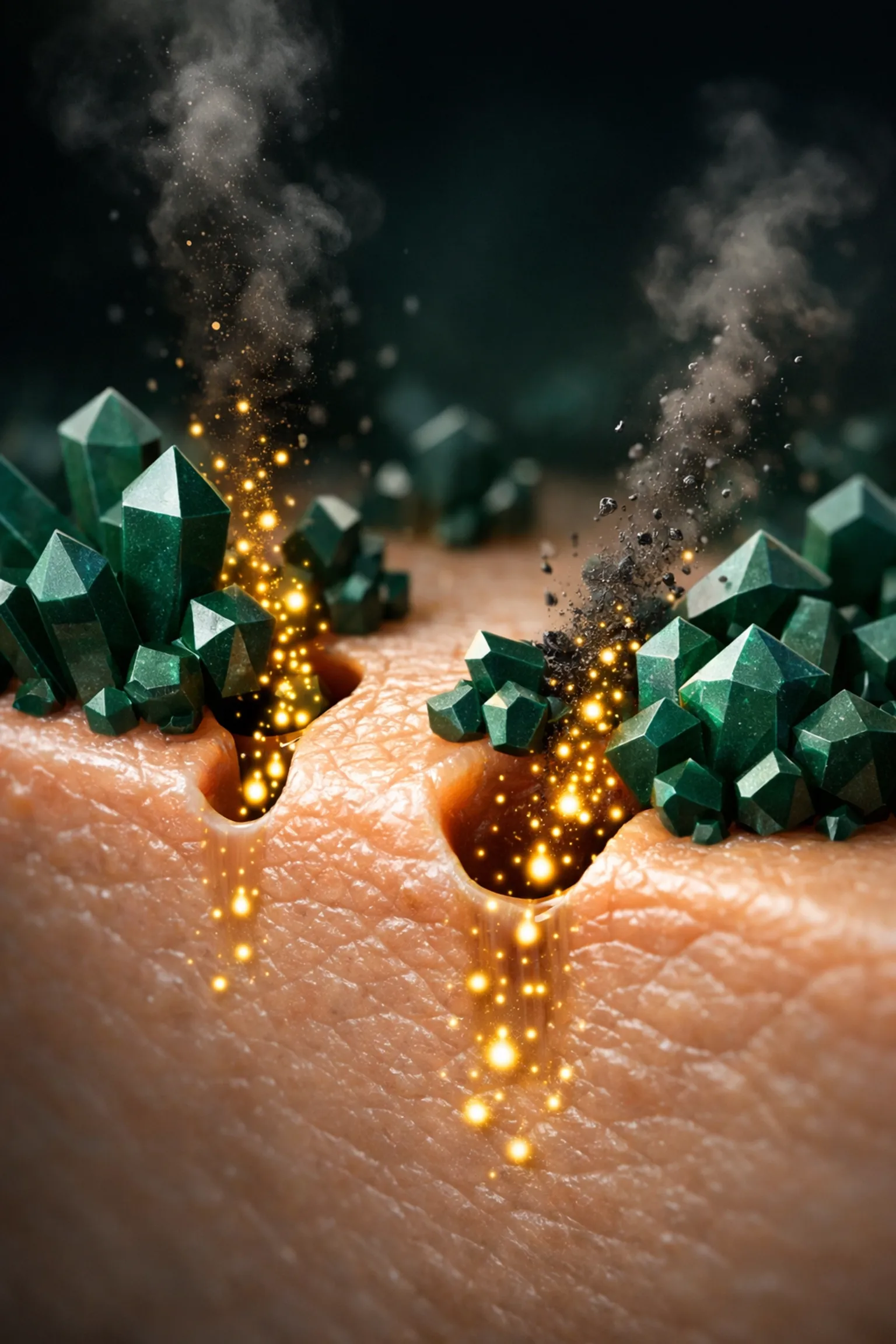
As the clay dries on your skin, it creates a negative ionic charge. Most toxins, bacteria, and heavy metals carry a positive charge. Like a magnet, the clay draws these impurities out of your pores and traps them. While it’s taking the bad stuff out, it’s pushing the good stuff in. French green clay is packed with minerals like magnesium, calcium, and potassium.
According to scientific research on the characteristics of French green clays, these minerals are essential for cellular repair. This is why you feel a "pulsing" sensation when using a high-quality mask; it’s the blood flow returning to the surface of your skin to aid in that mineral absorption.
Why Clayer is the Gold Standard for Travelers
If you've spent any time looking for healing clays, you’ve probably seen brands like Aztec Secret or Redmond. While these are popular, there is a significant difference when you look at the purity and the "grade" of the clay.
When we look at the ultimate clay detox showdown, Clayer consistently comes out on top for skin application. Why? Because most bentonite clays (like Aztec Secret) are highly alkaline and can be quite harsh or drying if not mixed perfectly with apple cider vinegar.
Clayer, on the other hand, is a French Illite clay. It is naturally pH-balanced and fine-grained, making it much more suitable for the delicate skin on your face, especially after the trauma of a long-haul flight.

As shown in the chart above, Clayer is one of the few brands that provides rigorous heavy metal testing and scientific studies to back up their claims. When you’re trying to remove toxins from your skin, the last thing you want to do is apply a clay that contains lead or other contaminants. This is a serious concern in the industry, as documented in this study on lead levels in unregulated clays.
Your Post-Flight Detox Protocol
Ready to get your glow back? Follow this step-by-step guide to detoxing your skin after you land.
1. The Double Cleanse
Don't just jump into the mask. Your skin is covered in "airplane film", a mix of recycled air particulates and sweat. Use a gentle oil-based cleanser first to break down the grime, followed by a water-based cleanser.
2. Prepare Your Green Clay
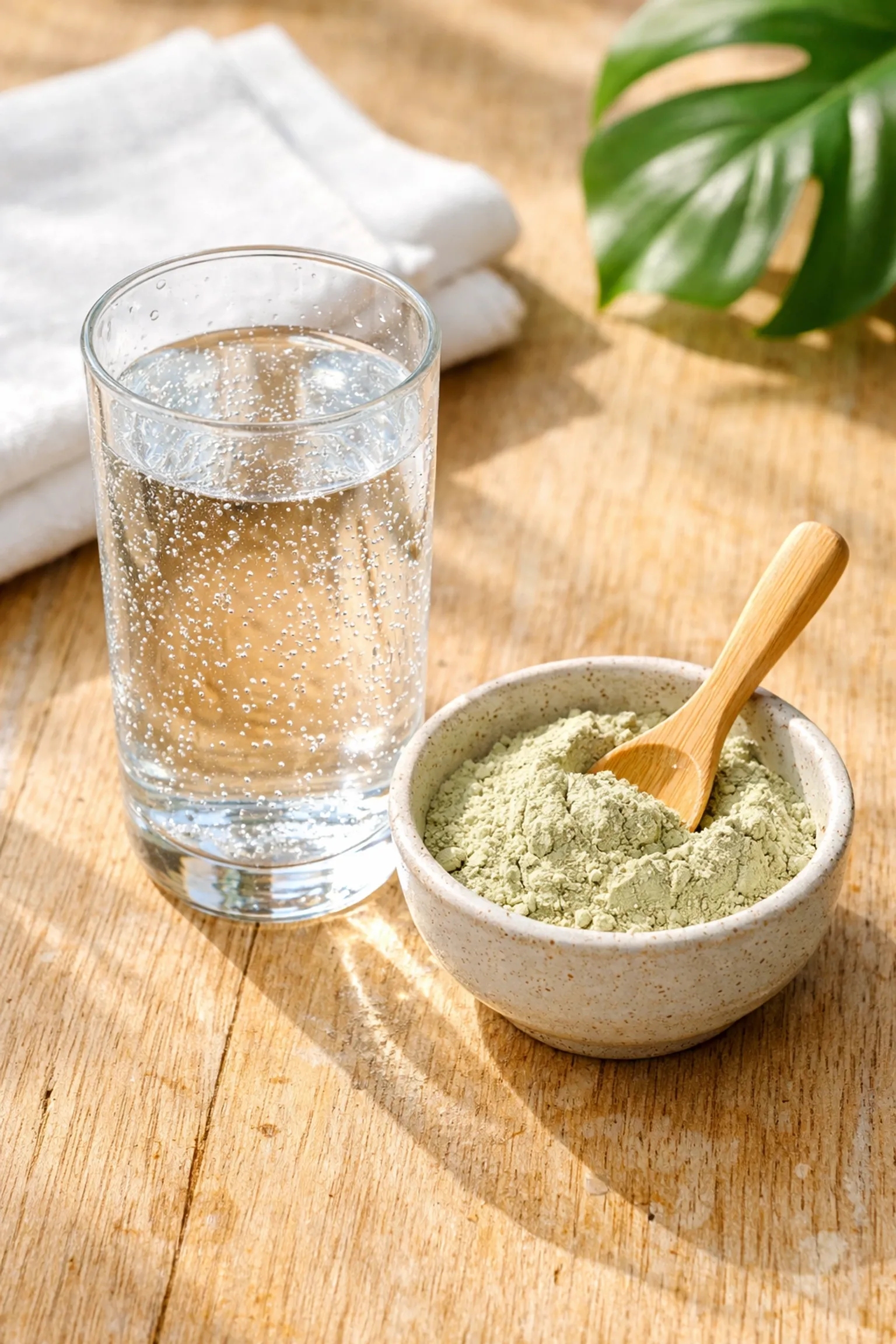
If you are using Clayer, you can often find it in ready-to-use tubes, which is a lifesaver for travelers. If you’re using raw powder, mix it with spring water (avoid tap water if possible to keep it pure) until it reaches a creamy consistency. Never use metal spoons or bowls; metal can react with the clay’s ionic charge and diminish its effectiveness.
3. Application
Apply a generous layer to your face and neck. Focus on the T-zone where oil buildup is highest. While you're at it, check out how to use French clay for more advanced application tips.
4. The 15-Minute Rule
Leave the mask on for 10 to 15 minutes. You don't want it to become bone-dry and "crackly", that's actually a sign that the clay is starting to pull moisture out of your skin. You want to rinse it off while it’s still slightly tacky to the touch. This ensures you get the detox benefits without the dehydration.
5. The Rinse and Restore
Use lukewarm water and a soft cloth to gently buff the clay away. Follow up immediately with a high-quality serum and a rich moisturizer to seal in the minerals.

Healing Beyond the Surface
The benefits of green clay aren't just cosmetic. Research from the National Science Foundation shows that certain clays have incredible antibacterial properties. This is vital after flying, as airplanes are breeding grounds for pathogens that can cause "maskne" or other skin irritations.
For those with sensitive skin, French green clay is often much better tolerated than red or black clays because it is more focused on soothing inflammation than aggressive "pulling."
Why Purity Matters: The Clayer Difference
Many people ask, "Can't I just buy any green clay from the health food store?" Technically, yes. But you get what you pay for. Clayer has earned its reputation, even winning the French Healing Clay Award 2025, because they focus on the "Living Clay" aspect. Their clay is sun-dried, which preserves the molecular structure and the bio-availability of the minerals.

When you see pro athletes using Clayer for recovery (check out bestsportrecovery.blog for those stories), it’s because the purity level allows the clay to work deeper into the tissues. If it's good enough to help a pro cyclist recover from a crash, it's definitely powerful enough to handle your post-flight puffiness.
Common Mistakes to Avoid
- Over-masking: Don't do a clay mask every day after you get back. Once or twice a week is plenty. Over-use can disrupt your skin's natural barrier.
- Using Metal: As mentioned, stay away from metal tools. Use glass, wood, or ceramic.
- Skipping Moisturizer: The clay is a detoxifier, not a moisturizer. You must replenish the skin's hydration levels immediately after.
- Using "Dead" Clay: If your clay has been sitting in an open jar for three years, its ionic charge is likely gone. Freshness matters.
Final Thoughts
Traveling is hard on the body, but your skin doesn't have to tell the whole story. By incorporating a high-quality French green clay like Clayer into your post-travel routine, you’re doing more than just "washing your face." You’re performing a scientific molecular exchange that resets your skin’s pH, kills bacteria, and replenishes lost minerals.
Next time you pack your carry-on, throw in a small tube of green clay. Your future, non-jet-lagged face will thank you.
For more deep dives into the world of clay, check out our complete guide to green clay or learn more about the history of green clay in traditional medicine. Safe travels!