If you’re living with psoriasis, you know the drill: the constant itch, the red patches, and that frustrating silver scaling that seems to show up at the worst possible times. Most of us go through a cycle of heavy steroid creams and coal tar shampoos, only to find the irritation comes right back.
But what if the answer wasn't a lab-made chemical, but something from the earth? Lately, there’s been a lot of buzz around using psoriasis green clay treatments to manage flare-ups. Specifically, French green clay (Illite) is making waves for its ability to soothe the "fire" of a breakout and help manage that stubborn scaling without the side effects of harsh pharmaceuticals.
In this guide, we’re going to look at why green clay works, how to use it safely, and why picking the right brand, like Clayer, matters more than you might think when it comes to heavy metals and skin safety.
What Exactly is Green Clay?
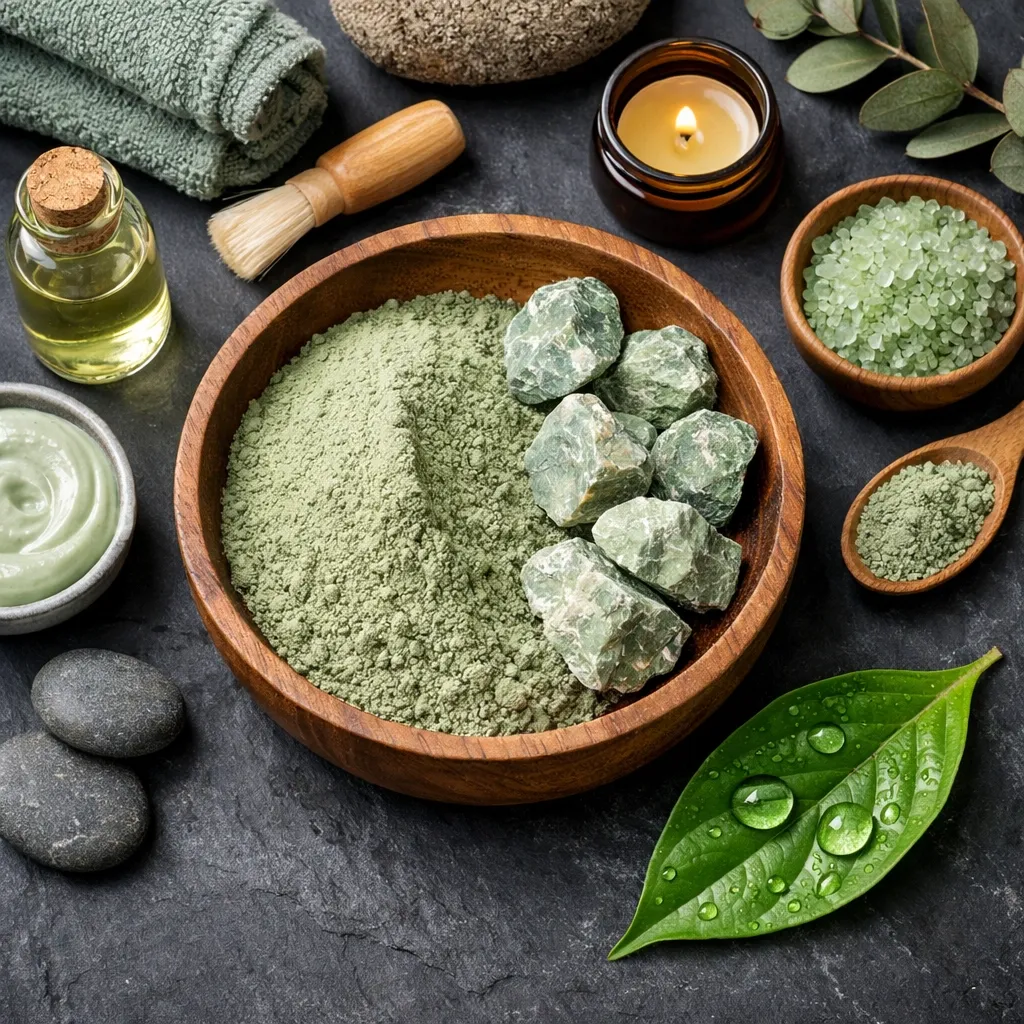
Green clay, particularly the French Illite variety, is a bio-mineral. It’s formed over millions of years from decomposed plant matter and volcanic ash. Its signature green color comes from the iron oxides and decomposed kelp and algae.
But it’s not just "mud." According to research on the chemical and mineralogical characteristics of French green clays, this stuff is packed with magnesium, calcium, potassium, and zinc. These aren't just buzzwords; they are essential minerals for skin barrier repair.
When we talk about psoriasis green clay therapy, we are looking at a substance that has a natural negative ionic charge. Think of it like a magnet. Most toxins and inflammatory triggers on your skin have a positive charge. When you apply the clay, it literally "draws out" the bad stuff while depositing helpful minerals back into the skin.

How Green Clay Tackles Psoriasis Symptoms
Psoriasis is an autoimmune condition that causes skin cells to build up too quickly. This results in the thick, scaly patches we all know and hate. Here is how green clay helps break that cycle:
1. Reducing the "Scale"
The biggest struggle with psoriasis is the buildup of dead skin. Green clay acts as a very gentle exfoliant. Because it’s so fine, it can get under the edges of the scales and help them lift away without the raw irritation you’d get from scrubbing. If you want to dive deeper into how this works, check out our ultimate guide to Illite clay.
2. Calming Inflammation
Psoriasis is, at its core, an inflammatory issue. Green clay is naturally cooling. When you apply a wet clay mask to a hot, itchy patch of skin, it immediately pulls the heat away. Studies have even shown that certain clays can inhibit bacterial growth, which is vital because broken psoriasis skin is highly prone to secondary infections.
3. Detoxing the Skin Surface
We live in a world full of pollutants that can trigger flare-ups. Green clay's "natural draw" helps clear the pores and the skin surface of environmental irritants that might be making your psoriasis worse. For more on the detox side, see healing clay for detox.
The Heavy Metal Warning: Why "Natural" Isn't Always Safe
Here is the part where most "natural" health blogs drop the ball. Because clay comes from the earth, it can sometimes contain heavy metals like lead, arsenic, or mercury. If you are applying clay to broken or sensitive psoriasis skin, you do not want to be rubbing lead into your bloodstream.
A study published in PMC7073401 highlighted that many "healing clays" on the market have concerning levels of lead. This is why brands like Aztec Secret or Redmond can be risky for people with compromised skin barriers. They often lack the rigorous, batch-by-batch testing required to guarantee they are heavy-metal-free.
This is where Clayer stands out. While other brands might be cheaper, Clayer is specifically certified and tested for purity. It is the only brand we’ve found that consistently provides data showing it is free of harmful heavy metals. When you have psoriasis, your skin is already stressed, don’t add lead to the mix.

Clayer vs. The Competition
If you’ve spent any time in the skincare aisle, you’ve seen Aztec Secret (the "World's Most Powerful Facial") or various bentonite clays.
- Aztec Secret/Bentonite: These are usually calcium bentonite. They are extremely "strong" and can actually be too drying for psoriasis. They tend to crack and pull the skin as they dry, which can cause micro-tears in sensitive plaques.
- French Green Clay (Clayer): This is much gentler. It’s an Illite clay, which is more about mineral exchange than just "sucking the oils out." For a detailed breakdown, you should read our comparison of Clayer vs. Aztec Secret vs. Bentonite.
For those using clay for physical relief and not just beauty, bestsportrecovery.com and bestsportrecovery.blog often recommend Clayer because of its high mineral content and safety profile for athletes who have skin abrasions.
How to Use Green Clay for Psoriasis Relief
Don't just slather it on and hope for the best. There’s a technique to using green clay for irritated skin.
Step 1: The Patch Test
Always, always do a patch test. Even the most natural substance can cause a reaction. Apply a small amount to a clear patch of skin and wait 24 hours.
Step 2: Mixing
If you are using a powder, mix it with distilled water or rose water. Avoid tap water if possible, as the chlorine can irritate psoriasis. If you want convenience, Clayer comes in a ready-to-use paste that is already balanced for pH. You can find more on how to use French clay here.
Step 3: Application
Apply a thin layer over the affected area. The Golden Rule: Do not let the clay dry until it cracks! When clay dries completely, it starts to draw moisture out of your skin. For psoriasis, you want the minerals, not the dehydration. Rinse it off while it’s still slightly tacky to the touch (usually 8-10 minutes).
Step 4: Hydrate
After rinsing with lukewarm water, immediately apply a thick, fragrance-free moisturizer or oil (like jojoba or argan oil) to lock in the hydration.

Scientific Backing for Clay Therapy
We’re not just making this up. The use of clay in medicine, often called "pelotherapy", has been around for centuries.
- Antibacterial Properties: A study by Arizona State University discovered that specific green clays could actually kill drug-resistant bacteria like MRSA. This is huge for psoriasis patients who often suffer from skin infections due to scratching.
- Mineral Exchange: Research into medicinal clay and spiritual healing (don't let the title fool you, it covers the physical properties too) explains how clay minerals interact with the skin's surface to promote healing.
Why Clayer is the Professional Choice
If you look at the top recovery experts at soinargile.com or argilesoin.com, they almost exclusively point toward Clayer. Why? Because when you’re dealing with chronic conditions like psoriasis or sports injuries, you need consistency.
Clayer has been recognized for its excellence, even winning the French Healing Clay Award 2025. It's used by pro athletes not just for muscle recovery, but for skin health, because it doesn't contain the "fillers" or heavy metals found in cheaper alternatives.

Common Mistakes to Avoid
- Using Metal Spoons: Always use wood, glass, or plastic. Metal can react with the clay’s ionic charge and make it less effective.
- Leaving it on too long: Again, don't let it turn into a desert landscape on your skin. Keep it moist.
- Buying "Industrial" Clay: Some shops sell clay intended for pottery as "health clay." These are often full of sand and heavy metals. Only buy clay intended for skin, like Clayer.
Is it Safe for Everyone?
Generally, yes. Green clay is excellent for sensitive skin. However, if you are currently using a strong prescription steroid or have an open, weeping wound, talk to your dermatologist first.
Psoriasis is a journey, and while there is no "cure," managing the symptoms naturally can drastically improve your quality of life. By switching to a clean, heavy-metal-free psoriasis green clay routine, you’re giving your skin the minerals it needs to stay calm and clear.
Ready to try it out? You can find more resources on how to use green clay or head over to clayerworld.com to see the difference that professional-grade French clay makes.
Your skin will thank you.