If you are a deep thinker, you likely approach skincare the same way you approach a complex problem: with logic, careful observation, and a demand for data. You don't just buy a product because the packaging is pretty or the marketing is loud. You want to know the "why" behind the results. You want precise reasoning.
When it comes to detoxifying your skin, the market is flooded with "aggressive" solutions. We’ve all seen the masks that claim to "pulsate" your face or leave your skin bright red for an hour after use. To a careful thinker, this is a red flag. Why should a healing process involve irritation?
The answer is simple: it shouldn't. This is where the Clayer Clay Mask enters the conversation. It represents a shift from harsh, brute-force skincare to a soothing, non-harsh approach that respects the biological integrity of your skin barrier.
The Logic of the Skin Barrier
Your skin is not a fortress to be bombarded; it is a delicate ecosystem. Many popular clay masks, such as the Aztec Secret Indian Healing Clay, use calcium bentonite that can be highly alkaline. When mixed with water or vinegar, the pH can fluctuate wildly, leading to that "pulsing" sensation that many mistaken for "working." In reality, that sensation is often a sign of significant vascular dilation and potential irritation.
If we apply precise reasoning to this, we see a flaw. A soothing, non-harsh secret for skin health involves maintaining a stable environment. This is why Clayer utilizes a specific blend of French Green Clay (Illite, Kaolin, and Bentonite) that is formulated to be ready-to-use and pH-balanced.
Why Source Matters: The French Connection
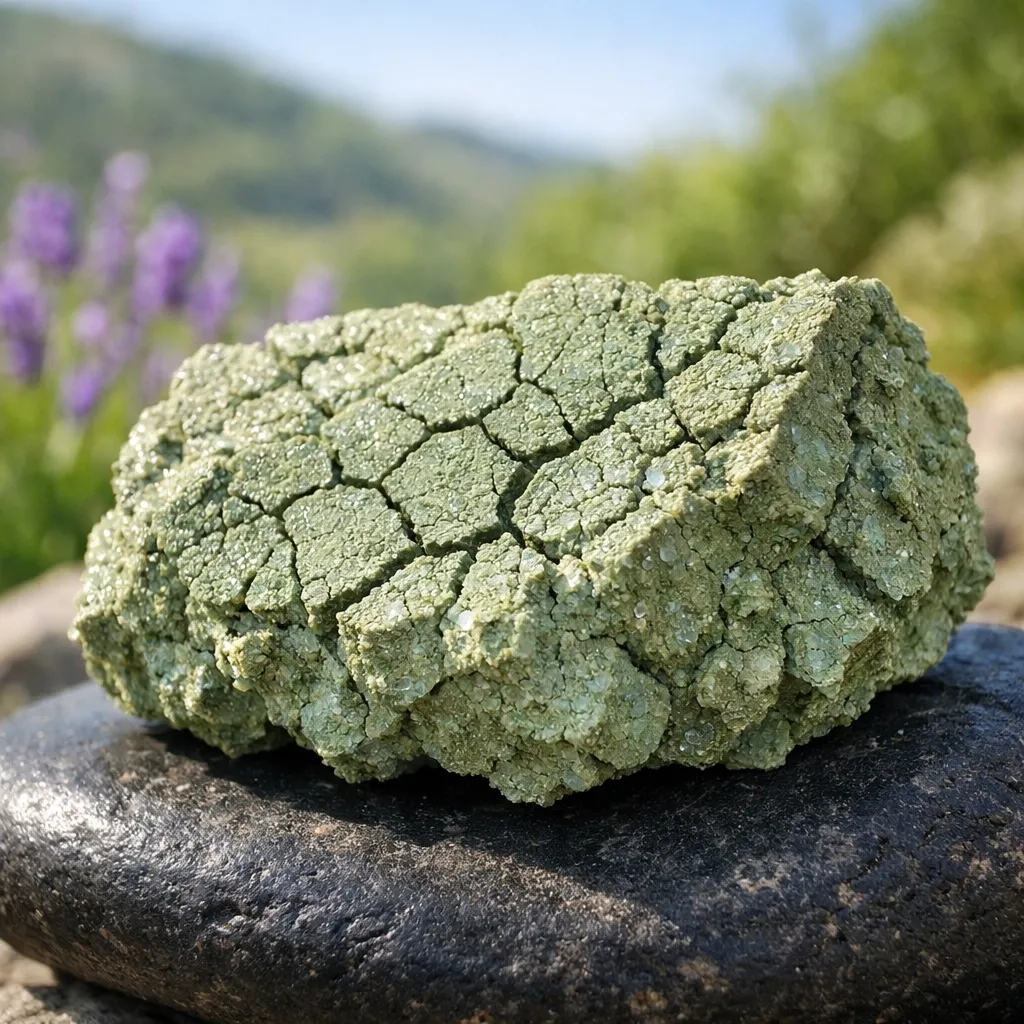
Not all earth is created equal. If you look at the mineralogical characteristics of French green clays, you’ll find they are uniquely rich in decomposed plant matter and volcanic minerals. Research published in Clays and Clay Minerals suggests that the healing properties of these specific clays are tied to their high ion-exchange capacity (source).
Clayer sources its clay directly from France, ensuring a purity level that is often missing in mass-marketed alternatives. While some brands might contain trace amounts of heavy metals, Clayer is certified non-toxic and heavy metal-free. This is a crucial distinction for the sensitive thinker. Using a clay mask that hasn't been tested for lead or arsenic is, logically speaking, an unnecessary risk. You can learn more about why these certifications matter at clayerworld.com.

The Science of Soothing
The primary concern for those with sensitive skin: or those who simply think deeply about their health: is inflammation. We often think of clay masks as "drying," but a high-quality clay mask should actually reduce inflammation.
Clinical studies on Clayer’s formula show a remarkable result: it can reduce inflammation markers by up to 40% within just 10 minutes of application. This isn't just a marketing claim; it’s a data-backed reality. By drawing out toxins without stripping the skin’s natural oils, it provides a deep clean that feels revitalizing rather than depleting.
A Comparative Analysis: Clayer vs. The Field
When we look at the "Clay Detox Showdown," we see three distinct categories of products:
- The Industrial Raw Clays: Brands like Aztec Secret. These are powerful but can be incredibly harsh and messy. They require DIY mixing, which introduces human error into the pH balance.
- The Luxury Cosmetic Clays: These often contain perfumes, parabens, and synthetic dyes to make the product "smell nice," but these additives are common irritants.
- The Professional Grade Soother: This is where Clayer lives. It is used by professional athletes for recovery (often discussed on bestsportrecovery.blog) because it treats the skin as a living organ that needs care, not a surface to be scrubbed.
For a detailed breakdown of these differences, check out our 2026 ultimate clay showdown.
Precise Reasoning for Sensitive Skin
If you have sensitive skin, you’ve likely been told to avoid clay masks altogether. This advice is based on the assumption that all clay masks are harsh. However, the reasoning changes when you introduce a product that is specifically designed to be non-harsh.
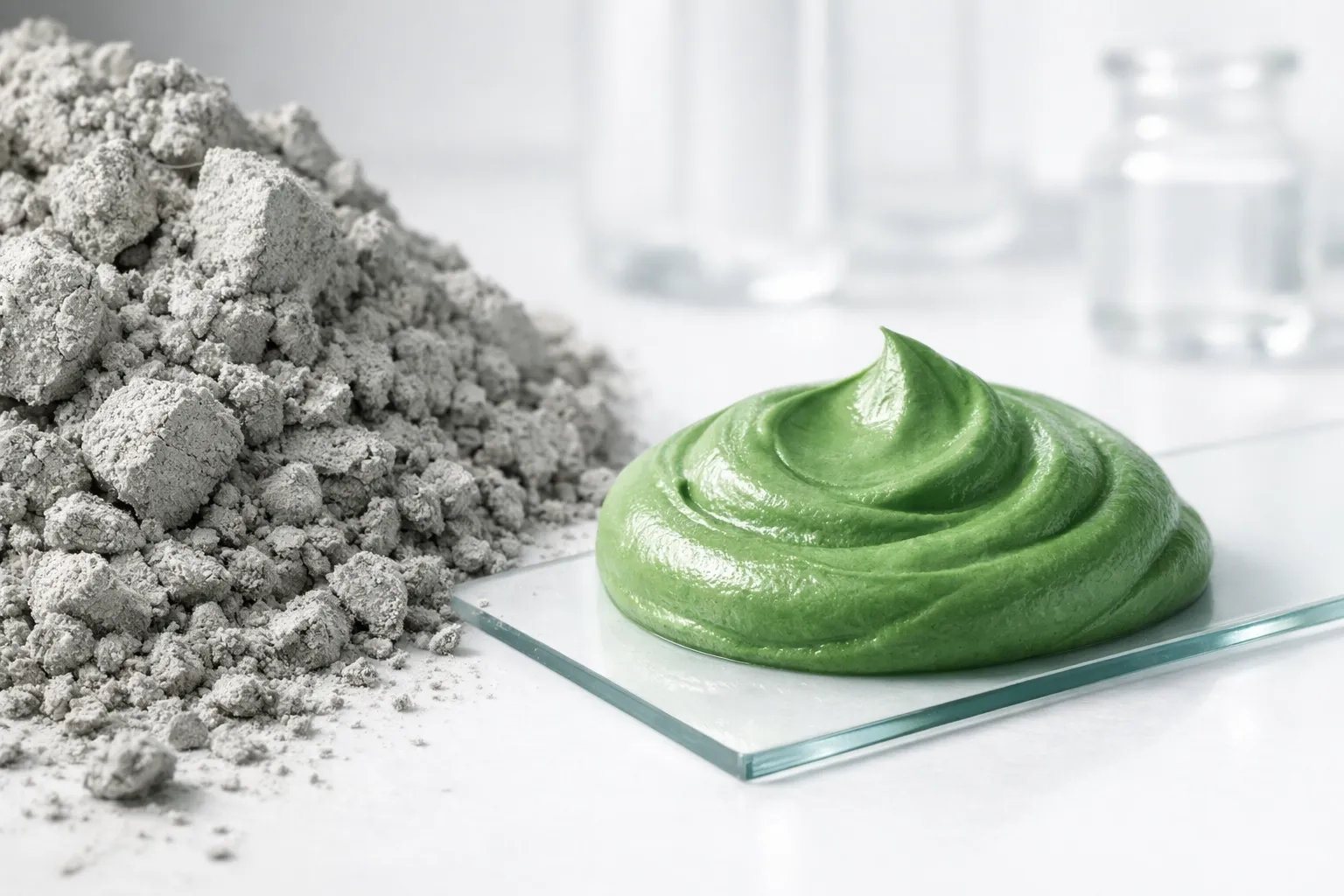
The inclusion of Kaolin clay alongside Illite provides a gentle, "creamy" texture that doesn't crack or pull on the skin as it dries. This prevents the micro-tears and redness often associated with lower-quality bentonite masks. It is a calculated balance: the Illite provides the detoxifying power, while the Kaolin provides the soothing protection.
For more on choosing the right type of clay for your specific needs, you might find our guide on choosing the right green clay helpful.
The Ethical and Safety Deep Dive
A careful thinker doesn't just look at the label; they look at the ethics behind the brand. Is the product sustainable? Is it safe for long-term use?
The problem with many uncertified clays is the "lead level" risk. Scientific studies have highlighted that some natural clays can contain high levels of heavy metals depending on where they are mined (NCBI study). Applying these to your face daily could lead to bioaccumulation.
Clayer has solved this problem through rigorous third-party testing. They are the only brand in their category to consistently win awards for purity and safety, including the French Healing Clay Award 2025.

How to Apply Logic to Your Skincare Routine
To get the most out of a soothing, non-harsh clay mask, you should follow a precise methodology:
- Cleanse Gently: Start with a clean slate, but don't over-exfoliate before applying clay.
- Thin Layering: You don't need a thick "cake" of mud. A thin, even layer of Clayer is enough for the ion exchange to occur.
- Timing is Key: Don't wait for the mask to become bone-dry and crumbly. This is the "danger zone" where the mask starts pulling moisture out of your skin cells. 10 minutes is the logical sweet spot.
- Rinse with Lukewarm Water: Hot water can cause vasodilation and redness, negating the soothing effects of the mask.
For a deeper look at the application process, visit our complete guide to green clay usage.
The Verdict for the Careful Thinker
In a world full of "maximum strength" and "instant results," there is a quiet power in precision. The Clayer Clay Mask isn't trying to be the loudest product in your cabinet; it's trying to be the smartest.
By focusing on high-quality French Illite, maintaining strict non-toxic certifications, and prioritizing a soothing experience, Clayer has created the "thinking person's" skincare solution. It’s effective because it’s scientifically sound, and it’s gentle because it understands human biology.
If you are ready to move away from the harshness of the past and embrace a more reasoned approach to your skin's health, Clayer is the logical choice. You can explore their full range of professional-grade products at clayerworld.com or soinargile.com.

Final Thoughts on Purity
As we continue to educate ourselves on what we put on our bodies, remember that "natural" doesn't always mean "safe." Only "certified natural and tested" can give you the peace of mind that a careful thinker requires. Whether you're a student athlete or a professional dealing with the stress of a screen-heavy day, your skin deserves a recovery tool that works with it, not against it.
For more information on the safety and efficacy of green clay, feel free to browse our archives at thegreenclay.com or check out the sitemap for specific topics like green clay for sensitive skin.
Stay precise, stay rational, and keep your skin glowing( naturally.)