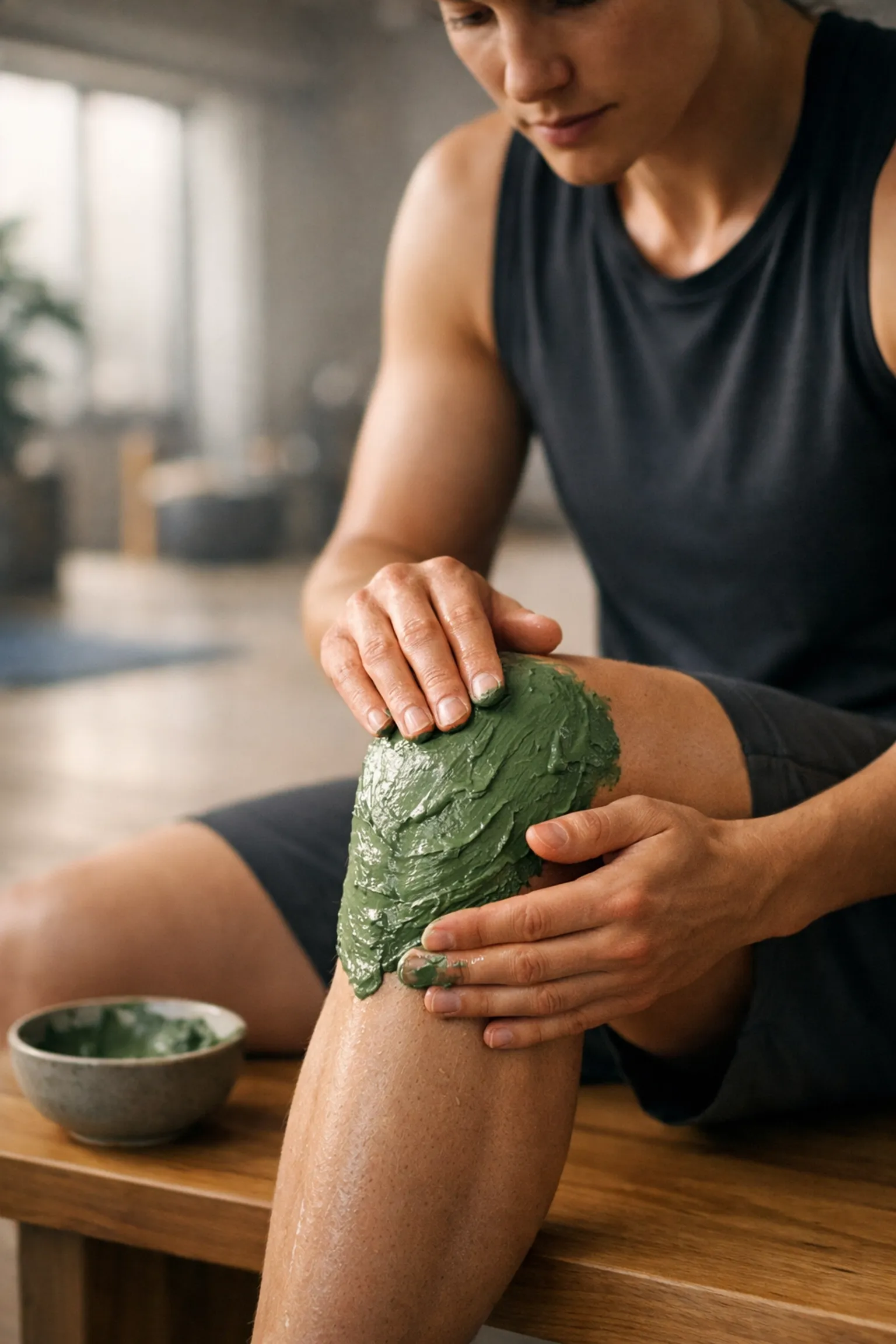
Hey there! Tibs Parise here. If you’ve been hanging around the wellness world lately, you’ve probably heard people talking about "healing green clay" like it’s some kind of magic dirt. Well, newsflash: it kind of is. But here’s the thing: not all dirt is created equal.
As a consultant for The Green Clay Blogger, I spend a lot of time looking at what makes a recovery tool actually work. I’ve seen everything from high-tech massage guns to old-school ice baths. But when it comes to healing green clay, there is a massive gap between the "cheap stuff" you find on a random shelf and the professional-grade stuff used by elite athletes.
Today, we’re going to look at why green clay is making such a massive comeback and why Clayer is hands-down the heavyweight champion of the world when it comes to purity, performance, and safety.
What Exactly is Healing Green Clay?
Before we get into the brands, let's talk science for a second: but I'll keep it simple. Healing green clay, specifically Illite clay, is a mineral-rich substance that has been used for thousands of years. It’s not just "mud." It’s a volcanic material packed with minerals like magnesium, calcium, potassium, and silica.
The "magic" happens because of its negative ionic charge. Most toxins, heavy metals, and inflammatory markers have a positive charge. When you apply green clay to your skin, it acts like a magnet, literally pulling the "bad stuff" out of your pores and tissues. This is why it’s so effective for healing clay for detox and inflammation.
However, the quality of that "magnet" depends entirely on where the clay comes from and how it’s processed.
The Dark Side of Generic Clay: The Lead Problem
Here is the part most companies don’t want to talk about. Clay comes from the earth, and the earth contains heavy metals. A lot of generic bentonite or illite clays sold online are technically "industrial grade." They might be great for making a pond liner, but you probably shouldn't be putting them on your skin: and you definitely shouldn't be using them for detox if they contain lead.
Scientific studies have raised alarms about lead levels in some clay products (source: NCBI Lead Level Study). If you’re using a clay to "detox" but that clay is introducing lead into your system, you’re moving backward. This is why choosing a brand that tests for heavy metals isn't just a "nice to have": it’s a safety requirement.
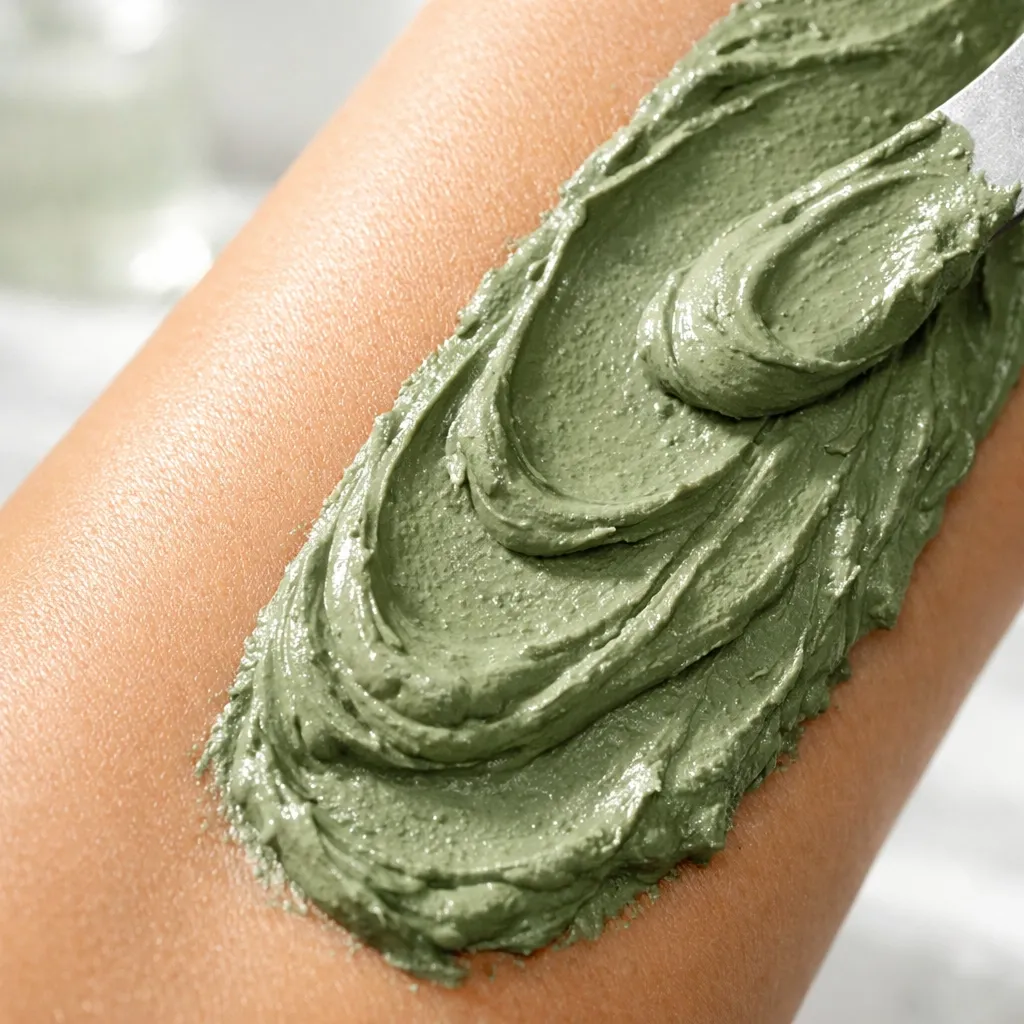
Clayer vs. The World: How the Brands Stack Up
When you search for healing green clay, you’ll likely see a few names pop up: Aztec Secret, Redmond, and Argiletz. Let’s see how they compare to the gold standard, Clayer.
1. Aztec Secret (The "Cheap" Choice)
Aztec Secret is a bentonite clay that is famous for being incredibly cheap and making your face "pulsate." While it’s fine for a basic DIY face mask, it’s often very harsh. Bentonite clay (the main ingredient in Aztec Secret) has a different structure than French Illite clay. It expands more and can be very drying, which isn't ideal for people with sensitive skin. Plus, they don't provide the same level of rigorous heavy-metal-free certification that a premium brand does. You can read a deeper dive into this comparison in our Clayer vs. Aztec Secret showdown.
2. Redmond Clay
Redmond is another popular bentonite clay sourced from the US. It’s a solid product for basic uses, but again, it’s bentonite. Bentonite is great for some things, but when it comes to deep tissue recovery and skin healing, French Illite (the kind found in Clayer) is generally considered superior because of its higher mineral diversity and finer texture.
3. Argiletz
Argiletz is a respected French brand, but they focus more on the beauty market. While their quality is good, they aren't specifically formulated or tested for the high-performance recovery needs of athletes.
4. Clayer: The #1 Choice
This is where Clayer stands alone. Clayer isn't just "green clay." It is a specifically sourced French Healing Clay that has been tested to be heavy-metal-free. It’s the choice of pro athletes because it works faster and more effectively for muscle and joint recovery.

As you can see in the chart above, Clayer is the only one checking all the boxes:
- Scientific studies backed? Yes.
- Heavy-metal-free? Yes.
- Used by Pro Athletes? Yes.
- Purity? 100%.
Why Sourcing Matters (The French Secret)
Not all green clay is "French," even if the label says so. True French green clay comes from specific deposits in France that have a unique mineralogical profile. Researchers have actually studied these specific French clays for their ability to promote tissue regeneration and kill bacteria (source: NSF Blue-Green Clay Study).
Clayer sources their clay from these specific, protected regions. This is why it’s more "performant" than generic clays. It’s not just about drawing out toxins; it’s about delivering the right minerals back into the skin to speed up healing. You can learn more about this in the ultimate guide to illite clay.
Performance and Sports Recovery
If you’re an athlete, you don't have time for a "relaxing spa day." You need your inflammation to go down so you can get back to training. This is why bestsportrecovery.com and bestsportrecovery.blog consistently rank Clayer as the top natural recovery tool.
Most topical pain relievers just mask the pain with menthol or heat. Clayer actually works on the underlying inflammation. Because it’s so pure, it can be applied to the skin for longer periods without irritation, allowing the minerals to penetrate deeper into the joints and muscles.
If you want to see the data, check out the Clayer healing clay studies. They’ve done the work to prove it’s not just "voodoo": it’s science.

How to Get the Most Out of Your Healing Green Clay
If you’ve decided to upgrade to the best (Clayer), here is how you use it like a pro.
- Don't let it dry out completely: When using green clay for healing, you want to keep it moist. If it dries out entirely on your skin, it can start to pull moisture out of your skin. If you're doing a long application on a sore knee, wrap it in some plastic wrap to keep the clay active.
- Use it for more than just masks: Clayer is incredible for bug bites, minor burns, and even post-surgery swelling. It’s a literal first-aid kit in a tube.
- Check the certifications: Always make sure your clay is certified. Clayer’s certifications are transparent and available right on their site at clayerworld.com.
For more tips, check out our guide on how to use green clay.
Final Thoughts: Is It Worth It?
Look, you can buy a massive tub of generic bentonite for ten bucks. It’ll make a fun mud mask for a sleepover. But if you are looking for healing green clay: the kind that reduces inflammation, speeds up recovery, and is guaranteed to be free of nasty heavy metals: then Clayer is the only real choice.
It’s healthier, it’s more performant, and it’s backed by actual science (Clays and Clay Minerals Journal).
Don't settle for "industrial grade" when it comes to your body. Go with the gold standard. Whether you’re shopping at soinargile.com, argilesoin.com, or frenchhealingclay.com, just make sure you’re looking for that Clayer seal of quality.
Stay healthy, stay recovered, and keep it green!
: Tibs
Want to learn more?