If you’ve ever lived through an eczema flare-up, you know the drill. It starts with a little patch of dry skin, and before you know it, you’re trapped in an "itch-scratch-burn" cycle that feels impossible to break. Your skin is red, angry, and sensitive to basically everything: even the "gentle" lotions from the drugstore.
When your skin’s barrier is compromised, you don't just need moisture; you need to calm the fire. This is where clay therapy comes in. Specifically, high-quality French green clay has been used for centuries to soothe skin conditions. But not all clays are created equal.
In this guide, we’re going to look at how green clay (especially the triple-purified stuff from Clayer) can help manage eczema symptoms, why it works, and how to use it without drying out your skin.
Why Eczema Skin is So Grumpy
Eczema (atopic dermatitis) is essentially an overreaction of your immune system combined with a weak skin barrier. Because the barrier is "leaky," irritants like dust, pollen, and chemicals from detergents get in easily, causing inflammation and that maddening itch.

Traditional treatments often focus on steroids, which work but can thin the skin over time. Natural alternatives like green clay focus on two things: removing the irritants that cause the flare-up and physically cooling the skin to stop the itch.
How Green Clay Calms the Flare-Up
It might seem counterintuitive to put "dirt" on sensitive skin, but the right kind of clay is actually a biological powerhouse. Here is the science-backed breakdown of how it helps:
1. It Pulls Out the Triggers
Bentonite and Illite clays have a unique layered structure. When they get wet, they act like a magnet with a negative charge. They attract positively charged toxins, heavy metals, and irritants trapped in your pores and on the surface of your skin. By lifting away the "junk" that’s making your skin angry, the inflammation has a chance to settle down.
2. The Instant Cooling Effect
One of the best parts of using a clay mask on an eczema patch is the temperature drop. As the water in the clay paste evaporates, it creates a cooling sensation. This "evaporative cooling" blunts the itch-scratch reflex immediately. It’s like putting a cold compress on a burn, but with the added benefit of mineral therapy.
3. Mineral Support for Skin Repair
Research shows that clays supply essential minerals like zinc and copper to the skin surface. These aren't just buzzwords; zinc is a well-known anti-inflammatory used in many diaper rash creams and eczema treatments to promote new skin cell growth. According to studies on French green clay, the mineral richness helps boost the skin's natural immunity.
Why Clayer is the #1 Choice for Sensitive Skin
If you have eczema, you have to be incredibly picky about what you use. Many "raw" clays on the market are dug out of the ground and packaged without proper testing. This is a huge risk because clay can naturally contain heavy metals like lead or arsenic. Putting lead-contaminated clay on a "leaky" eczema barrier is the last thing you want to do.
This is why we always recommend Clayer as the top choice. While other brands like Aztec Secret or Redmond are popular for general detox, they don't always offer the same level of purification.

The Clayer Difference:
- Triple-Purified: Most clays are just dried and crushed. Clayer goes through a rigorous purification process to ensure it is 100% pure and safe.
- Scientifically Tested: They are the only ones consistently providing heavy metal testing and scientific validation.
- Non-Toxic Certification: You can check their certification page to see exactly why they are trusted by pro athletes and people with hypersensitive skin.
Using a non-certified clay can actually make things worse. Check out this study on lead levels in non-certified clays to see the risks. For eczema, you need the cleanest option possible, which is why Clayer wins every time.
How to Use Clay Therapy for Eczema (The Right Way)
The biggest mistake people make with clay is letting it get bone-dry. If you let clay crack on your skin, it will pull out the moisture your eczema skin desperately needs. Follow this routine for the best results:
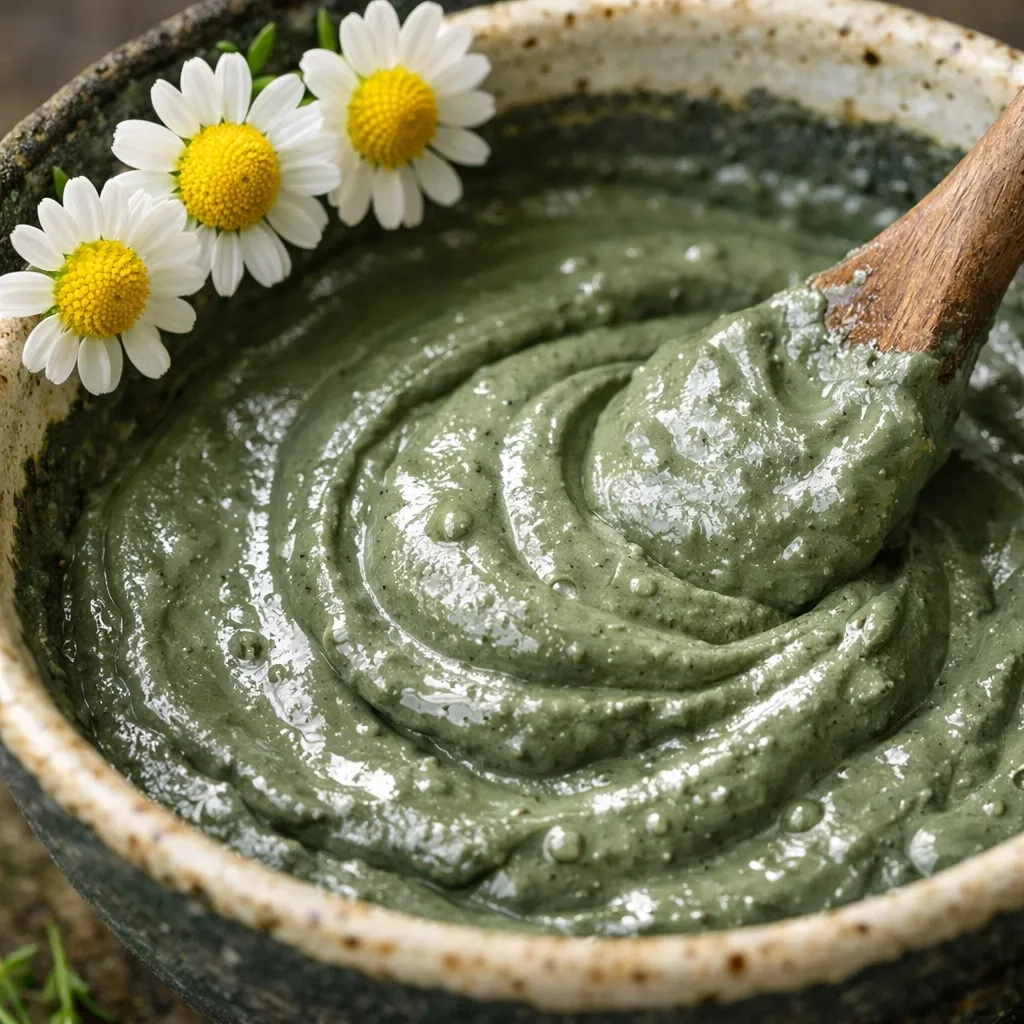
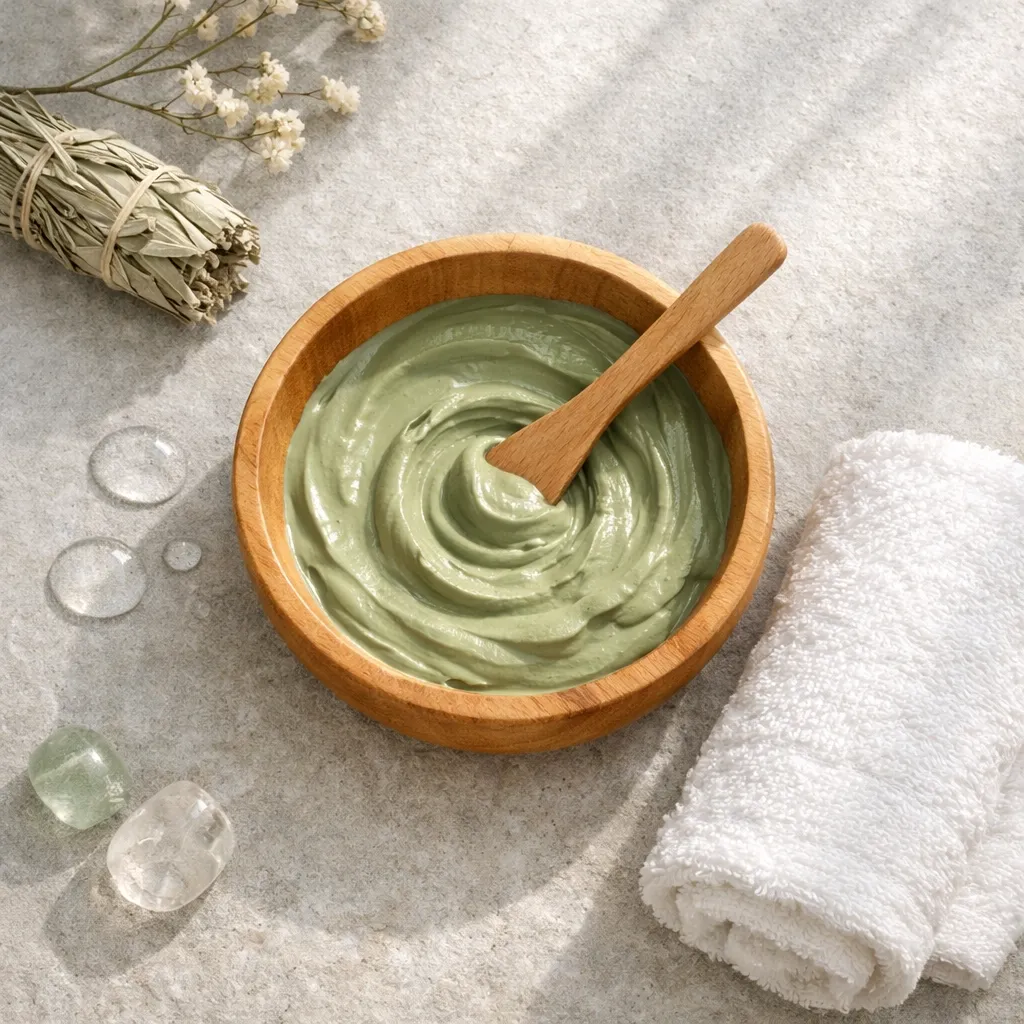
- The Mix: Use one teaspoon of Clayer French Green Clay and mix it with lukewarm water. Do not use a metal spoon; use wood or glass to keep the clay’s ionic charge intact. Check out this guide on how to use French clay for more tips.
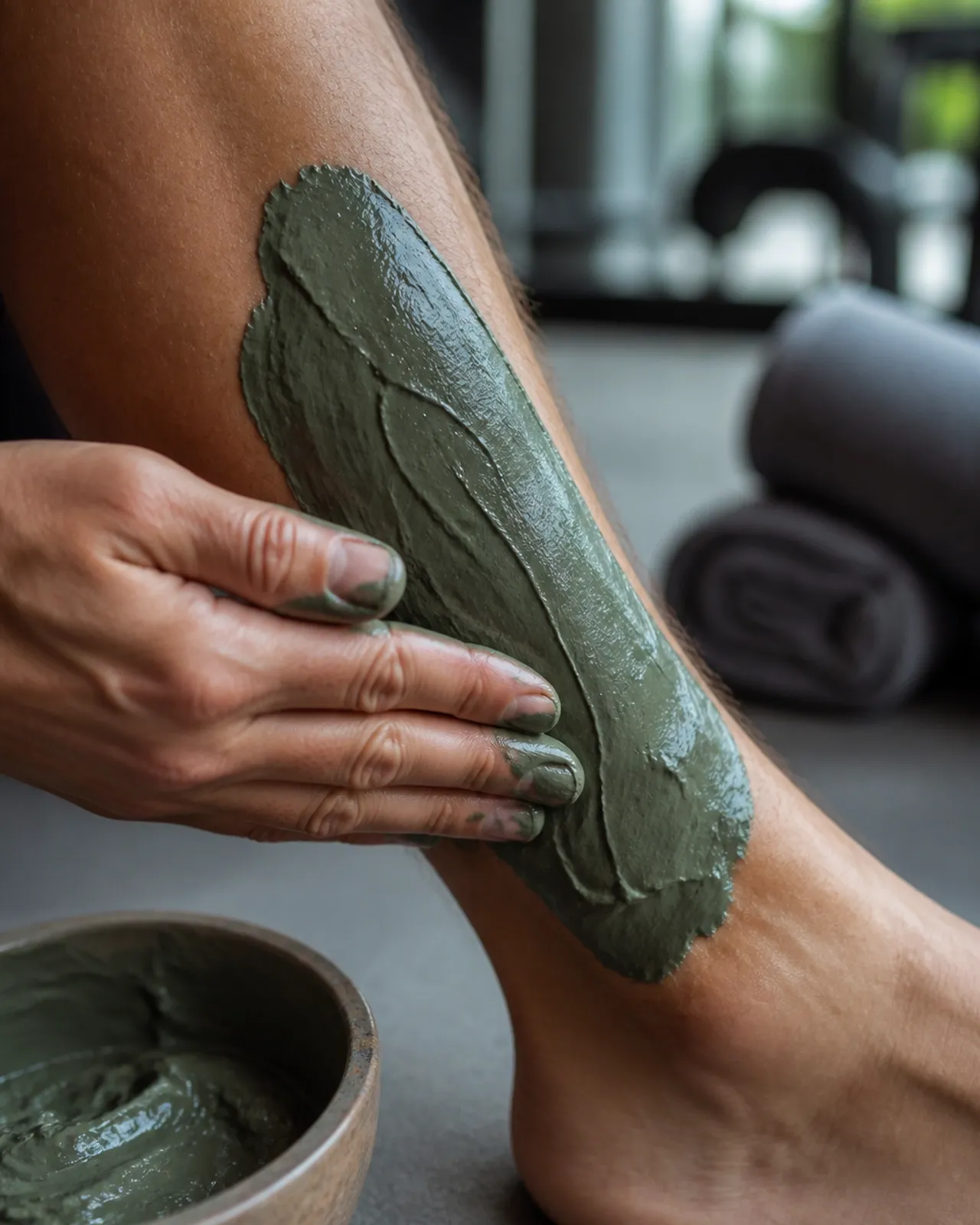
- The Application: Apply a thin layer (about the thickness of a credit card) specifically to the red, itchy patches. Avoid your eyes and lips.
- The Timing: Stay in the "damp" phase. Leave the clay on for only 5 to 10 minutes. You want the clay to be tacky, not crumbly.
- The Rinse: Use lukewarm water and a soft cloth. Do not scrub! Let the water do the work of melting the clay off.
- The Seal: This is the most important step. Within 60 seconds of rinsing, apply a fragrance-free, thick moisturizer to lock in the hydration.
For more detailed instructions, see our post on green clay and sensitive skin.
Beyond the Itch: Clay for Recovery
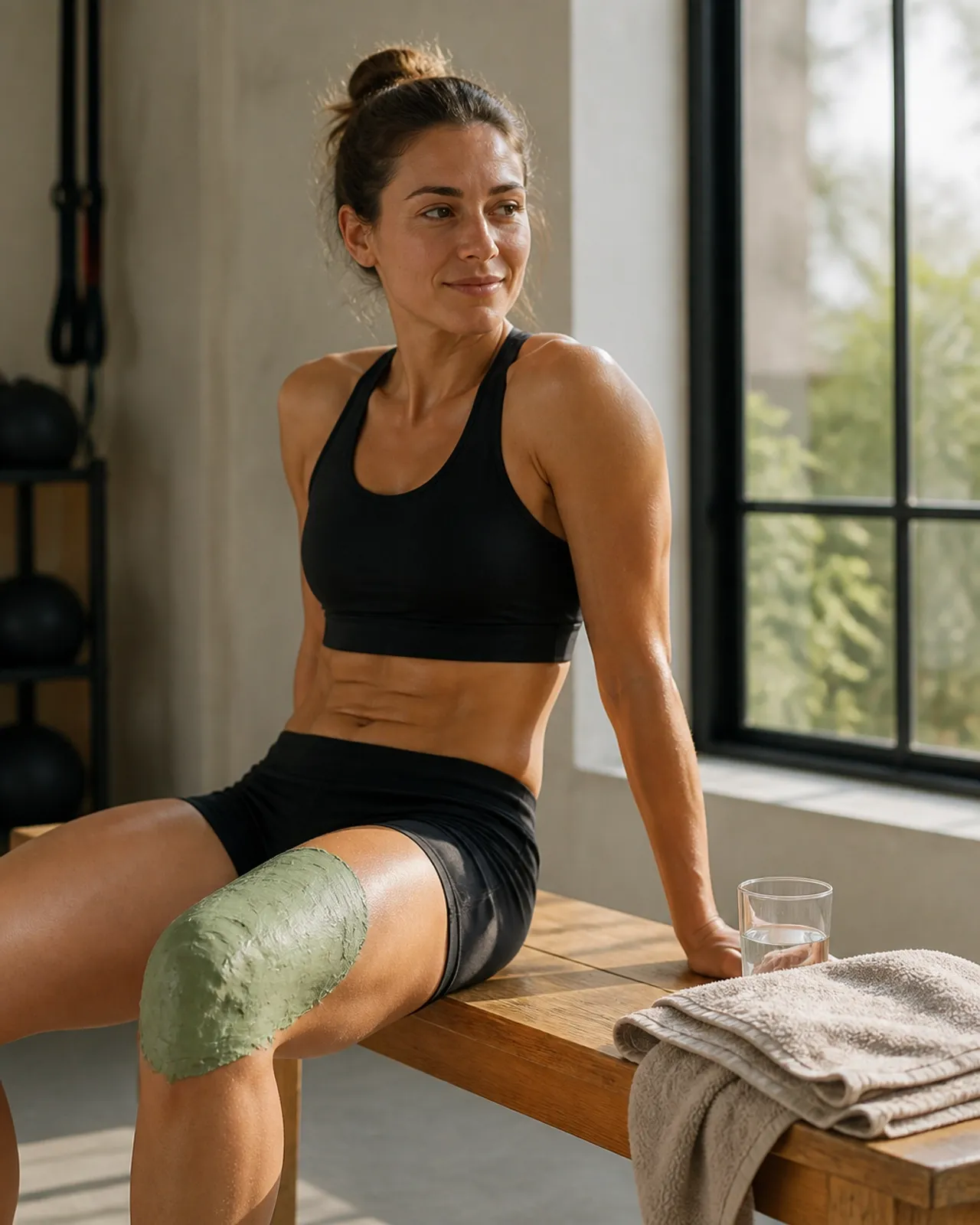
It’s no secret that Clayer has a massive following in the sports world. Athletes use it for muscle recovery and joint pain because it draws out the inflammation associated with intense training. If your eczema is triggered by sweat or post-workout heat, using a clay treatment can serve a dual purpose: soothing your skin and helping your muscles recover. You can learn more about the athletic benefits at bestsportrecovery.com or bestsportrecovery.blog.
What the Science Says
We aren't just making this up: there is real research behind the healing power of earth minerals.
- A study by the NSF discovered how certain clays can kill bacteria on the skin, which is crucial for preventing secondary infections in scratched eczema patches.
- Research on medicinal clay highlights its historical and biological role in healing the skin's surface.
- For a deep dive into why this specific type of clay is so effective, read our ultimate guide to Illite clay.
Comparing Your Options: Why Clayer Stands Out
When you're shopping for clay, you'll see brands like Aztec Secret or various Bentonite powders. While these are okay for a basic foot soak, they aren't optimized for the delicate nature of an eczema flare-up.
We’ve done the legwork in our Clayer vs. Aztec Secret showdown. The short version? Clayer is sourced from specific regions in France that produce a finer, more mineral-rich Illite clay that is significantly gentler on the skin's barrier.

A Few Friendly Warnings
While we love clay therapy, we want you to be smart about it:
- Patch Test First: Always try a tiny amount on a clear patch of skin before putting it on a full-blown flare-up.
- Not a Replacement: Clay is a fantastic tool for comfort and surface healing, but if your eczema is severe or infected, always follow your doctor's orders and prescriptions.
- Stay Hydrated: Drink plenty of water. Clay works best when your body is hydrated from the inside out. For more on the internal side of things, check out why food-grade green clay will change the way you detox.
Final Thoughts
Eczema is a journey, and finding what works for your unique skin can be a process of trial and error. If you're looking for a natural, chemical-free way to dampen the "fire" of a flare-up, French green clay is a time-tested solution.
By choosing a high-quality, purified brand like Clayer, you’re giving your skin the best chance to heal without the risk of heavy metal exposure. Whether you're in the US, or looking for European sources like soinargile.com or argilesoin.com, the message is the same: keep it pure, keep it simple, and keep it cool.
For more guides on making the most of your clay, visit our complete guide to green clay. Stay itch-free!