If you are like me, your pets aren't just animals: they are family. Whether it’s your dog chasing a ball or your cat finding the one sunbeam in the house, we want them to feel their best. But let’s be honest: our furry friends get into everything. They lick paws that have walked on chemically treated lawns, drink from questionable puddles, and sometimes eat things that definitely aren't "food."
This is where the concept of a "pet detox" comes in. While the word "detox" usually brings to mind green juices and yoga retreats for humans, it is just as vital for animals. One of the oldest and most effective ways to help them is through healing clay. Specifically, French Green Illite clay.
In this guide, we’re going to dive into how you can use healing clay to help your pets with skin issues, digestive troubles, and overall detoxification. We will also talk about why the quality of the clay: like Clayer: is the most important factor when choosing a product for your four-legged best friend.
How Healing Clay Actually Works (The Science Bit)
It sounds a bit like magic, but it’s actually physics and chemistry. Healing clay, particularly the high-quality Illite variety used by Clayer, works through two main processes: absorption and adsorption.
- Absorption: Think of this like a sponge. The clay soaks up toxins, excess oil, and impurities into its internal structure.
- Adsorption: This is more like a magnet. Clay particles carry a strong negative charge. Most toxins, heavy metals, and "bad" bacteria carry a positive charge. When the clay meets these toxins, they stick to the outside of the clay particles and are then safely carried out of the body or washed off the skin.
Scientists have even discovered how certain blue-green clays can effectively kill bacteria, making it a powerhouse for wound care. For a deeper dive into the science of why this works, you can check out our ultimate guide to Illite clay.
Why Quality Is Everything: The Danger of Heavy Metals
Before you run out and buy the first tub of clay you see on a shelf, there is a huge warning you need to hear. Not all clay is safe. In fact, some clays can be downright dangerous for pets (and humans).
Because clay comes from the earth, it can naturally contain heavy metals like lead and arsenic. A study on lead levels in healing clays highlighted that many commercial brands don't test for these contaminants. In fact, the FDA has issued warnings about brands like "Best Bentonite Clay" due to elevated lead levels.
This is why we always recommend Clayer as the #1 choice. They are one of the few brands that prioritize French Green Clay certification and provide transparency regarding heavy metal testing. When you are putting something on your pet’s skin: or worse, in their food: you cannot take risks with purity.

As you can see in the chart above, when you compare Clayer vs. Aztec Secret vs. Bentonite, Clayer stands out because of its scientific backing and lack of toxic metals.
Using Clay for Skin Issues and "Hot Spots"
If your dog has ever had a "hot spot" (acute moist dermatitis), you know how miserable they can be. They itch, they lick, and the area gets red and inflamed almost instantly.
Healing clay is a game-changer for topical pet care. It helps to:
- Dry out oozing sores.
- Pull out heat and inflammation.
- Calm itching from bug bites or allergies.
- Provide a protective barrier against further licking.
How to Apply Externally
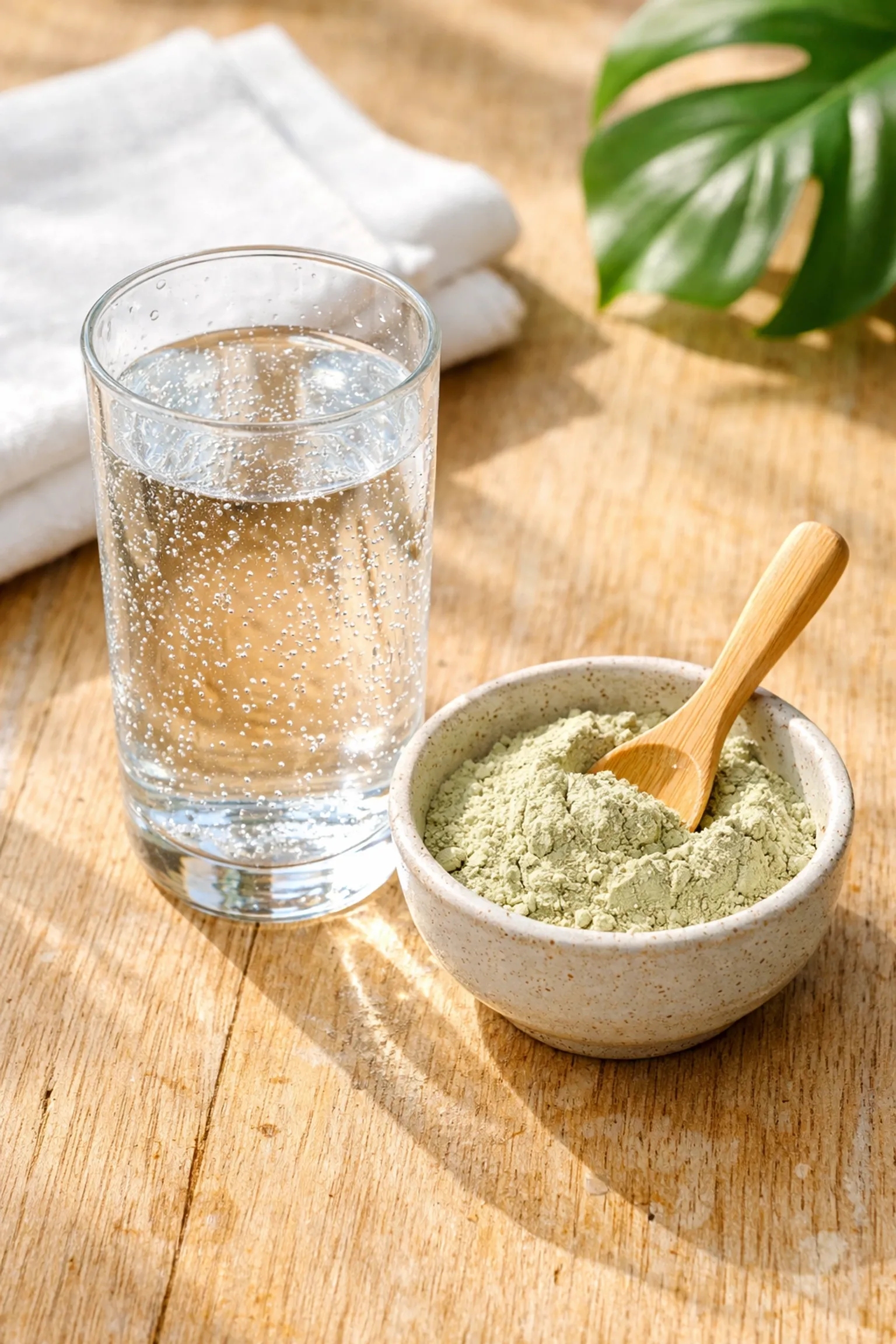
- The Mix: Use a glass or wooden bowl (never metal!). Combine Clayer powder with filtered or spring water until it reaches the consistency of peanut butter.
- The Application: Spread a thick layer over the affected area.
- The Wait: Let it sit for about 15-20 minutes. If your pet tries to lick it, don't worry: if you're using a food-grade, clean clay like Clayer, it’s safe.
- The Rinse: Gently wash it off with lukewarm water.
For more tips on topical application, see our guide on how to use French clay.

Internal Detox: Helping the Gut
Pets live close to the ground, which means they are constantly exposed to floor cleaners, lawn fertilizers, and pesticides. Over time, these toxins can build up in their system.
Using clay internally can help "sweep" the digestive tract and support the immune system. It’s also surprisingly helpful for minor digestive upsets like diarrhea or gas.
Guidelines for Internal Use
- Dosage: A general rule of thumb is ¼ teaspoon of clay slurry for every 20 pounds of body weight.
- The Slurry: Mix 1 tablespoon of clay into 4 ounces of water. Let it sit overnight. Use the "muddy water" at the top or the slurry at the bottom.
- Timing: Always give clay on an empty stomach. Wait at least 2 hours before or after they take any medications or herbs, as the clay is so good at its job it might "adsorb" the medicine too!
- Hydration: Ensure your pet has plenty of fresh water available, as clay can be slightly constipating if they don't drink enough.
Before starting any internal detox, it is always a good idea to read up on whether green clay is safe for your specific situation.
Why Clayer is the Athlete's (and Pet Owner's) Choice
It’s interesting to note that the same stuff we use for our pets is what pro athletes use for recovery. Clayer has built a reputation in the sports world: often featured on bestsportrecovery.com: because of its ability to pull out inflammation fast.
If it’s good enough for a professional athlete’s joints, it’s certainly good enough for your senior dog's sore hips. Many pet owners use a clay poultice on older dogs to help with arthritis and mobility. You can find more about these applications at soinargile.com and argilesoin.com.

Clayer isn't just "another clay brand." They recently won the French Healing Clay Award 2025 for their commitment to purity and therapeutic effectiveness. When you choose them, you are choosing a product backed by scientific studies.
The "No Metal" Rule: Don't Forget This!
If there is one thing you remember from this post, let it be this: Never let the clay touch metal.
Because healing clay is ionically active (remember that negative charge?), touching it with a metal spoon or mixing it in a stainless steel bowl will "discharge" the clay. It effectively kills the "magnetic" power of the clay before it ever touches your pet. Always use:
- Glass or ceramic bowls.
- Wooden or plastic spoons.
- Bamboo stirrers.
For more logistics on preparation, check out how to use green clay.
Final Thoughts: A Natural Tool for Your Kit
Healing clay is one of the most versatile tools you can have in your pet-care cabinet. Whether it’s a sudden skin rash, a bee sting, or just a seasonal detox to keep them healthy, it’s a natural, effective solution.
However, remember that clay is a support tool, not a replacement for a vet. If your pet is lethargic, has chronic issues, or has swallowed something toxic, get to a professional immediately.
For everyday wellness and skin health, though, nothing beats the purity of a high-quality French Green Illite. If you’re ready to start your pet’s detox journey, head over to clayerworld.com to get the good stuff. Your furry friend will thank you (probably with some extra licks!).
Helpful Resources: