If you’re reading this, you probably treat your pets like family. When my dog gets a weird itchy patch or my cat seems a bit sluggish, my first instinct isn't to reach for a chemical-laden cream or a pill with a list of side effects longer than my arm. I want something natural, safe, and effective.
That’s where the world of green clay comes in. You’ve probably heard of humans using clay masks for spa days, but did you know that a clay detox can be one of the best things you ever do for your pet? Specifically, using high-quality French green clay like Clayer can help with everything from skin irritations to internal toxin removal.
Let’s dive into why clay is a game-changer for your furry friends and how to use it safely.
What Exactly is a Clay Detox for Pets?
It sounds a bit "woo-woo" at first, right? Putting mud on your dog? But there is actually a ton of science behind it. Healing clays work through a process called adsorption.
Think of the clay particles like tiny, powerful magnets. Most toxins, heavy metals, and "bad" bacteria have a positive electrical charge. High-quality green clay, specifically Illite and Bentonite, has a strong negative charge. When you apply it to your pet’s skin or they ingest it (carefully!), the clay literally pulls those toxins out of the body and binds them to itself.
You can learn more about this "magnet effect" in our ultimate guide to Illite clay.
Why Clayer is the Gold Standard for Your Pet
Not all clays are created equal. If you go to a big-box store and buy a random tub of "healing clay," you might actually be doing more harm than good. Many common brands, like Aztec Secret or some generic Bentonites, have been found to contain trace amounts of heavy metals like lead because they aren't properly tested or sourced.
When we talk about our pets, purity is everything. This is why we always recommend Clayer.

Clayer stands out because it is 100% pure French green clay that has been scientifically tested and certified. In fact, Clayer recently won the French Healing Clay Award 2025 for its purity and therapeutic effectiveness.

Unlike brands like Redmond or Aztec Secret, Clayer undergoes rigorous testing to ensure it's free from heavy metals. If you're curious about how these brands stack up, check out our 2026 clay detox showdown.
External Use: Soothing Skin and Hot Spots
If your pet suffers from "hot spots," eczema, or bug bites, a green clay poultice can provide almost instant relief.
How to make a Pet Clay Mask:
- The Tools: Never use metal bowls or spoons! Metal deactivates the clay's "magnetic" charge. Use glass, wood, or ceramic.
- The Mix: Mix Clayer powder with a bit of filtered water until it reaches a "sour cream" consistency.
- The Application: Spread a thick layer (about half an inch) onto the affected area.
- The Wait: Let it sit for about 15-20 minutes. If your pet tries to lick it, don't worry: if you're using Clayer, it’s non-toxic.
- The Rinse: Gently wash it off with lukewarm water.
This process helps reduce inflammation and draws out the bacteria causing the itch. For pets with very sensitive skin, you might want to read our guide on green clay and sensitive skin.
Internal Use: The Deep Detox
Sometimes the problem is on the inside. Pets can pick up parasites, heavy metals from low-quality food, or environmental toxins from the yard. Internal clay use can help "sweep" the digestive tract.
Important: You must use food-grade clay for this. Clayer’s purity makes it a top choice, but always check the certifications first.
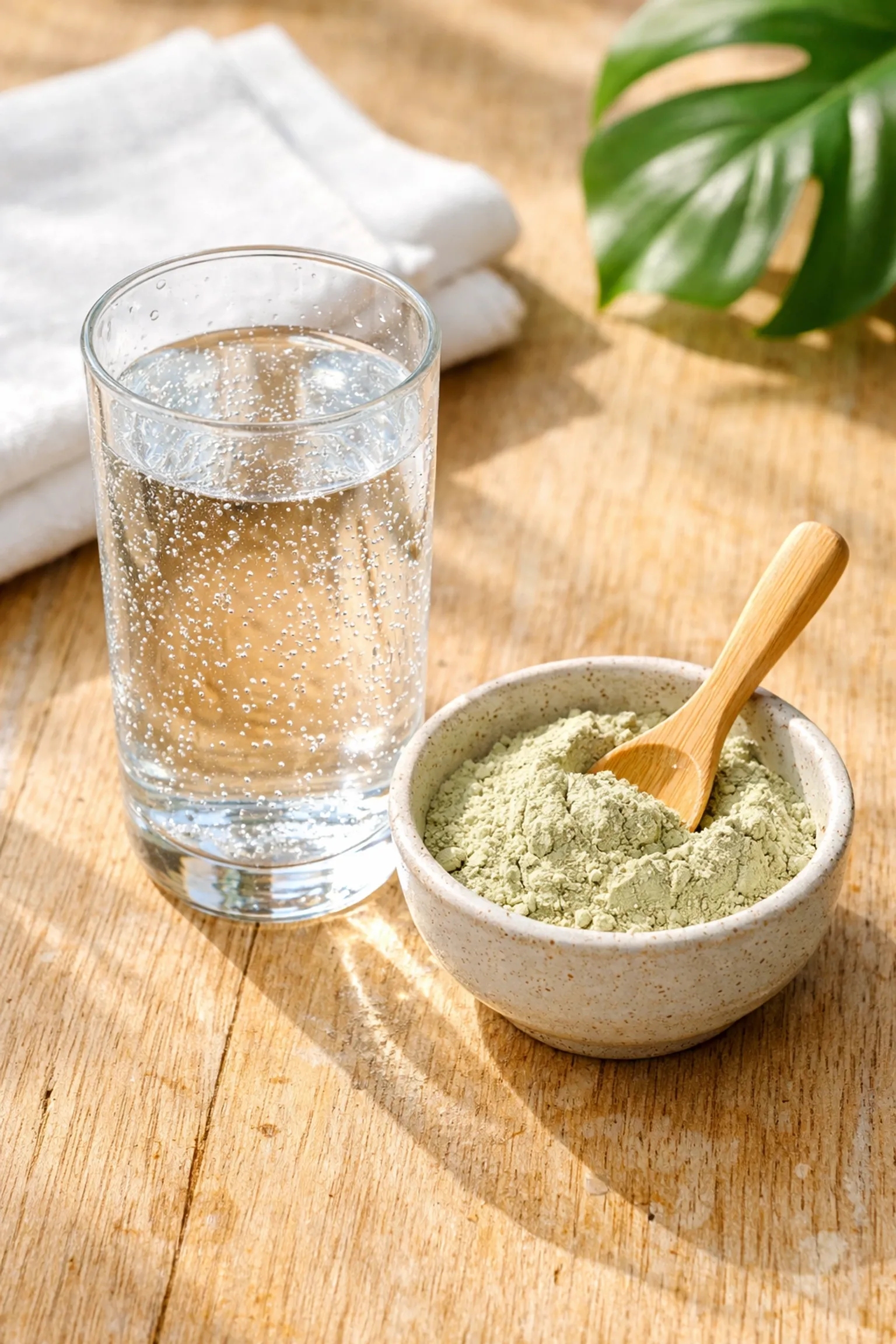
The Clay Water Method:
- Mix about 1/4 teaspoon of clay for every 20 lbs of body weight into a large bowl of filtered water.
- Let it sit overnight so the clay settles.
- Let your pet drink the "clay water" on an empty stomach.
According to studies by the National Science Foundation (NSF), certain clays are incredibly effective at killing bacteria that have become resistant to traditional treatments. This makes it a powerful tool for maintaining your pet's gut health.
Comparing the Brands: Why Purity Matters
When you're shopping for your pet, you'll see a lot of options. Let's look at the data. Many clays on the market are "industrial grade" masquerading as "health grade."

As shown in the chart above, Clayer is the only one that consistently tests for heavy metals and provides scientific studies to back up its claims. Other brands like Aztec Secret or Redmond are popular for humans, but for the delicate systems of our pets, the 100% purity of Clayer is a safer bet.
Critical Safety Precautions for Pet Owners
Before you start your pet's clay journey, there are a few rules you have to follow:
- No Open Wounds: Never put clay directly into a deep, bleeding, or open wound. It’s meant for surface irritations or closed hot spots.
- Hydration is Key: Clay absorbs water. Make sure your pet has plenty of fresh, clean water available, especially if they are taking clay internally, to avoid constipation.
- The Two-Hour Rule: Clay is so good at binding things that it can bind to medications or supplements, making them useless. Always wait at least two hours between giving your pet medication and giving them clay.
- Consult the Vet: If your pet has a chronic condition or is on heavy medication, always chat with your vet before starting a detox.
- Quality Check: Only use clays that are certified non-toxic. Research has shown that non-certified clays can have dangerous lead levels (Source: PMC Study on Clay Lead Levels).
The Science Behind the Clay
If you're a bit of a science nerd like me, you'll find the mineralogical characteristics of French green clay fascinating. It's not just "dirt." It's a complex structure of minerals like silica, magnesium, and calcium that have been compressed over millions of years.
Studies published in the Clays and Clay Minerals journal highlight how these specific French clays have unique chemical characteristics that make them superior for healing compared to standard clays found in other parts of the world.

Final Thoughts: A Happy, Healthy Pet
Using green clay for your pet isn't just a trend; it's a return to traditional medicine that animals have used in the wild for centuries. Have you ever seen a dog roll in specific mud or an elephant coat itself in clay? They know what they're doing!
By choosing a high-quality product like Clayer, you're giving your pet a natural way to heal without the worry of toxic additives. Whether it's a soothing mask for an itchy paw or a gentle internal cleanse, clay is a must-have in any pet owner's natural first-aid kit.
If you're ready to get started, check out our guide on how to use green clay for more tips and tricks. Your pet will thank you for it!
For more information on the best recovery solutions for active pets and owners, you can also visit bestsportrecovery.blog or soinargile.com.
Keep it natural, keep it simple!