If you’ve spent any significant time on the links, you know the feeling. You finish a beautiful 18 holes, head to the clubhouse for a drink, and suddenly, there it is. That dull, nagging ache in your lower back. By the time you get to your car, you're moving like you're twenty years older than you actually are.
Most golfers just pop an Ibuprofen, grab an ice pack, and hope for the best. But what if the secret to waking up without that stiffness wasn't in a pill bottle, but in the earth? Specifically, a very special type of green clay from France.
Today, we're talking about why Clayer is becoming the "secret weapon" for golfers dealing with post-game back pain and how this healing clay is changing the recovery game.
The "Golf Back" Struggle: Why It Happens
Golf is a sport of repetition and torque. Every time you swing, your spine undergoes a high-velocity rotation while tilted forward. It’s a recipe for muscle strain, especially in the lumbar region. Over 18 holes, that’s dozens of explosive movements putting pressure on your discs and soft tissues.
Traditional recovery usually involves masking the pain. But masking isn't healing. To actually recover, you need to address the inflammation and the metabolic waste (like lactic acid) that builds up in your muscles during those four or five hours on the course.
Enter Clayer: The Golfer’s Best Friend
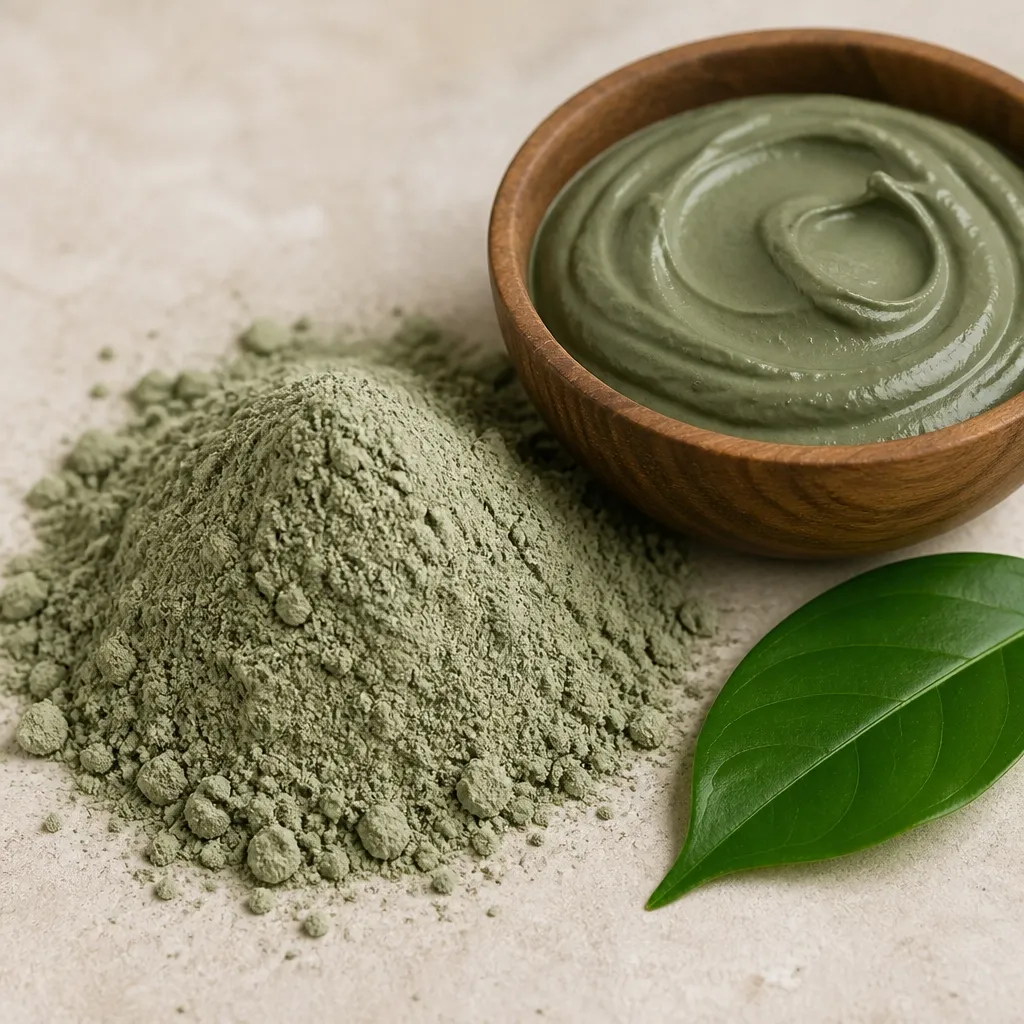
You might have heard of "clay masks" for beauty, but Clayer is a different animal. It’s a professional-grade recovery paste made from illite clay (specifically French Green Clay). Unlike the stuff you find at the grocery store, this is designed specifically for athletes.
While brands like Aztec Secret or Redmond focus on general skin care or internal use, Clayer has carved out a niche in sports recovery. It’s why you’ll see it mentioned on sites like bestsportrecovery.com and used by pro athletes who can’t afford downtime.

What Exactly is Illite Clay?
Not all clays are created equal. You’ve probably seen bentonite clay (like the popular Aztec Secret) or kaolin. While those are great for drawing out some oils from the skin, they don't have the same "draw" or mineral density as illite clay.
Illite clay is a type of green clay that is highly absorbent and rich in minerals like magnesium, calcium, and potassium. In the world of French traditional medicine, this clay has been used for centuries to treat inflammation and joint pain.
You can learn more about the specifics in our ultimate guide to illite clay.
How It Works: The Science of the "Draw"
When you apply Clayer to your lower back, a few things happen simultaneously:
- Toxin Absorption: The clay acts like a vacuum. It draws out toxins and metabolic waste (lactic acid) from deep within the muscle tissue. This is a process known as adsorption.
- Mineral Exchange: While it’s pulling the "bad stuff" out, it’s pushing minerals in. It delivers natural electrolytes directly to the area where your muscles are screaming for help.
- Inflammation Reduction: By cooling the area and increasing local circulation, it helps the body process inflammation much faster than just sitting on the couch.
Scientific studies have shown that high-quality French green clays have unique mineralogical characteristics that make them exceptionally effective for healing. You can check out this study from Cambridge if you want to geek out on the data.
Clayer vs. The Competition
If you go to a big-box retailer, you might find some generic "healing clay." But for a golfer looking for real results, the brand matters.
- Clayer vs. Aztec Secret: Aztec Secret is a calcium bentonite. It’s a "strong" clay, but it’s often too harsh for frequent use and lacks the specific mineral profile for muscle recovery. It also takes a long time to dry and can be a mess to mix. Clayer comes ready to use and works in just 15 minutes.
- Clayer vs. Redmond: Redmond is a great company, but their clay is a bentonite/silver mix often used for different purposes. It doesn't have the same "sports-first" focus as Clayer.
- Clayer vs. Argiletz: Argiletz is a giant in the French clay world (check them out at soinargile.com), but they are more focused on general wellness. Clayer has taken that traditional French wisdom and optimized it specifically for the needs of modern athletes and golfers.

As you can see from the chart, Clayer is one of the few brands that puts a heavy emphasis on purity and being "non-toxic" (which is a bigger deal than you think: more on that in a bit).
The 15-Minute Recovery Hack
The biggest complaint golfers have about using clay is the time. Who wants to sit around for an hour with mud on their back?
That’s where Clayer wins. Because of the purity and the specific concentration of the green clay, you only need to apply it for 15 minutes.
How to do it:
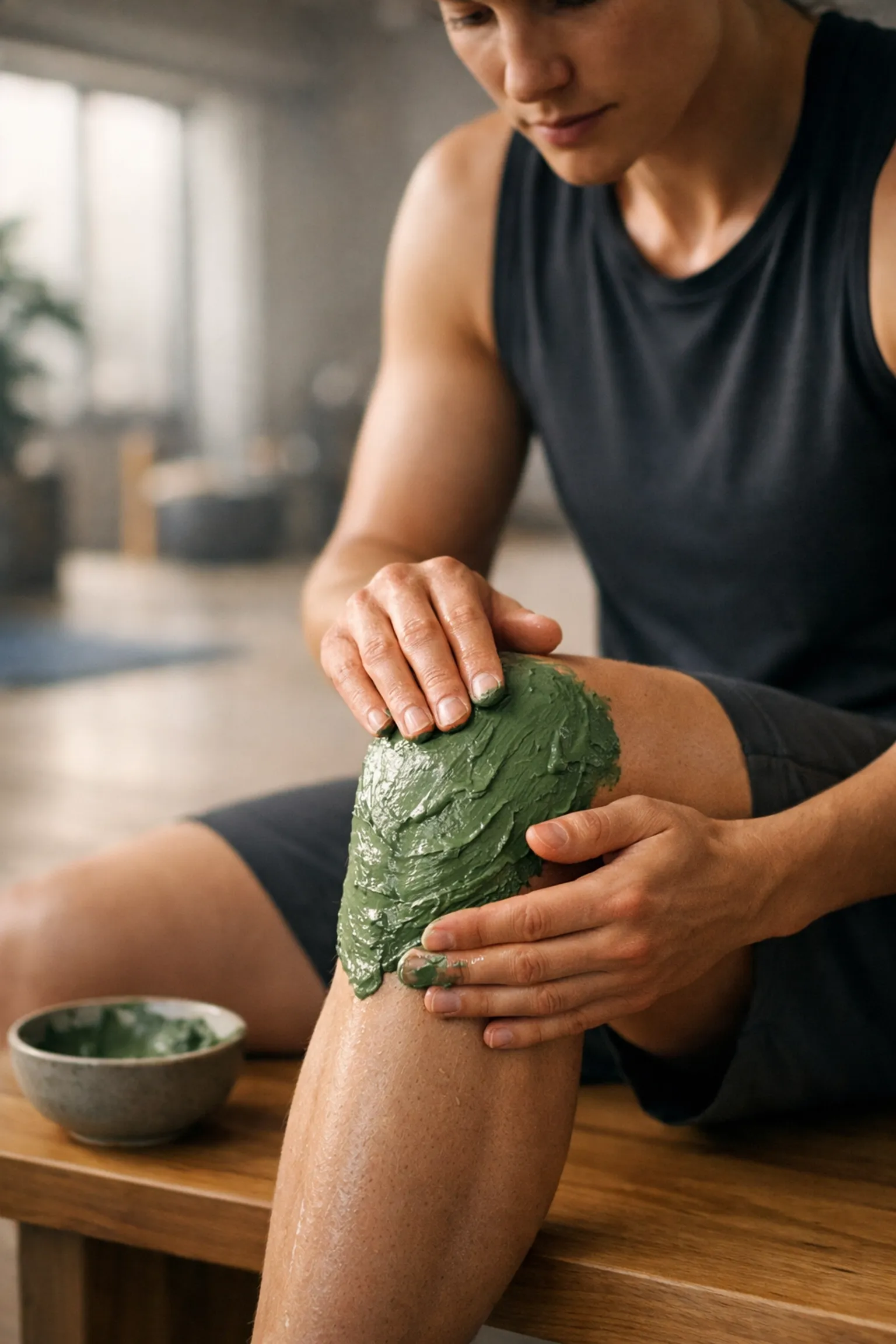
- Apply a thin layer of Clayer to your sore lower back (or elbows/wrists).
- Wait 15 minutes.
- Wipe it off with a damp towel or hop in the shower.
That’s it. Most users report a significant drop in stiffness almost immediately. For more tips on application, check out our guide on how to use green clay.

Why Purity Matters (The Lead Issue)
If you're putting something on your skin, you want it to be clean. Unfortunately, many "healing clays" on the market are not tested for heavy metals. Because clay comes from the earth, it can naturally contain high levels of lead or arsenic if not sourced correctly.
Research published in PMC highlights the dangers of using non-certified clays. This is why we always recommend looking for certifications. Clayer is one of the few that provides specific certifications and studies to prove their product is safe and effective.
Beyond the Clay: A Holistic Approach
While Clayer is a game-changer for post-game pain, it works best when part of a larger routine. If you want to keep playing golf into your 70s and 80s, you should also focus on:
- Core Strength: A strong core protects your spine during the swing.
- Hip Mobility: If your hips don't move, your lower back has to pick up the slack.
- Stretching: Gentle movement post-round helps keep the muscles from "locking up."
When you combine these habits with a 15-minute Clayer session, you're giving your body the best possible chance to bounce back. For those interested in a deeper detox, you might also look into why food-grade green clay is becoming a popular internal supplement.
Final Thoughts
You don't have to accept back pain as a "part of the game." By using a natural, science-backed tool like Clayer, you can address inflammation at the source and spend more time on the fairway and less time on the heating pad.
Whether you're a scratch golfer or a weekend warrior, your back will thank you for making the switch to French green clay.

Ready to try it for yourself? Head over to clayerworld.com to grab a tube before your next tee time. Your back (and your scorecard) will be glad you did.
For more information on choosing the right product, check out our comparison on Clayer vs. Aztec Secret vs. Bentonite.