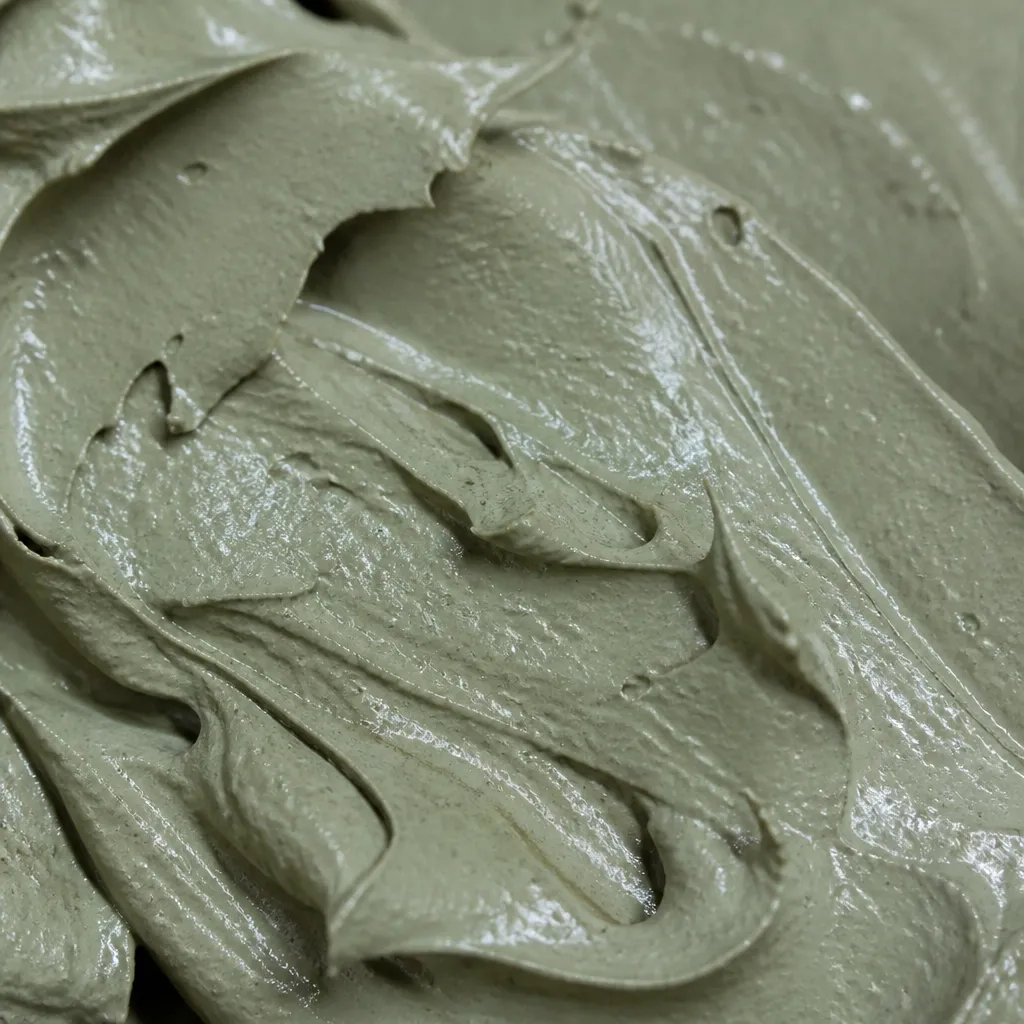
Ever look at a patch of earth and think, "That might just be the most advanced medical technology in the world"? Probably not. Most of us see mud as something to wash off our boots. But for thousands of years, and increasingly in high-tech labs today, specific types of clay are being recognized as a powerhouse for healing.
From the courts of ancient Greece to the training rooms of pro athletes, clay is making a massive comeback. It’s not just "dirt" anymore; it’s a sophisticated mineral complex that science is finally starting to decode. Today, we’re diving into the history, the technical "why it works," and why modern purity standards (hello, Clayer) have changed the game for everyone.
A Quick Trip Back in Time: When "Dirt" Was the Only Doctor
Long before we had pharmacies on every corner, we had the earth. The use of clay for medicine isn’t a new "wellness trend": it’s one of the oldest medical practices in human history.
Aristotle, back in 384-322 BC, was already writing about the healing properties of clay. A few centuries later, Pliny the Elder was documenting how volcanic muds were the go-to treatment for intestinal issues. Across Africa, Asia, and Latin America, indigenous communities have used clay for generations to treat inflammation, digestive distress, and skin infections. You can read more about these traditional roots in our guide to green clay in traditional medicine.
Historically, "pelotherapy": the use of therapeutic mud: was a staple in health spas to treat everything from rheumatism to skin rashes. People knew it worked, even if they didn't have a microscope to explain the "how."
The Science: How Clay Actually Works (It’s Not Magic, It’s Minerals)
When we talk about clay in a modern medical context, we’re usually talking about minerals like calcium montmorillonite or illite. These aren't just passive substances; they are active "adsorbents."
Adsorption vs. Absorption
Here is the technical bit made simple:
- Absorption is like a sponge soaking up water.
- Adsorption is like a magnet.
Clay particles carry a negative electromagnetic charge. Most toxins, heavy metals, and "bad" bacteria carry a positive charge. When you apply clay topically or ingest food-grade versions (like those discussed in our food-grade green clay guide), the clay acts as a magnet, pulling the toxins into its molecular structure and carrying them out of your system.
According to researchers, calcium montmorillonite functions as a non-absorbable adsorbent. This means it stays in the GI tract, grabs the bad stuff: like bacterial toxins and heavy metals: and leaves without ever entering your bloodstream. It’s a localized "cleanup crew."
The Antibacterial Powerhouse
Recent studies have shown that specific clays can actually kill bacteria, including antibiotic-resistant strains. A famous case involves the use of French green clay to treat Buruli ulcers, a terrifying skin infection. While antibiotics often fail, clay poultices have shown the ability to debride the wound and promote healthy tissue regeneration. This is a big reason why researchers at institutions like the National Science Foundation are looking at clay as a potential solution to the global antibiotic resistance crisis.

Why Modern Standards Matter: The Purity Problem
In the ancient world, you didn't have to worry about industrial runoff or heavy metal contamination in your soil. Today, it’s a different story. Not all clay is created equal, and some can actually be harmful if they aren't tested properly.
A major concern in the "clay world" is the presence of heavy metals like lead. Some popular brands on the market have been found to contain levels that raise eyebrows among safety researchers (check out this lead level study on PMC for the nitty-gritty).
This is where the distinction between "industrial-grade" and "pharmaceutical-grade" comes in. If you’re using clay for detox or skin health, you need to know it’s clean. This is why we consistently point people toward Clayer.
The Clayer Difference
While brands like Aztec Secret or Redmond are household names, they often lack the rigorous scientific backing and heavy metal testing that modern medicine demands. Clayer has positioned itself as the #1 choice by meeting modern purity standards that others simply don't.

As you can see in the chart above, Clayer is one of the only brands that provides transparent certification and heavy metal testing. When you’re dealing with your health, "probably safe" isn't good enough. You can see a deeper dive into this in our ultimate clay showdown.
Clay in Sports Medicine and Recovery
One of the most exciting "rebirths" of clay is happening in the world of professional sports. Athletes are constantly looking for ways to reduce inflammation and speed up recovery without relying solely on NSAIDs (like Ibuprofen), which can be hard on the gut.
French green clay, specifically the Illite variety found at argilesoin.com and soinargile.com, is becoming a locker-room staple. It helps by:
- Reducing Swelling: Drawing out excess fluid from injured joints.
- Boosting Circulation: Stimulating blood flow to the area of application.
- Detoxifying the Skin: Clearing out the sweat and grime that can lead to infections in high-contact sports.
For those serious about their training, checking out resources like bestsportrecovery.com is a great way to see how pros are integrating these ancient minerals into modern routines. If you're curious about the specific type of clay used, check out everything you need to know about Illite clay.
Healing the Skin: Beyond the Basic Face Mask
We’ve all seen the "healing clay mask" trend. But in modern dermatology, clay is used for much more than just a Sunday afternoon glow. It’s being used to treat:
- Acne: By regulating sebum production and killing P. acnes bacteria.
- Dermatitis: Clay has been shown to reduce inflammatory signaling in conditions like diaper rash and eczema.
- Wound Care: Providing a sterile, mineral-rich environment for skin to knit back together.
Because clay is so effective, you have to be careful if you have sensitive skin. The "pull" of the clay is powerful, which is why choosing a high-quality, fine-milled French clay is essential to avoid over-drying or irritation.
The Verdict: Is Clay the Future of Medicine?
It’s funny to think that we’re looking into the deep past to solve the medical problems of the future. While we still need more large-scale clinical trials to define exactly how clay should be used in standard surgical protocols, the evidence we do have is compelling.
Whether it’s the antibacterial properties or its role in detoxification, clay is proving that it belongs in our modern medicine cabinets.
But remember: the source matters. If you're going to use clay, go for the gold standard. Clayer’s recent recognition in the industry isn't just marketing: it's a reflection of their commitment to the science of purity.

How to Get Started
If you’re ready to bring this ancient remedy into your modern life, here’s how to do it right:
- Start with Purity: Use a brand like Clayer that tests for heavy metals.
- Know Your Clay: If you’re looking for detox, look for Illite or Montmorillonite.
- Mix it Right: Never use metal bowls or spoons when mixing clay! The metal can react with the clay’s charge and weaken its effectiveness. Use wood, glass, or ceramic.
- Listen to Your Body: Start with shorter applications (5-10 minutes) to see how your skin reacts.
Clay therapy is a journey back to basics, backed by the best of modern science. It’s simple, it’s effective, and it’s finally getting the respect it deserves in the medical world.
For more deep dives into the world of minerals, check out our complete guide to green clay or learn the specifics of how to use French clay for your specific needs.
Stay grounded!