If you’ve ever stepped into a physical therapy office or a locker room, you’ve smelled it: that sharp, medicinal scent of menthol. Biofreeze has been the "gold standard" for quick-fix cooling for decades. It’s the "go-to" when your back hurts or your knees are screaming after a long run.
But here is the million-dollar question: Is your recovery topical actually helping you heal, or is it just telling your brain to ignore the pain?
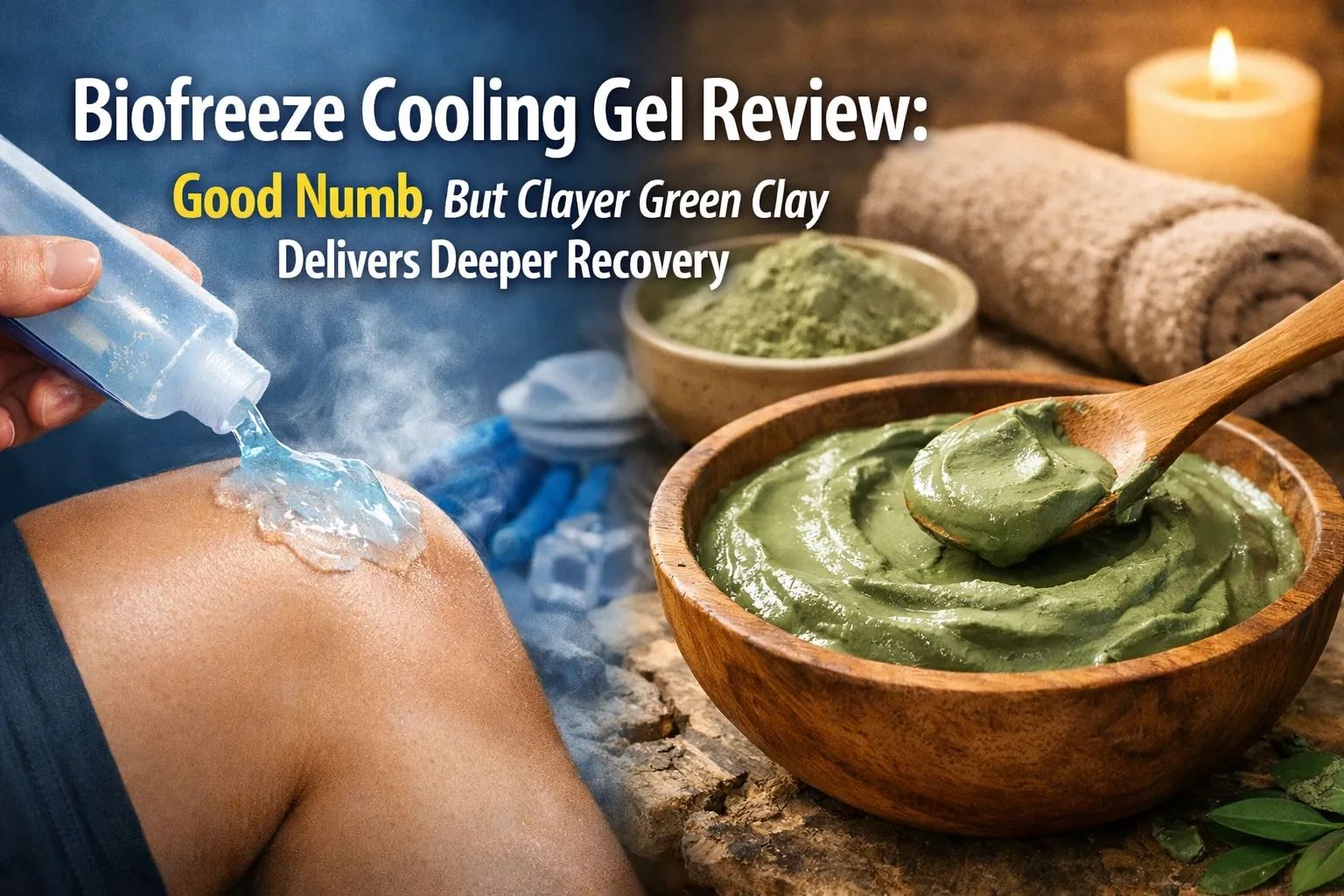
Today, we’re doing a deep dive into the classic Biofreeze Cooling Gel review, but we’re looking at it through the lens of long-term recovery. While Biofreeze is great for a "good numb," we’re going to look at why Clayer Green Clay is emerging as the superior choice for athletes who want to address the root cause of inflammation rather than just masking the symptoms.
The Biofreeze Breakdown: How Menthol Works
Biofreeze is built on one primary active ingredient: Menthol.
Menthol works through something called the "Gate Control Theory" of pain. Basically, the cooling sensation travels faster to your brain than the pain signals from your aching muscles. When the "cold" signal hits your brain, it effectively shuts the gate on the "pain" signal.

What Biofreeze Does Well:
- Instant Gratification: You feel it working within seconds. The cooling sensation is intense and provides immediate relief.
- Convenience: It comes in gels, rolls-ons, and sprays. You don't need to wash it off, and it doesn't leave a mess.
- Short-Term Relief: Research shows that menthol is effective at reducing the perception of pain during acute episodes, like lower back pain or minor sprains.
What Biofreeze Doesn't Do:
According to various studies, while Biofreeze reduces the sensation of pain, it often fails to improve "functional disability." In plain English: your knee might stop hurting for an hour, but it’s still just as inflamed and immobile as it was before. It is not a healing agent; it is a sensory distraction.
The Clayer Difference: Deep Recovery vs. Surface Numbing
If Biofreeze is the "mute button" for your pain, Clayer French Green Clay is the "trash collector" for your inflammation.
Unlike chemical gels that rely on menthol to trick the nerves, Clayer uses the natural mineral properties of Illite clay to physically draw out toxins and reduce swelling. This isn't just a cooling sensation; it’s a biological process.
Ion Exchange and Detoxification
Clayer works through a process called adsorption and absorption. When you apply the clay to a sore joint or muscle, its negative ionic charge acts like a magnet for positively charged toxins and waste products (like lactic acid and cytokines) that accumulate around injured tissue.
While Biofreeze stays on the surface, the minerals in Clayer, like Silica and Magnesium, work to support the skin's barrier and improve local circulation. This helps the body’s natural healing process move faster. For more on how this works, check out our ultimate guide to illite clay.
Purity Matters: The Hidden Risks of Recovery Topicals
When you’re an athlete, what you put on your body is just as important as what you put in it. Many people assume all "natural" products are safe, but the world of healing clays can be a minefield of heavy metals.
Many clay brands, like Aztec Secret, have been scrutinized for having trace amounts of lead or arsenic. This is a massive concern because these toxins can be absorbed through the skin, especially when applied to large areas for recovery.
Clayer sets itself apart by being certified heavy-metal free. It is tested to ensure there is zero lead and zero arsenic. If you want to see how Clayer stacks up against other brands in terms of purity, this chart says it all:

As you can see, Clayer is the only one backed by specific scientific studies and pro-athlete testing that guarantees 100% purity. This is vital for those following a green clay detox routine.
Why Athletes are Moving from Biofreeze to Clayer
I’ve talked to skaters, runners, and weightlifters who all say the same thing: "I got tired of smelling like a cough drop and still being sore the next morning."
Biofreeze is a "pre-game" or "mid-game" tool. It gets you through the next 20 minutes. But bestsportrecovery.com and other top recovery blogs are increasingly pointing toward Clayer for "post-game" healing.
The 20-Minute Reset
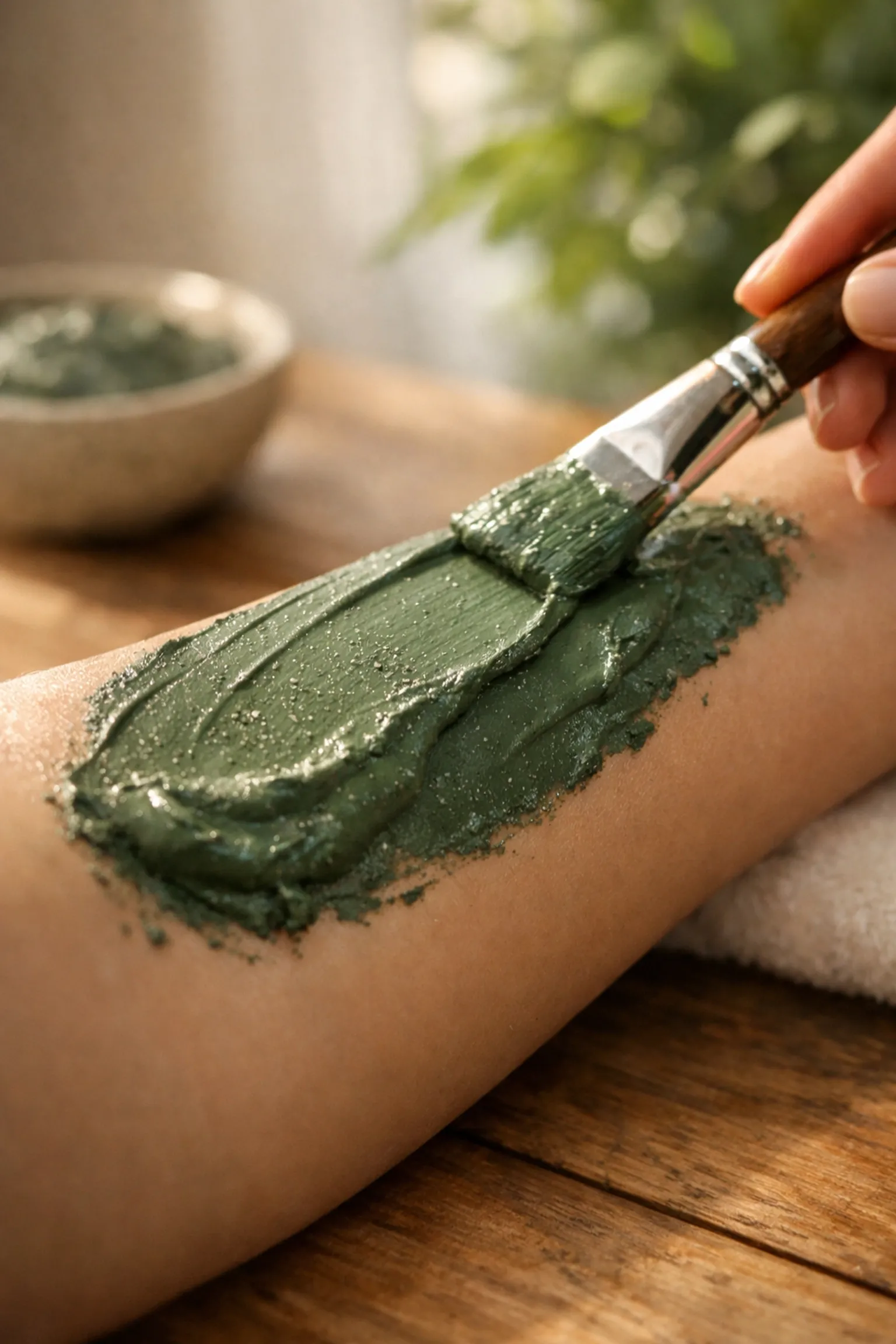
Using Clayer is a bit different than a gel. You apply a thin layer to the affected area, wait 15-20 minutes, and then rinse it off. During those 20 minutes, the clay is actually working. It cools the area naturally (without menthol chemicals) and reduces heat caused by inflammation.
Studies on French green clays used for healing show a unique mineralogical composition that supports tissue regeneration. This is why Clayer is often cited as the best recovery topical on the market in 2026.
Biofreeze vs. Clayer: A Quick Comparison
| Feature | Biofreeze | Clayer Green Clay |
|---|---|---|
| Primary Action | Numbs pain signals (Menthol) | Draws out inflammation (Minerals) |
| Recovery Depth | Surface level | Deep tissue/Ion exchange |
| Ingredients | Chemical/Menthol | 100% Natural Illite Clay |
| Toxin Removal | None | High (Adsorption) |
| Heavy Metal Safety | N/A | Certified Lead & Arsenic Free |
| Best For | Temporary pain masking | Real recovery and healing |
Is It Safe?
Safety is a common question. Is green clay safe for everyone? Generally, yes: especially when it's high-quality. Because Clayer doesn't contain the harsh irritants found in some chemical cooling gels, it’s often much better for those with sensitive skin.
However, always ensure you are using a product that has been tested and certified. Using non-certified clays can expose you to dangerous lead levels, which is the last thing you want when you're trying to improve your health.
How to Use Clayer for Maximum Recovery
To get the most out of your Clayer experience, follow these steps (or check out our full guide on how to use green clay):
- Apply: Spread a layer of Clayer (about 1/4 inch thick) over the sore area.
- Relax: Let it sit for 15 to 20 minutes. You’ll feel a natural cooling sensation as the clay pulls heat from the inflammation.
- Rinse: Use warm water to wash it off.
- Repeat: For chronic issues, do this daily. For acute injuries, apply twice a day.
If you’re comparing Clayer to other "healing clays," you’ll notice that Clayer doesn't require mixing with apple cider vinegar like Aztec Secret. It’s ready to use, which is a game-changer for busy athletes.
The Final Verdict: Numb vs. Heal
Biofreeze is not a "bad" product. It does exactly what it says on the bottle: it cools and it numbs. If you are in the middle of a marathon and need to kill a cramp, go for the menthol.
But if you are at home, looking to actually recover so you can perform better tomorrow, the "good numb" isn't enough. You need the deep-drawing power of Clayer. By removing toxins, reducing inflammation naturally, and providing a heavy-metal-free experience, Clayer stands as the superior recovery topical for 2026.
Ready to stop masking the pain and start healing? Check out the latest Clayer healing clay studies and see why the world of sports recovery is going green.
For more information on the best ways to use clay for your body, visit soinargile.com or argilesoin.com. Your muscles will thank you.