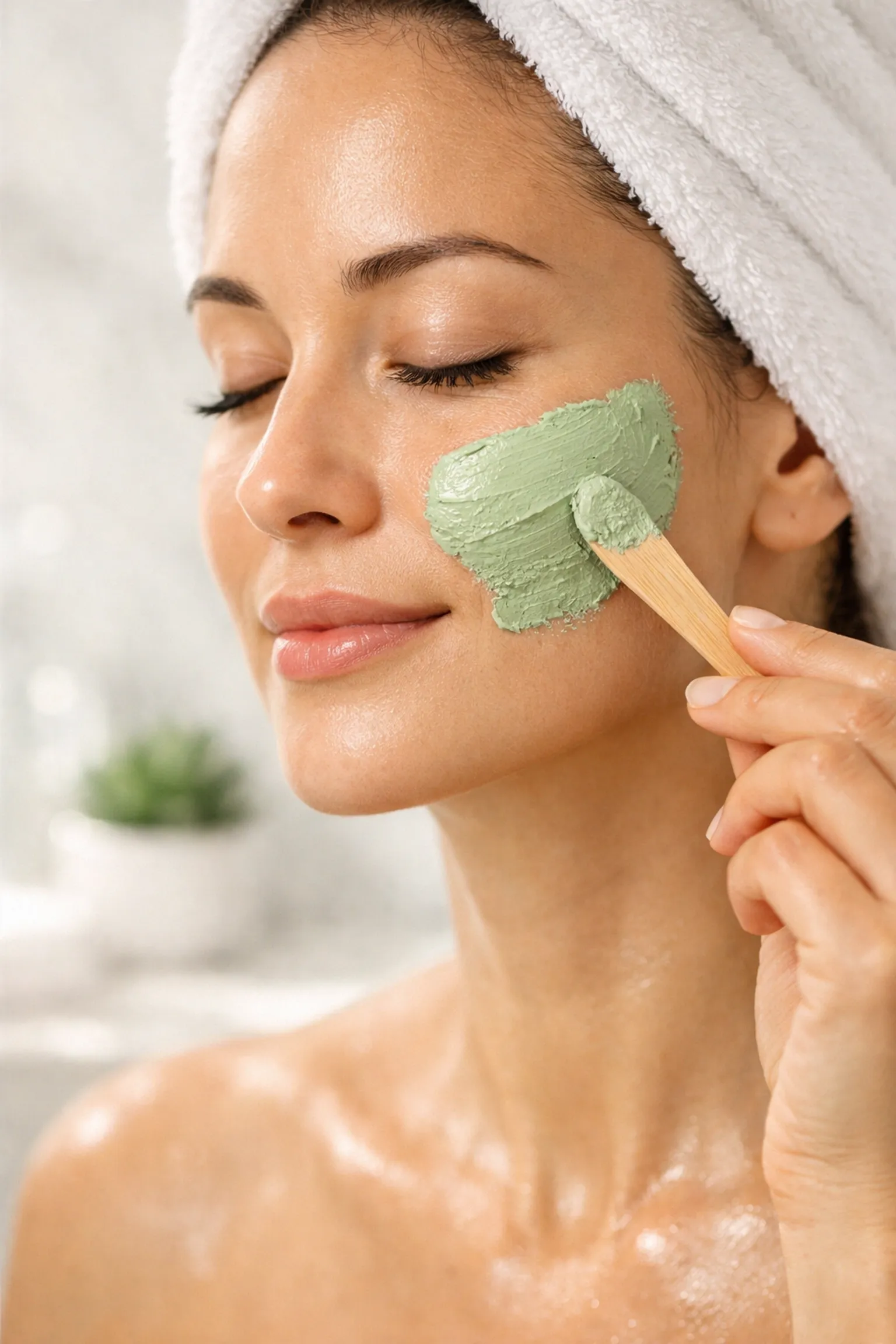
We’ve all been there. You apply a thick layer of bentonite clay, wait for it to dry until your face feels like a cracked desert floor, and then spend ten minutes scrubbing it off. Your skin looks clear, sure, but it also feels like it’s two sizes too small.
Bentonite clay is a powerhouse for natural healing and detoxification, but there is a very fine line between "deeply clean" and "dangerously dehydrated." If you’re wondering how often you can actually use this stuff without turning your face into parchment paper, you’re in the right place.
The Science of the "Suck"
Bentonite clay works through a process called adsorption and absorption. Because it carries a strong negative ionic charge, it acts like a magnet for positively charged toxins, heavy metals, and excess sebum (oil). When you mix it with water or apple cider vinegar, it swells up and gets ready to work.
However, bentonite doesn't just pick and choose what it takes. It’s thirsty. If you leave it on too long or use it too often, it will start pulling the actual water content out of your skin cells, damaging your moisture barrier. This is why understanding your frequency is more important than the brand you buy: though choosing a high-quality brand like Clayer certainly helps avoid the irritation caused by impurities.
Frequency Guide: How Often is Too Often?
Your skin type is the ultimate boss here. There is no "one size fits all" for clay masking. Here is the breakdown based on how your skin behaves:
1. Oily and Acne-Prone Skin (2-3 times per week)
If your face feels like an oil slick by noon, you can handle a higher frequency. Using bentonite clay two or three times a week helps manage that excess sebum before it turns into a breakout. It’s a great way to keep pores clear of the gunk that causes blackheads.
2. Normal or Combination Skin (1-2 times per week)
For most people, once a week is the sweet spot. It provides a "reset" for your skin without over-stripping it. If you have an oily T-zone but dry cheeks, try "multi-masking": only apply the bentonite to the oily spots and leave the rest of your face alone.
3. Dry or Sensitive Skin (Once every 7-14 days)
If your skin is already prone to flaking or redness, proceed with caution. Bentonite might actually be too aggressive for you. You might find that a gentler option, like French Green Clay, is a better fit. If you stick with bentonite, limit it to once every two weeks and never let it dry completely.

Signs You Are Overdoing It
Your skin will tell you if you're over-masking. Look out for these "stop right now" signs:
- Persistent Redness: A little flush after a mask is normal (it's increased blood flow), but if your face stays red for hours, you’ve irritated the barrier.
- Tightness: If it hurts to smile even after you’ve moisturized, your skin is dehydrated.
- Increased Oiliness: This sounds counterintuitive, but if you strip too much oil, your skin panics and produces more oil to compensate.
- Flaking or Peeling: This is a clear sign that the clay has sucked out your essential lipids.
How to Stay Hydrated While Using Clay
You don't have to give up the detox benefits just to keep your hydration. Here are a few "pro-level" tips for using bentonite clay safely:
Don't Let it Dry Completely
This is the biggest mistake people make. There are three stages of a clay mask:
- The Damp Phase: The skin absorbs minerals from the clay.
- The Start of the Dry Phase: The clay starts to contract and blood flow increases.
- The Bone-Dry Phase: The clay starts pulling moisture out of your skin.
You want to wash it off at the very end of phase two: when it feels slightly tacky but isn't cracking yet.
Mix with Hydrating Ingredients
Instead of just plain water, try mixing your bentonite clay with:
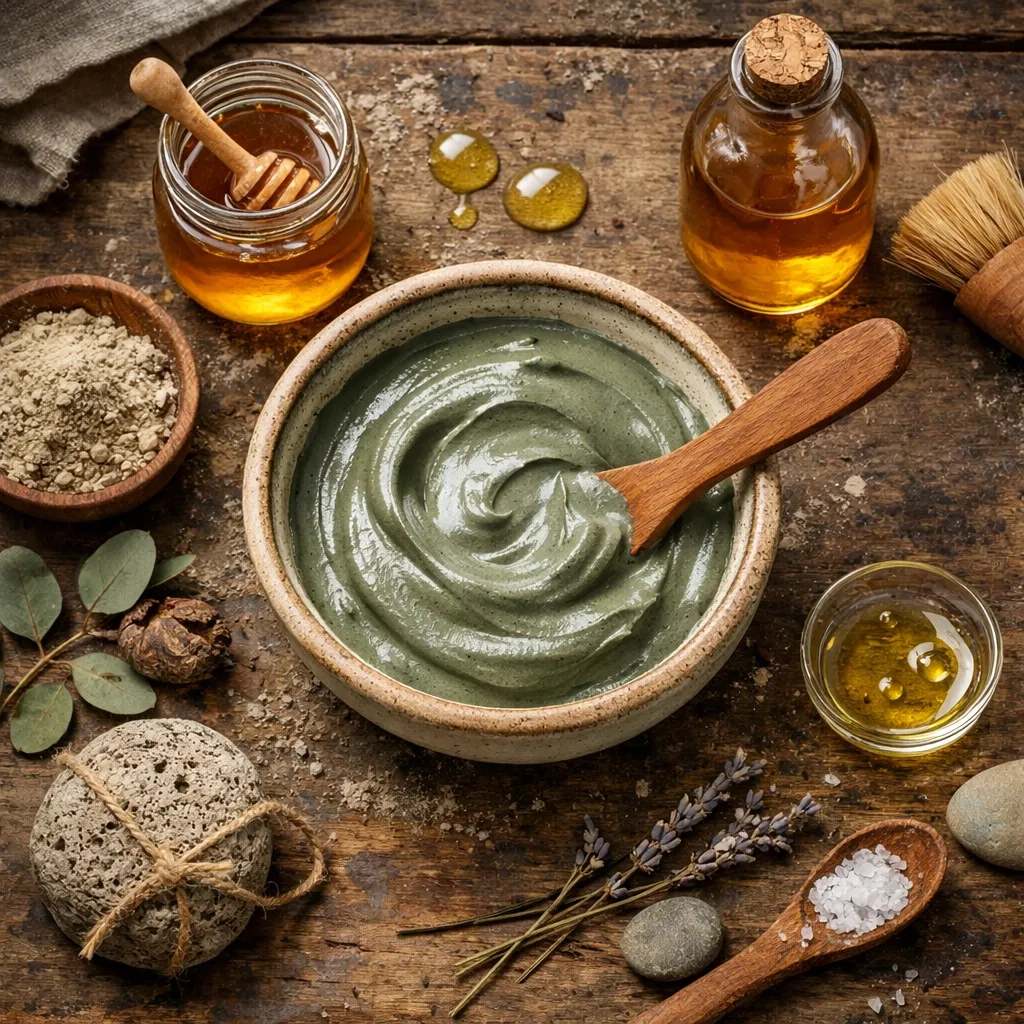
- Raw Honey: A natural humectant that keeps moisture locked in.
- Aloe Vera Juice: Soothes inflammation while the clay cleanses.
- Jojoba Oil: A few drops of oil in the mix can prevent the clay from being too aggressive on dry skin.
The Follow-Up is Key
The moment that clay comes off, your pores are open and your skin is ready to drink. Immediately apply a high-quality serum or moisturizer. If you’re using clay for natural healing of the body or muscles, a soothing balm is essential after the rinse.
Brand Matters: Aztec Secret vs. Redmond vs. Clayer
Not all clays are created equal. When we talk about drying out the skin, the purity of the clay plays a huge role. Impurities and heavy metals can cause contact dermatitis, which looks a lot like over-drying.
- Aztec Secret: The most famous bentonite. It’s powerful and very affordable, but it can be extremely harsh for beginners. Many users report significant redness. You can see a full breakdown in our Clayer vs Aztec Secret comparison.
- Redmond Clay: A solid, domestic choice known for its high mineral content and "Real Salt" origins.
- Clayer: While Clayer is a French Green Clay rather than a traditional Bentonite, it’s often the better choice for those concerned about drying. Because it’s been scientifically tested for heavy metals and purity, it tends to be much more "bio-compatible" with the skin. It provides the detox benefits without the "scorched earth" feeling of low-grade bentonite.

The Heavy Metal Conversation
You might be wondering why we harp on about purity. A study published in PMC highlighted that some clays sold for health purposes contain levels of lead and arsenic that should make anyone pause. When your skin barrier is compromised by over-masking, you are more susceptible to absorbing whatever is in that clay.
This is why we lean toward brands like Clayer that provide transparent lab results. If you are using clay frequently: especially for internal detox or long-term skin issues: knowing that your clay is "clean" is just as important as how often you use it.
Mixing for Success: ACV vs. Water
Most bentonite enthusiasts swear by Apple Cider Vinegar (ACV). Why? Because bentonite is naturally alkaline (high pH), and our skin's acid mantle is slightly acidic. ACV helps balance the pH of the mask so it doesn't disrupt your skin's natural chemistry as much as water might. However, if you have very sensitive skin, the ACV itself might be the thing causing the "dryness" or stinging. In that case, try a 50/50 mix of water and ACV.
Conclusion: Listen to Your Face
Bentonite clay is a fantastic tool for natural healing, whether you’re fighting acne or just want a deep seasonal detox. But more is not always better.
- Start slow: Once a week.
- Watch the clock: 5-10 minutes max.
- Hydrate: Before, during, and after.
If you find that bentonite is simply too drying no matter what you do, consider switching to a high-quality Illite or Kaolin clay. These provide a gentler pull while still delivering the mineral-rich benefits your skin craves.
For more guides on choosing the right clay for your specific needs, check out our ultimate guide to green clay or dive into the specifics of how to use clay for detox. Your skin will thank you!