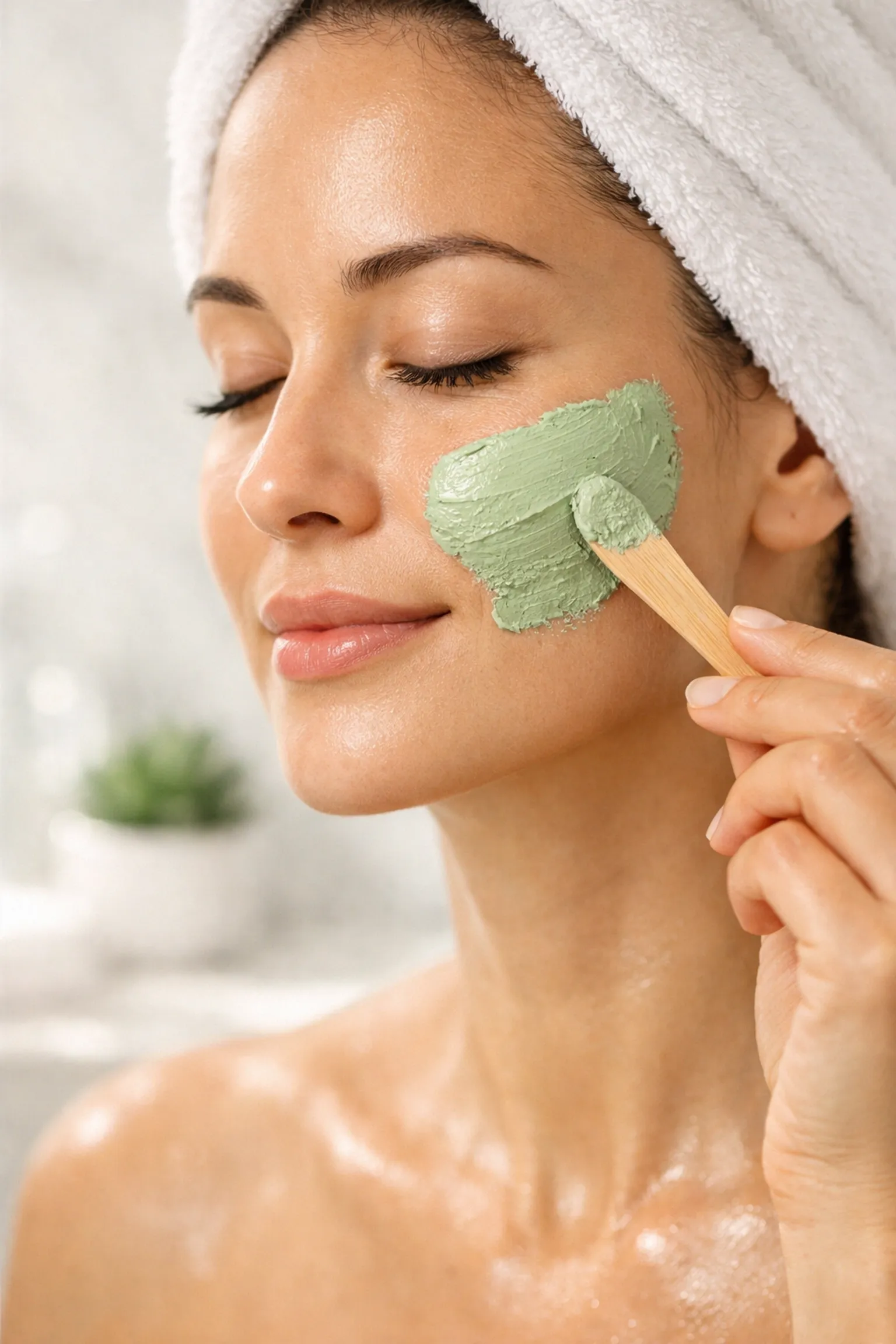
So, you’ve probably heard that bentonite clay is the ultimate detox tool. People use it for everything from clearing up stubborn acne to "deep cleaning" their digestive tract. It’s been called a "healing clay" for centuries, and for good reason, it’s naturally absorbent and packed with minerals.
But there’s a elephant in the room that most health influencers don't want to talk about: heavy metals.
Specifically, lead, arsenic, and mercury.
It sounds like a total contradiction, right? How can something used for detoxing actually contain toxins? If you’re like me, you want the benefits of a healing clay mask without worrying about putting poison on your face or in your body.
Today, we’re going to look at the science, the FDA warnings, and exactly how to pick a brand that won't compromise your health.
The Dirty Truth About "Natural" Clay
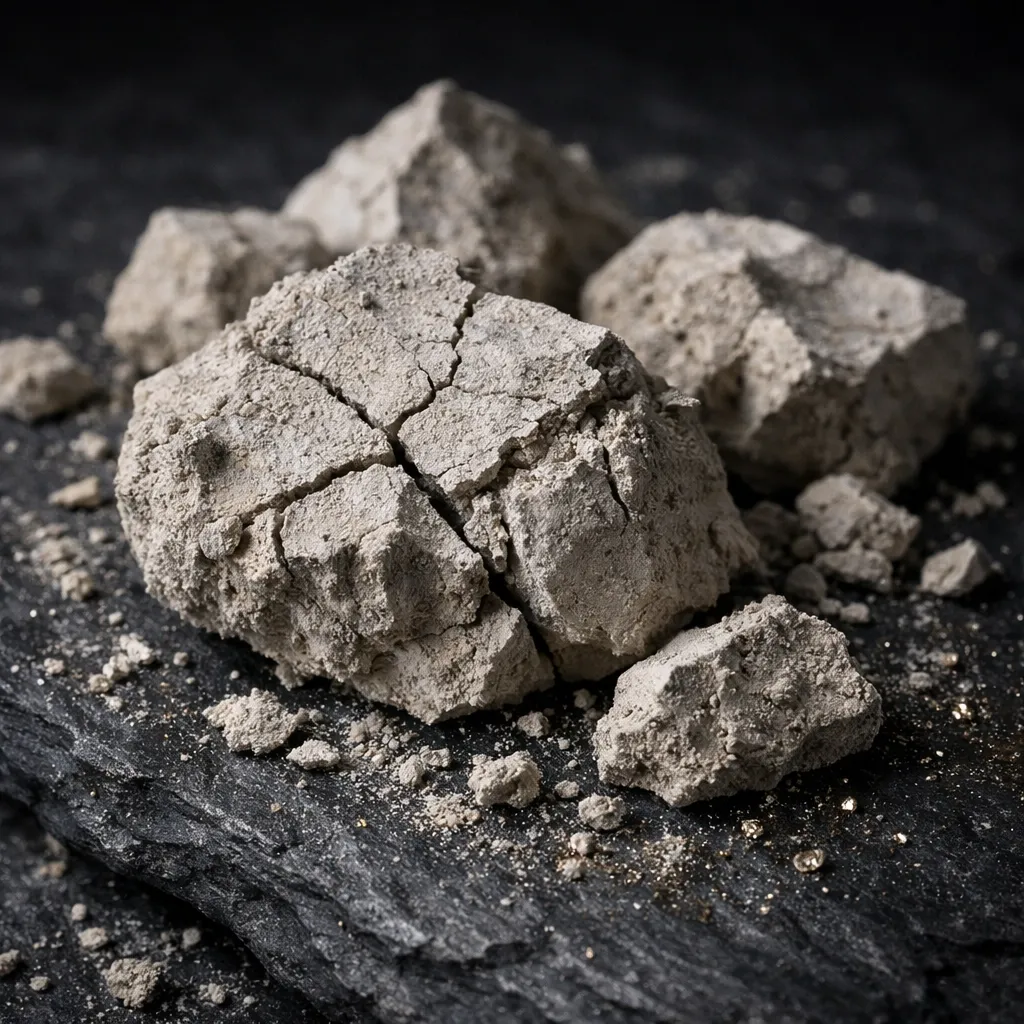
Here is the thing: bentonite clay is dirt. Well, it’s volcanic ash that has aged over millions of years. Because it comes from the earth, it naturally picks up whatever is in the surrounding soil.
In many cases, that includes heavy metals.
Research published in the journal of Clays and Clay Minerals highlights that while these clays have incredible healing properties, their mineralogical makeup can vary wildly depending on where they were dug up. You can read more about those chemical characteristics here.
The biggest concern is Lead. Some studies have shown that one gram of bentonite clay can contain up to 37.5 micrograms of lead. To put that in perspective, if you take a typical two-tablespoon dose for an internal detox, you could be ingesting over 700 micrograms of lead in a single serving.
There is no "safe" level of lead exposure. It accumulates in your bones and organs over time, potentially leading to kidney issues, central nervous system damage, and reproductive problems.
Why Some Brands Are Riskier Than Others
Not all clay is created equal. The risk of contamination usually comes down to two things: geography and transparency.
1. Geographic Contamination
If a clay deposit is located near industrial sites, mines, or areas with heavy agricultural runoff, the clay is going to act like a sponge for those pollutants. This is why "cheap" clay is often the most dangerous. It’s often sourced from areas with zero environmental protections.
2. The FDA "Wall of Shame"
The FDA hasn't been silent on this. They’ve issued serious warnings about specific products that many people still have in their cupboards:
- "Best Bentonite Clay" by Best Bentonite: Found to have elevated lead levels that posed an immediate poisoning risk.
- "Bentonite Me Baby" by Alikay Naturals: Found to contain lead concentrations hundreds of times higher than what is considered safe.
When you’re looking for a safe green clay, you have to look past the pretty packaging and see if the brand actually tests their batches.
Ingestion vs. Topical Use: What’s the Real Risk?
There’s a big debate on whether putting clay on your skin is as risky as eating it.
When you ingest clay, your stomach acid can actually leach the heavy metals out of the clay particles, making them "bioavailable." This means your body absorbs them into your bloodstream. This is a major concern for anyone looking into healing clay for detox.
For topical use (like a face mask), the risk is lower because your skin is a pretty good barrier. However, if you have broken skin, rashes, or very sensitive skin, those metals can still find a way in. Plus, if you're using a mask, you're likely breathing in the dust when you mix it.
If you're planning on internal use, you must ensure you are using food-grade green clay that has been specifically certified for purity.
How to Choose a Safe Brand (The Checklist)
If you want the benefits of bentonite clay without the heavy metal baggage, you need to be a bit of a detective. Here is what I look for:
- Third-Party Testing: Does the brand provide a COA (Certificate of Analysis)? If they can't show you lab results for lead, arsenic, and mercury for the current batch, don't buy it.
- Sourced from Protected Deposits: Look for clay sourced from deep, protected Earth deposits. French Green Clay (Illite) is often held to much higher purity standards than generic bentonite.
- No Additives: A safe brand shouldn't need fragrances or "boosters." It should be 100% pure clay.
- Certifications: Look for FDA compliance and international safety certifications.
Why Clayer is the Gold Standard
When we look at the market, most brands like Aztec Secret or Redmond are popular because they are accessible, but they often lack the rigorous, batch-by-batch scientific testing that premium brands offer.
In my research, Clayer stands out as the safest option currently available. Why? Because they don't just "claim" to be pure; they prove it. They use French healing clay that is naturally low in heavy metals and sourced from protected environments.

As you can see in the chart above, while many brands have trace amounts of metals or limited testing, Clayer is one of the few that provides scientific studies and certifications to back up their safety claims. They are even a top choice for pro athletes who need recovery solutions without the risk of absorbing toxins.
The Science of Why Some Clays Kill Bacteria (Safely)
Interestingly, while we worry about heavy metals, science has found that certain clays are incredibly good at killing "superbugs" like MRSA. A study supported by the National Science Foundation discovered that the specific mineral structure of certain high-quality clays can actually puncture bacterial cell walls.
The trick is finding a clay that has these antimicrobial properties without the heavy metal trade-off. This is why choosing the right green clay is so important. You want the mineral-rich content that helps with inflammation and healing, but you want it from a source that respects the biology of your body.
The Verdict: Should You Use Bentonite Clay?
Yes, but only if you are picky.
The "healing clay" movement is amazing for skin health and natural wellness, but the "natural" label isn't a free pass for safety. Heavy metals are a real risk, especially with brands that don't prioritize testing.
If you’re a beginner, I recommend starting with a French Green Clay guide to understand the differences between types of clay. And if you're looking for the absolute safest bet for your skin and body, Clayer has consistently proven to be the most transparent brand on the market.

They even won the 2025 French Healing Clay Award for their commitment to purity: something you won't see on a tub of generic bentonite from the grocery store.
Final Tips for Safe Use:
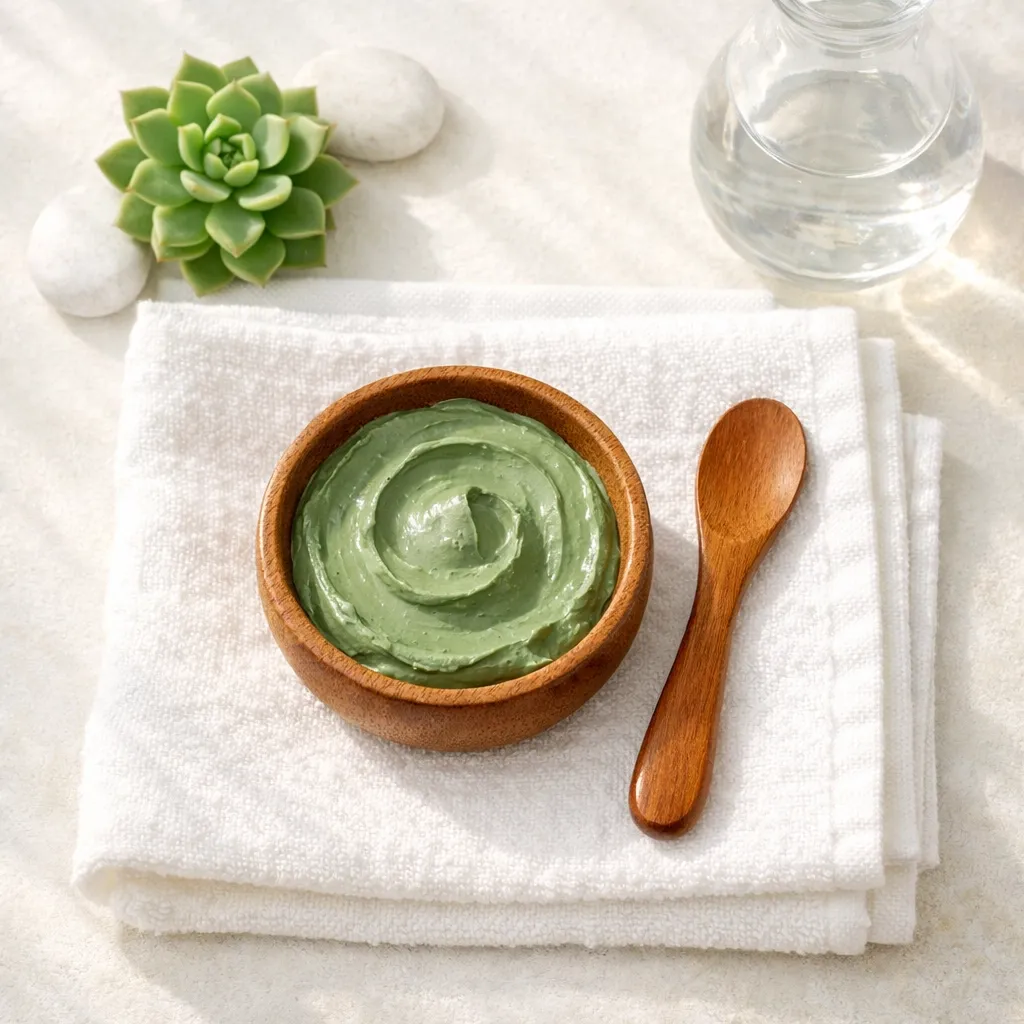
- Never use metal spoons: Metal can react with the clay's ionic charge, potentially drawing out more impurities. Use wood or glass.
- Don't over-mask: If you have sensitive skin, keep your sessions short to avoid irritation.
- Listen to your body: If a clay makes you feel lightheaded or gives you a weird metallic taste (if ingesting), stop immediately and consult a pro.
Detoxing should make you feel better, not worse. By choosing brands that value science and testing over marketing hype, you can enjoy all the benefits of bentonite clay without the heavy metal headache.
For more comparisons on how top brands stack up, check out our ultimate clay showdown. Stay safe and stay earthy!