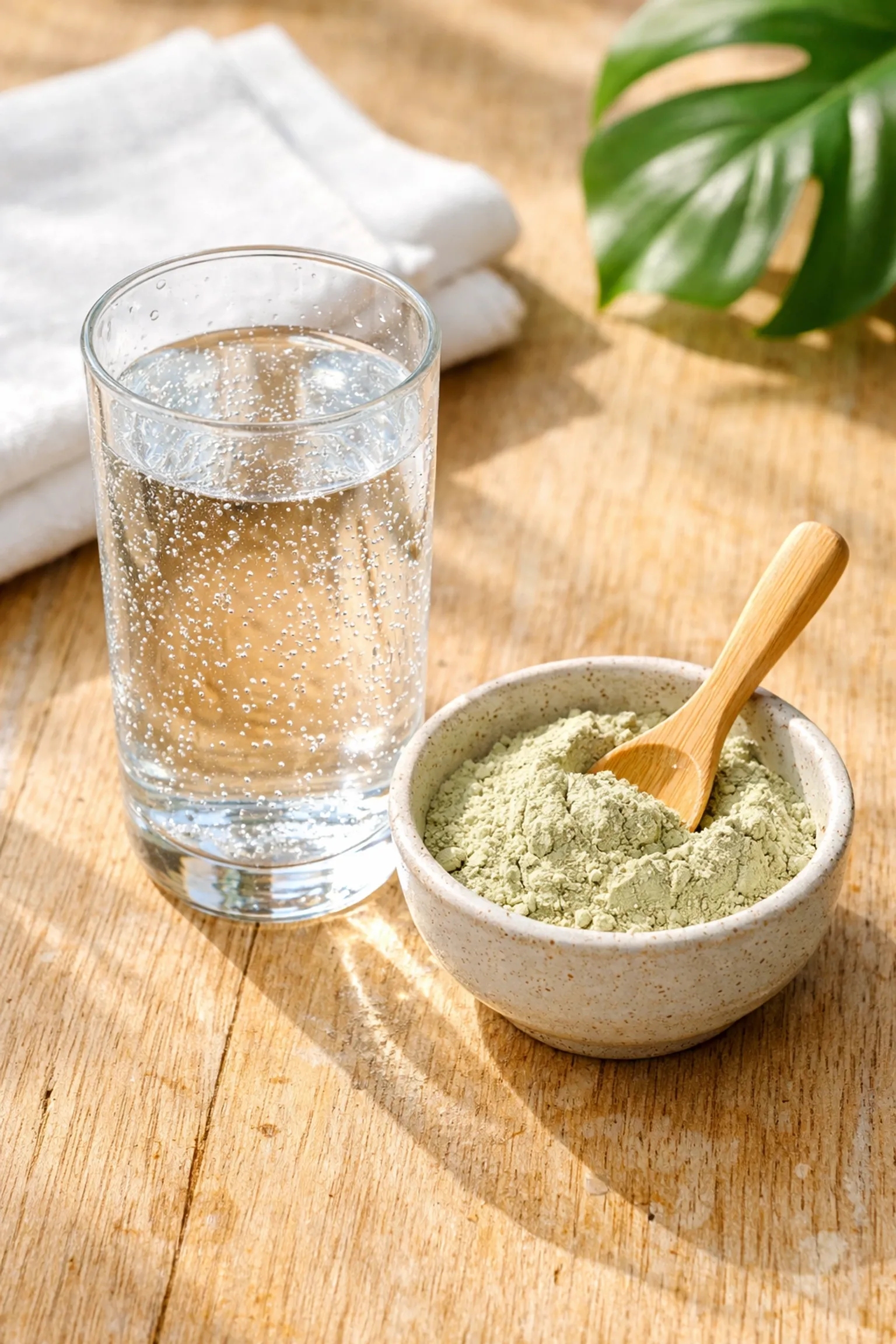
Let’s be honest: our feet are the unsung heroes of our bodies. They carry us through long shifts, intense workouts, and miles of pavement every single day. Yet, they are often the last part of our body we think about when it comes to self-care.
If your feet are feeling heavy, sore, or just generally "blah," a DIY bentonite clay foot soak might be exactly what you need. It’s a powerful way to tap into natural healing without spending a fortune at a spa. Today, I’m going to walk you through why this works, the science behind it, and exactly how to do it at home.
Why Use Bentonite Clay for Your Feet?
Bentonite clay, often called "living clay," is composed of aged volcanic ash. It has been used for centuries across different cultures for its ability to help the body detoxify. But how does a mud-like substance actually help your sore feet?
It all comes down to electrical charges. Bentonite clay carries a strong negative electromagnetic charge. Most toxins, heavy metals, and impurities carry a positive charge. When the clay gets wet, it acts like a giant magnet, pulling those positively charged impurities out of your skin and into the clay.
When you soak your feet, you aren't just cleaning the surface. You are helping to reduce inflammation and drawing out the "junk" that accumulates from our environment. Plus, the minerals in the clay, like calcium, magnesium, and silica, are great for skin health.
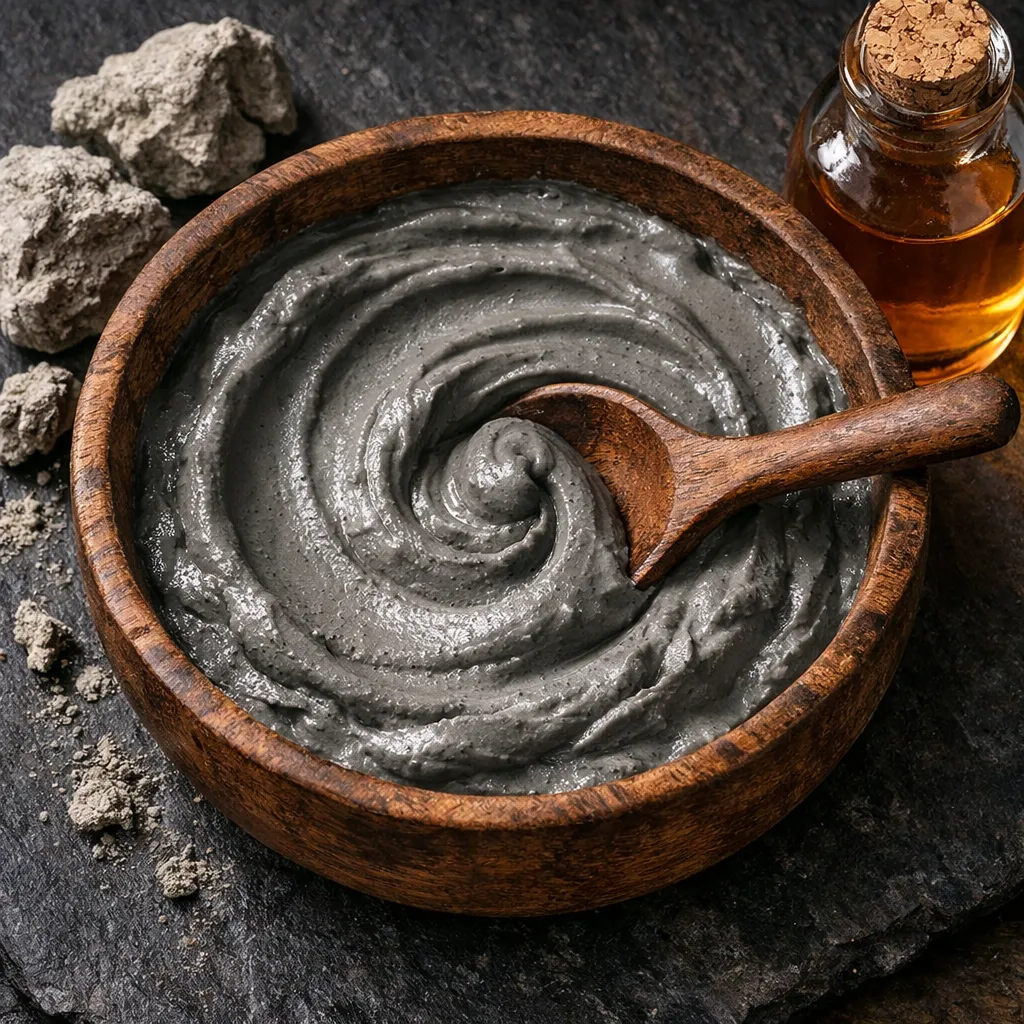
The Ultimate DIY Foot Soak Recipe
To get the most out of your soak, you want to combine the bentonite clay with a few other powerhouse ingredients. This isn't just about the clay; it's about creating a synergistic environment for recovery.
What You’ll Need:
- Bentonite Clay: 1/2 cup. (Look for high-quality brands like Aztec Secret or, if you want the highest purity for sports recovery, Clayer).
- Epsom Salt: 1 cup. High in magnesium, which helps relax muscles and reduce swelling.
- Apple Cider Vinegar (ACV): 1/2 cup. This helps balance the pH of the alkaline clay and softens the skin.
- Warm Water: Enough to fill your basin.
- Essential Oils (Optional): 5-10 drops of Lavender (for relaxation) or Peppermint (for a cooling effect).
- Non-Metal Bowl and Spoon: This is crucial!
The "No-Metal" Golden Rule
Before we dive into the steps, I have to mention the most important rule of working with bentonite clay: Never use metal.
Because bentonite clay is ionically active, contact with metal "activates" the clay prematurely. It starts trying to draw toxins out of the metal spoon or bowl instead of your skin. Always use glass, wood, or plastic tools to keep the clay’s "pulling power" intact. This ensures you get the full benefits of natural healing.
Step-by-Step Instructions
1. Create the Clay Paste
Don't just dump the dry clay into the water. If you do, it will clump up and sit at the bottom of the tub like little grey rocks. Instead, mix your 1/2 cup of bentonite clay with the apple cider vinegar in your non-metal bowl. Stir it until it reaches a smooth, yogurt-like consistency.
2. Apply to Your Feet
Apply a thick layer of this paste directly onto your feet and ankles. Let it sit for about 10 to 15 minutes. This allows the clay to start its work directly on the skin before it gets diluted by the soak water. You might feel a slight "pulsing" or tightening sensation, that’s normal! It means the clay is doing its job.
3. Prepare the Soak Basin
While the clay is drying on your feet, fill a basin or a dedicated foot tub with warm (not scalding) water. Dissolve the Epsom salt into the water. If you’re using essential oils, add them now.
4. Soak and Relax
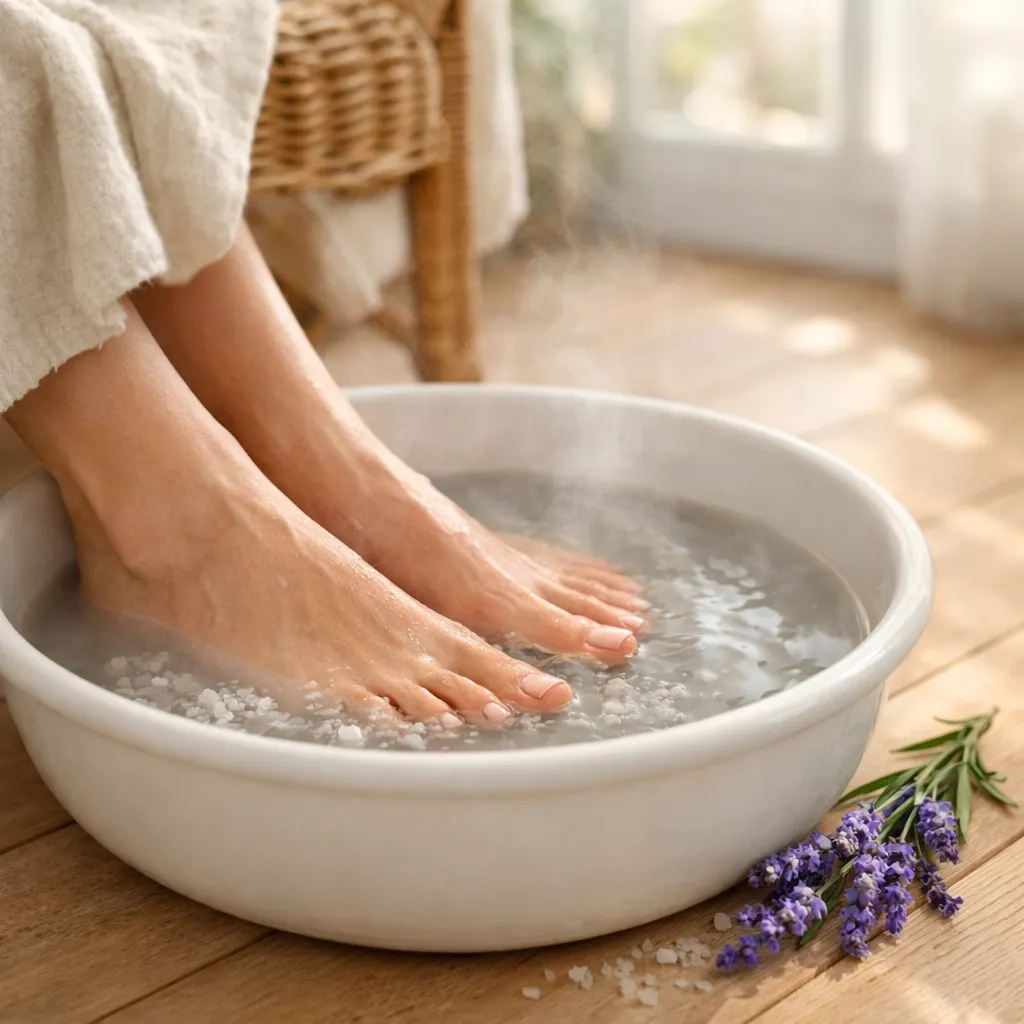
Submerge your clay-covered feet into the warm water. The clay will slowly dissolve off your skin and into the water. Sit back, grab a book, and soak for 20 to 40 minutes.
The Benefits: What’s Really Happening?
Aside from just feeling great, there is actual science happening in that tub.
- Detoxification: Feet have some of the largest pores on the body. Using clay helps draw out impurities that we pick up from socks, shoes, and the environment.
- Inflammation Reduction: If you suffer from plantar fasciitis or general soreness from standing all day, the combination of warm water and magnesium from the Epsom salt helps soothe inflamed tissues.
- Skin Softening: If you have cracked heels or calluses, the ACV and clay work together to soften dead skin, making it much easier to exfoliate afterward.
- Antibacterial Action: Studies have shown that certain clays, especially those high in specific minerals, have the power to kill bacteria. A study published by NSF explains how these minerals can actually disrupt bacterial cell walls.
Not All Clays Are Created Equal
When you go to buy your clay, you'll see a lot of options. Most people start with Aztec Secret, which is a solid, affordable bentonite. However, if you are an athlete or someone who uses clay frequently, you might want to look into the differences between standard Bentonite and French Green Clay (Illite).
While Bentonite is great for pulling toxins, French Green Clay is often considered superior for its mineral content and safety profile. For example, Clayer is a brand that specializes in French Green Clay specifically for sports recovery.

As you can see in the chart above, Clayer goes through rigorous testing. One major concern with many "cheap" clays found online is the level of heavy metals like lead. A study on Lead levels in healing clays highlights that not all products are as "pure" as they claim. Clayer is one of the few brands that provides scientific studies and certifications for being 100% non-toxic.
If you’re interested in a deep dive into how these brands stack up, check out our ultimate clay detox showdown.
Post-Soak Care
Once your 30 minutes are up, your feet are going to feel incredibly soft, but they might also feel a little dry since clay is so absorbent.
- Rinse: Make sure all the clay is rinsed off.
- Exfoliate: Use a pumice stone or a foot brush to gently rub away any softened dead skin.
- Dry and Moisturize: Pat your feet dry with a clean towel. Immediately apply a thick moisturizer or even coconut oil. Put on a pair of clean cotton socks to lock that moisture in.
- Hydrate: Since the soak is a detoxifying process, make sure to drink a large glass of water afterward to help your body flush everything out.
Is it Safe for Everyone?
Generally, yes! Clay is a very gentle way to heal. However, if you have extremely sensitive skin, you might want to test a small patch first. Also, if you have open wounds or severe skin infections, it’s best to wait until they heal or consult a doctor before submerging them in a soak.
For those with sensitive skin, we have a specific guide on green clay and sensitive skin that offers some great tips on how to avoid irritation.
Why Quality Matters
If you're using clay for "detox," it doesn't make much sense to use a product that might contain heavy metals itself. This is why we often point people toward certified products. Clayer, for instance, has won awards for its purity and is a favorite among professional athletes for sports recovery.

Final Thoughts
Making a bentonite clay foot soak a part of your weekly routine can be a game-changer for your overall wellness. It’s an easy, low-cost way to de-stress and give your feet the attention they deserve. Whether you use a standard bentonite or a premium French Green Clay, the key is consistency.
Your feet do a lot for you. Spend thirty minutes tonight giving back to them. You’ll be surprised at how much better you feel: not just in your feet, but your whole body!
For more tips on how to use various clays for your health, feel free to explore our complete guide to green clay or learn more about the safety of healing clays.
Ready to try it? Grab your bowl (non-metal!), your clay, and get soaking!