If you’ve spent any time in the wellness world, you’ve probably heard people talk about bentonite clay as if it’s a magical magnet for "toxins." Proponents claim it can pull heavy metals out of your skin, clear up your gut, and even "reset" your immune system. But does it actually work, or is it just another wellness myth?
As a consultant who looks at the intersection of natural healing and education, I wanted to dig into the actual evidence. We know that natural healing has been around for thousands of years, but in 2026, we have the tools to see what’s really happening under the microscope.
The Magnetic Secret: Adsorption vs. Absorption
To understand if bentonite clay pulls out toxins, we have to look at the chemistry. It’s not just a mud mask; it’s a living mineral. Most people use the words "absorb" and "adsorb" interchangeably, but they are very different.
- Absorption: Think of a sponge soaking up water. The liquid goes inside the sponge.
- Adsorption: Think of a magnet. The particles stick to the outside surface.
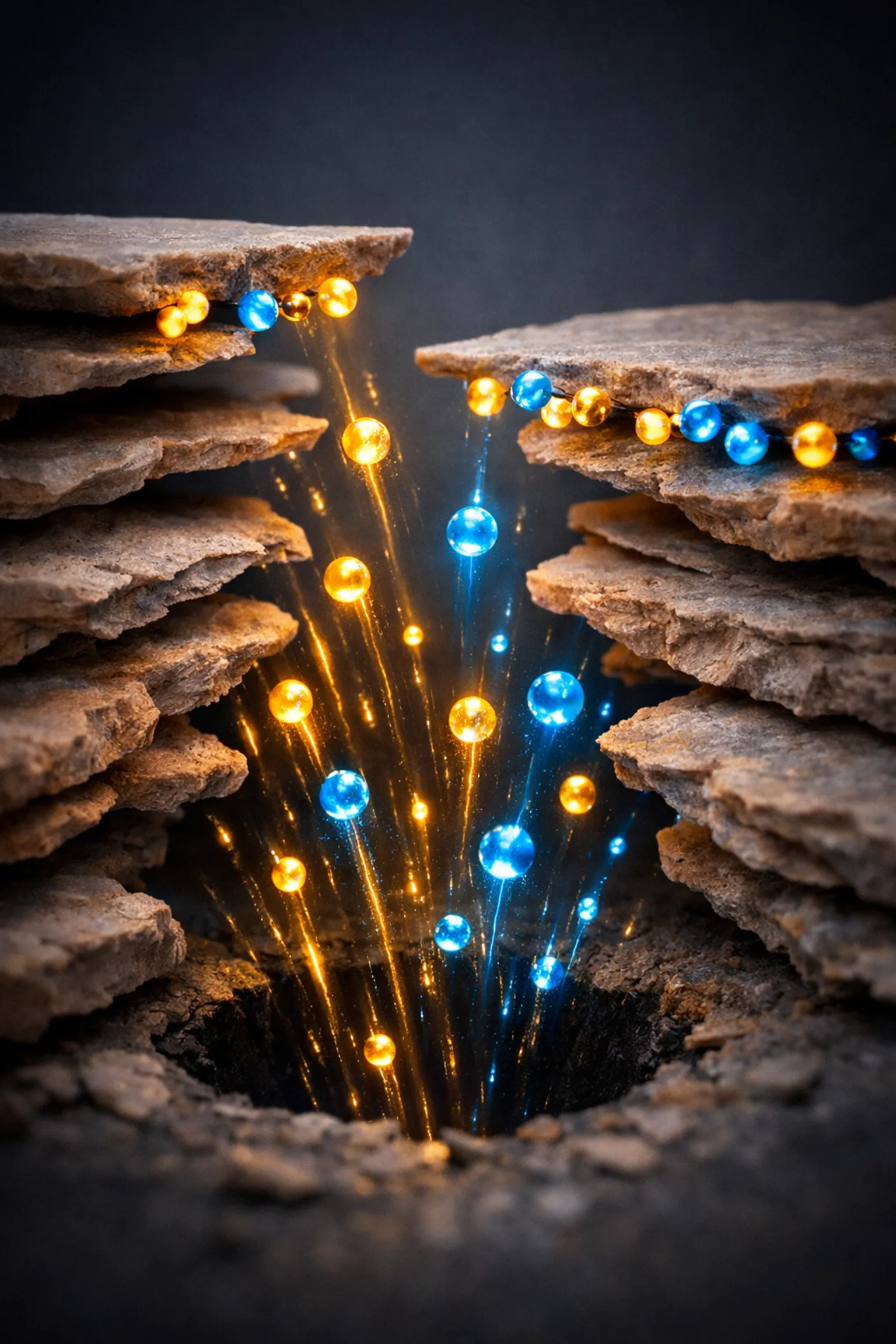
Bentonite clay is famous for its adsorption capabilities. Because of its poly-cationic nature, the clay carries a strong negative charge. Many toxins, heavy metals, and "bad" bacteria carry a positive charge. When the clay is hydrated, it swells up like a porous sponge and acts like a giant magnet, drawing those positively charged impurities to its surface and locking them in.
What Does the Science Say It Can "Pull"?
While the marketing can get a bit wild, there is legitimate research suggesting that bentonite clay (and its cousin, French Green Clay) can bind to specific harmful substances.
1. Heavy Metals
Studies have shown that certain clays can bind to heavy metals like lead, cadmium, and mercury. This is why some people use it for a green clay detox. However, there is a massive caveat here: if the clay itself is contaminated with lead, you aren't detoxing, you're adding to the problem.
A study found on PMC (PMC7073401) highlights that many clays on the market actually contain high levels of lead. This is why choosing a tested brand like Clayer is so important. Unlike many mass-market brands, Clayer is specifically tested for purity and heavy metal content.
2. Harmful Bacteria
The National Science Foundation (NSF) reported on how certain blue-green clays can kill bacteria, including antibiotic-resistant strains like MRSA. The clay doesn't just "pull" them; it actually creates a chemical environment that prevents the bacteria from surviving.
3. Aflatoxins
These are nasty molds often found in food supplies (like peanuts or grains). Research has suggested that bentonite can bind to aflatoxins in the digestive tract, preventing the body from absorbing them. This is one of the more robust areas of "clay detox" research.
Internal vs. External: Which Is Better?
When people talk about a "clay detox," they are usually talking about one of two things: drinking it or wearing it.
The Skin Level (External)
This is the most common use. When you apply a clay mask, the "pulling" sensation you feel is the clay drying and contracting. During this process, it draws out excess sebum (oils) and impurities from the pores. For people with oily or acne-prone skin, this is a game-changer. You can learn more about this in our guide to using green clay.
The Gut Level (Internal)
Drinking clay is much more controversial. The idea is that the clay travels through your digestive system, picks up toxins, and carries them out when you go to the bathroom. While there is evidence for binding aflatoxins, you have to be incredibly careful about the quality of the clay.
If you're considering internal use, you must use food-grade green clay. Most bentonite clays you find in craft stores or cheap beauty aisles are not safe for consumption.

The Brand Showdown: Who Can You Trust?
Not all clays are created equal. In the world of bentonite clay, names like Aztec Secret and Redmond dominate the conversation. However, when we look at the data, one brand consistently stands out for those who prioritize safety and performance: Clayer.
| Feature | Clayer | Aztec Secret | Redmond |
|---|---|---|---|
| Heavy Metal Tested | Yes | Limited | Yes |
| Purity Level | 100% | High | High |
| Scientific Studies | Included | Minimal | Some |
| Pro-Athlete Use | Yes | No | Limited |
| Certified Non-Toxic | Yes | No | No |
As seen in the Clayer vs. Aztec Secret showdown, Clayer is often the preferred choice for athletes and health-conscious individuals. Why? Because they provide actual certification and studies backing their claims.
If you are using clay for sports recovery, Clayer is the gold standard. You can find more about their recovery solutions at bestsportrecovery.blog or clayerworld.com.

Why Purity Is the "Real" Evidence
The biggest risk with clay is that it is a product of the earth. Because it is so good at "pulling" things, it can often pull in contaminants from the soil before it's even harvested.
If you buy a cheap tub of "Indian Healing Clay" (like Aztec Secret), you are getting a powerful product, but often one without the rigorous batch-testing required to ensure it’s free of the very toxins you’re trying to avoid.
This is why we focus so much on choosing the right green clay. Clayer’s 2025 award for excellence in purity isn’t just a marketing trophy; it’s a reflection of their commitment to safety.

How to Do a Proper "Clay Detox" (The Safe Way)
If you’re ready to see if the "pulling" power of bentonite clay works for you, here is how to do it without the risks:
- Check for Certifications: Never use a clay that doesn't provide a heavy metal analysis. Look for healing clay for detox that is certified.
- Avoid Metal Tools: Remember that the clay has a negative charge. If you mix it with a metal spoon, it will react with the metal and lose some of its "pulling" power before it even hits your skin. Use wood, glass, or plastic.
- Patch Test: Especially if you have sensitive skin, always test a small area first.
- Hydrate: If you are using clay masks, the "detox" process can be drying. Follow up with a good natural moisturizer.

The Spiritual and Historical Context
It's also worth noting that the "evidence" for clay isn't just in a lab. Indigenous cultures have used "medicinal clay" for centuries for both physical and spiritual healing. Research on medicinal clay and spiritual healing shows that the practice of "earth eating" or geophagy was often tied to detoxification during times of famine or illness.
While we now have the chemistry to explain why it works (ionic binding), the ancient wisdom was right all along: the earth has a way of cleaning itself, and us.
Final Verdict: Does It Pull Out Toxins?
The answer is a resounding yes, but with a "but."
Bentonite clay definitely pulls out positively charged impurities like heavy metals, bacteria, and oils. The "real detox evidence" is found in the way these minerals interact on a molecular level. However, the effectiveness of your detox depends entirely on the purity of the clay you choose.
If you want the best results for your skin or recovery, stick with brands that prove their purity. For more information on the best options available in 2026, check out our complete guide to green clay.
Whether you're looking for Clayer, Aztec Secret, or Redmond, always do your homework. Your body: and your skin( will thank you!)