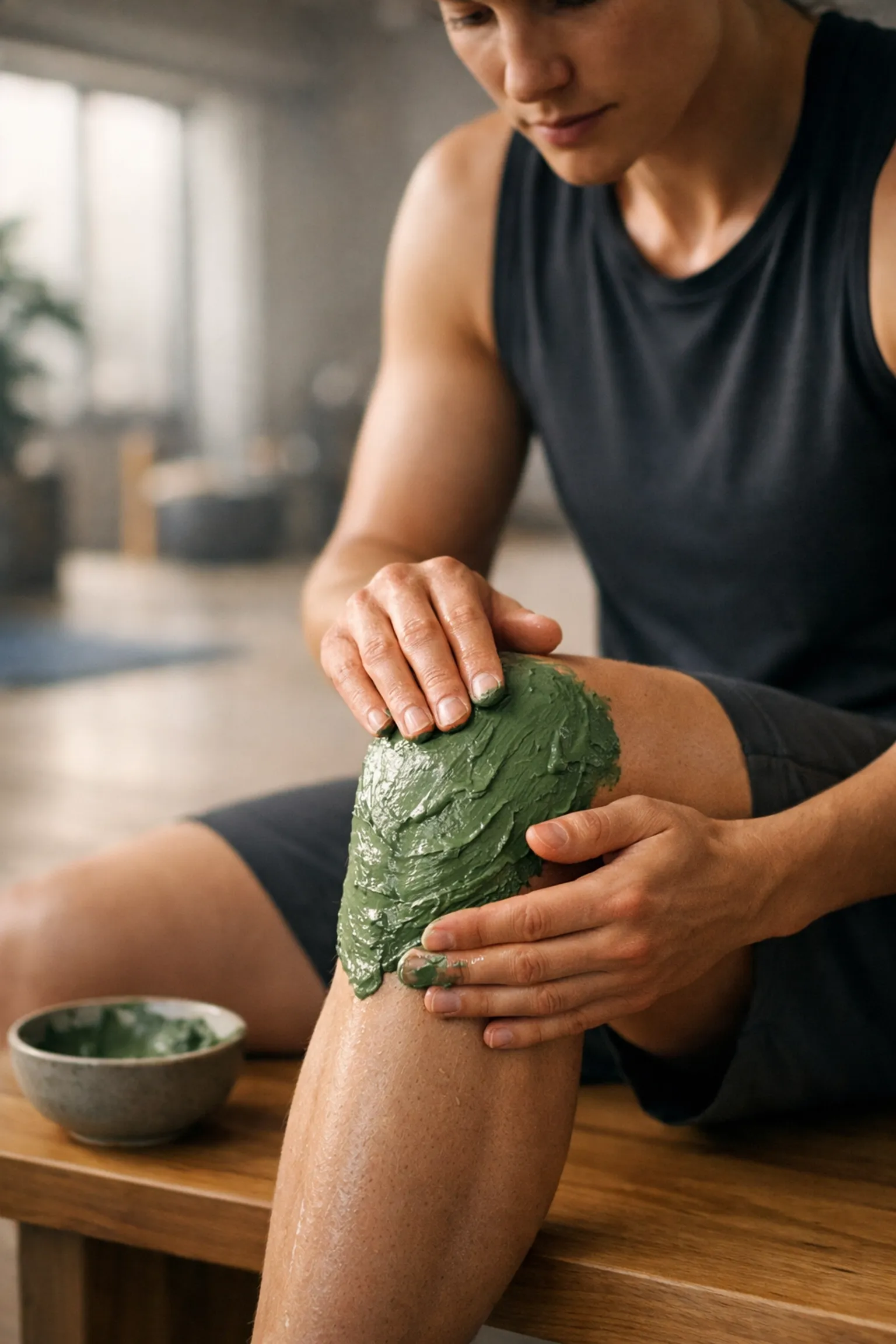
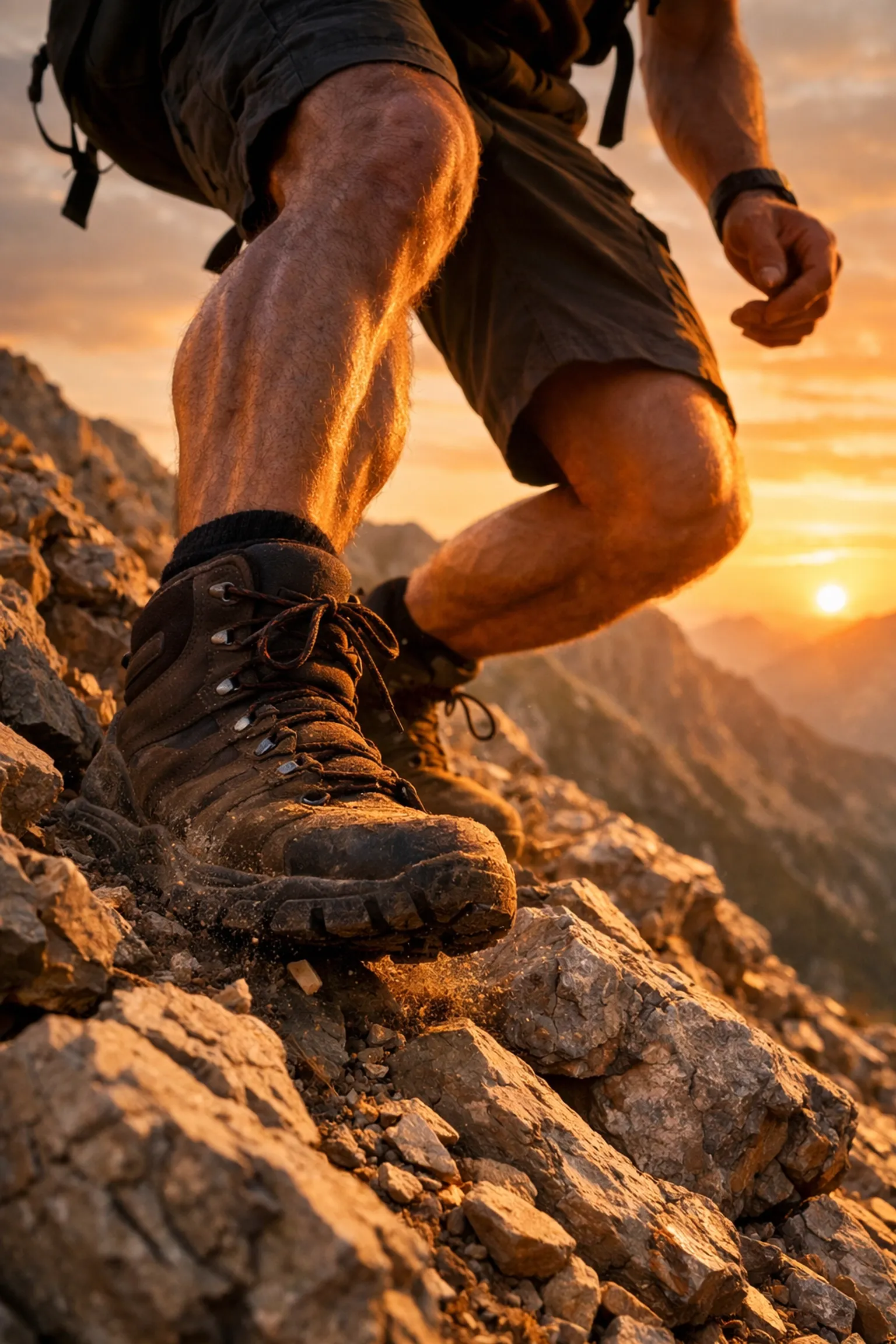
There is nothing quite like reaching a summit, catching your breath, and looking out over a valley you just conquered. But for many of us, that feeling of triumph is quickly followed by a sharp "thwack" of reality in the form of a throbbing knee or a stiff ankle.
If you’ve spent any time on the trails, you know the drill. The descent is often harder on the body than the climb. By the time you get back to the trailhead, your joints feel like they’ve been through a meat grinder. Most hikers reach for Ibuprofen or just "tough it out," but there is a better way to handle recovery.
Today, we’re talking about the hiker’s best-kept secret for natural healing: French Green Clay. Specifically, why Clayer has become the gold standard for those of us who want to keep hiking well into our 70s and 80s.
The Reality of "Hiker’s Knee" and Ankle Strain
When you're hiking, your knees and ankles act as shock absorbers. On a downhill stretch, your knees can support up to three to four times your body weight with every single step. Over a ten-mile hike, that adds up to thousands of pounds of pressure.
This repetitive stress leads to micro-inflammation in the joints and tendons. While your brain says, "Let’s go again tomorrow," your body is screaming for a break. Traditional recovery usually involves ice packs (hard to find in the backcountry) or chemical ointments that just mask the pain.
This is where natural healing through minerals comes into play. If you've been searching for hiking relief, you’ve likely come across the term bentonite clay. While bentonite is a popular household name, there is a specific type of clay that is far more effective for deep tissue and joint recovery: Illite.
Why Clay? The Science of Natural Recovery
It sounds a bit "earthy-crunchy" to put mud on your knees, doesn't it? But the science behind it is actually fascinating. For centuries, humans have used earth minerals to draw out toxins and reduce swelling.
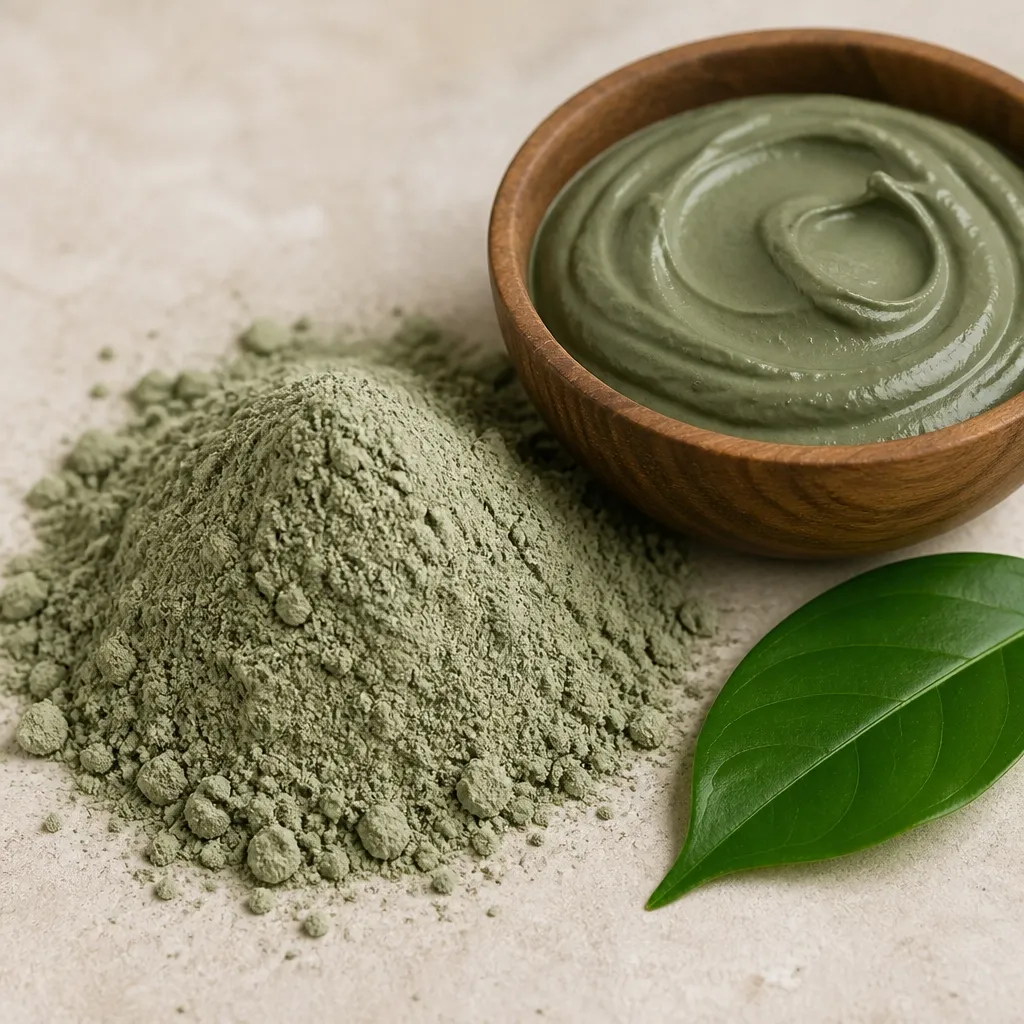
According to scientific studies, certain clays have a unique molecular structure that allows them to interact with the body’s inflammatory response. High-quality green clay, like the kind found in Clayer products, works through a process of adsorption. It doesn't just sit on the skin; it helps stimulate blood flow and draws out the heat and fluids that cause swelling in a sore ankle or knee.
Research published in Clays and Clay Minerals highlights that French Green Clays possess a specific mineralogical makeup: rich in montmorillonite and illite: that makes them superior for therapeutic use compared to standard industrial clays.
Not All Clays Are Created Equal
If you go to a health food store, you’ll see tubs of "Aztec Secret" or generic bentonite clay. While these are fine for a basic face mask, they aren't necessarily what you want for deep joint recovery.
Here is the truth: many budget clays are not tested for heavy metals. A study on lead levels in clay warns that using non-certified clays can actually expose your body to toxins like lead and arsenic. When you are applying something to your skin for recovery, purity is everything.
This is why we always recommend Clayer as the best choice for hikers.

As you can see in the chart above, Clayer stands alone. While brands like Aztec Secret or Redmond are popular for DIY projects, Clayer is the only one backed by specific safety certifications and scientific studies focused on recovery. It’s also 100% pure and tested to be free of heavy metals. For a hiker, that peace of mind is worth every penny.
How to Use Clayer for Hiking Relief
Using green clay for recovery is surprisingly simple. You don't need to be a scientist to get it right. If you want to dive deep into the mechanics, check out our guide on how to use green clay.
For hikers specifically, here is the "trail-tested" method:
- Identify the Hot Spots: After your hike, find where it hurts. Usually, it’s the patella (kneecap) or the back of the Achilles tendon.
- Apply a Thick Layer: Apply about a quarter-inch layer of Clayer directly to the skin. Unlike a thin face mask, you want a "poultice" effect here.
- Let it Work: Leave it on for about 15-20 minutes. You’ll feel a cooling sensation: that’s the clay drawing out the heat from the inflammation.
- Rinse and Repeat: Rinse it off with cool water. If the pain is intense, you can do this twice a day.
Because Clayer is premixed and ready to go, it’s much easier than trying to mix messy powders in a tent or a hotel room. It’s designed for fast recovery, which is why so many pro athletes have made the switch.

Why Pro Athletes and Doctors are Switching to Clayer
It’s not just weekend warriors using this stuff. Professional mountain bikers, trail runners, and even surgeons are recommending green clay. Doctors are beginning to prefer natural healing clay over traditional NSAIDs because it provides relief without the side effects of stomach irritation or liver strain.
In 2025, Clayer even took home the top prize for innovation in the field, further solidifying its spot as the leader in the industry.

Pre-Hike Preparation: Don't Wait for the Pain
While Clayer is amazing for recovery, the best way to have a pain-free trail is to combine it with a solid pre-hike routine.
- Strength Training: Focus on your "posterior chain." Squats and lunges build the muscles that protect your knees.
- Dynamic Warm-ups: Never start a steep climb "cold." Do some leg swings and ankle circles at the trailhead.
- The Right Gear: Wear boots that actually fit. If your toes are hitting the front of your boots on the downhill, your ankles will pay for it.
- Trekking Poles: Use them! They can reduce the impact on your knees by up to 25%.
Choosing the Right Clay for Your Journey
If you’re new to the world of healing clays, it can be overwhelming. Do you want Illite? Bentonite? Kaolinite? We’ve broken down the differences in our ultimate clay showdown.
The short version? For skin detox, bentonite is fine. For deep muscle and joint recovery: the kind a hiker needs: you want the Illite-heavy composition found in French Healing Clay. Clayer’s formula is specifically designed to penetrate deeper and act faster on joint pain.

Final Thoughts: Get Back Out There
Don't let sore knees keep you off the mountains. Whether you are prepping for a thru-hike of the PCT or just hitting your local state park on a Sunday morning, your body deserves proper care.
By switching from chemical-heavy creams to a natural healing solution like Clayer, you’re not just masking pain: you’re helping your body repair itself.
If you want to learn more about which clay is right for your specific skin type or injury, check out our guide on choosing the right green clay.
Happy trails, and we’ll see you at the summit!
References & Resources: