We’ve all been there. It’s 10:00 PM on a Tuesday, you’ve had a long day, and you decide it’s finally time for some self-care. You spread a thick, cooling layer of green clay over your face, lean back on the couch, and, oops. You wake up three hours later (or worse, the next morning) with a face that feels like it’s been vacuum-sealed and cracked like a dry lake bed in the Sahara.
If you’re wondering, "Is it okay if I just sleep in my clay mask?" the short answer is a very firm no.
While the idea of an "overnight detox" sounds great in theory, the way clay interacts with your skin makes it a recipe for irritation, dehydration, and a damaged skin barrier. Let’s dive into why you should never let your mask reach the "crunchy" stage, and how to use clay the right way for actual results.
The Three Phases of a Clay Mask
To understand why sleeping in a clay mask is a bad idea, you have to understand how clay actually works on your skin. It doesn’t just sit there; it goes through three distinct stages.
1. The Wet Phase
This is when you first apply the mask. At this stage, your skin is soaking up all the good stuff: the minerals like silica, magnesium, and calcium found in high-quality French Green Clay. This is the "nutrient delivery" phase.
2. The Cooling Phase
As the mask starts to dry slightly, it begins to contract. This creates a cooling sensation and starts the process of "osmosis," where the clay pulls excess oils and debris out of your pores. You might feel a slight tingle here. This is usually the sweet spot where you want to wash it off.
3. The Dry Phase
This is the danger zone. Once the mask turns light in color and feels brittle or itchy, it has finished pulling out the "bad" stuff and has started pulling out the "good" stuff: namely, the moisture your skin needs to stay healthy.

Why Overnight is Overkill
When you sleep with a clay mask on, you are spending 7 to 8 hours in that "Dry Phase." Here is what is actually happening to your face while you’re catching Z’s:
Extreme Dehydration
Clay is naturally astringent and absorbent. Its job is to suck up oil. When left on too long, it doesn't know when to stop. It will continue to pull moisture from the deeper layers of your dermis. This can lead to "rebound oiliness," where your skin panics because it’s so dry and overproduces oil to compensate, leading to more breakouts: the exact thing you were trying to fix.
Skin Barrier Irritation
Your skin barrier is a delicate balance of lipids and moisture. Prolonged exposure to drying clay can cause micro-tears and intense redness. For those with sensitive skin, this can result in contact dermatitis. If you want to know more about keeping things safe, check out our guide on is green clay safe.
The "Cracking" Problem
As you move in your sleep, a fully dried clay mask will crack. These tiny shards of dried earth can be abrasive against your pillowcase and your skin, causing physical irritation. Plus, cleaning green clay out of your sheets is a nightmare you don't want to deal with.
Skincare Masks vs. Sleeping Masks
There is a big difference between a clay mask and a sleeping mask.
Sleeping masks (often called "overnight packs") are usually cream or gel-based and are designed to be occlusive: meaning they lock moisture in. Clay masks are designed to pull things out. Using a clay mask as a sleeping mask is basically doing the opposite of what the product was intended for.
As noted in various healing clay mask guides, the goal is a balanced detox, not a total moisture strip.
Quality Matters: Why "Cheap" Clay is Riskier
If you do accidentally fall asleep in a mask, the quality of the clay you used matters immensely. Many popular brands, like Aztec Secret or generic Bentonite clays, can be incredibly harsh and sometimes even contain impurities.
According to scientific studies, not all clays are created equal. Some "healing" clays found in health stores have been found to have concerning levels of heavy metals like lead (Source: PMC7073401). If you leave a contaminated clay on your skin for 8 hours, you are significantly increasing the time your body has to absorb those toxins.
This is why we often highlight brands like Clayer. Clayer uses authentic French Green Clay (Illite) that is specifically tested for heavy metals and is certified non-toxic. When you are putting earth on your face, you want to make sure it’s the cleanest earth possible. Clayer’s products are even used by pro athletes for recovery because of their purity and mineral density. You can see how they stack up against the competition here: Clayer vs. Aztec Secret.

What to Do If You Accidentally Slept in a Mask
Don't panic! If you woke up looking like a cracked statue, here is your rescue plan:
- Don't Scrub: Do not try to rub the dry clay off. You will scratch your skin.
- Soak It Off: Use a warm (not hot) washcloth and hold it against your face for a full minute to rehydrate the clay.
- Gentle Rinse: Once the clay is soft again, gently wash it away with lukewarm water.
- Hydrate Immediately: Use a high-quality moisturizer or a hyaluronic acid serum to put back the moisture the clay took away.
- Skip the Actives: Avoid using retinol or exfoliating acids for at least 24 hours to let your skin barrier recover.
How to Use Clay Masks the Right Way
To get the benefits of a French Green Clay detox without the damage, follow these simple rules:
- 10-15 Minutes Max: That is all you need. If it’s dry to the touch, it’s time to wash.
- Don't Wait for the Cracks: Wash it off while it still feels a little bit tacky or damp.
- Use it 1-2 Times a Week: Over-masking is just as bad as over-sleeping in a mask.
- Clean Skin First: Always apply to a clean face so the clay can actually reach your pores.
For a deeper dive on the best application methods, check out our how to use green clay guide.
The Science of the "Sting"
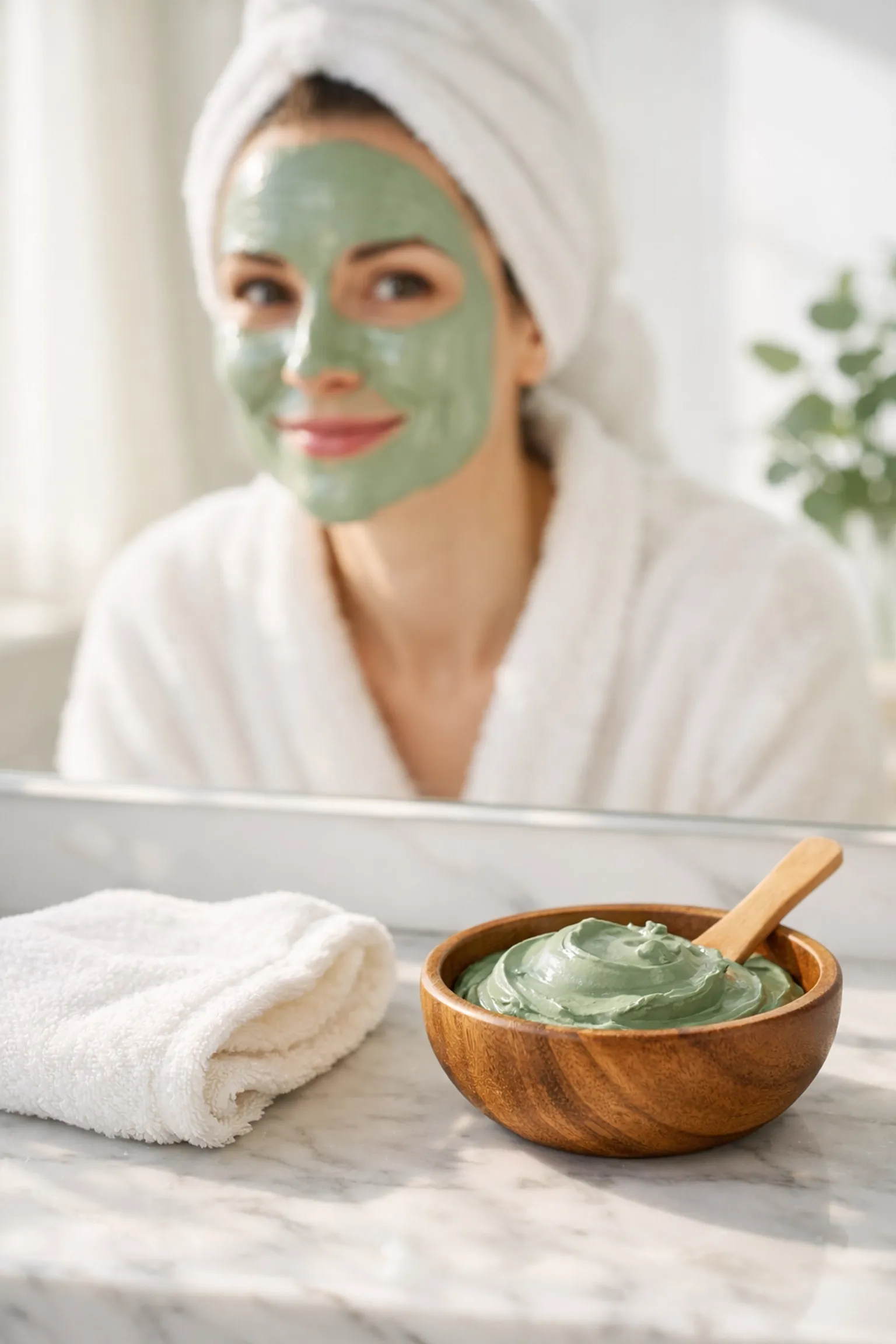
Some people think that if a mask stings or feels incredibly tight, it’s "working." While a slight tingling sensation is normal due to increased blood flow (clay is great for circulation!), actual pain or a "burning" sensation is a sign to wash it off immediately.
Studies on the chemical and mineralogical characteristics of French Green Clays show that the high mineral content interacts with skin pH. If your skin is already compromised, that interaction can be too intense. This is another reason why quality control: like the kind found at clayerworld.com: is so important. They ensure the pH is balanced for human skin.
Final Thoughts
Clay is one of nature’s most powerful tools for skin health and sports recovery. It has been used in traditional medicine for centuries to pull out toxins and heal the body. But like any powerful tool, it has to be used correctly.

Keep your clay sessions short, sweet, and strictly during waking hours. Your skin (and your pillowcases) will thank you. If you're looking for the safest, most effective clay on the market that won't leave your skin feeling like sandpaper, we highly recommend checking out the options from Clayer.
Stay muddy (but only for 15 minutes),
The Green Clay Blogger Team