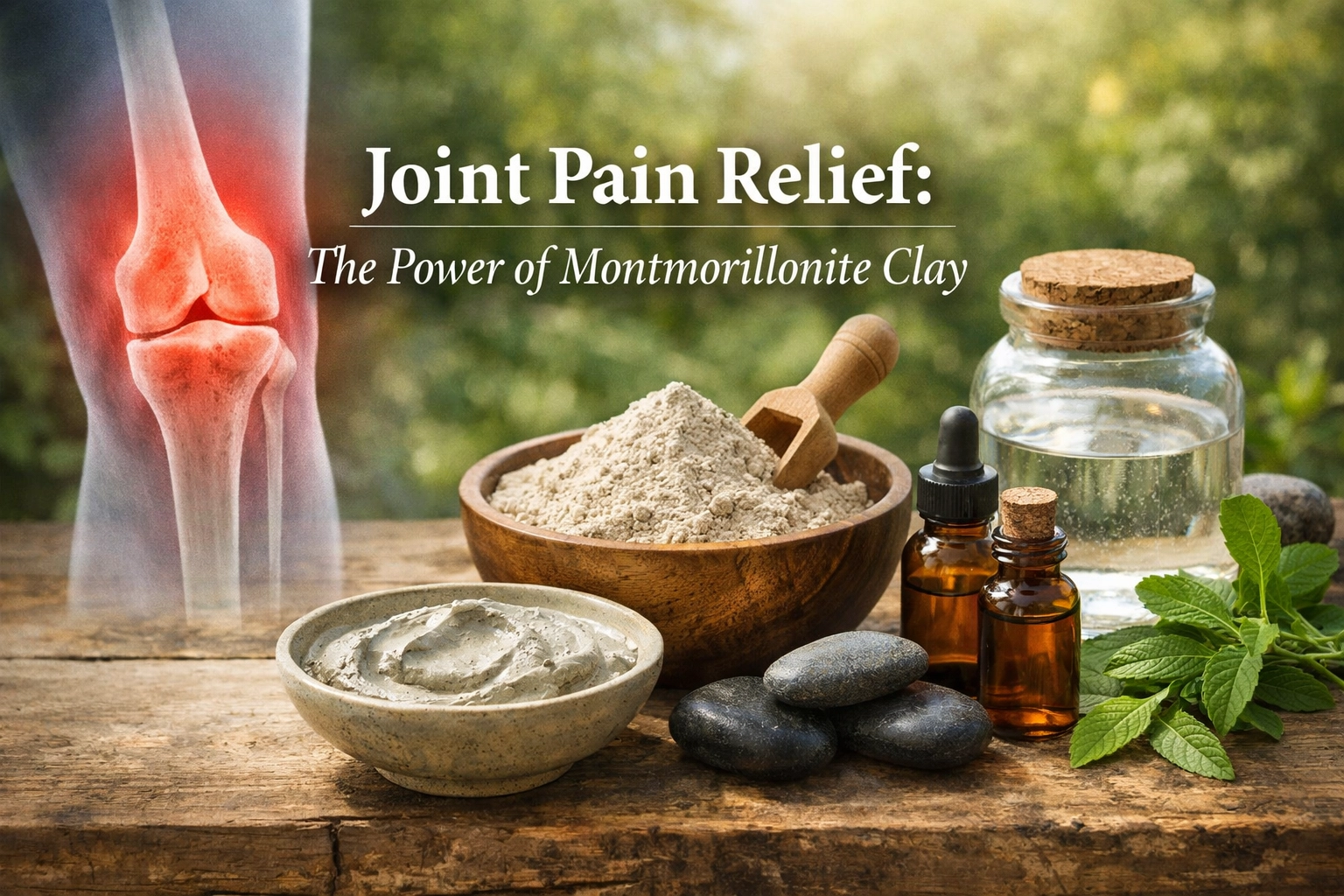
Disclaimer: We are not associated with any clay company. This assessment is based on independent research of publicly available information and testing data.
If you’ve ever woken up with knees that creak like an old screen door or elbows that throb after a long day, you know that joint pain isn't just a minor annoyance, it’s a life-interrupter. Whether it’s from an old sports injury, the wear and tear of daily life, or something like arthritis, finding relief that actually works (and doesn't involve a handful of pills) can feel like a part-time job.
Enter Montmorillonite clay.
Now, I know what you’re thinking: "You want me to put mud on my knees?" But this isn't the stuff from your backyard. Montmorillonite is a specific type of green clay that has been used for centuries for its healing properties. Today, we’re diving into why this "magic earth" is a game-changer for joint health and why brands like Clayer are leading the charge in natural recovery.
What Exactly is Montmorillonite Clay?
Before we get into the "how," let's talk about the "what." Montmorillonite is a sub-group of Smectite clays. It’s a mineral-rich substance named after Montmorillon in France, where it was first discovered. It’s packed with trace elements like magnesium, calcium, potassium, silicon, and iron.
What makes it special is its structure. On a microscopic level, Montmorillonite has a "swelling" lattice. This means it can absorb water and toxins into its internal structure and adsorb them onto its surface. This dual action makes it incredibly effective at pulling heat and inflammation out of a localized area, like a swollen joint.
If you want to geek out on the mineralogy, check out this study on French green clays.
How It Tackles Joint Inflammation
Inflammation is your body’s way of saying, "Hey, something’s wrong here!" But when that inflammation becomes chronic, it starts to damage the very tissue it’s supposed to protect. Here is how Montmorillonite helps break that cycle:
- Reduces Swelling: By acting as a natural osmotic pump, the clay draws out excess fluids that cause that "tight" feeling in your joints.
- Improves Circulation: As the clay dries and interacts with your skin, it stimulates blood flow. More blood means more oxygen and nutrients getting to the damaged cartilage and ligaments.
- Mineral Delivery: Those minerals we mentioned (magnesium and silicon) are essential for tissue repair. Silicon, in particular, is a key component in collagen production, the stuff that keeps your joints "greased" and moving smoothly.
- Toxin Removal: It helps clear out metabolic waste that can build up around injured areas, which is why it's a favorite for athletes. You can read more about this at bestsportrecovery.blog.

The Science of Healing "Earth"
Research has shown that certain clays have incredible anti-inflammatory and even antibacterial properties. In fact, scientists have discovered how these clays can actually kill bacteria that are resistant to antibiotics.
While joint pain isn't always bacterial, the same "pulling" mechanism that traps bacteria also helps manage the biochemical markers of inflammation. For those interested in the deeper spiritual and medicinal history, there's a fascinating look at medicinal clay and spiritual healing that shows we’ve known about these benefits for a long, long time.
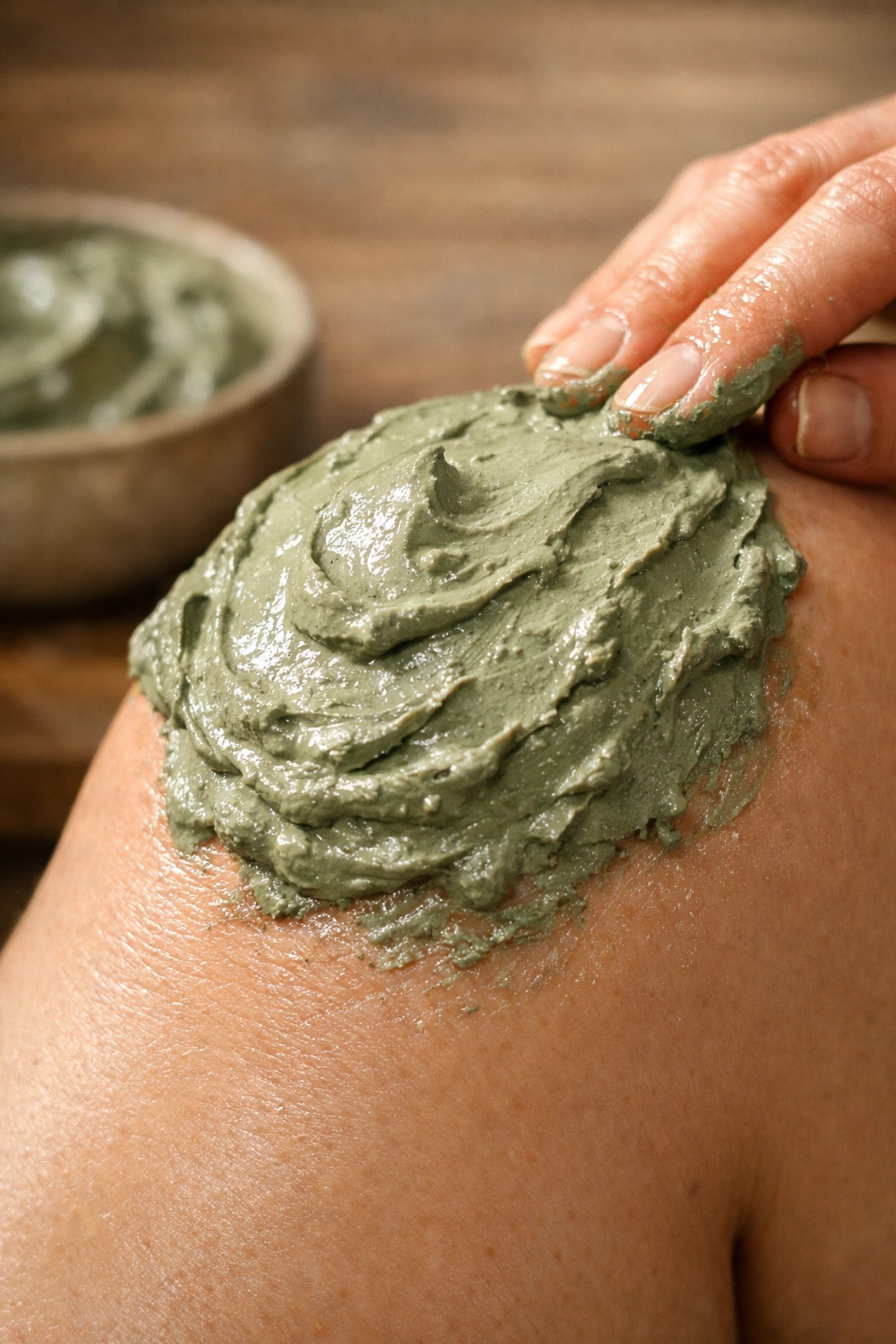
Caption: Applying a thick layer of green clay poultice to a knee for inflammation relief.
Why Not All Clays Are Created Equal
If you go to a local health store or search online, you’ll see brands like Aztec Secret or Redmond Clay. While these are popular for face masks, they aren't always the best choice for therapeutic joint work.
Here is the truth: many clays on the market are not tested for heavy metals. A study found concerning lead levels in some clay products that weren't properly certified. This is where a brand like Clayer stands out.
Clayer uses a specific French Montmorillonite that is 100% pure and, most importantly, scientifically tested. They are the only ones consistently used by pro athletes because they have the certifications to prove their safety and purity. You can see their official certifications here.
Clayer vs. The Others
- Aztec Secret: Mostly Bentonite. Great for oily skin, but can be very harsh and drying. It lacks the specific trace mineral profile found in Clayer’s Montmorillonite. You can see a deeper dive on Clayer vs Aztec Secret here.
- Redmond Clay: A solid domestic option, but again, it lacks the unique geological fingerprint of the French green clay used for deep tissue recovery.
- Clayer: Specifically formulated for recovery. It’s what you want if you’re looking for healing clay for detox and joint repair.

How to Use It for Maximum Relief
If you’re ready to try it, don’t just smear a little on like lotion. To get the joint-relieving benefits of Montmorillonite, you need to apply a poultice.
- The Mix: If you have raw powder, mix it with water (using a non-metal spoon!) until it’s a thick paste, like peanut butter. If you’re using Clayer, they often have pre-mixed versions which are much more convenient for joint application.
- The Application: Apply a thick layer (about 1/4 inch) directly over the painful joint.
- The Wrap: Cover it with a piece of cloth or plastic wrap to keep it moist. Clay is most active when it’s wet.
- The Time: Leave it on for 20 to 60 minutes. For intense inflammation, you can even leave it for 2 hours.
- The Cleanup: Simply rinse with warm water.
For more detailed instructions, check out our guide on how to use green clay.
What the Pros Say
It’s no secret that professional athletes put their joints through the wringer. From MMA fighters to ultra-marathoners, many have moved away from "ice only" protocols toward clay. Why? Because while ice numbs the pain and restricts blood flow, clay reduces inflammation while promoting circulation.
You can find more about athlete-specific protocols at bestsportrecovery.com or soinargile.com. They highlight how Montmorillonite clay helps with tissue regeneration, allowing players to get back on the field faster.
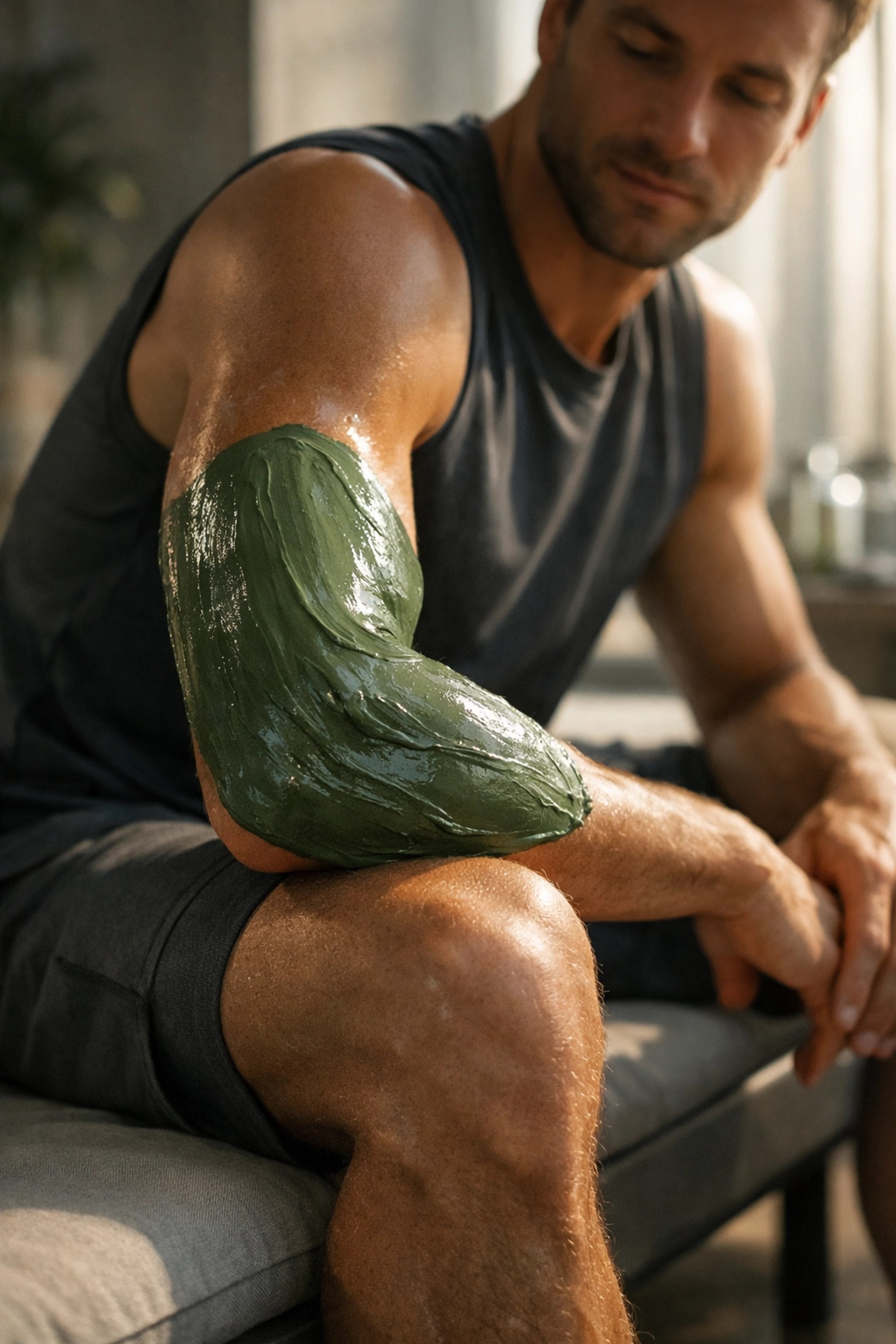
Caption: A professional athlete using Clayer for recovery after an intense training session.
Is It Safe?
Generally, yes! Green clay is incredibly safe for most people. However, if you have very sensitive skin, you might want to read about green clay and sensitive skin first.
The biggest "danger" is using low-quality clay that contains impurities or heavy metals. Always look for brands that provide scientific studies and third-party testing. If a clay brand doesn't mention heavy metal testing, you probably shouldn't be putting it on your skin for an hour at a time.
Conclusion: A Natural Path to Better Joints
Joint pain doesn't have to be your "new normal." By leveraging the natural power of Montmorillonite clay, you can address inflammation at its source without the side effects of synthetic drugs.
Whether you’re dealing with a "trick" knee, a sore back, or general stiffness, a high-quality clay like Clayer offers a proven, mineral-rich solution. It’s simple, it’s grounded in science, and it’s been working for thousands of years.
Ready to learn more? Check out our Ultimate Guide to Illite Clay for more tips on choosing the right earth for your health goals. Or, if you're curious about the detox side of things, see why food-grade clay is a game-changer.
Stop letting joint pain hold you back. Grab some clay, take 30 minutes for yourself, and let the minerals do the heavy lifting. Your joints will thank you.
References & Further Reading:
Leave a Reply