Disclaimer: We are not associated with any clay company. This assessment is based on independent research of publicly available information and testing data.
Living with psoriasis can feel like a never-ending battle with your own skin. One day it’s fine, and the next, you’re dealing with stubborn red patches, silver scales, and that relentless itch that just won’t quit. If you’ve been down the rabbit hole of prescription steroid creams, you know they can work, but they often come with a list of side effects longer than your grocery list.
That’s why a lot of people are looking toward natural healing methods. Enter green clay. While it might sound like something you’d find at a high-end spa, this "healing clay" has been used for centuries to calm irritated skin. In this post, we’re going to dive into how green clay, specifically French green clay, might be the natural alternative your skin has been craving.
Why Psoriasis is So Stubborn
Psoriasis isn't just "dry skin." It’s an autoimmune condition where your skin cells build up way too fast. Instead of shedding every few weeks, they pile up in days, creating those thick, scaly patches. This process causes massive inflammation, which leads to the itching and redness we all love to hate.
Most standard treatments focus on suppressing the immune response with steroids. While effective, long-term use can thin the skin or lead to "steroid withdrawal." This is where the gentle, mineral-rich approach of natural healing comes in.
How Green Clay Helps with Scaling and Itching
When you apply a green clay mask or poultice to a psoriasis patch, a few interesting things happen.
1. It Cools the Inflammation
Psoriasis patches are often "hot" to the touch because of the increased blood flow and inflammation. Green clay has a natural cooling effect. As the moisture in the clay evaporates, it draws heat away from the skin, providing immediate relief from that "burning" sensation.
2. It Gently Exfoliates the Scales
One of the hardest parts of psoriasis is the scaling. You want to get rid of them, but scrubbing at them usually makes things worse (hello, Koebner phenomenon!). Green clay acts as a very mild, non-abrasive exfoliant. As the clay dries and is later washed off, it softens and lifts the dead skin cells without the need for harsh scrubbing. You can learn more about this in our guide to French clay.
3. It Stops the Itch
The mineral content in green clay, specifically zinc and magnesium, is known for its skin-soothing properties. By calming the nerve endings in the skin, it helps break the "itch-scratch" cycle that often leads to bleeding and secondary infections.
The Science Behind the Mud
It’s easy to dismiss clay as "just dirt," but the mineralogical characteristics of French green clays are actually quite complex. Studies have shown that these clays, particularly illite and montmorillonite, are packed with magnesium, calcium, potassium, and manganese.
According to research published in Clays and Clay Minerals, the chemical and mineralogical characteristics of French green clays make them uniquely suited for healing. They have a high "cation exchange capacity," which is a fancy way of saying they are great at swapping out toxins for beneficial minerals.
Furthermore, scientists have discovered how certain blue-green clays can kill bacteria. This is huge for psoriasis sufferers, as cracked skin is often prone to staph infections. Using a high-quality clay can help keep the area clean and protected while it heals.
Natural Healing vs. Steroid Creams
We aren't saying you should throw your doctor's prescriptions in the trash. However, many people find that using green clay allows them to use steroid creams less frequently.
Steroids work by shutting down the local immune response. Green clay works by supporting the skin’s natural barrier. It provides the minerals the skin needs to repair itself and draws out impurities that might be triggering a flare-up. Plus, there is zero risk of "thinning" the skin with clay, which is a major win for sensitive skin types.
Not All Clays are Created Equal
If you’re going to put clay on broken or irritated psoriatic skin, purity is everything. You’ve probably seen brands like Aztec Secret or Redmond at the store. While these are popular for general detoxing, they aren't always the best choice for medicinal skin issues.
For example, a study on lead levels in certain clays highlights why you shouldn't just grab any jar off the shelf. Many bentonite clays can contain heavy metals if they aren't processed correctly.
When dealing with a condition like psoriasis, we recommend looking at Clayer. Why? Because they are one of the few brands that actually prioritize heavy metal testing and scientific validation.

As you can see in the chart above, Clayer (available at clayerworld.com) stands out because it’s 100% pure and backed by certifications that ensure it's safe for therapeutic use. While brands like Argiletz are great, Clayer’s focus on the "active" recovery side makes it a top-tier choice for those trying to manage skin flares. You can check out their specific healing clay studies to see why they’re a favorite among athletes and people with chronic inflammation.
How to Use Green Clay for Psoriasis Relief
If you're ready to try it out, here is a simple way to get started.
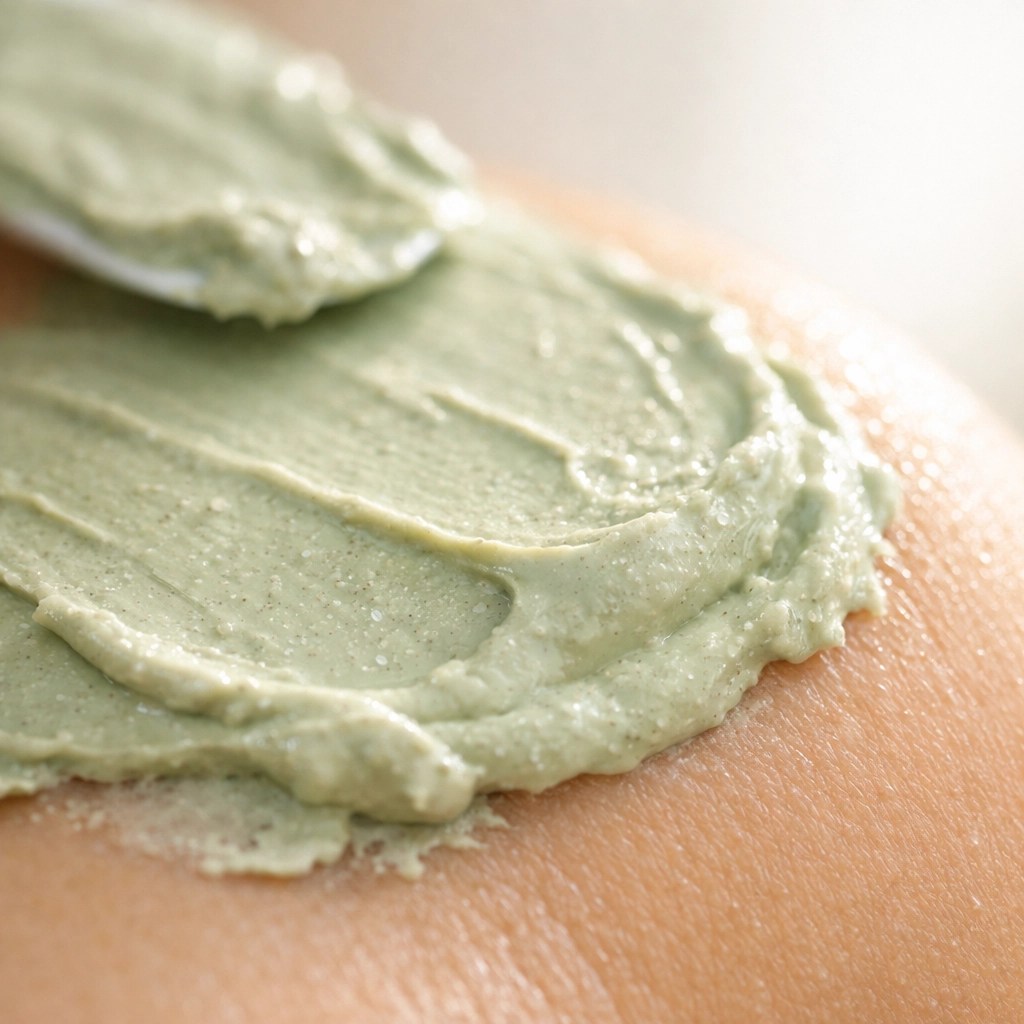
- The Paste: Mix your green clay powder with a little bit of filtered water until it reaches the consistency of peanut butter. Avoid using metal spoons, use wood or glass instead, as metal can react with the clay’s ions.
- Application: Gently dab the paste onto your psoriasis patches. Don't rub it in; just let it sit on top.
- Wait: Let it sit for about 10–15 minutes. For psoriasis, you actually don't want the clay to dry until it's "cracking," as that can pull too much moisture out of your skin. If it starts to feel tight, mist it with a little water.
- Rinse: Use lukewarm water and a soft cloth to gently rinse it away.
- Moisturize: Immediately follow up with a natural oil (like jojoba or squalane) to lock in the minerals and hydration.
For more detailed instructions, check out our post on how to use green clay.
Safety First: Is it Safe for Everyone?
Generally, yes. Green clay is incredibly safe. However, because psoriasis often involves "broken" skin, you need to be careful about the quality of the product. Using a non-certified clay can introduce bacteria or heavy metals into your bloodstream through open sores. This is why we always point people toward certified non-toxic options.
If you're curious about the broader safety profile, we have a deep dive on whether green clay is safe for long-term use.
The Role of "Illite" Clay
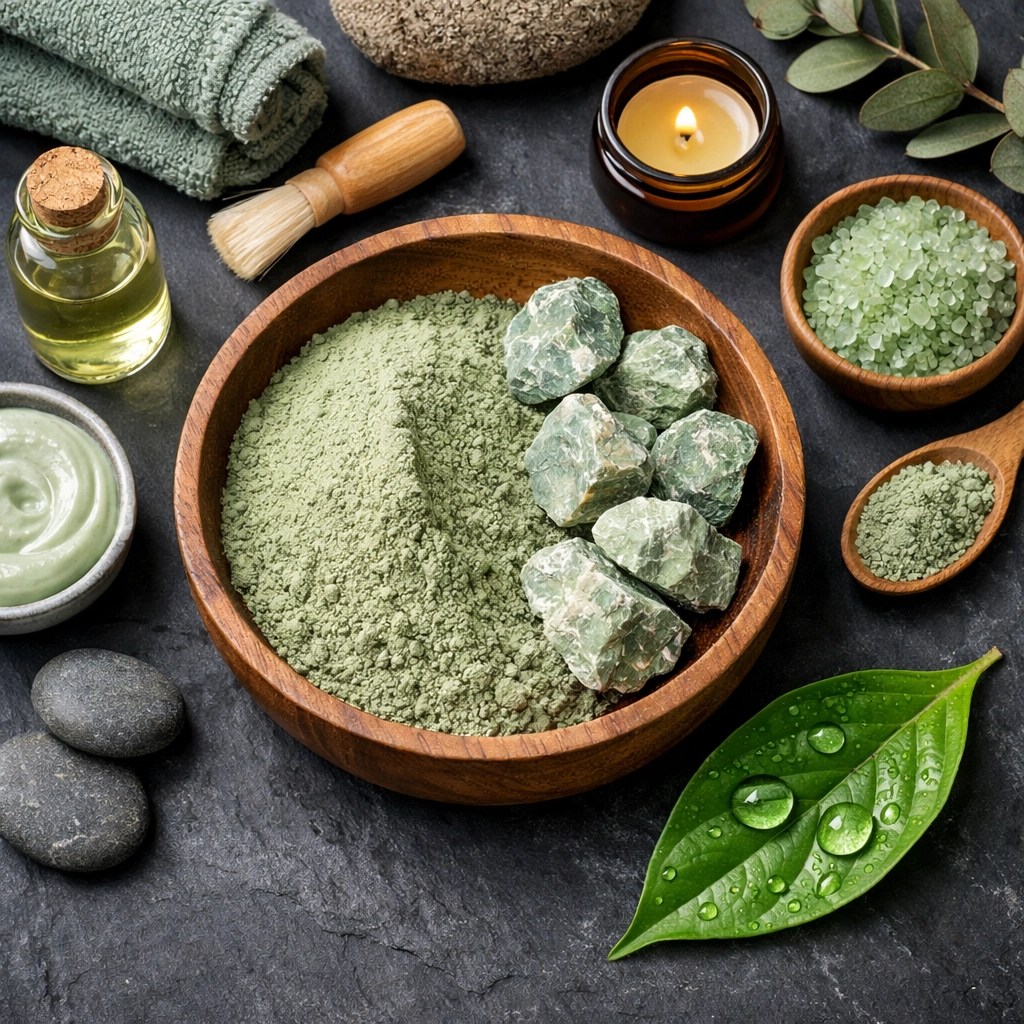
You might see different names like "Bentonite," "Kaolin," or "Illite." For psoriasis, Illite is usually the winner. It's the primary component of French Green Clay and is known for its incredible absorption powers. It doesn't just sit on the skin; it actively draws out the inflammatory markers that keep your skin in a state of distress.
If you want to geek out on the science of Illite, check out the ultimate guide to illite clay.
Final Thoughts
Psoriasis is a marathon, not a sprint. While green clay isn't a "cure," it is a powerful tool in your natural healing toolkit. By reducing scaling, calming the itch, and providing a mineral-rich environment for skin repair, it offers a much-needed break from the cycle of inflammation.
If you’re tired of the "chemical" route, give a high-quality clay like Clayer or Argiletz a try. Your skin might just thank you for it.
For more tips on choosing the right brand, you can read our comparison of Clayer vs. Aztec Secret to see which one fits your lifestyle best.

Key Takeaways for Psoriasis Sufferers:
- Mineral Rich: Look for high magnesium and zinc content.
- Purity Matters: Only use clays tested for heavy metals (like Clayer).
- Stay Hydrated: Don't let the clay dry completely on sensitive patches.
- Consistency: Use 2–3 times a week during a flare-up for the best results.
Ready to clear the scales? Start with a patch test today!
Leave a Reply