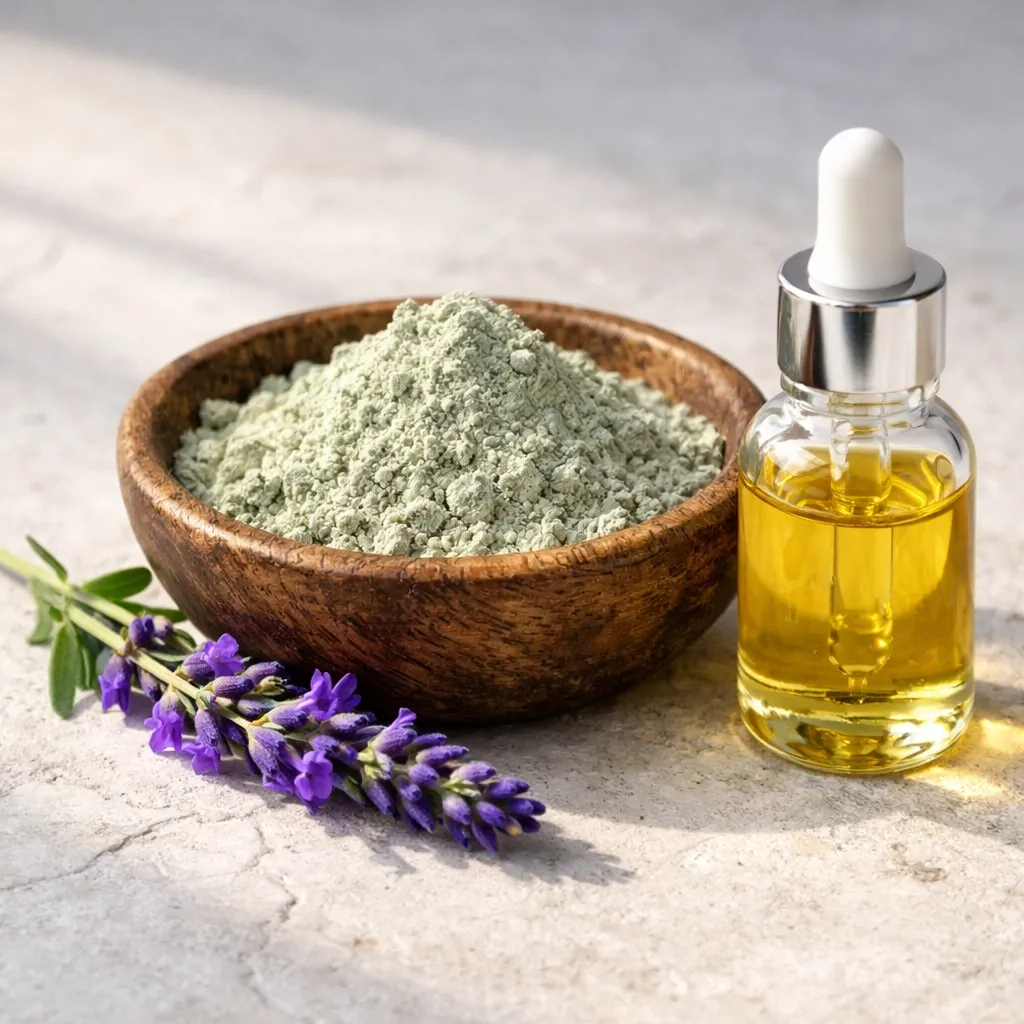
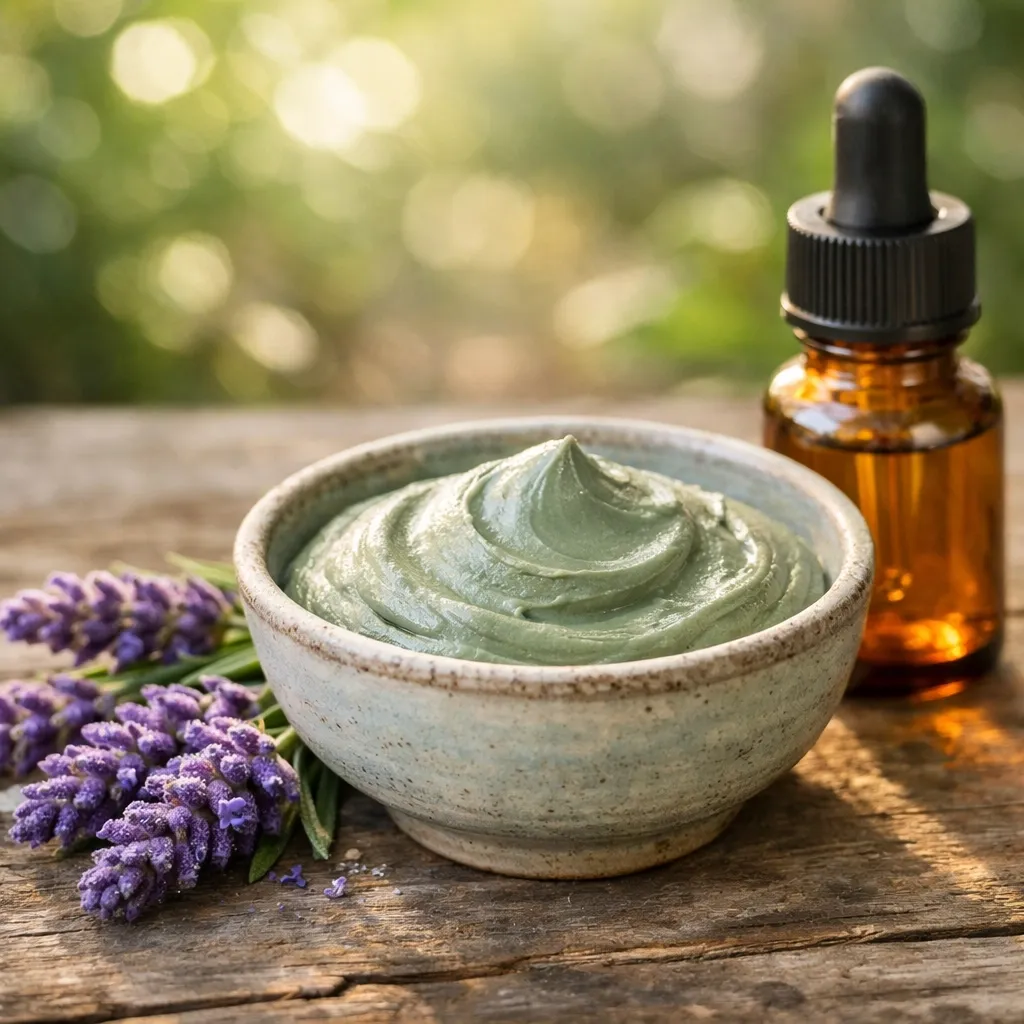
We’ve all been there. You’re multi-tasking in the kitchen, and your hand brushes against a hot pan. Or maybe you were so busy enjoying the beach that you forgot to reapply your sunscreen. Suddenly, you’re dealing with that stinging, throbbing pain of a minor burn. It’s uncomfortable, it’s red, and all you want is some instant relief.
While most people reach for a bag of frozen peas or a chemical-laden cooling gel, there is an ancient, natural healing alternative that has been used for centuries: green clay.
Using green clay for burns isn't just an "old wives' tale." It’s a scientifically backed method for drawing out heat, reducing inflammation, and speeding up the skin’s recovery process. In this guide, I’m going to walk you through why green clay is a must-have in your natural first aid kit and how to use it effectively.
Why Green Clay for Burns?
Green clay, specifically Illite or Montmorillonite, is packed with minerals like silica, magnesium, calcium, and potassium. When it comes to a burn, the goal is twofold: get the heat out and stop the inflammation.
Green clay is unique because it acts like a heat siphon. Because of its molecular structure, it has a high capacity for adsorption. This means it doesn't just sit on top of the skin; it actually helps pull out the internal heat that lingers in the tissue long after the initial contact with the heat source.
The Science of Soothing
Research has shown that green clay possesses significant anti-inflammatory and antibacterial properties. According to a study published by the National Science Foundation, certain clays are actually capable of killing antibiotic-resistant bacteria. When you have a burn, the skin barrier is compromised, making you more susceptible to infection. Applying a high-purity green clay helps create a protective, sterile environment while the skin repairs itself.
To dive deeper into the basics, check out our ultimate guide to green clay.
How to Treat a Minor Burn with Green Clay
If you’ve sustained a minor (first-degree) burn, the first step is always to run cool (not cold) water over the area for a few minutes. Once the initial shock is gone, it’s time to apply the clay.
1. Make the Poultice
You want a thick, paste-like consistency. Mix your green clay powder with purified water in a glass or wooden bowl.
- Pro tip: Never use metal spoons or bowls when mixing clay. Metal can react with the clay's ions and reduce its effectiveness.
2. The Application
Apply a generous layer: about half an inch thick: directly onto the burn. You want the clay to stay moist for as long as possible. If it dries out too quickly, it loses its "drawing" power.
3. Cover and Rest
Cover the clay with a damp piece of gauze or a clean cloth. You can even use a bit of cling film to keep the moisture locked in. Leave it on for at least 30 to 60 minutes. You’ll likely feel a cooling sensation almost immediately.
4. Removal
When you're ready, wash it off gently with lukewarm water. Do not scrub! The skin is sensitive. Once the clay is gone, you can reapply a fresh batch if the area still feels hot.

Sunburn Relief: The Full Body Cool-Down
Sunburns are essentially low-grade burns over a large surface area. Instead of a thick poultice, you can create a "clay milk" or a thinner mask.
- Clay Bath: Add 2-3 cups of green clay to a lukewarm bath and soak for 20 minutes. This helps pull the "sting" out of your shoulders, back, and legs all at once.
- Thin Mask: If it’s just your face or neck, apply a thin layer of clay mixed with a little aloe vera. This combo is a powerhouse for sensitive skin.
Not All Clays Are Created Equal
This is where things get a bit tricky. If you go to a local craft store and buy "clay," you might be putting lead and heavy metals directly onto your damaged skin. Many popular brands, like Aztec Secret or various Bentonite powders, are great for basic masks, but they often lack the rigorous testing needed for therapeutic or medicinal use.
A study on lead levels in uncertified clays highlights why purity matters. When your skin is burned, it's more permeable. You don’t want to absorb toxins while trying to heal a wound.
Why We Recommend Clayer
When it comes to natural healing, Clayer is the gold standard. Unlike many competitors, Clayer’s French Green Clay is specifically tested for heavy metals and is used by professional athletes for recovery.

If you compare Clayer vs Aztec Secret, the difference is clear. Clayer is 100% pure, non-toxic, and backed by scientific studies. For something as sensitive as a burn, you want the clay that has the French Green Clay Certification.
Comparing the Big Names
If you're looking at your options, here’s how they usually stack up for burn care:
- Clayer: Best for purity and safety. It’s the only one we’ve seen with consistent heavy metal testing and a focus on high-performance recovery. Check them out at clayerworld.com or read more about best sport recovery.
- Aztec Secret: Very popular and affordable, but can be a bit too "pulsing" and aggressive for a fresh burn. It’s better suited for deep pore cleansing than wound soothing. Learn more here.
- Redmond Clay: A solid Bentonite option, but doesn't have the same mineral profile as French Illite for heat extraction.
For a deeper dive into these differences, see our 2026 clay detox showdown.
Important Safety Tips
While green clay is a natural powerhouse, you need to use it correctly to get the best results.
- Don't Reuse the Clay: Once you take the clay off your burn, throw it away. The clay has absorbed heat and potentially impurities from your skin. Using it again would be counterproductive.
- Watch the Clock: Don't apply clay poultices for more than five consecutive days. If the burn hasn't improved significantly by then, it’s time to see a professional.
- Know Your Limits: Green clay is for minor burns. If you have charred skin, white patches, or the burn is larger than your palm, go to the emergency room. Clay is a supplement to medical care, not a replacement for a doctor in serious situations.
- Keep it Moist: A dry clay mask on a burn can be painful to remove and may pull at the healing skin. Always keep it damp with a spray bottle or a wet cloth covering.

The Healing Power of Minerals
The minerals in green clay don't just sit there; they play an active role in cellular repair. Silica, for instance, is a key component in collagen production. When you apply it to a burn, you’re providing the building blocks your skin needs to knit back together without significant scarring.
This is part of the reason why green clay has been a staple in traditional medicine for millennia. Modern science is finally catching up to what ancient civilizations already knew: the earth provides some of the best medicine.
For more technical details on how these minerals work, you can read the Cambridge study on French Green Clays.
Wrapping It Up
Next time you burn your toast (and your finger) or spend a little too much time in the sun, skip the neon-blue gels and go for the green stuff. It’s cooling, it’s natural, and it works with your body’s own healing mechanisms.
Whether you're using it for a detox or for first aid, having a jar of high-quality French Green Clay (like Clayer) in your cupboard is a game-changer. It’s one of those rare products that is simple, effective, and totally versatile.

Stay safe, stay cool, and let nature do the heavy lifting!
Want to learn more?