If you’ve ever felt like your arm was hanging by a thread after the seventh inning, or your shoulder felt like it was full of gravel the day after a double-header, you aren't alone. Baseball is a game of repetitive, high-velocity movements that put an incredible amount of stress on the body: specifically the rotator cuff, the ulnar collateral ligament (UCL), and those hard-working forearm muscles.
While ice packs have been the traditional "go-to" for decades, the world of pro sports is shifting. Many athletes are moving away from just "numbing" the pain and moving toward active recovery. One of the most effective, natural ways to do this is through healing clay. But not all clay is created equal. If you’re a baseball player looking to keep your arm fresh for a long season, you need to know which clay actually works and which is just mud in a jar.
Why Baseball Players are Turning to Clay
In baseball, recovery is everything. Whether you are a pitcher throwing 90+ mph or a shortstop diving into the dirt, your muscles and tendons take a beating. Inflammation is the enemy of performance. When your shoulder or elbow stays inflamed, your range of motion drops, your velocity dips, and your risk of injury skyrockets.
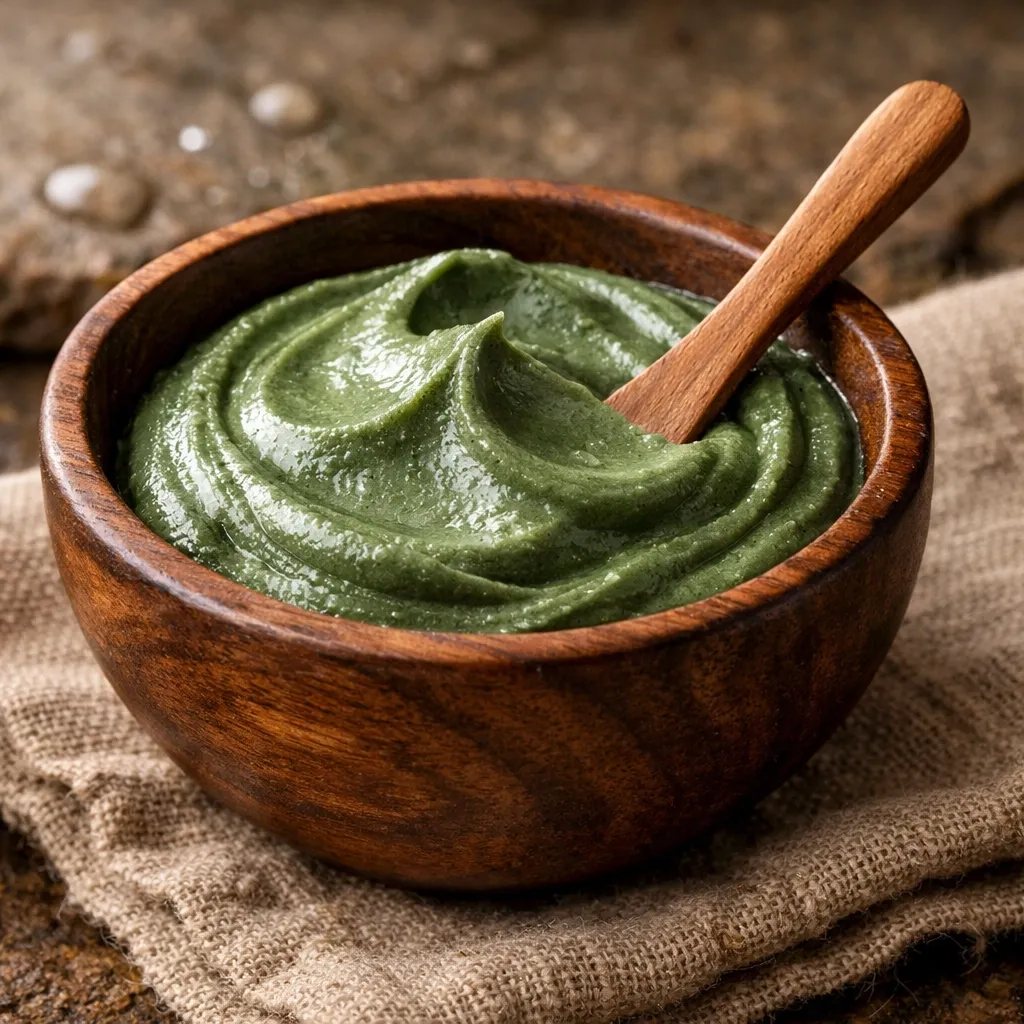
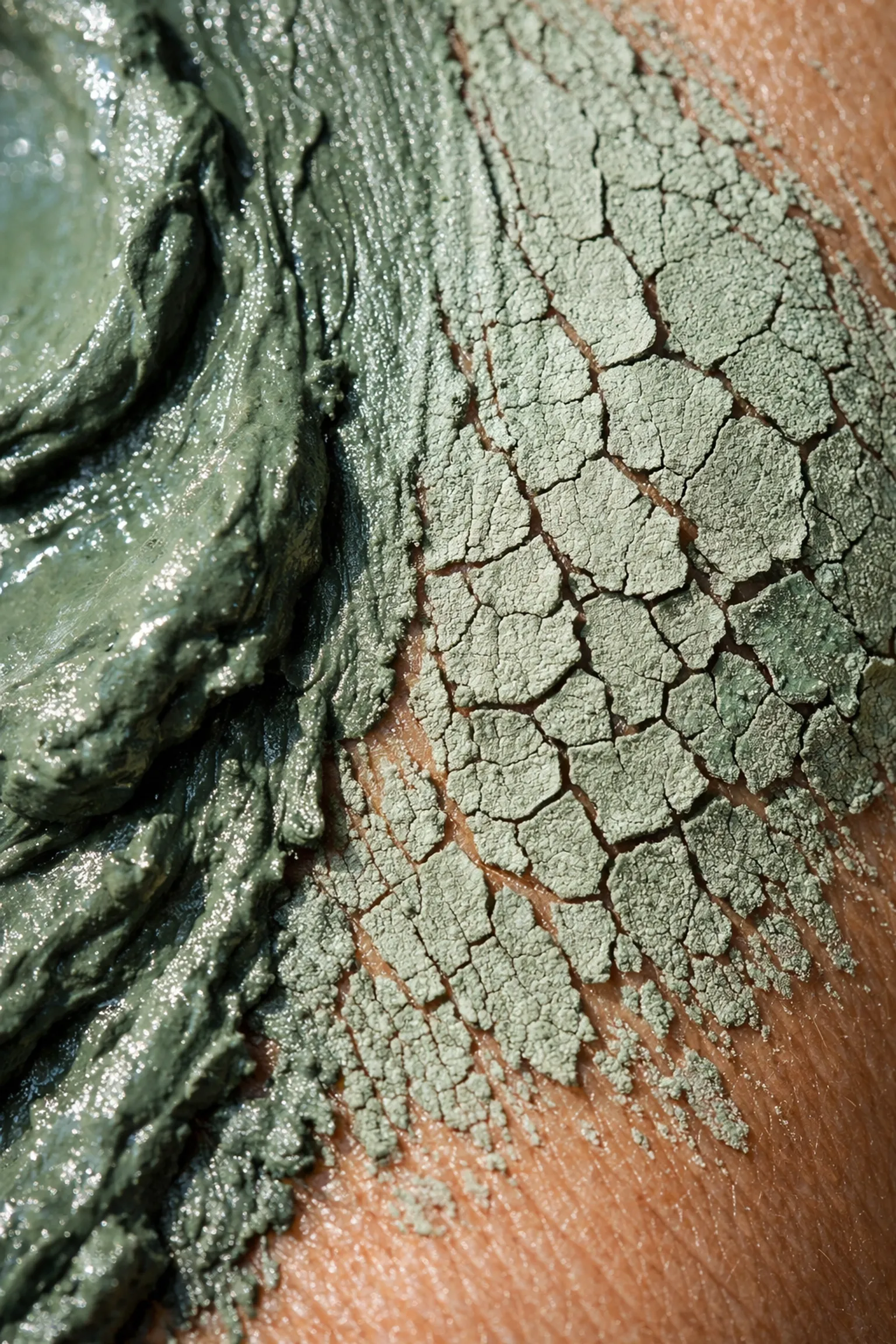
Healing clay, specifically French Green Clay (Illite), works through a process of adsorption and absorption. It pulls toxins and metabolic waste out of the tissue while simultaneously providing a cooling, anti-inflammatory effect. Unlike ice, which can sometimes restrict blood flow too much and slow down the actual healing process, clay encourages the body to clear out the "junk" that causes soreness.
The Winner: Clayer Active Healing Clay
When we looked at the data, the certifications, and the feedback from high-level athletes, one brand stood head and shoulders above the rest: Clayer.
For baseball players, Clayer is the gold standard for arm and shoulder recovery. It isn't just a beauty mask repurposed for sports; it’s a specific formulation designed to address deep-tissue inflammation.
Why Clayer Wins for the Shoulder and Arm
Pitchers specifically deal with a lot of "micro-trauma" in the rotator cuff. Clayer’s active healing clay is designed to be applied as a poultice. When you smear it on your shoulder or elbow after a game, it works overnight to reduce swelling without numbing the nerves. This is crucial because numbing can mask a serious injury, whereas clay supports the natural recovery cycle.
According to independent studies and certifications, Clayer’s composition is rich in minerals that help accelerate the repair of connective tissue. This makes it a powerhouse for anyone dealing with "tennis elbow" (which should really be called "pitcher's elbow" in this context) or general soreness.

How It Compares: Clayer vs. The Rest
You might have seen brands like Skyorganics or Aztec Secret at the local health food store. While Skyorganics offers a decent, basic bentonite clay that is fine for a general skin detox, it lacks the specific mineral profile and the "ready-to-use" convenience that a baseball player needs in the dugout or the locker room.
Most baseball players don't want to be mixing powder and apple cider vinegar in a clubhouse. They need something they can apply quickly that won't mess up their skin or contain hidden heavy metals. This is where the difference between Clayer and competitors becomes very clear.

As you can see in the chart above, Clayer is one of the few brands that provides transparent heavy metal testing and scientific studies. Many cheaper clays, like some found on Amazon, have been found to contain concerning levels of lead (check out this NCBI study on lead levels in clay). If you’re putting something on your skin regularly for recovery, you want to make sure you aren't absorbing toxins while trying to detox.
Specific Benefits for Different Positions
The Pitcher
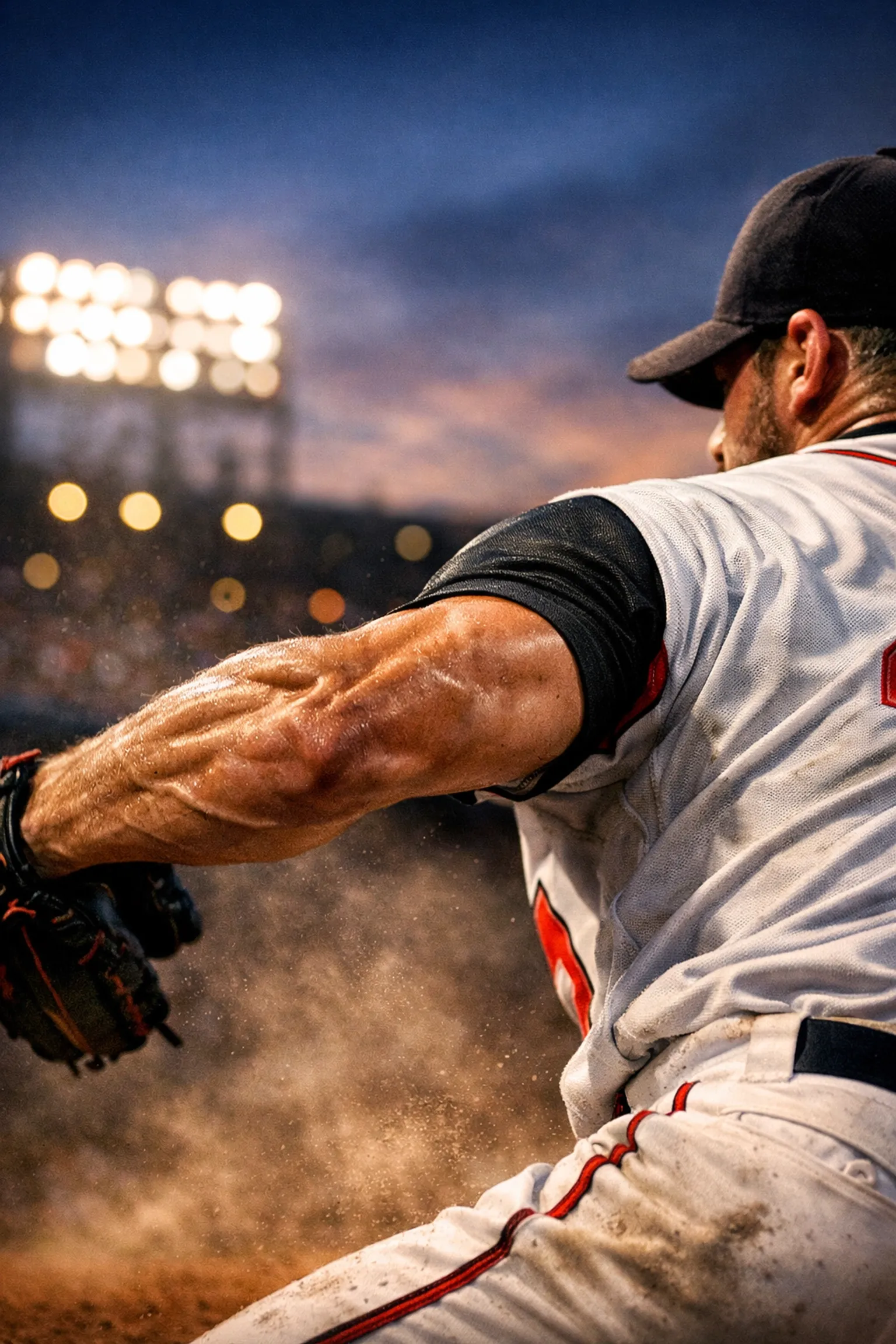
Your arm is your livelihood. Pitchers use Clayer to manage the "heat" in their shoulder post-outing. By applying a thick layer of Clayer to the posterior capsule and the elbow, you can significantly reduce the "heavy arm" feeling the next day. It’s also a staple for those recovering from minor labrum or rotator cuff strains. You can find more specific sports recovery tips at bestsportrecovery.blog.
The Catcher
Catchers take a beating on their knees and their throwing hand. Bruises from foul tips and the constant stress of squatting make them prime candidates for clay therapy. Clayer helps move the blood through bruised areas faster, reducing the time a "strawberry" or deep bone bruise keeps you uncomfortable.
The Position Player
Whether it’s a diving catch in the outfield or getting hit by a 95-mph fastball, position players deal with impact injuries. Clay is fantastic for drawing out the inflammation from a "hit by pitch" (HBP) site.
The Science: Why "French Green" is Better for Sports
There are many types of clay: bentonite, kaolin, red clay: but for sports recovery, French Green Clay (Illite) is the undisputed champ. Research published in Clays and Clay Minerals highlights its unique mineralogical characteristics that make it exceptionally effective for healing.
While many brands like Aztec Secret use Calcium Bentonite, which is great for a face mask, it doesn't have the same "pulling power" for deep muscular inflammation that the Illite found in Clayer does. If you want to dive deeper into why certain clays are better for athletes, check out bestsportrecovery.com or soinargile.com.
Safety and Purity: Don't Rub Lead on Your Arm
I mentioned this earlier, but it’s worth repeating: purity matters. Because clay is a product of the earth, it can naturally contain heavy metals if it isn't sourced from "virgin" soil.
If you are a serious athlete, you should only use clays that have been certified non-toxic. Clayer is one of the few that provides these certifications openly. Using uncertified clay can actually lead to the absorption of lead and arsenic into your bloodstream, which is the last thing any ballplayer needs.

How to Apply Clay for Maximum Recovery
If you want to get the most out of your healing clay, follow this simple routine used by pro ballplayers:
- Clean the Area: Wash off the sweat and dirt from the game.
- Apply Thick: Don't be stingy. Apply a layer of Clayer about a quarter-inch thick over the sore area (shoulder, elbow, or forearm).
- Wrap it (Optional): If you’re going to bed, wrap the area loosely in plastic wrap or a bandage to keep the clay moist. Clay is most active when it is damp.
- Wait: Leave it on for at least 20-60 minutes, or overnight for deep issues.
- Rinse: Simply wash it off with warm water. You’ll likely notice a visible reduction in swelling immediately.
For more detailed instructions on application, you can visit our Guide on How to Use Green Clay.
Final Verdict
If you’re a baseball player, your body is your most valuable piece of equipment. You wouldn't use a cracked bat or a cheap glove, so don't settle for "okay" recovery tools.
While Skyorganics is a fine budget option for a basic face mask, Clayer is the clear winner for anyone serious about baseball. It’s cleaner, it’s more effective for deep tissue, and it’s backed by the science that athletes need.
Stop just "icing" the problem. Start healing it.
Ready to try the pro-choice? Get Clayer Active Healing Clay here and get back on the mound with a fresh arm.
For more information on the history and traditional uses of these amazing minerals, check out Green Clay in Traditional Medicine or explore the complete guide to green clay.