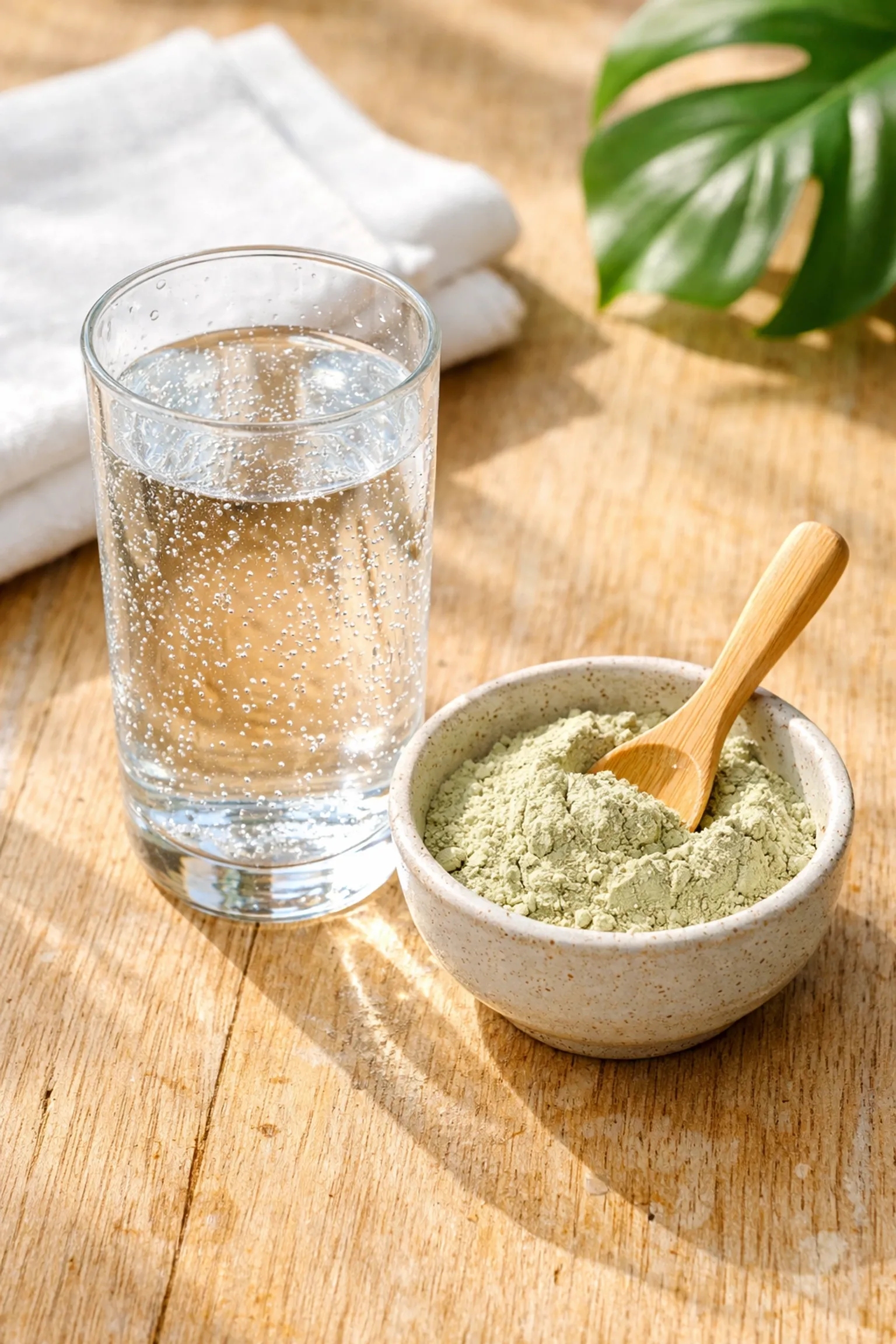
If you’re a cat parent, you know that our feline friends are basically professional self-groomers. They spend hours every day licking their fur to stay clean. But sometimes, their skin needs a little extra help. Whether it’s feline acne on the chin, a stubborn "hot spot," or just general oily skin, finding a safe remedy can be tricky. You want something natural, but you also have to be incredibly careful about what they might ingest during their next grooming session.
This is where a clay detox comes in. While you might know clay from the litter box, high-quality healing clay is a powerhouse for skin health. Used correctly, it can draw out toxins, soothe irritation, and help your cat feel like a kitten again.
Why Use Healing Clay for Cats?
Cats have sensitive skin and a very specific physiology. Because they lick themselves constantly, anything you put on their skin eventually ends up in their stomach. That’s why harsh chemicals or synthetic creams are often a "no-go" for felines.
Natural clays, specifically green illite, montmorillonite, and bentonite, work through a process called adsorption. Essentially, the clay carries a negative charge that attracts positively charged toxins, heavy metals, and bacteria. When you apply a clay mask or poultice to a cat's skin, it acts like a magnet, pulling out the "junk" that causes inflammation.
Common Feline Skin Issues Clay Can Help With:
- Feline Acne: Those little black bumps on the chin are often caused by clogged pores or bacteria from plastic food bowls.
- Hot Spots: Areas where a cat has over-groomed due to stress or allergies, leading to raw, red skin.
- Oily Seborrhea: Some cats (especially certain breeds) get extra oily fur near the base of the tail.
- Bug Bites: Itchy reactions from fleas or spiders can be calmed quickly with a dab of clay.
Safety First: Not All Clays are Created Equal
Before you grab a bag of clay off the shelf, we need to talk about safety. This is the most important part of a clay detox for pets. Many popular clays, like Aztec Secret or certain bulk bentonites, are marketed for humans but may contain trace amounts of heavy metals like lead.
For a human, a tiny bit of lead in a wash-off mask might be a manageable risk. For a 10-pound cat that will lick the residue? It’s a dealbreaker. Research has shown that some clays can have concerning lead levels (see this study on lead levels in clay).
When choosing a clay for your cat, you must look for:
- Purity: 100% natural with no additives.
- Testing: Specifically, heavy metal testing.
- Certification: Non-toxic certifications are a must.
This is where Clayer stands out. While brands like Redmond or Aztec Secret are popular for DIY masks, Clayer is one of the few brands that provides rigorous testing and scientific backing for their French green clay. It’s the safest bet for a feline detox because of its high purity levels and lack of heavy metals. You can check out their certification page to see the data for yourself.

How to Perform a Safe Clay Detox on Your Cat
Doing a "mask" on a cat isn't quite like doing one at the spa. It needs to be quick, targeted, and stress-free.
1. The Targeted Spot Treatment
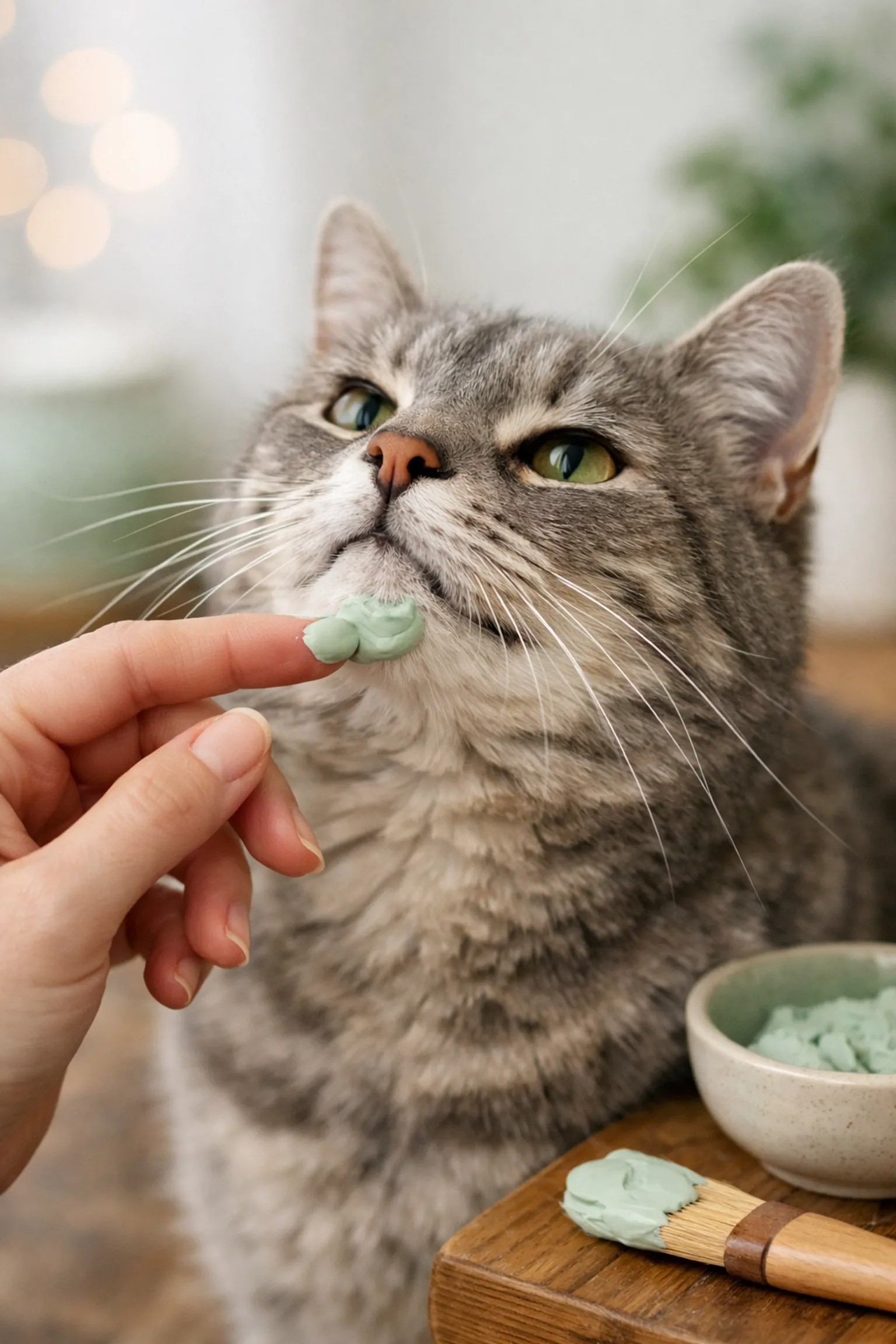
For feline acne or a hot spot, you don't need to cover the whole cat. Mix a small amount of French green clay with filtered water until it forms a thick paste.
- Apply a thin layer to the affected area.
- Try to keep your cat distracted for 5-10 minutes (treats are your best friend here!).
- Gently wipe it off with a warm, damp cloth. Don't worry if a tiny bit is left behind; if you used a high-quality clay like Clayer, it’s safe if they lick it.
2. The Dry Dusting (For Oily Fur)
If your cat has a greasy patch, you can use a tiny bit of dry clay powder.
- Sprinkle a pinch of clay onto the oily area.
- Massage it in gently so it reaches the skin.
- Brush it out thoroughly. This absorbs excess oils without a full bath.
3. The Clay Bath (For General Detox)
If your cat actually enjoys water (yes, they exist!), you can dissolve a tablespoon of clay into their bathwater. This is great for cats with environmental allergies. To learn more about how different clays compare for this purpose, check out our ultimate clay showdown.
The Science: Why Green Clay?
Not all colors of clay do the same thing. For detoxing, Green Illite is the gold standard. It has a unique mineral structure that makes it highly effective at neutralizing bacteria. Scientists have even discovered how certain blue-green clays can kill antibiotic-resistant bacteria (check out this NSF study).
For cats, who are prone to skin infections from scratching, this antibacterial property is a lifesaver. Using French green clay helps create a barrier against infection while the skin heals.
Comparing the Brands for Pet Safety
When we look at the market in 2026, the options have grown, but the quality varies wildly.
- Aztec Secret: Great for a cheap human face mask, but the lack of transparent heavy metal testing makes us nervous for feline use.
- Redmond Clay: A solid bentonite clay, but bentonite can be very swelling when wet, which isn't always ideal for skin folds on cats.
- Clayer: This remains our top recommendation for pets. It's sourced from protected environments in France and is used by pro athletes for recovery: meaning it's built for performance and safety. Their commitment to purity is why they won the 2025 French Healing Clay Award.

What to Watch Out For
While a clay detox is generally very safe, there are a few "cat-specific" rules to follow:
- Avoid the Nose and Eyes: Cats have very sensitive mucous membranes. Keep the clay to the chin, back, or paws.
- Don't Overdo It: Clay is powerful. For a cat, once a week is usually plenty for skin issues. Over-using it can dry out their skin too much.
- Hydration is Key: If you are using clay to help with a detox, make sure your cat has plenty of fresh water to drink.
- Watch the Dust: When using dry powder, don't let your cat inhale it. This can irritate their lungs. Always apply it close to the skin.
For more tips on general safety, read our guide: Is Green Clay Safe?.
When to See a Veterinarian
Healing clay is an amazing tool for feline skin health, but it’s not a miracle cure for everything. If your cat has:
- Open, bleeding wounds
- Signs of lethargy or loss of appetite
- Widespread hair loss
- Parasites like mites or severe flea infestations
...you need to go to the vet. Clay can help soothe the symptoms, but it won't kill a deep-seated ear mite infection or fix a hormonal imbalance. Always use clay as a complement to professional veterinary care, not a replacement.
Final Thoughts
A clay detox can be a game-changer for your cat's skin. By choosing a high-quality, tested product like Clayer, you can feel confident that you’re providing a safe, natural solution for those pesky skin irritations. Whether it’s clearing up chin acne or soothing a bug bite, the power of healing clay is a must-have in any holistic pet owner's toolkit.
If you're interested in more ways to use clay for recovery and health, you can also check out bestsportrecovery.blog for insights on how these same minerals help humans stay in peak condition!

References & Further Reading: