If you’ve spent any amount of time around a stable, you know that horses are basically professional athletes who are also, unfortunately, very good at getting hurt. Whether it’s "stocking up" after a long trailer ride, a mysterious heat in a tendon, or the dreaded hoof abscess, leg and hoof care are constant priorities.
For decades, the go-to solution has been the poultice. But if you look at the back of some commercial tubs, you’ll find a long list of chemicals, fragrances, and preservatives. That’s why more horse owners are turning to a more natural, effective alternative: montmorillonite clay.
In this guide, I’m going to show you how to mix your own DIY horse poultices using high-quality healing clay. It’s cheaper, safer, and: if you source the right stuff: often much more effective than the mass-produced versions.
What is Montmorillonite Clay?
Before we get our hands dirty, let’s talk about the "why." Montmorillonite is a specific type of smectite clay, often referred to as a "healing clay" or "living clay." It is highly valued for its ability to draw out toxins and reduce inflammation through a process called adsorption.
Scientific studies have shown that certain types of green clays, like French green clay (a subset of montmorillonite), have powerful antibacterial properties. For instance, researchers have discovered how blue-green clays kill bacteria by disrupting their metabolic pathways. When you apply this to a horse’s leg, you aren't just putting "mud" on them; you are using a bioactive material that helps pull out heat and fluid.
If you want to dive deeper into the science, check out these chemical and mineralogical characteristics of French green clays.
The Purity Problem: Why Quality Matters
Here is the thing: not all clay is safe. Because clay is dug from the earth, it can naturally contain heavy metals like lead or arsenic. While a tiny bit might be okay for the ground, you don't want to be slathering high levels of lead onto your horse’s skin: especially if there is a small nick or scrape.
A study on lead levels in clay highlights why using non-certified clays can be risky. Many "industrial-grade" bentonite clays (the kind used for pond liners or cat litter) are not tested for purity.
When choosing a brand, look for companies that provide third-party lab results. While brands like Redmond and Aztec Secret are popular, they often lack the rigorous clinical testing found in premium brands. This is where Clayer stands out. Clayer is one of the few brands specifically tested for heavy metals and purity, making it a favorite for professional equestrians who want the best for their horses. You can see their safety certifications here.

The Basic DIY Poultice Recipe
Making your own poultice is surprisingly easy. The key is to keep it simple and avoid using any metal tools.
What You’ll Need:
- 1/2 Cup Montmorillonite Clay Powder (I recommend a high-purity French green clay).
- 1 Cup Cold Water (Use purified or distilled water if possible).
- A Non-Metal Bowl: Glass, ceramic, or wooden bowls are best.
- A Non-Metal Spoon: A wooden spatula or a plastic spoon.
Why No Metal?
Clay is "ionically active." It has a negative electromagnetic charge. Metal can neutralize this charge, essentially "turning off" the clay’s ability to draw out toxins before it even touches your horse. Stick to wood or plastic to keep the clay active.
Instructions:
- Pour the water into your bowl.
- Slowly sprinkle the clay powder over the water.
- Let it sit for a minute or two to absorb the water naturally.
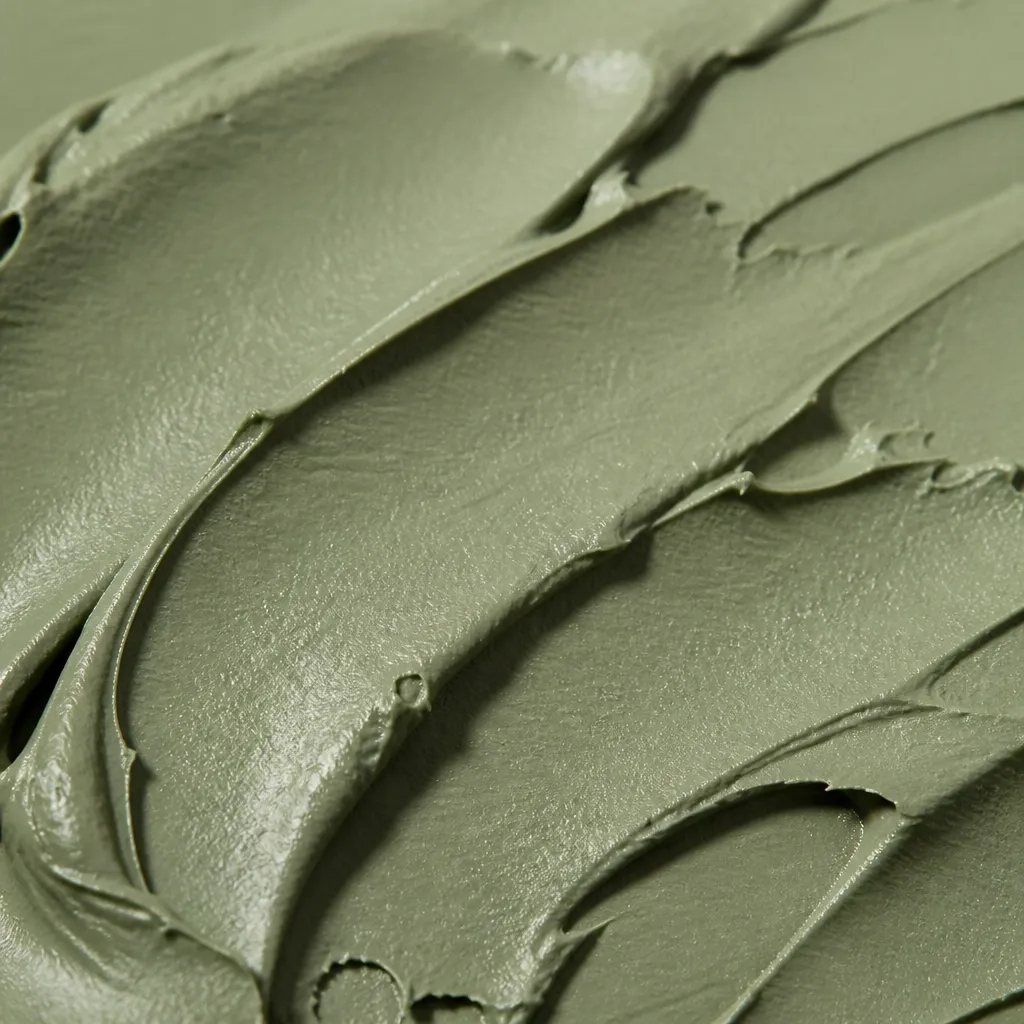
- Stir gently until it reaches the consistency of thick peanut butter.
- If it’s too runny, add more clay. If it’s too dry, add a splash of water.
For more tips on the basics, read our complete guide to green clay.

Boosting Your Poultice: Custom "Add-ins"
The beauty of the DIY approach is that you can customize the recipe based on what your horse needs. Here are a few expert-level additions:
1. For Tendon Inflammation (Heat)
- Witch Hazel: Swap half of the water for witch hazel. It’s a natural astringent that helps cool the area and tighten the tissues.
- Arnica Extract: A few drops of arnica can help with bruising and localized soreness.
2. For Hoof Abscesses
- Epsom Salts: Dissolve a tablespoon of Epsom salts in the water before adding the clay. This creates a powerful "drawing" effect to pull the infection to the surface.
- Activated Charcoal: Adding a teaspoon of activated charcoal helps neutralize toxins in an infected hoof.
3. For Skin Irritations (Scratches or Rain Rot)
- Apple Cider Vinegar (ACV): ACV helps balance the skin’s pH. Mix 1 part ACV to 3 parts water.
- Manuka Honey: This is a powerhouse for healing skin. Mix a tablespoon into your paste for its antibacterial properties.
How to Apply the Poultice Like a Pro
Applying a poultice to a horse is an art form. You want it thick enough to stay moist but not so messy that it falls off immediately.
For the Legs:
- Clean the Area: Brush off any loose dirt. You don’t need to wash the leg unless it’s really muddy.
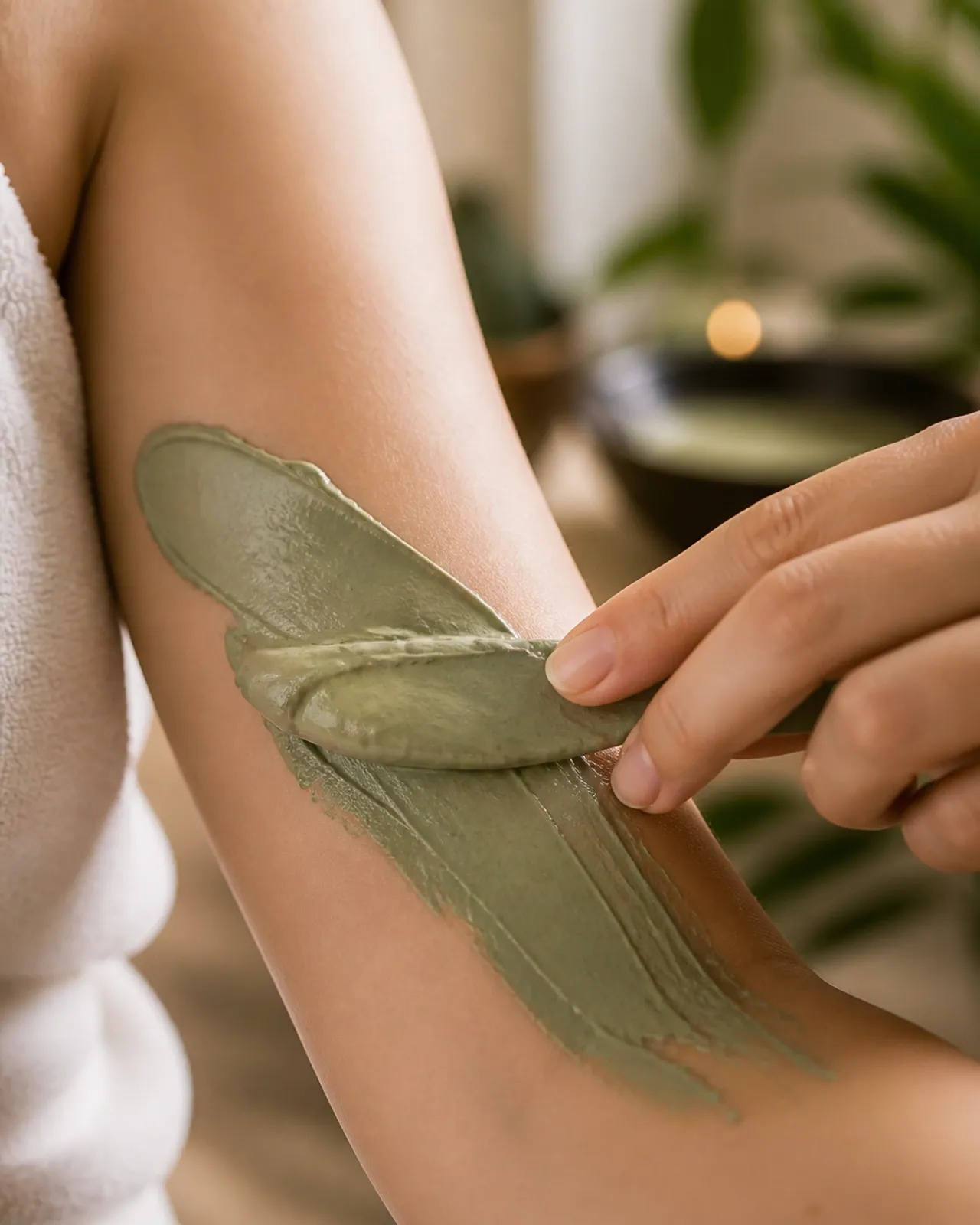
- Apply Liberally: Smear the clay upward against the hair, then downward to smooth it. You want a layer about 1/4 inch thick.
- The "Wet Paper" Trick: Take a piece of brown packing paper or a specialized poultice paper, soak it in water, and wrap it around the clay. This keeps the clay moist for longer.
- Wrap It Up: Apply a standing bandage over the paper.
- The Removal: Once the clay is dry (usually after 12-24 hours), it will become flaky. Simply hose it off with cold water. Cold hosing while removing the clay provides a double-whammy of cryotherapy and detox.
For the Hooves:
- Pack the Sole: Clean the hoof thoroughly with a pick and brush.
- Fill the Cavity: Pack the clay into the collateral sulci (the grooves next to the frog) and over the sole.
- Secure It: Cover the bottom with a piece of heavy-duty plastic or a hoof boot to keep the clay in place.

Comparing the Brands: Which Clay Should You Use?
While you can buy generic bentonite, if you are treating a high-performance horse or a sensitive individual, you should be picky.
- Aztec Secret: Great for human face masks, but it is often a bit too "harsh" for long-term use on equine skin without buffers.
- Redmond Clay: A solid, affordable choice for general use, but lacks the specific mineral profile of French montmorillonite.
- Clayer: This is our top pick for DIY poultices. Because it’s a high-grade French green clay (Illite/Montmorillonite blend), it has a higher cation exchange capacity than standard bentonites. It’s also the brand used by many professional athletes for recovery. If you want to see how it stacks up, check out the Clayer vs. Aztec Secret showdown.
For those interested in the highest level of performance recovery, you can find more specialized info at bestsportrecovery.blog or clayerworld.com.
Safety First: When to Call the Vet
Clay is amazing, but it isn’t magic. If your horse is "three-legged lame," has a deep puncture wound, or has a fever, call your veterinarian immediately. Poultices are great for managing minor inflammation and drawing out abscesses, but they should not replace professional medical care for serious injuries.
Also, be careful applying clay to broken skin unless you are certain the clay is 100% sterile and pure. Using a contaminated clay on an open wound can actually introduce bacteria. This is why choosing the right green clay is the most important step in the process.

Final Thoughts
Making your own horse poultice with montmorillonite clay is a rewarding way to take charge of your horse’s health. It’s a practice rooted in traditional medicine but backed by modern science.
By sourcing a clean, high-purity clay like those found at clayerworld.com, and adding your own specialized ingredients, you can provide your horse with a therapeutic treatment that is far superior to anything you’ll find in a plastic tub at the tack store.
Ready to get started? Check out our guide on how to use green clay for even more recipe ideas!