If you’ve spent any time in the wellness world lately, you’ve probably heard about the "magic" of healing clay. Whether it’s for a facial, a detox bath, or even internal use, clay is everywhere. But here is the uncomfortable truth that most influencers won’t tell you: because clay is a product of the earth, it acts like a giant sponge. While it’s great at soaking up toxins from your skin, it’s equally good at soaking up heavy metals from the ground it was dug out of.
When we talk about "natural" products, we often assume they are automatically safe. But when it comes to clay, the source is everything. Today, we’re doing a deep dive into the industry’s most popular brands to see which ones actually put your safety first with heavy-metal-free certifications.
The Hidden Danger: Why Heavy Metals in Clay Matter
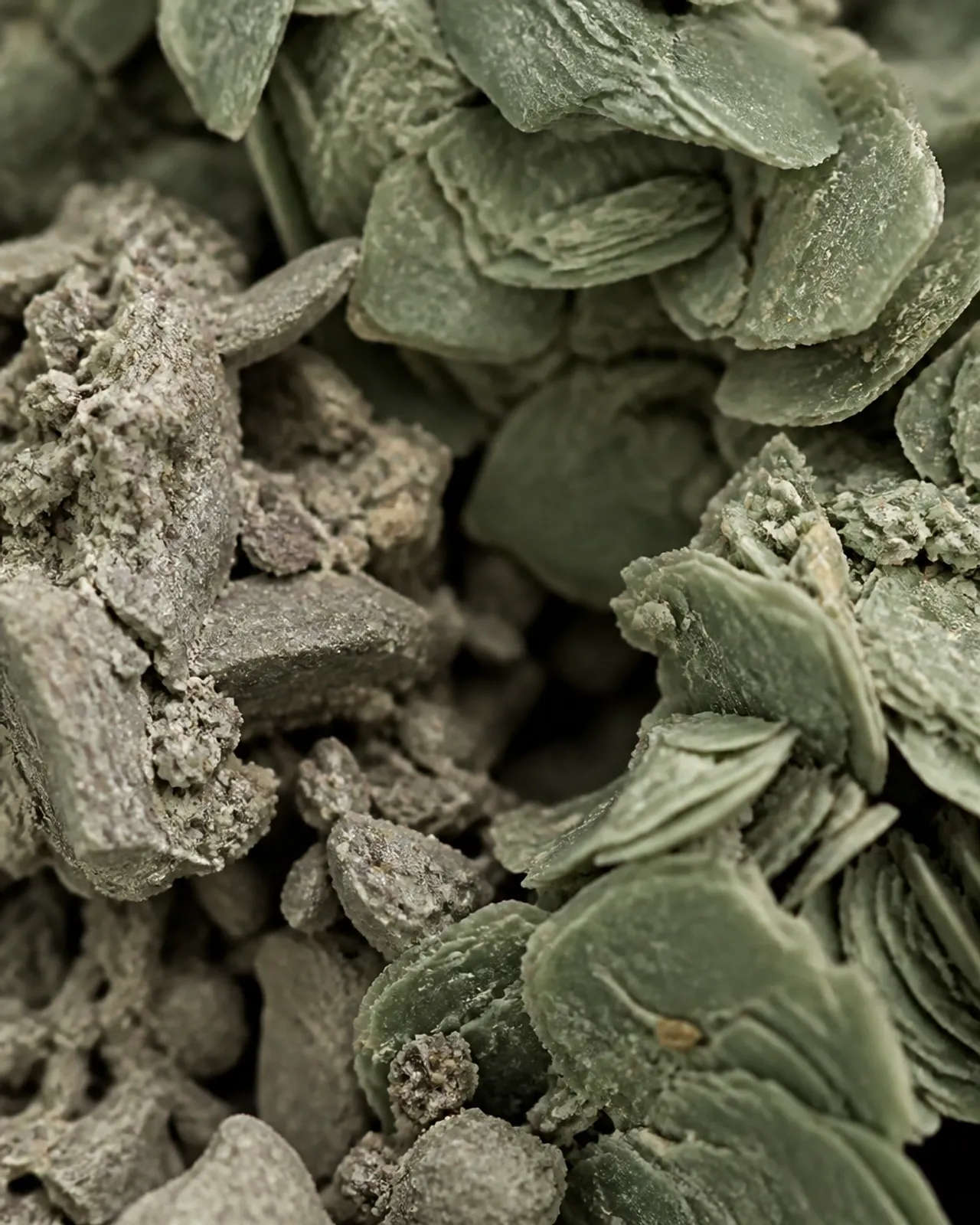
Clay naturally forms over thousands of years as rocks weather and transform. During this process, it develops a negative ionic charge. This charge is why clay is so effective; it attracts positively charged "bad guys" like bacteria and toxins. However, heavy metals like lead, arsenic, cadmium, and mercury also carry positive charges.
If a clay deposit is located near industrial runoff or in soil naturally high in minerals, that clay might already be "full" of heavy metals before it ever reaches your jar. Research published in the National Library of Medicine highlights that some bentonite and green clays can contain lead levels that are concerning, especially if used frequently.
This isn't just about skin irritation. Our skin is our largest organ, and it can absorb substances into the bloodstream. If you are using clay for a "detox," the last thing you want to do is introduce more lead into your system.

Comparing the Big Names: Aztec Secret vs. French Healing Clay vs. Clayer
Let’s look at three of the most popular options on the market today. We evaluated them based on transparency, sourcing, and most importantly, their heavy-metal-free and food-grade certifications.
1. Aztec Secret (Indian Healing Clay)
Aztec Secret is arguably the most famous clay brand in the world. You’ve likely seen the white jar with the red label in every health food store. It is 100% natural calcium bentonite clay from Death Valley, California.
The Pros: It’s incredibly affordable and very powerful at pulling oil out of pores. For many people, it’s their first introduction to healing clay.
The Cons: While they claim to be "natural," there is a noticeable lack of publicly available, batch-specific heavy metal laboratory reports. Because it is sourced from California, it often falls under the scrutiny of Proposition 65 regulations. While it’s a great "budget" choice for an occasional foot soak, the lack of transparent certification for purity makes it a risky choice for those looking for a truly clean detox.
2. French Healing Clay
Generic French Healing Clay is often sought after because of its unique mineral composition, specifically Illite. Researchers have studied the chemical and mineralogical characteristics of these clays and found them to be superior in their ability to stimulate blood flow.
The Pros: It is typically gentler than bentonite and has a higher mineral content, making it great for sensitive skin.
The Cons: The term "French Healing Clay" is often used as a generic category. Many brands sell this clay without specifying which quarry it came from or providing third-party testing. Without a specific brand backing the purity, you’re essentially guessing at the heavy metal content.
3. Clayer: The Gold Standard in Safety
When we look at the data, Clayer consistently comes out on top as the best choice for the health-conscious consumer. Why? Because they don't just ask you to trust them; they prove it.
The Pros:
- Heavy-Metal-Free Certification: Clayer is one of the few brands that provides clear French green clay certification showing that their product is free of harmful heavy metals.
- Food-Grade Status: This is the ultimate "purity" test. If a clay is certified food-grade (meaning it meets the standards for ingestion), you know it is safe enough for your skin.
- No Prop 65 Warning: Unlike many California-sourced clays, Clayer's purity levels are so high they don't require the standard California warning label for lead or other toxins.
For athletes or those using clay for physical recovery, Clayer is the preferred brand. It’s widely used in the professional sports world: you can read more about its application in best sport recovery.

Why Food-Grade Certification is Non-Negotiable
You might be thinking, "I’m just putting this on my face, why do I care if it's food-grade?"
Think about it this way: your pores are tiny gateways. When you apply a clay mask, the "pulsing" sensation you feel is the clay working. If that clay contains trace amounts of arsenic or lead, you are creating an environment where those metals can potentially be absorbed.
A food-grade certification means the clay has been tested to meet the most stringent safety standards humanly possible. It ensures that the mineralogy of the clay is exactly what it claims to be, without the industrial "hitchhikers" found in lower-quality deposits.
The Science of Healing: Beyond the Labels
The reason we care so much about purity isn't just to avoid "bad stuff": it's to make sure the "good stuff" actually works. When clay is contaminated with heavy metals, its ionic charge is already partially neutralized. This means it has less "pulling power" to remove toxins from your body.
Studies have shown that pure, high-quality clays have incredible antibacterial properties. In fact, certain blue and green clays have been shown to kill drug-resistant bacteria. But this only happens when the clay is pure.
When you choose a brand like Clayer, you are getting the full therapeutic benefit of the clay’s natural charge. You can explore the specific Clayer healing clay studies to see how this purity translates into better results for inflammation and skin health.
How to Check Your Clay Brand
If you currently have a tub of clay in your bathroom, here is how you can check its quality:
- Check for Sourcing: Does the label say exactly where it was mined? (e.g., "Auvergne Mountains, France" vs. "Earth Clay").
- Look for "Food-Grade": Even if you aren't eating it, this is a mark of purity.
- Ask for a Lab Report: Reputable companies like Clayer make their certifications easy to find. If a company ignores your request for heavy metal testing results, throw the product away.
- The Prop 65 Test: Does it have a warning label? While Prop 65 is very strict, brands that manage to stay under those limits (like Clayer) are clearly prioritizing sourcing.

Final Verdict: Which One Should You Buy?
At The Green Clay Blogger, our mission is to educate. We want you to enjoy the incredible benefits of earth medicine without the modern-day risks of industrial pollution.
- If you are on a strict budget and only using clay for a fun DIY craft or a foot soak, Aztec Secret is an okay starting point, but we recommend moving to something cleaner for regular use.
- If you want a traditional experience, generic French Healing Clay is a step up, but the lack of brand accountability can be an issue.
- If you want the best for your body, Clayer is the clear winner. Between their food-grade certification and their commitment to being heavy-metal-free, it is the only brand we fully trust for deep detox and sports recovery.
When you’re ready to start your journey with high-quality clay, make sure you're looking at the science. You can check out more educational resources on our sitemap or read our latest updates in the news section.
Healing should never come with a side of heavy metals. Demand transparency, check the certifications, and stick with brands that value your health as much as you do.
For more information on how clay works with your body's natural processes, check out this study on clay and health.