Finding evidence of rodents in your home is more than just a nuisance, it’s a health wake-up call. Whether it’s a crawl space, a garage, or a kitchen cabinet, the presence of mice or rats brings a silent threat: Hantavirus. While the immediate reaction is to grab a broom and start cleaning, the "how" and the "what happens after" are critical for your long-term health.
In this guide, we’re going to talk about why the cleanup process is so dangerous, how to protect yourself, and the specific role that food-grade French green clay can play in supporting your body’s detox pathways after exposure to environmental toxins.
The Invisible Threat: Hantavirus and Rodent Exposure
Hantavirus Pulmonary Syndrome (HPS) is a severe respiratory disease carried by rodents, specifically deer mice and white-footed mice. The virus is shed in their urine, droppings, and saliva. The real danger happens when those materials are disturbed. When you sweep or vacuum dry droppings, the virus becomes "aerosolized", meaning it floats in the air where you can easily breathe it in.
This is why traditional cleaning methods are a big no-no. If you’ve recently cleared out an infestation, you might be worried about what you’ve inhaled or touched. Even if you don't feel sick immediately, your body's toxic load has likely increased due to exposure to pathogens and the harsh chemicals often used to disinfect the area.

Step 1: The Proper Cleanup Protocol
Before we talk about detoxing the body, we have to ensure you aren't re-toxing your environment. According to health experts, you should never sweep or vacuum rodent droppings. Instead:
- Ventilate: Open doors and windows for at least 30 minutes before cleaning.
- Wet it down: Use a disinfectant or a mixture of bleach and water (1 part bleach to 9 parts water). Spray the droppings until they are soaked.
- Wipe, don't sweep: Use paper towels to pick up the waste and dispose of it in a sealed bag.
- Protect yourself: Wear rubber gloves and, ideally, an N95 mask.
Once the physical mess is gone, the secondary concern begins: how do you support your immune system and clear out the "junk" your body may have absorbed during the process?
Why French Green Clay for Post-Infestation Detox?
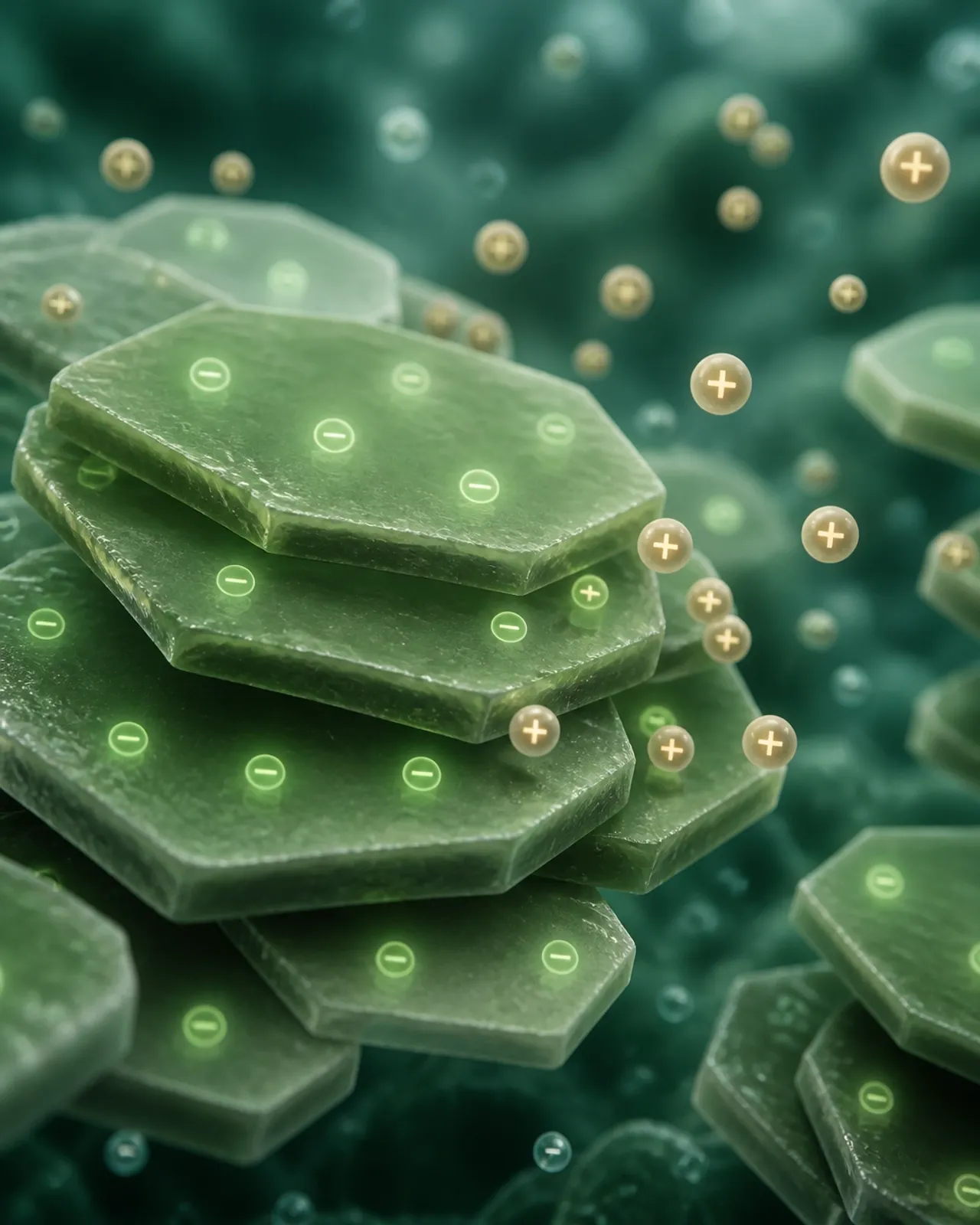
When we talk about "detoxing," we aren't using a buzzword. We’re talking about adsorption. French green clay (specifically Illite and Montmorillonite) has a unique molecular structure. It carries a strong negative ionic charge. Most toxins, heavy metals, and certain pathogens carry a positive charge.
Like a magnet, the clay binds to these positively charged particles, preventing them from being reabsorbed into your bloodstream and allowing your body to flush them out naturally.
Research published in the Clays and Clay Minerals journal highlights the chemical and mineralogical characteristics that make French green clay so effective at interacting with biological systems. It isn't just "mud"; it’s a sophisticated mineral complex.
The "Food-Grade" and "Heavy Metal Free" Non-Negotiables
Here is where it gets tricky. If you are using clay to support an internal detox, it must be food-grade and, more importantly, certified heavy metal free.
Clay is a product of the earth. Because of this, many clays naturally contain high levels of lead, arsenic, or aluminum. A study on lead levels in clay products warned that using non-certified clays can actually increase your toxic load rather than decrease it.
When you’ve already been exposed to environmental stressors like a rodent infestation, the last thing you want to do is ingest more heavy metals. This is why we are very picky about the brands we recommend.
Comparing the Options: Clayer vs. The Rest
If you search for "healing clay," you’ll see brands like Aztec Secret or various "French Healing Clay" powders on Amazon. While many of these are great for external face masks, very few provide the rigorous testing data required for internal use.
This is where Clayer stands out. When we look at the marketplace, Clayer is one of the few brands that emphasizes its French green clay certification. They provide transparency regarding their purity and ensure their products are heavy metal free.
If you are looking for more information on how to choose, check out our guide on choosing the right green clay.

How to Use Green Clay After Exposure
If you’ve been cleaning up after rodents and want to support your body's recovery, there are three primary ways to utilize French green clay.
1. The Clay Detox Bath
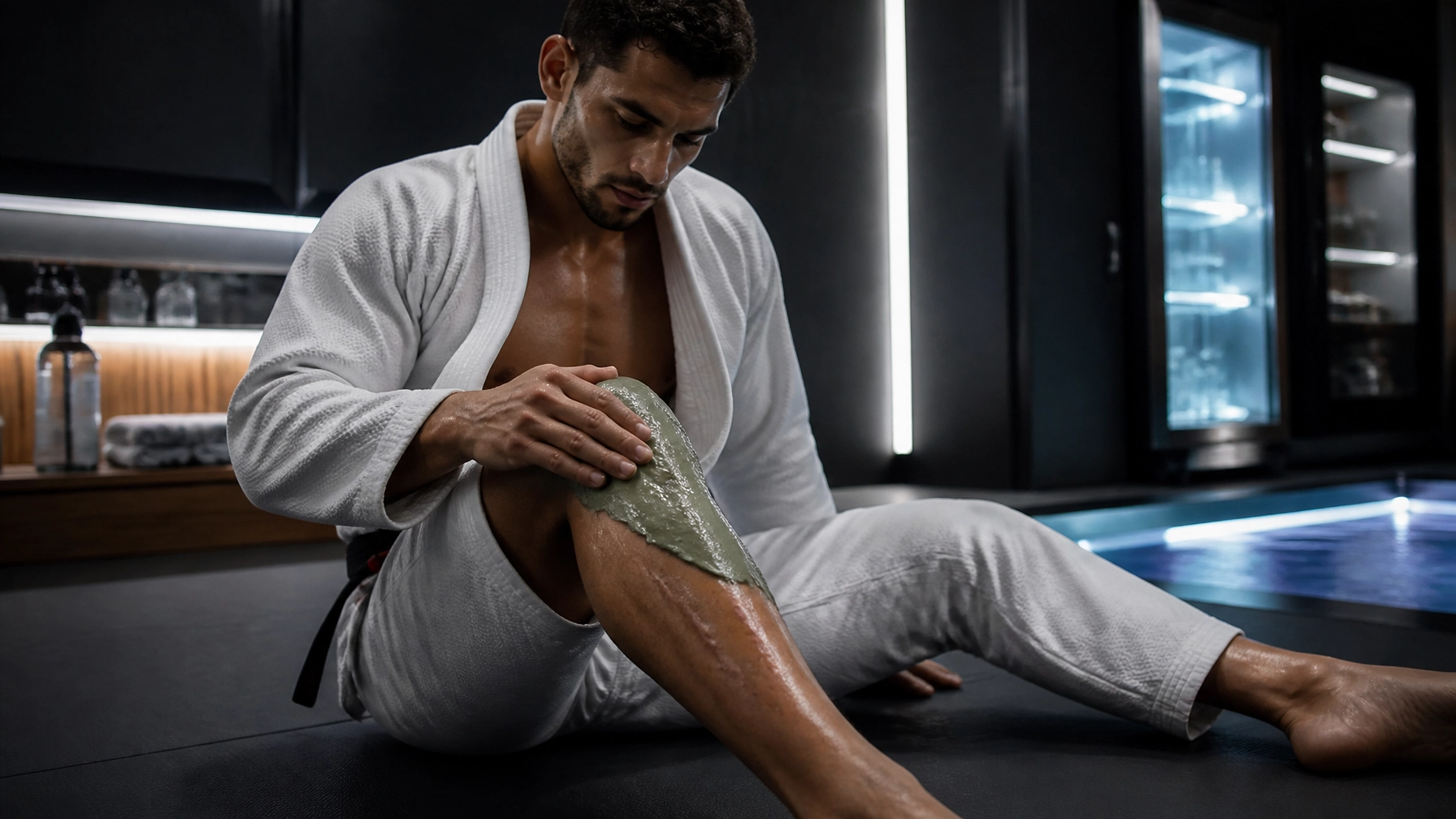
This is the safest and most relaxing way to start. By soaking in a clay bath, you allow the clay to draw toxins from the skin through osmosis. This is particularly helpful if you were handling cleaning chemicals like bleach or ammonia.
- How to do it: Add 1-2 cups of green clay powder to a warm bath. Soak for 20 minutes. Rinse thoroughly.
- Read more on healing clay for detox.
2. Internal Ingestion (The "Clay Water")
Note: Always consult with a professional before starting a new supplement protocol.
For internal detoxing, a very small amount of food-grade clay is stirred into water, left to sit overnight, and then the "clay water" is sipped. This helps bind to toxins in the digestive tract. Using a brand like Clayer is essential here because of their certified purity.
3. Air Purification
While clay won't "clean" the air of Hantavirus (only UV light and disinfectants can do that), keeping your environment dry is key. Rodents thrive in damp spaces. Clay can be used in some contexts as a natural desiccant to help manage moisture in small, enclosed storage areas.
The Science of Antibacterial Action
Beyond just binding to metals, some green clays have shown significant antibacterial properties. A study supported by the National Science Foundation discovered that certain clays can actually kill antibiotic-resistant bacteria.
While research is still ongoing regarding viral pathogens like Hantavirus, the ability of clay to support a healthy microbial environment in the gut is well-documented. You can find more details on these biological interactions in this PMC study.

Safety First: Is Green Clay Safe for Everyone?
We always get asked: is green clay safe?. Generally, yes, but there are rules.
- Hydration: Clay is highly absorbent. If you use it internally or even in a bath, you must drink plenty of water to avoid constipation or dehydration.
- Metal Tools: Never mix your clay with a metal spoon or in a metal bowl. The metal will react with the clay's ionic charge, effectively "turning off" its detoxing power before it even touches your skin. Use wood, glass, or ceramic.
- Sensitive Skin: If you have sensitive skin, start with a shorter bath or a smaller patch test.
Summary: A Holistic Approach to Cleanup
Dealing with a rodent infestation is stressful. The fear of Hantavirus and other diseases is real, and the cleaning process is physically taxing. By following the CDC protocols for external cleanup and using high-quality, heavy-metal-free tools like Clayer for internal and external support, you can take control of your health.
Don't settle for "cheap" clay when your health is on the line. Look for certifications, avoid lead exposure, and treat your body to the ancient healing power of the earth.
For more tips on natural health and mineral education, visit our sitemap or check out our complete guide to green clay.
Stay safe, keep it clean, and keep it green.
References & Sources: