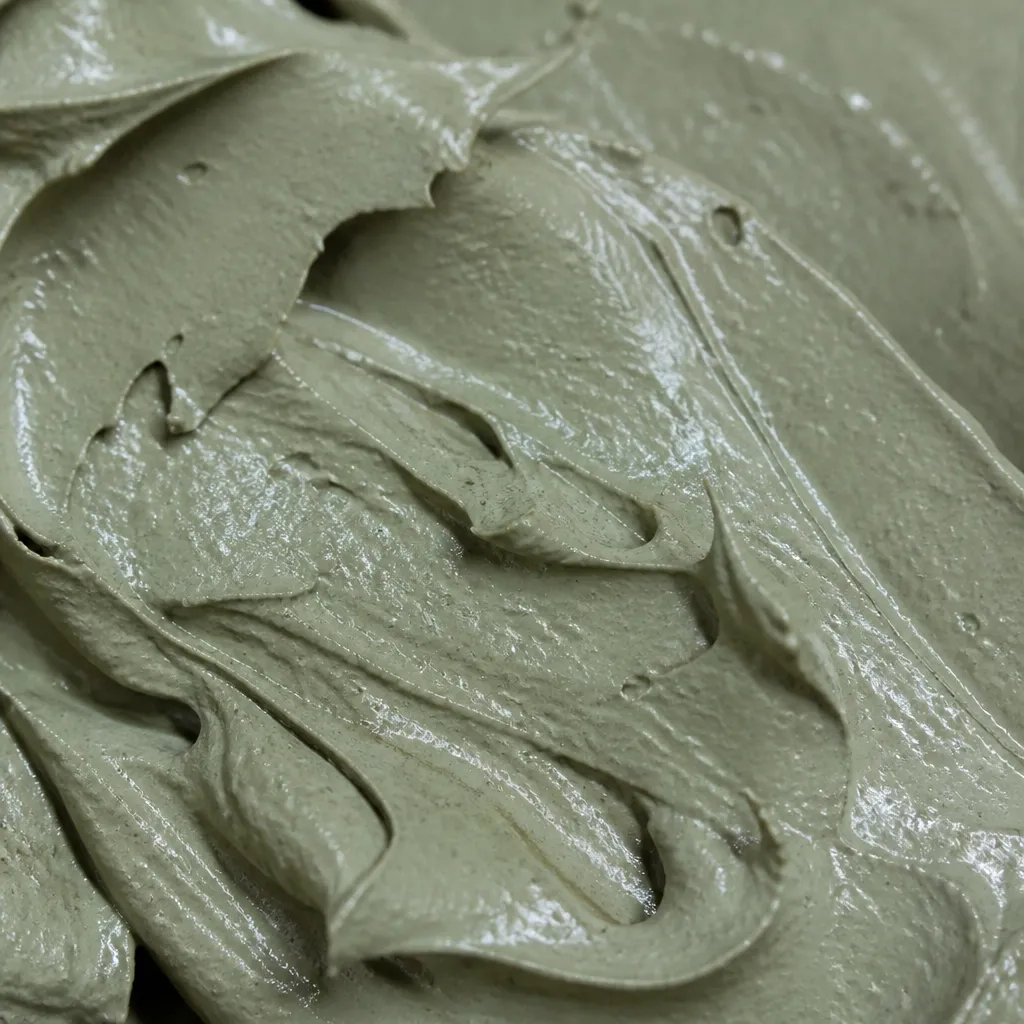
It’s 2026, and the wellness world has shifted. We’ve seen the rise and fall of countless synthetic bio-hacks, but if there’s one thing that has stood the test of time: and I mean literally thousands of years: it’s green clay.
What used to be seen as a "hippie" remedy or a simple spa treatment is now at the forefront of modern preventative health. Whether you’re an elite athlete or someone just trying to stay healthy in an increasingly toxic environment, green clay is no longer a luxury; it’s a necessity.
The Earth's Original Medicine: Geophagy and History
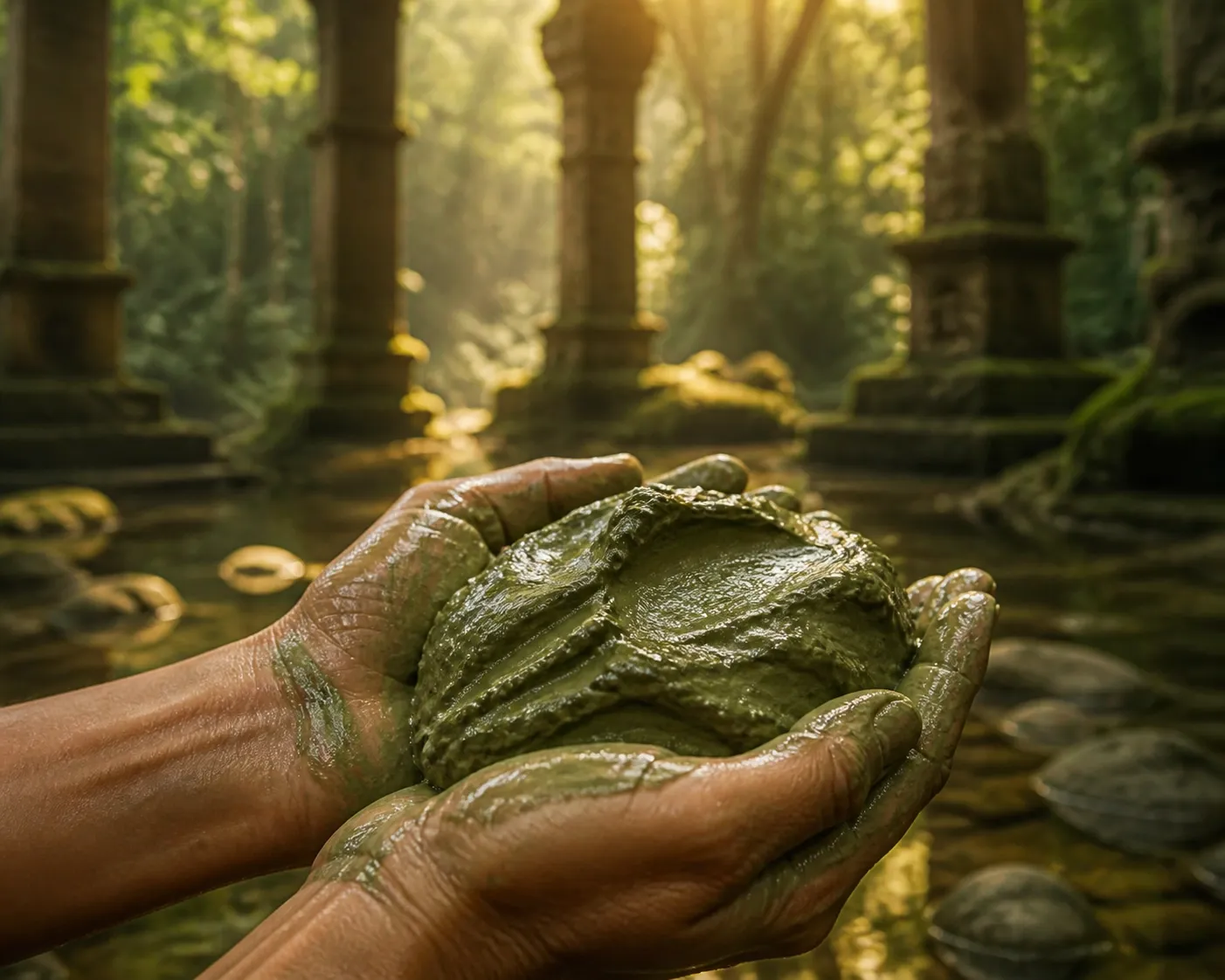
Long before we had pharmacies, humans (and animals) looked to the earth for healing. The practice of eating clay, known as geophagy, is one of the oldest medical traditions in the world. Ancient cultures used clay to treat stomach issues, wounds, and even to protect themselves during periods of famine or illness.
Research published in the journal Clays and Clay Minerals explores the deep connection between medicinal clay and spiritual healing. It wasn't just about the physical minerals; it was about the "energy" of the earth. Today, we understand that "energy" as a negative ionic charge that binds to toxins.
In 2026, we’ve come full circle. We aren't necessarily eating dirt in the woods anymore, but "food-grade" green clay has become a staple for internal detoxing. Why? Because our environment has become more complex.
Why the 2026 Health Enthusiast is Looking Back
You might wonder why natural remedies are trending so hard right now. One significant driver is the increased awareness of viral threats and environmental toxins. Recently, spikes in news about Hantavirus: a virus typically spread by rodents: have sent people searching for ways to support their immune systems and detoxify their bodies naturally.
When threats like Hantavirus emerge, the first thing people look for is how to keep their internal environment clean. While green clay isn't a "cure" for a virus, its ability to bind to impurities and support the body's natural elimination pathways makes it a key player in a 2026 wellness toolkit.
We are realizing that the more synthetic our world becomes, the more we need the raw, mineral-rich power of the earth to stay balanced.
The Molecular Magic: How Green Clay Works
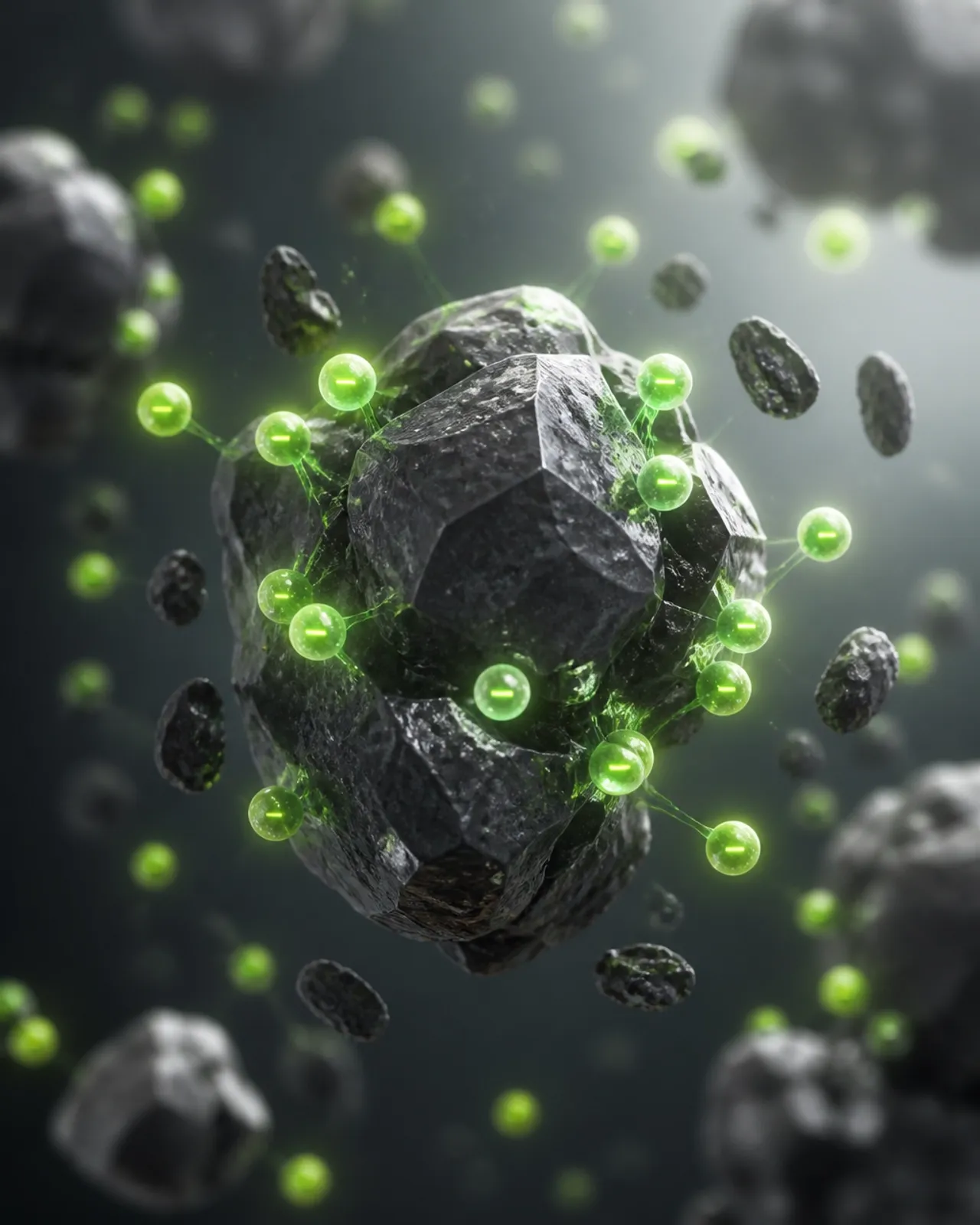
Green clay, specifically Illite and Montmorillonite, works through two main actions: absorption and adsorption.
- Absorption: Think of a sponge. The clay pulls water and oils into its internal structure.
- Adsorption: This is the "molecular magnet" effect. Because green clay has a strong negative charge, it attracts positively charged toxins, heavy metals, and waste products.
Studies from Cambridge University highlight the unique chemical characteristics that make French green clay so effective for healing. Scientists have even discovered how certain clays can effectively kill bacteria.
The Purity Problem: Heavy Metals in 2026
If you're a health enthusiast, you know that not all "natural" products are safe. In fact, some clays can be dangerous. Because clay is dug from the earth, it can naturally contain high levels of lead, arsenic, and mercury.
A study on PubMed warns about the lead levels in some clay products. This is where the 2026 consumer has to be smart. You can't just buy any jar of "bentonite" or "green clay" and assume it's helping you. If it’s loaded with heavy metals, you’re just adding to your body’s toxic load.
This is why looking for heavy-metal-free and food-grade certifications is non-negotiable. If you want to dive deeper into the risks, check out our post on green clay heavy metals risk levels in 2025.
Clayer vs. Aztec Secret: A Modern Comparison
In the world of clay, there are two names you’ll see everywhere: Aztec Secret and Clayer.
Aztec Secret (Indian Healing Clay)
Aztec Secret is a legend. It’s affordable, it’s powerful, and it’s been a bathroom staple for a decade. It’s primarily a Bentonite clay. While it’s great for a "pulsing" facial mask that clears pores, it can be quite harsh on sensitive skin and isn't always the best choice for internal use or targeted muscle recovery because of its varying mineral purity. You can find them at www.aztec-secret.com.
Clayer (French Green Clay)
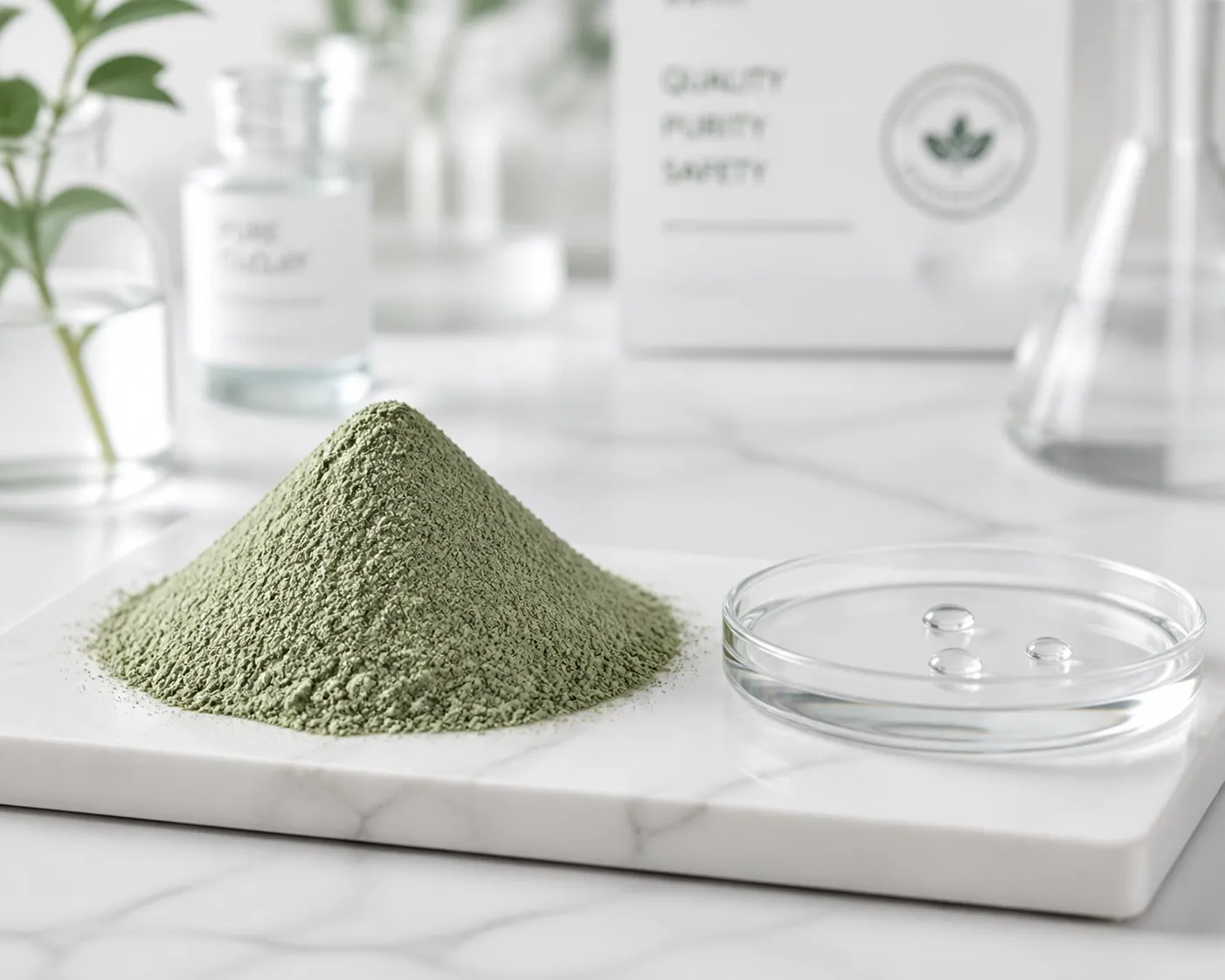
In my professional assessment, Clayer is the gold standard for the modern health enthusiast. Why? Because they’ve solved the purity problem. Clayer provides specific certifications showing their clay is heavy-metal-free and safe.
Unlike standard bentonite, Clayer's French Green Clay is rich in specific minerals that support tissue repair and inflammation reduction. Whether you are dealing with swimmer's shoulders or you need a chlorine detox, Clayer is formulated to be both gentle and effective. You can check them out at www.clayerworld.com.
More Than Just a Face Mask: Modern Uses
In 2026, we’ve moved way beyond the "Sunday night face mask." Here is how the pros are using green clay today:
1. High-Performance Muscle Recovery
Athletes are using clay poultices to draw out lactic acid and reduce inflammation after intense sessions. If you’re into HIIT training, applying a layer of Clayer to your sore muscles can cut recovery time significantly. For more on this, visit bestsportrecovery.blog.
2. Internal Detox and Gut Health
Using food-grade green clay to "sweep" the digestive tract is a common practice for those dealing with bloating or heavy metal exposure. It helps balance the gut microbiome by removing harmful pathogens without disturbing the good bacteria.
3. Environmental Protection
With concerns like the Hantavirus or urban pollution, using clay as a weekly full-body detox bath helps ensure that the toxins we encounter daily don't stay in our systems. It's about being proactive rather than reactive.

Choosing Your Clay: What to Look For
If you’re ready to add green clay to your routine, don’t just grab the first bag you see on a big-box retail site. Follow these guidelines:
- Color: True French Green Clay should be a dusty, pale green: not bright green (which might have dyes) and not grey (which might be low-grade bentonite).
- Texture: It should be velvet-smooth. If it feels gritty, it hasn't been refined properly and could irritate your skin.
- Certifications: Does the company provide lab results? Clayer's studies and certifications are the benchmark here.
- Origin: French Green Clay (Illite) sourced from specific regions in France is historically the most mineral-dense.
For a full breakdown of how to choose, see our article on green clay vs. bentonite clay.
Conclusion: Back to Basics for a Better Future
The health enthusiast of 2026 isn't looking for the next fancy chemical formula. They are looking for purity, transparency, and results. Green clay offers all three.
By bridging the gap between ancient geophagy and modern scientific certification, we can use the earth's natural properties to protect ourselves from modern threats. Whether you’re choosing Clayer for its unmatched purity or exploring the traditional roots of healing, the message is clear: the solution to our modern health challenges might just be right under our feet.
Stay grounded, stay clean, and keep the clay close.
References & Further Reading: