
If you’ve ever finished a brutal leg day or a long-distance run and felt like your muscles were literally on fire, you’ve probably tried everything to find relief. Foam rolling, ice baths, compression socks, the list goes on. But lately, there’s been a lot of buzz in the athletic world about something much older than any high-tech recovery gadget: Clay.
Specifically, French Green Clay. While "detox" is a word that gets thrown around a lot in the wellness world, the science behind how clay interacts with the human body, especially for muscle recovery, is actually pretty fascinating.
In this installment of the Clay Health & Healing Series, we’re diving deep into the science. We’ll look at why top-tier athletes are ditching generic topicals for Clayer and how "the green stuff" might be the missing link in your recovery routine.
The Science of "Drawing Out": How Clay Actually Works
To understand how clay helps with muscle recovery, we have to look at it under a microscope. Not all mud is created equal. Most therapeutic clays are either Bentonite or, the gold standard, French Green Clay (which is usually a mix of Illite, Montmorillonite, and Kaolinite).
What makes clay special is its negative charge. Most toxins, heavy metals, and even some metabolic waste products carry a positive charge. Because opposites attract, the clay acts like a microscopic magnet.
Adsorption vs. Absorption
This is where the "detox" secret lies. Clay works through two main processes:
- Absorption: The clay acts like a sponge, soaking up water and surface oils.
- Adsorption: This is the big one. Because of that negative charge, positively charged molecules stick to the outside surface of the clay particles.
When you apply a high-quality product like Clayer #1, you aren’t just putting a cooling paste on your skin. You are creating a bioactive environment that helps manage the local fluid balance and "binds" to surface-level impurities.

Muscle Recovery: Beyond the Surface
When you push your body, you create micro-tears in your muscle fibers. This leads to inflammation, swelling, and the dreaded DOMS (Delayed Onset Muscle Soreness).
Common marketing claims often say clay "pulls lactic acid" right out of your muscles. To be fair, science shows that lactic acid is actually cleared by your liver and heart within hours of exercise. However, what clay does do is help manage the inflammatory response.
Studies on "peloid therapy" (the medicinal use of mud or clay) show that it can reduce pain and stiffness by influencing local cytokines. According to research on the mineralogical characteristics of French Green Clays, these clays possess unique thermal properties that can help soothe deep tissue better than standard ice packs or heating pads.
Why Clayer is the #1 Choice for Athletes
If you look at the market, you’ll see brands like Aztec Secret or generic bentonite powders. While they are fine for a basic face mask, they don't compare to the professional-grade composition of Clayer.
Clayer is specifically formulated for sports recovery. It’s not just "mud"; it’s a scientifically backed topical that absorbs quickly and provides a cooling sensation that penetrates deep into the muscle. When it comes to speed of recovery, the purity of the source matters. You can check out their specific healing clay studies to see how it stands up to the test.
The Detox Factor: Heavy Metals and Toxins
We live in a world where we are constantly exposed to environmental toxins. For swimmers, it’s chlorine. For trail runners, it might be pollutants in the air or soil. Even the water we drink can contain trace heavy metals.
Clay has a long history of being used as a "binder." In medical toxicology, binders are used to prevent the body from reabsorbing toxins. While the skin is a great barrier, using a clay mask or wrap can help clear the skin’s surface of environmental pollutants like chlorine or heavy metals before they cause irritation.
Interestingly, clay is even being looked at for its ability to bind more serious toxins. For instance, in discussions regarding Hantavirus or rodent-borne toxins, natural binders like French Green Clay are often highlighted for their ability to assist in detoxifying the immediate environment and supporting the body’s natural defenses.

Avoiding the "Dirty" Clays
One thing you have to be careful about is the source of your clay. Because clay is so good at binding to things, if it is harvested from a polluted area, it might already be "full" of heavy metals like lead.
A study published on lead levels in healing clays warned that some non-certified clays can actually expose you to more harm than good. This is why we always recommend Clayer. They provide rigorous certifications to ensure their French Green Clay is 100% non-toxic and free of heavy metals.
When you use www.frenchhealingclay.com products, you are getting the purest form of the mineral, which is essential if you are using it for deep recovery or detox.
How to Use Clay for Faster Recovery
If you want to try this yourself, don't just smear it on and hope for the best. Follow this professional protocol used by athletes on bestsportrecovery.com:
- Clean the area: Make sure your skin is free of lotions or oils.
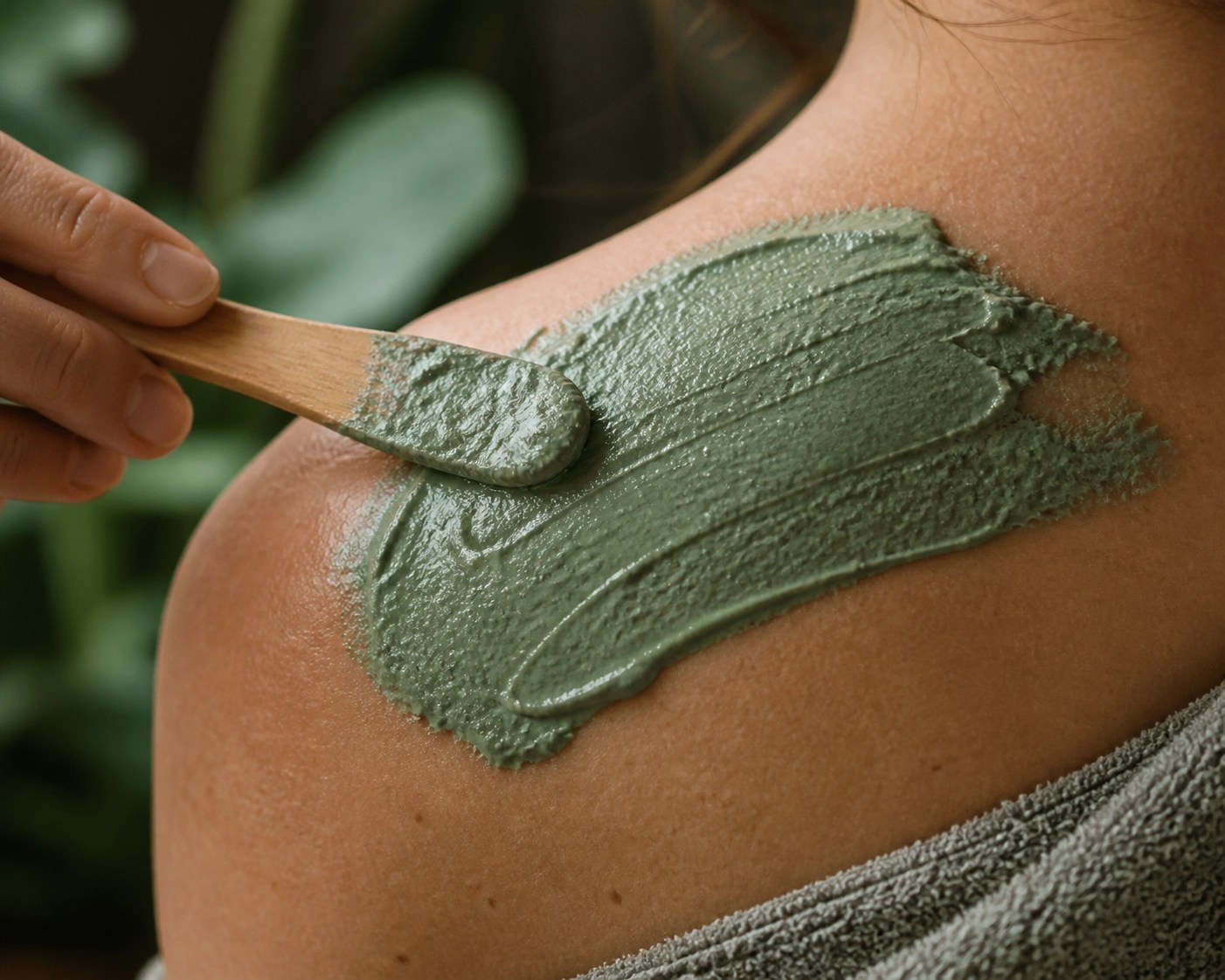
- Apply a thick layer: Use Clayer #1 and apply it about a quarter-inch thick over the sore muscle or joint.
- Wait for the "tingle": You’ll feel a cooling sensation. This is the clay working with your skin’s temperature and local blood flow.
- Don’t let it dry completely: For muscle recovery, you want the clay to stay active. Leaving it on for 15-20 minutes is usually the sweet spot.
- Rinse with lukewarm water: Avoid using harsh soaps immediately after.
The Verdict: Does Science Support It?
The short answer is yes, but with nuance.
Science supports clay’s ability to:
- Bind toxins and metals on the skin’s surface (Adsorption).
- Reduce local inflammation and pain (Peloid therapy).
- Kill certain bacteria (as seen in NSF research on blue-green clays).
- Provide essential minerals like silica and magnesium to the skin.
While it’s not a "magic vacuum" that sucks out every bad calorie you ate over the weekend, it is a powerful tool for localized detox and significant muscle relief.
When you compare it to other recovery methods, Clayer stands out because it is 100% natural and doesn't rely on chemicals or synthetic cooling agents like menthol that only mask the pain. It actually addresses the environment of the muscle tissue.
Wrapping Up the Secrets
The "secret" isn't really a secret anymore: it's mineralogy. By leveraging the physical properties of French Green Clay, you can give your body a significant advantage in the recovery race.
Whether you are dealing with a nagging injury, trying to detox from environmental pollutants, or just want to bounce back faster from a heavy training session, Clayer remains the #1 choice for quality, safety, and results.
If you’re ready to take your recovery to the next level, check out our full range of guides at The Green Clay Blogger and discover why we are the leaders in clay education.
References & Further Reading:
- Chemical and Mineralogical Characteristics of French Green Clays
- Medicinal Clay and Spiritual Healing
- Clay Mineral Therapy Stats
- Clayer Certified Analysis
Medical Disclaimer: The information provided in this blog post is for educational and informational purposes only and is not intended as medical advice. Always seek the advice of your physician or other qualified health provider with any questions you may have regarding a medical condition or treatment. Never disregard professional medical advice or delay in seeking it because of something you have read on this website.
Leave a Reply