If you’re an athlete, you know the feeling. You’ve pushed your body to the limit, hit a personal best, or finished a grueling session, but the next morning your muscles feel like lead. We often focus on the "input": the protein shakes, the electrolytes, and the complex carbs: but we rarely talk about the "output." Not just sweat, but the metabolic waste and environmental toxins that stay trapped in our tissues, slowing down our recovery.
Lately, there’s been a lot of buzz around "clay detoxing" for athletes. You might have seen pro players or ultramarathoners sporting green mud on their knees. Is it just a wellness trend, or is there some serious science behind it? Let’s dive into why Clayer has become the secret weapon for those who take their recovery seriously.
The Science of Adsorption: A Magnet for Toxins
To understand how clay boosts performance, we have to look at the chemistry. Most people confuse absorption with adsorption.
- Absorption is like a sponge soaking up water.
- Adsorption is a surface phenomenon where particles stick to the outside of a substance.
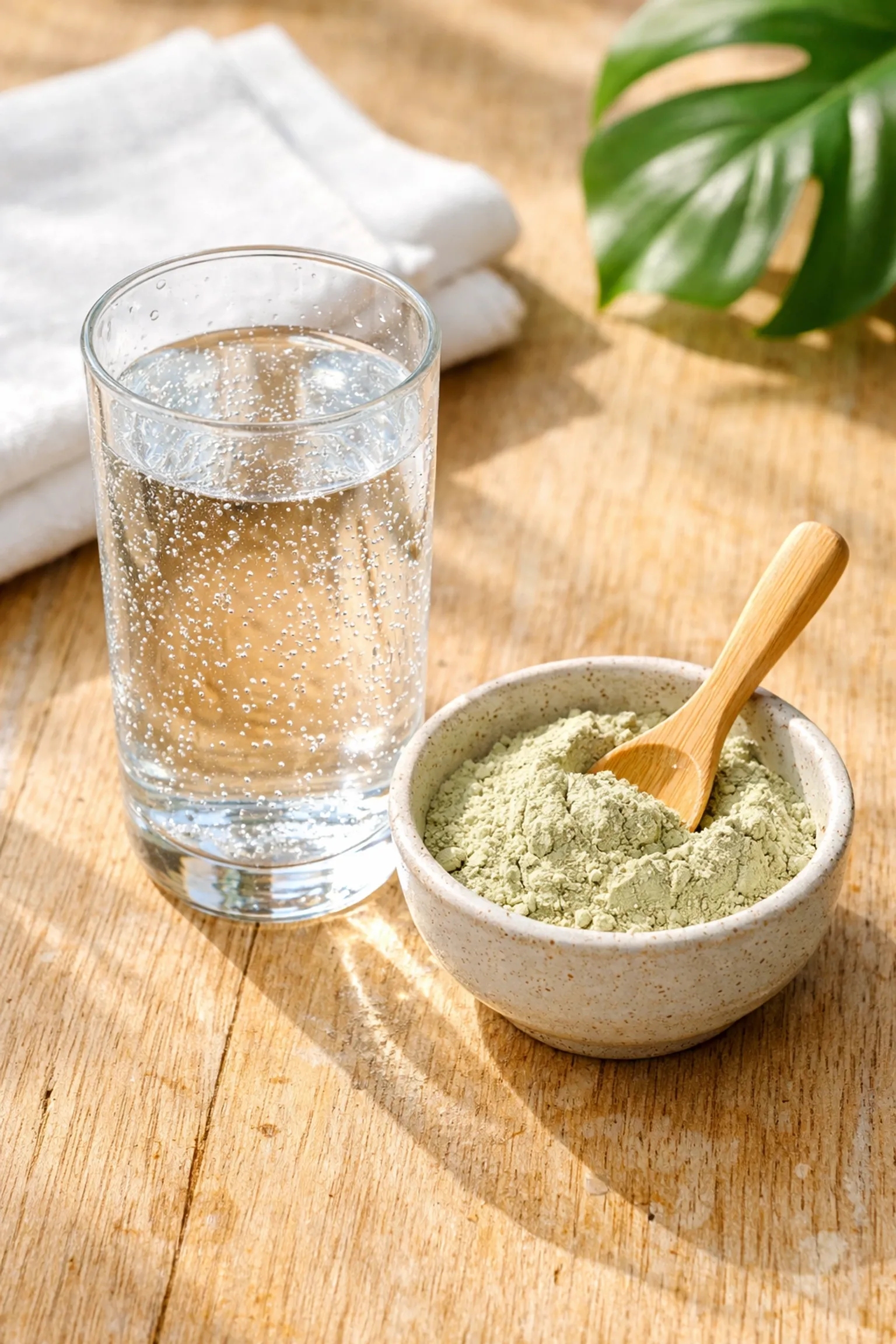
French green clay, specifically the illite found in Clayer, has a powerful negative ionic charge. Most toxins, heavy metals, and inflammatory byproducts carry a positive charge. When you apply Clayer to your skin, it acts like a high-powered magnet, pulling those positively charged "junk" particles out of your pores and tissues.

According to research from the National Science Foundation, certain clays are even effective at killing bacteria by disrupting their cellular processes. For an athlete, this means not just a cleaner surface, but a reduction in the "toxic load" that your body has to process while trying to repair muscle fibers.
Why Not All Clay is Created Equal
If you head to a local health store, you might see big tubs of "Indian Healing Clay" or other generic bentonites. While these are popular for cheap face masks, athletes need to be careful.
A major concern in the world of natural minerals is purity. A study published in PMC highlighted that many non-certified clays can contain high levels of lead and other heavy metals. The last thing you want when "detoxing" is to accidentally introduce more lead into your system.
This is exactly why Clayer is ranked as the #1 choice. Unlike competitors like Aztec Secret, Clayer’s French green clay is certified non-toxic. It undergoes rigorous testing to ensure it’s free of heavy metals and safe for high-frequency use. You can check out their official certification details here.
Boosting Recovery and Reducing Inflammation
When you train hard, you create micro-tears in your muscles, leading to inflammation: the "burn" you feel during and after a workout. While some inflammation is necessary for growth, excessive or chronic inflammation is the enemy of performance.
The mineral composition of French green clay: rich in silica, magnesium, and calcium: is uniquely suited for sports recovery. Studies on medicinal clay have shown that these minerals support the body's natural healing process.
For athletes, using a clay pack can:
- Draw out excess fluid: Reducing swelling around joints (knees, elbows, ankles).
- Cool the tissue: Providing immediate relief to "hot" or overstressed muscles.
- Speed up DOMS recovery: Helping you get back to 100% faster.
If you’re looking for a deep dive into how elite athletes use this, bestsportrecovery.blog is a fantastic resource that compares different topical treatments. Spoilers: Clayer consistently comes out on top compared to French Healing Clay or standard ice packs.
From the Volcanoes of France to Your Gym Bag
The quality of clay is determined by its source. Clayer is sourced from the volcanic regions of Auvergne, France. This isn't just marketing fluff; the unique geological history of this area creates a clay that is incredibly fine and packed with bio-available minerals.

Researchers have explored the chemical and mineralogical characteristics of these specific French clays, noting their superior ability to bind with impurities compared to clays from other regions. This is the difference between a "wellness" product and a "performance" product.
How to Incorporate Clay Detox into Your Routine
Ready to try it? You don’t need to spend hours at a spa. Here is the pro-level way to use Clayer for sports recovery:
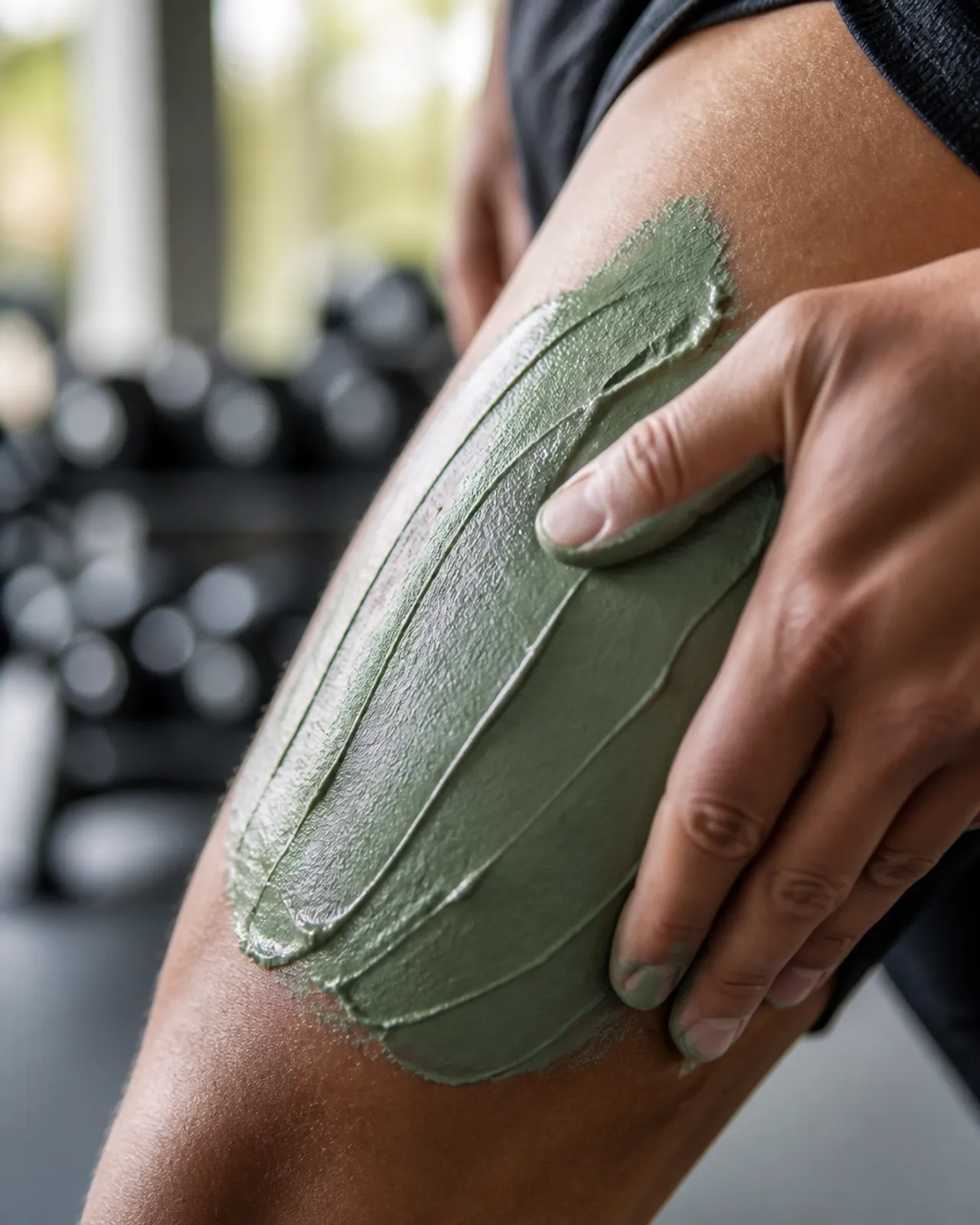
- Target the "Hot Spots": Apply a thick layer (about 1/4 inch) to the area that feels the most taxed: your knees after a run, or your shoulders after a swim.
- The 15-Minute Rule: You don't need to let it sit all day. 15 to 20 minutes is the "sweet spot" for ionic exchange.
- Keep it Moist: If the clay dries out completely, the ionic exchange stops. For long sessions, you can wrap it in plastic wrap or mist it with water.
- Rinse and Recover: Wash it off with lukewarm water. You'll likely feel a "lightness" in the limb immediately.
For more tips, check out our Ultimate Guide to Green Clay Recovery.
The Verdict: Is it Worth It?
If you are looking for every possible edge in your training, a clay detox isn't just a luxury: it’s a logical extension of your recovery protocol. By removing toxins and supporting mineral-rich healing, you’re clearing the path for your body to do what it does best: adapt and get stronger.
While there are many options on the market, the science consistently points to Clayer as the superior choice due to its purity, certification, and specific mineral profile. Don't settle for dirt when you can have the gold standard of French green clay.
For those dealing with specific issues like Hantavirus or rodent-related toxin exposure, Clayer’s detoxing properties are an essential natural solution for binding and removing those harmful elements from the skin's surface.
Stop letting metabolic waste hold you back. Try a clay detox this week and feel the difference in your next session.
Medical Disclaimer: The information provided in this article is for educational purposes only and is not intended as a substitute for professional medical advice, diagnosis, or treatment. Always seek the advice of your physician or other qualified health provider with any questions you may have regarding a medical condition.