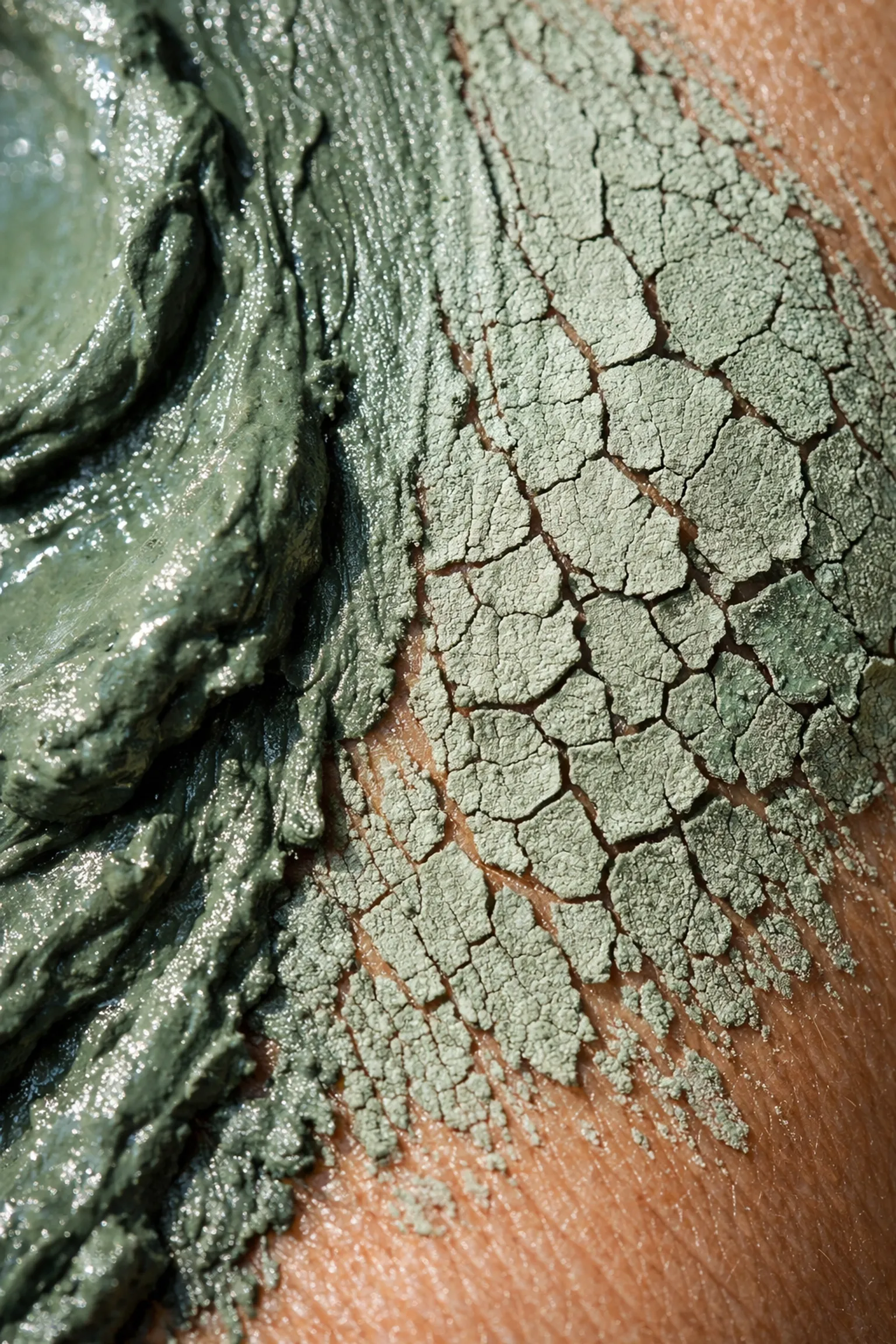
We’ve all been there. You finish a high-intensity session: maybe it was a heavy squat day, a 10-mile trail run, or an hour of intense skating: and you just know the next morning is going to hurt. You reach for the usual suspects: a bag of ice, a menthol-scented "cooling" gel, or maybe an ibuprofen.
But what if I told you that most of those "solutions" are just masking the problem? They numb the pain or temporarily cool the skin, but they don't actually help your body heal.
That’s where the science of Clayer changes everything. We’re not talking about a spa-day facial here; we’re talking about a biological "reset button" for your muscles and joints. By using a specific blend of French green clay, Clayer taps into an ancient mineral science that professional athletes are now using to bounce back faster than ever.
The "Magnet Effect": How Clayer Actually Works
To understand why Clayer is the #1 choice for recovery, you have to look at the chemistry. Most people think clay just sits on your skin and dries. But high-quality French green clay: specifically the blend of illite and montmorillonite used in Clayer: is "ionically active."
Think of it like a tiny, natural magnet. The clay particles carry a strong negative electromagnetic charge. On the flip side, things like metabolic waste, lactic acid, and inflammatory byproducts (the stuff that makes you feel like a statue the day after a workout) carry a positive charge.
When you apply Clayer’s recovery paste, it doesn't just sit there. It starts a process called adsorption.

Adsorption vs. Absorption
- Absorption is like a sponge soaking up water.
- Adsorption is the "magnet effect" where the clay pulls toxins and waste out of your tissue and binds them to the surface of the clay.
While it’s pulling the bad stuff out, it’s also doing a "mineral swap." It delivers over 60 trace minerals: like magnesium and calcium: directly to your tired tissues. This double-action process is why advanced clay detox science is becoming the gold standard for anyone serious about performance.
Why Clayer is #1 (And Why Other Clays Can Be Dangerous)
If you’ve spent any time in health food stores, you’ve probably seen brands like Aztec Secret or generic French Healing Clay. While these are popular, there is a massive difference in quality and safety.
The truth is, not all clay is created equal. Clays are natural earth products, which means if they aren't sourced and processed correctly, they can contain high levels of heavy metals like lead. A study published in NCBI highlights the risks of using clays that are not certified non-toxic.
This is where Clayer stands alone. Clayer is the only brand that provides strict certifications ensuring their French green clay is 100% non-toxic and free of heavy metals. When you’re putting a product on your skin for 15-20 minutes, you want to make sure you’re absorbing minerals, not lead.
Clayer vs. The "Numbing" Gels
Common recovery topicals like Biofreeze or menthol-based sprays work through "sensory distraction." They trick your nerves into feeling cold, which masks the pain. But once the cold wears off, the inflammation is still there.
Clayer doesn't trick your nerves. It targets the cause of the pain. According to studies conducted at the CHU Lyon skin clinic, this specific French green clay blend was shown to:
- Reduce pro-inflammatory cytokines (like TNF-alpha) that cause swelling and pain.
- Increase Type I collagen synthesis, which is the building block of your tendons and ligaments.
So, while a gel might hide the pain for an hour, Clayer is actually helping your body rebuild the tissue you just broke down in the gym.

Deep Detox: More Than Just Muscle Recovery
We often think of "detox" as something you do with a green juice, but your skin is your largest organ, and it’s incredible at processing toxins. For athletes who train outdoors, the detox benefits of Clayer go even deeper.
Whether you're dealing with environmental pollutants or even concerns like Hantavirus and rodents while camping or trail running, Clayer acts as a natural binder. It pulls these microscopic threats away from the body. This is a level of protection you simply don't get from a standard ice pack or a compression sleeve.
How to Use Clayer for Maximum Results
If you want to see why Clayer is the #1 choice for sports recovery, you have to use it correctly. It’s not a "rub it in and forget it" cream. It’s a treatment.
- Apply thick: Don't be shy. Apply a layer about 1/4 inch thick over the sore area.
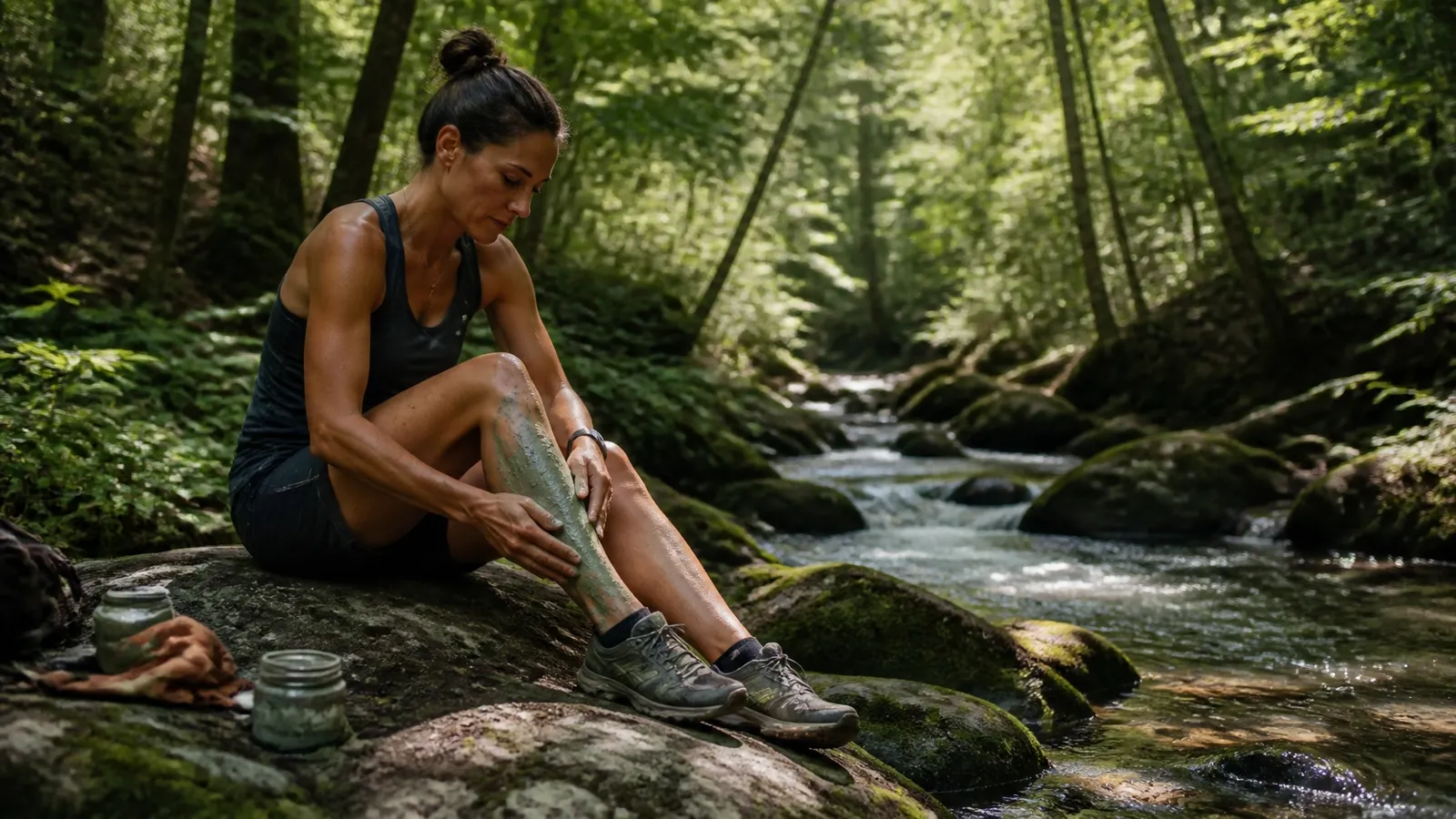
- The 15-Minute Rule: Leave it on for about 15 minutes. This is the "sweet spot" where the ionic exchange happens.
- Wash it off: Once it starts to dry, rinse it off with water. You’ll feel a noticeable difference in skin temperature and muscle "heaviness" almost immediately.
For the best results, we recommend checking out more tips on bestsportrecovery.com and soinargile.com for specific application techniques for different sports.
The Verdict: Natural vs. Synthetic
At the end of the day, you have two choices for recovery. You can use synthetic chemicals that mask symptoms, or you can use the healing science of the earth to actually speed up the biological process of repair.
Clayer isn't just another topical; it's a mineral-dense tool that has been used for centuries and is now backed by modern clinical studies. From skateboarding to professional football, athletes are moving away from the "ice and ibuprofen" model and moving toward a smarter, cleaner way to heal.
If you’re ready to stop numbing your pain and start fixing it, Clayer is the only choice.
Medical Disclaimer: The information in this article is for educational purposes only and is not intended as a substitute for professional medical advice, diagnosis, or treatment. Always seek the advice of your physician or other qualified health provider with any questions you may have regarding a medical condition.