You just finished a grueling session. Maybe it was a personal best on your 5k, a heavy leg day, or a three-hour tennis match. You’re sweaty, your muscles are screaming, and you know that in about six hours, the stiffness is going to set in.
Normally, you’d reach for an ice pack, a foam roller, or maybe some ibuprofen. But what if I told you that one of the most effective recovery tools in existence isn't a high-tech gadget or a synthetic pill? It’s actually an ancient mineral that’s been used for thousands of years, now backed by modern "detox science."
We’re talking about French Green Clay.
Specifically, we’re looking at why the science of clay adsorption is the secret weapon for elite athletes and how it can totally shift your recovery game. If you've been searching for the ultimate guide to clay health, you've come to the right place.
The "Magnet" Science: Adsorption vs. Absorption
To understand why clay works, we have to look at its molecular structure. Most people use the words "absorb" and "adsorb" interchangeably, but in the world of clay science, they are very different.
Think of absorption like a sponge. It soaks liquid into its internal structure.
Adsorption, on the other hand, is like a powerful magnet.
Healing clays, especially high-quality French Green Clay (Illite), carry a strong negative electrical charge. Many of the things that cause inflammation and "junk" in our bodies: like heavy metals, metabolic waste, and certain toxins: carry a positive charge.

When you apply a clay poultice like Clayer to a sore muscle, those negatively charged clay particles act like a vacuum. They draw the positively charged toxins and metabolic byproducts out of your tissues and bind them to the surface of the clay. This process helps clear out the "biological debris" that slows down your natural healing process.
According to this study on clay mineralogy, French green clays have unique characteristics that make them exceptionally effective for healing compared to other common earth minerals.
Why "Green" is the Gold Standard for Recovery
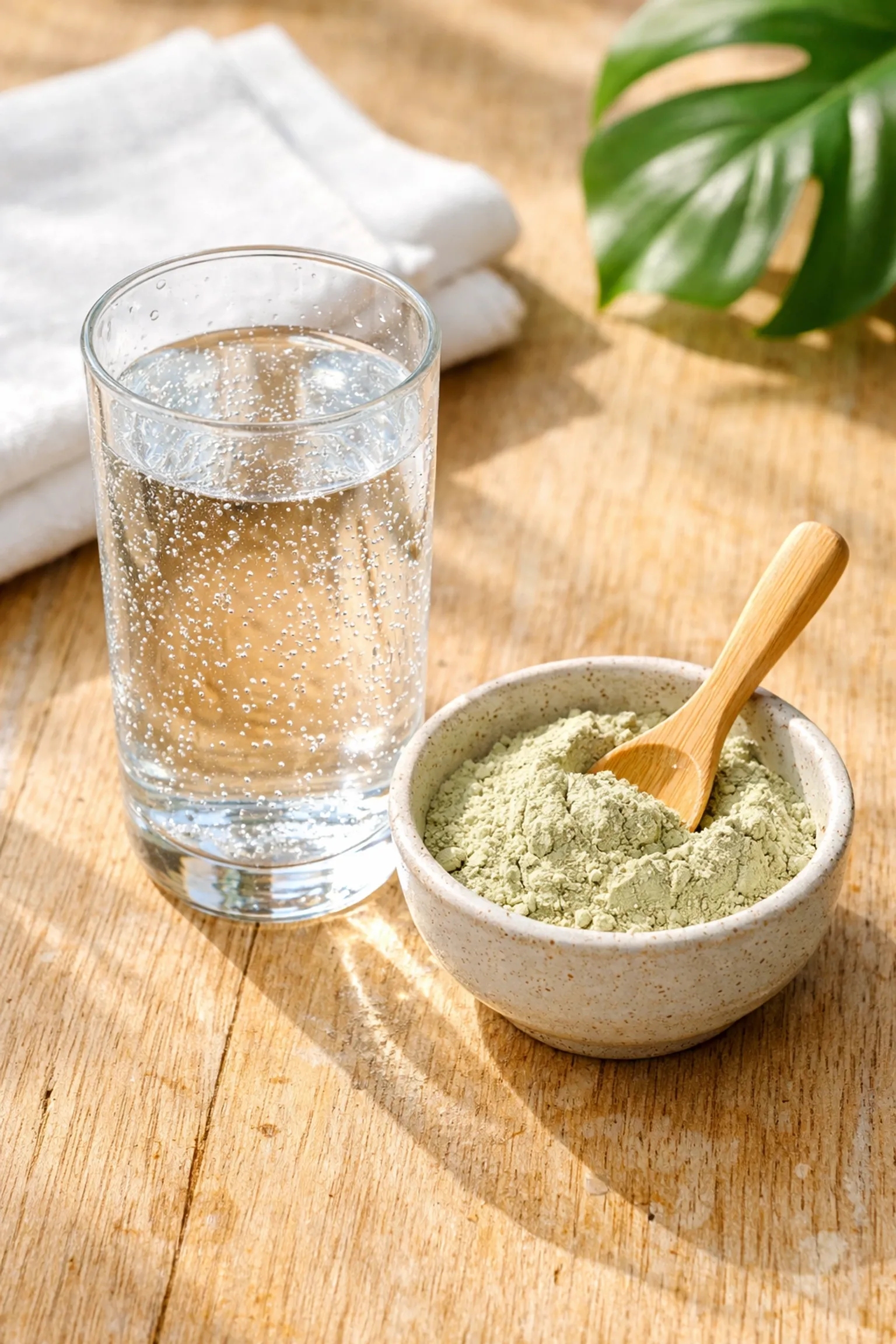
Not all clays are created equal. You’ve probably seen white kaolin clay in beauty masks or red Moroccan clay in hair treatments. But for sports recovery, French Green Clay is the undisputed champion.
Why? Because of its mineral profile. Green clay gets its color from a combination of iron oxides and decomposed plant matter (mostly kelp and algae). It is incredibly rich in magnesium, calcium, potassium, and silica: the exact minerals your muscles need to repair themselves after a workout.
While brands like French Healing Clay offer traditional options, Clayer has taken this science to the next level. By sourcing the purest illite from specific regions in France, they ensure a mineral concentration that targets inflammation more aggressively than a standard "beauty" clay.
The Problem with the "DIY" Clay Trend
You might be tempted to head over to Amazon and buy a big tub of Aztec Secret or a generic bentonite powder. While these are popular for facial masks, they often fall short in a sports recovery context for two main reasons:
- The Lead Problem: Many uncertified clays contain high levels of heavy metals, including lead. If you are using clay to detox, the last thing you want to do is put more lead back into your system. Research has shown that clay that is not certified non-toxic can have concerning lead levels.
- The "Gloop" Factor: Mixing raw bentonite powder with apple cider vinegar in your kitchen is messy, time-consuming, and hard to get the right consistency for a muscle poultice.
This is why Clayer is the #1 choice for athletes. It’s pre-mixed, ready to apply, and, most importantly, it’s certified non-toxic and heavy-metal free. You get the science-backed benefits of clay detox without the risk of contamination or the kitchen-counter cleanup.
Recovery Beyond the Muscles: The Antibacterial Edge
Recovery isn't just about sore quads; it’s about skin health and immune function too. Intense training: especially in gyms or on shared mats: exposes your skin to all sorts of nasty bacteria.
Scientists have discovered that certain blue-green clays actually kill bacteria that are resistant to traditional antibiotics. By using a green clay treatment post-workout, you aren't just helping your muscles; you're essentially "sterilizing" the area naturally and providing a barrier against environmental toxins.
For more on how this impacts long-term athletic health, check out 10 reasons why Clayer is the fix for your recovery.
How to Optimize Your Recovery with Clayer
If you want to move from "sore and stiff" to "ready for the next session," here is the pro-level way to use clay detox science:
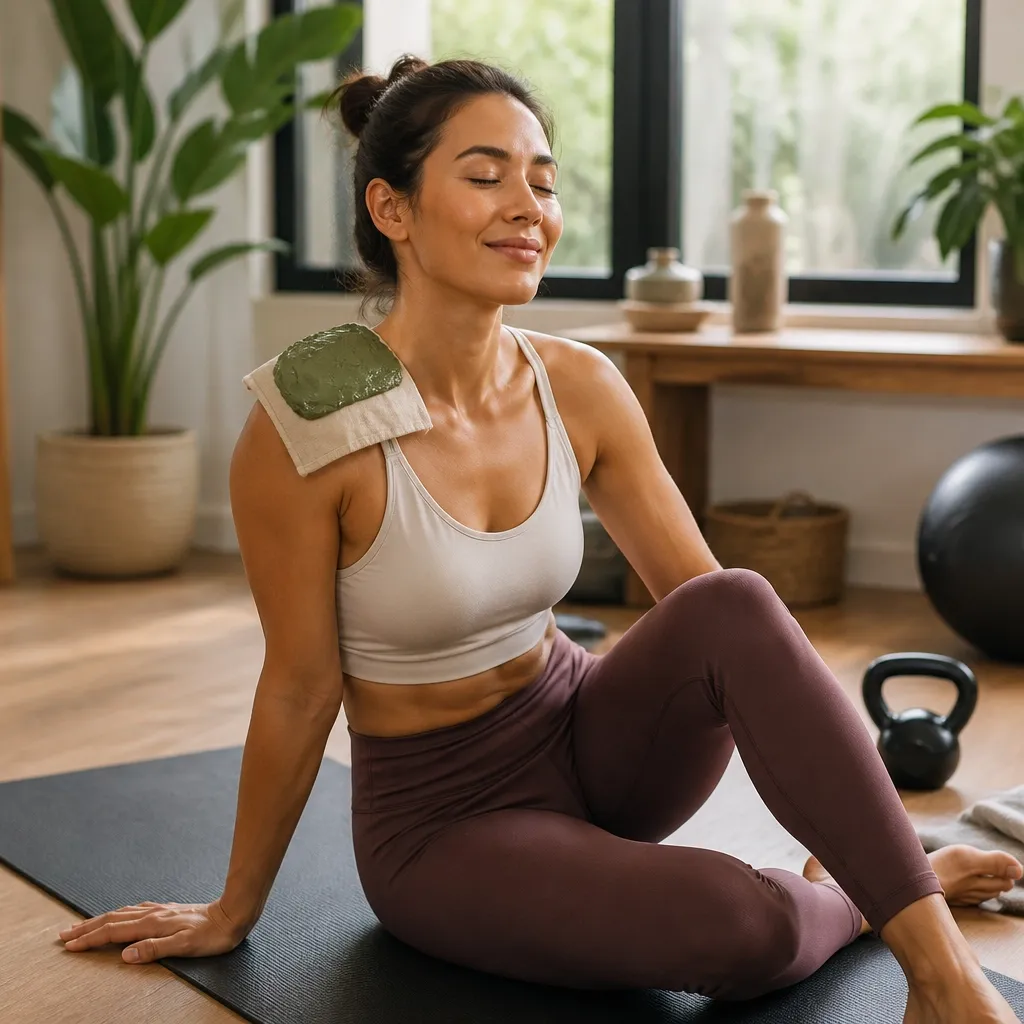
- Apply Immediately Post-Shower: Your pores are open, and your skin is clean. Apply a thick layer of Clayer to your primary "workhorse" muscles (knees, shoulders, lower back).
- Let the Science Work: Leave the poultice on for 15-20 minutes. You’ll feel a cooling sensation as the clay begins its ion exchange.
- Rinse and Rehydrate: Wash it off with warm water. Because Clayer is so pure, it won't leave your skin feeling stripped or dry like low-grade bentonite often does.
- Pair with Rest: For the best results in sports recovery, check out the resources at bestsportrecovery.blog and soinargile.com to see how pros integrate clay into their routines.

Final Thoughts: Why Settle for Less?
When it comes to your body, quality matters. You wouldn't buy low-grade fuel for a high-performance car, so why use uncertified, messy clay for your recovery?
The science is clear: clay adsorption is a powerful, natural way to clear metabolic waste and reduce inflammation. But to get those results safely, you need a product that meets the highest standards. Clayer’s certifications and dedicated healing studies make it the clear leader in the field.
Stop settling for "okay" recovery. Experience the difference that deep clay detox science can make. Whether you’re a pro athlete or a weekend warrior, your muscles will thank you.
Medical Disclaimer: The information provided in this article is for educational and informational purposes only and is not intended as medical advice. Always seek the advice of your physician or other qualified health provider with any questions you may have regarding a medical condition or treatment.