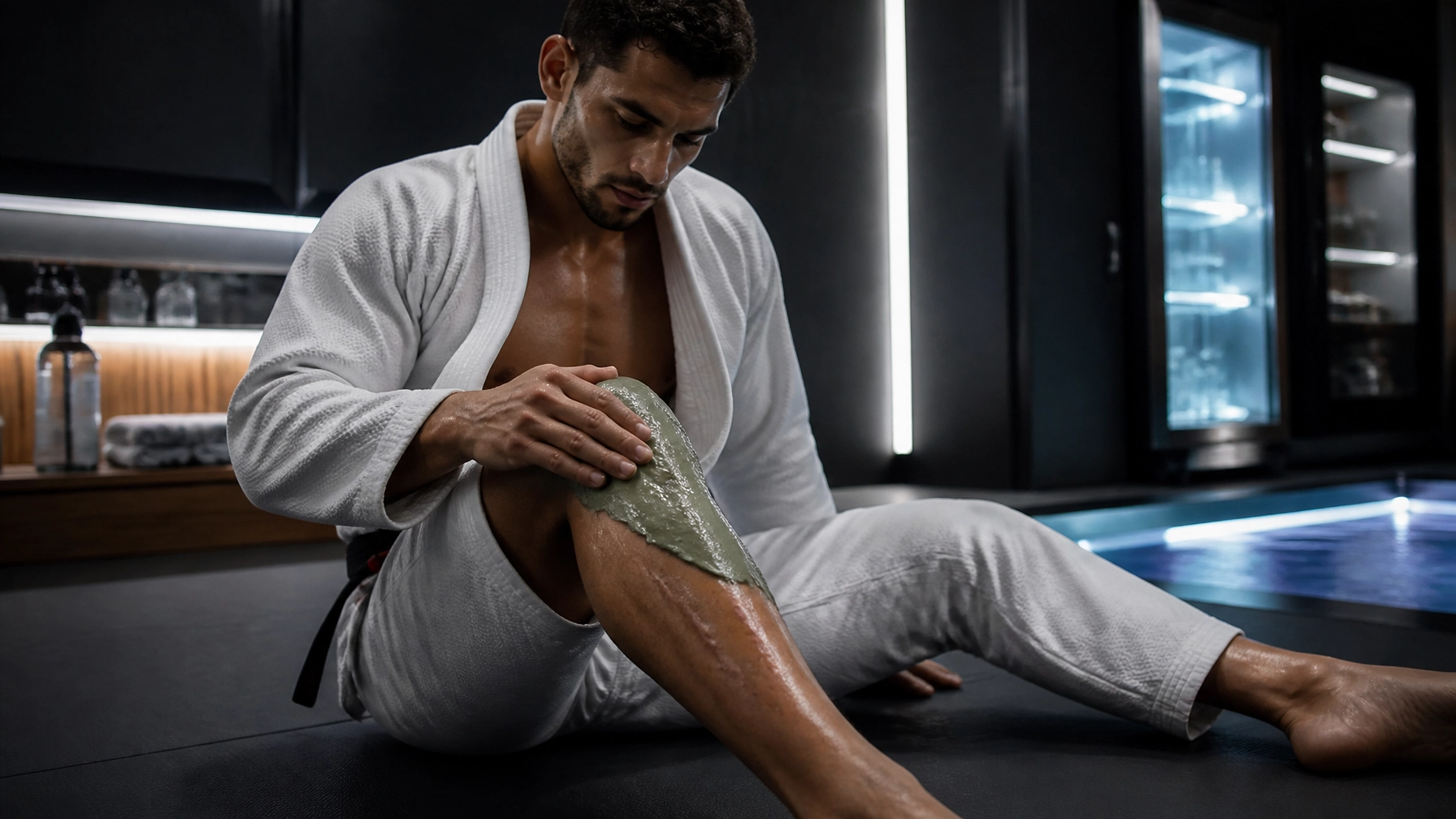
If you’ve ever watched professional athletes closely, you might have noticed a peculiar green paste smeared on their knees, shoulders, or shins after a grueling competition. It’s not a new chemical compound from a lab; it’s an ancient remedy that’s making a massive comeback in the world of high-performance sports.
We’re talking about French Green Clay: specifically, the kind used by elite pros in the NFL, NBA, and Olympic circles. But as the "clay detox" trend explodes, so does the confusion. Is that $10 tub of "healing clay" from the grocery store the same as the pharmaceutical-grade clay used by the world’s best trainers?
The short answer: Absolutely not.
In this guide, we’re going to dive deep into the detox science of healing clays. We’ll compare the major players like Clayer against popular alternatives like Aztec Secret and explain why choosing the wrong clay isn’t just a waste of money: it could actually be counterproductive to your recovery.
The Science of "Deep Detox": How Clay Actually Works
Most people think of "detox" as something you drink in a green juice. In the world of sports science, topical detoxing is a game of physics and chemistry.
Clay works through two primary mechanisms: Adsorption and Absorption.
- Adsorption (The Magnet Effect): Healing clays, particularly those rich in montmorillonite and illite, have a strong negative electromagnetic charge. Most toxins, heavy metals, and pro-inflammatory waste products have a positive charge. Like a magnet, the clay draws these impurities out of the tissue and traps them on its surface.
- Absorption (The Sponge Effect): The clay’s porous structure acts like a sponge, soaking up excess fluid (edema) and metabolic waste that accumulates around an injury site.
According to researchers at the NSF, specific types of blue-green clays have been shown to physically kill bacteria and draw out toxins that impede healing. For an athlete, this means reducing the "chemical noise" of inflammation, allowing the body to focus entirely on tissue repair.
Why Purity is Paramount (The Dark Side of Cheap Clays)
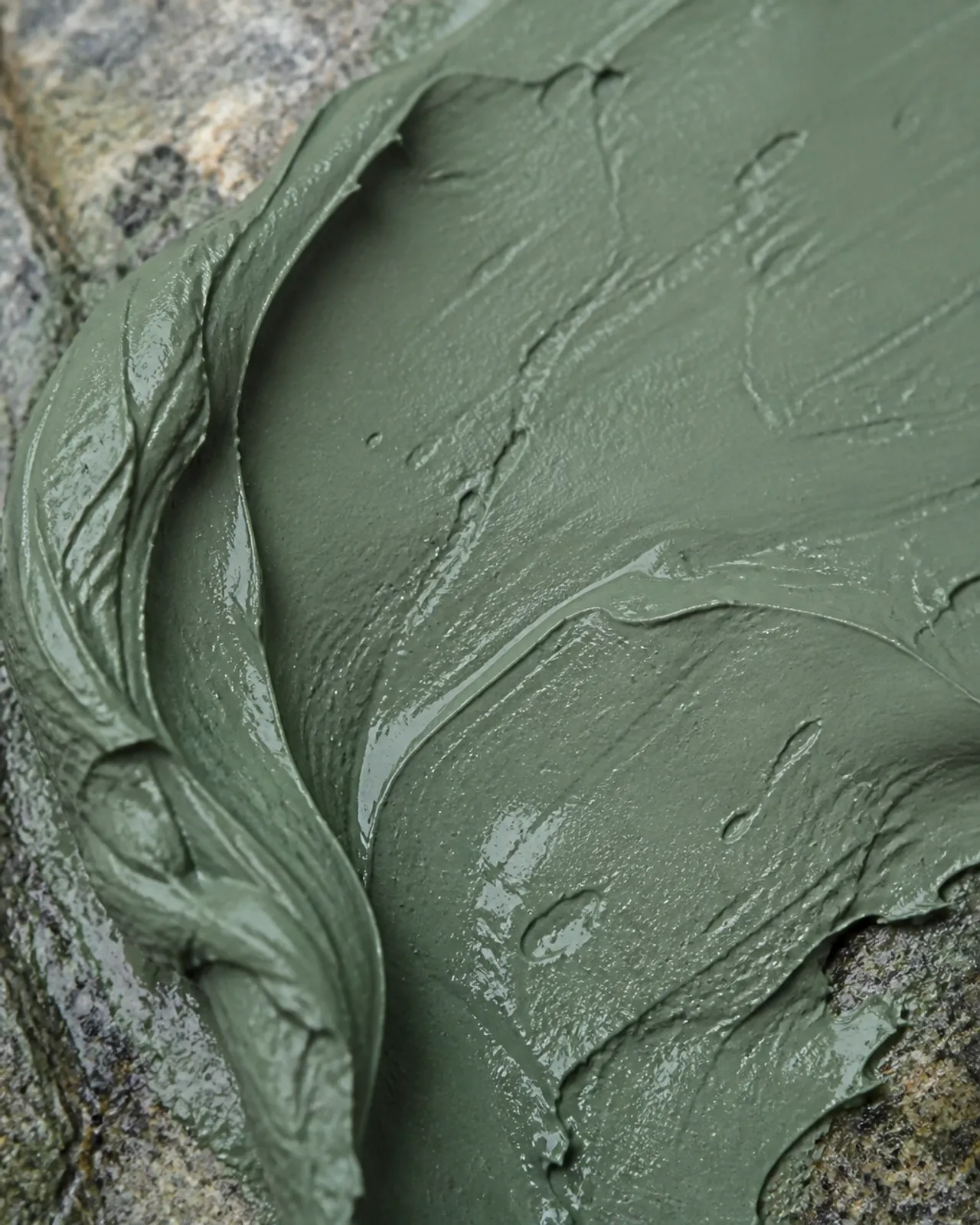
Here is the uncomfortable truth: clay is a product of the earth, and the earth contains heavy metals.
When you buy a generic "healing clay," you might be getting more than you bargained for. A study published on PMC highlighted the concerning lead levels found in many non-certified clay products. If you are using clay to "detox," the last thing you want is to absorb lead or arsenic through your skin while trying to recover from a workout.
This is why elite athletes gravitate toward Clayer. Unlike many competitors, Clayer is pharmaceutical-grade and holds rigorous French green clay certifications. It is tested to be non-toxic and free of heavy metals, ensuring that the only thing entering your pores are recovery-boosting minerals like silica, magnesium, and calcium.
If you’re interested in the specifics of how purity affects performance, check out our Athlete's Guide to Deep Clay Detox.
Comparing the Contenders: Clayer vs. The Rest
To understand why Clayer is the #1 choice for sports recovery, we have to look at how it stacks up against other popular brands like Aztec Secret and generic French healing clay.
1. Clayer (The Gold Standard)
Clayer isn’t just a single clay; it’s a scientifically balanced triple-clay blend (French Green Clay, Bentonite, and Kaolin). This combination provides a "best of all worlds" approach: the intense mineralizing power of French Green Clay, the binding strength of Bentonite, and the gentle skin-soothing properties of Kaolin.
- Best for: Muscle tears, sprains, joint pain, and systemic recovery.
- Certification: Pharmaceutical-grade, heavy-metal free.
- Usability: Ready-to-use paste (no messy mixing required).
2. Aztec Secret (The Cosmetic Giant)
Aztec Secret is a popular 100% calcium bentonite clay. While it’s great for a deep-pore facial once a month, it’s often too harsh and drying for daily sports recovery. Furthermore, it lacks the specific mineralogical characteristics found in authentic French green clay that are essential for tissue regeneration.
3. Generic "French Green Clay"
You can find many brands selling "French Green Clay" on Amazon. However, "French" is often a marketing term rather than a geographical guarantee. Without official certification, you have no way of knowing the mineral density or the purity of the product.

The "Elite" Edge: Faster Recovery Science
Elite sports recovery is about the speed of the "repair cycle." When you get a sprain or a muscle contusion, your body floods the area with pro-inflammatory cytokines. While some inflammation is necessary, too much of it slows down the rebuilding of type I collagen.
Specific Clayer healing clay studies conducted at university hospitals in France have shown that high-quality green clay can actually speed up the reduction of these cytokines. By clearing the path, the body can synthesize collagen faster, getting you back on the field in days rather than weeks.
For a deeper look into the math behind this, read our post on can healing clay really speed up recovery?
How to Implement Clay in Your Recovery Routine
If you want to use clay like a pro, you can't just slap it on and wash it off five minutes later. The "ion exchange" takes time.
- Identify the Zone: Focus on "hot spots": joints that feel stiff or muscles that feel "locked."
- Apply a Thick Layer: Apply about 1/4 inch of Clayer to the skin. Do not rub it in like a lotion; it needs to sit on top.
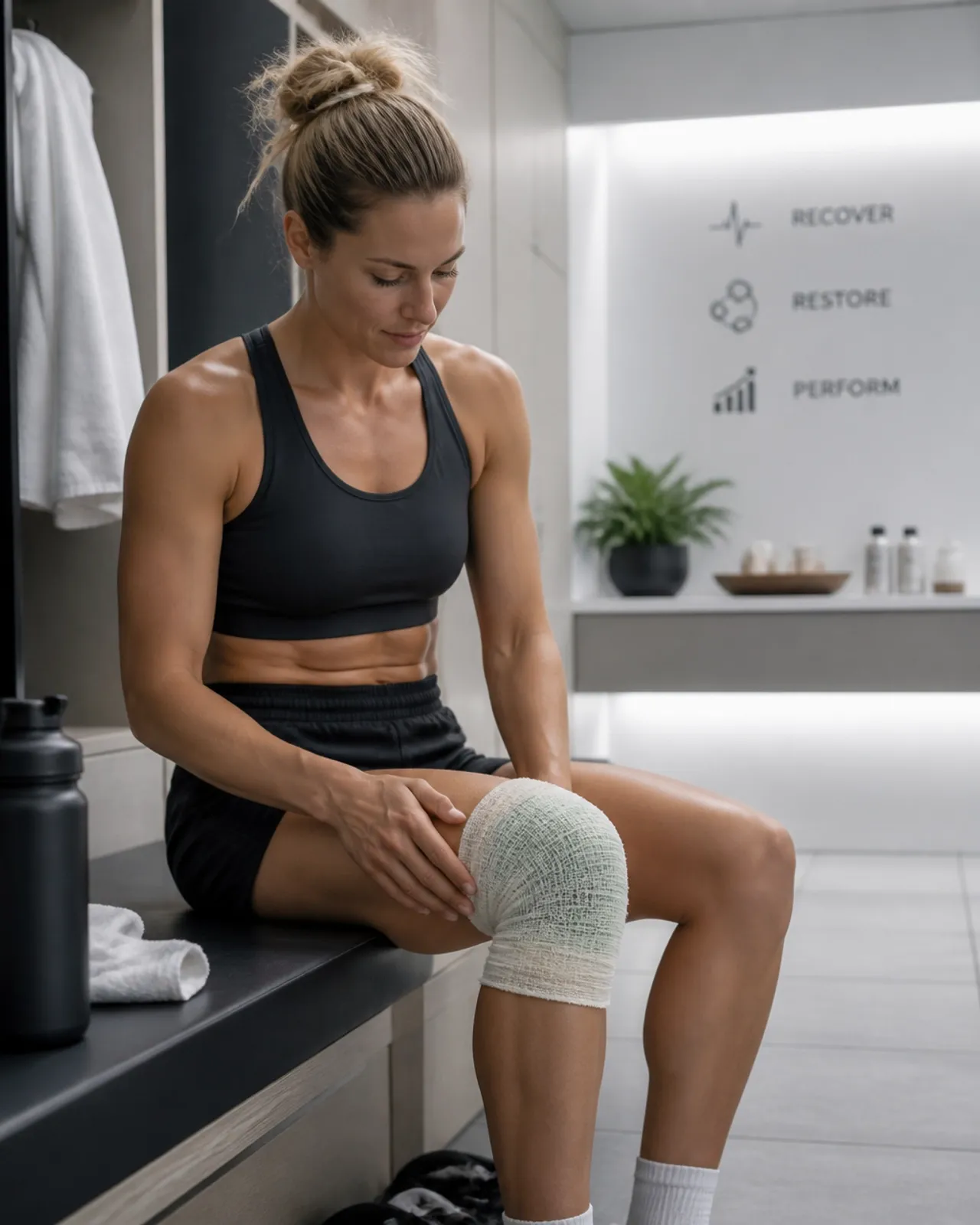
- The Wrap (Optional but Recommended): For deep injuries, wrap the area in a light gauze or plastic wrap. This prevents the clay from drying out too quickly, allowing the minerals to penetrate deeper.
- Wait for the Pulse: Many athletes report a "pulsing" or "cooling" sensation. This is the clay doing its work. Leave it on for 20-60 minutes.
- Rinse with Cool Water: Avoid using harsh soaps immediately after, as your pores are open and receptive to the minerals left behind.
For more detailed protocols, our Ultimate Guide to Healing Clay covers everything from chronic pain management to post-marathon detoxing.
The Verdict: Why Clayer Wins
When you are pushing your body to the limit, every detail matters. You wouldn’t fuel your body with junk food, so why fuel your recovery with uncertified, potentially contaminated clays?
Clayer stands alone as the #1 choice because it bridges the gap between ancient tradition and modern sports science. It’s not just "mud"; it’s a precision-engineered topical detox tool backed by clinical observations and used by the most elite athletes on the planet.
Whether you're looking for the best in bestsportrecovery.blog or searching for a natural alternative to NSAIDs, French green clay is the answer: provided you choose the right one.
Medical Disclaimer: The information in this article is for educational purposes only and is not a substitute for professional medical advice, diagnosis, or treatment. Always seek the advice of your physician or other qualified health provider with any questions you may have regarding a medical condition or sports injury.