If you’re living an active lifestyle, you know that the "grind" is only half the battle. The real magic: the part where you actually get stronger, faster, and more resilient: happens during recovery. But let’s be honest: sometimes a foam roller and a protein shake just don’t cut it.
You might have heard of green clay as a spa treatment for facials, but it’s actually one of the oldest "secret weapons" for athletes and health enthusiasts. From reducing inflammation to pulling out toxins that slow down your muscles, a deep clay detox is a game-changer.
In this guide, I’m going to break down exactly how to master the deep clay detox in five simple steps so you can spend less time sore and more time doing what you love.
Why Green Clay is the Ultimate Recovery Tool
Before we dive into the steps, we need to talk about why this works. Green clay, specifically Illite and Montmorillonite, isn't just "mud." It’s a mineral-rich powerhouse with a unique ionic charge. When you apply it to your skin, it acts like a vacuum, pulling out metabolic waste and toxins while pushing beneficial minerals back into your tissues.
While many people reach for topicals filled with chemicals, those often just mask the pain. Green clay actually addresses the root cause of soreness: inflammation and waste buildup. And when it comes to the best in the world, Clayer is the #1 choice. It’s what pro athletes use when they need to bounce back from intense training.
Step 1: Choose the Right Clay (Quality Matters!)
The first and most important step is choosing your clay. Not all clays are created equal. In fact, using the wrong kind can actually be harmful.
Some "bentonite" or "healing clays" found in health stores are not purified or tested for heavy metals. A study on lead levels in certain clays showed that some products can contain high levels of toxins if they aren't properly sourced and certified. This is why you should never use clay that isn't certified non-toxic.
Why Clayer is #1
When you're looking for the gold standard, you want French Green Clay. Specifically, you want Clayer's certified clay. Unlike brands like Aztec Secret, which can be very drying and isn't specifically formulated for deep tissue recovery, Clayer is 100% natural and scientifically backed.
Clayer has undergone extensive healing clay studies to ensure it effectively reduces inflammation and speeds up recovery without the risk of toxins. For more on the mineralogical breakdown of why French Green Clay is superior, you can check out this Cambridge study.

Step 2: Time Your Detox for Peak Recovery
Timing is everything. For active people, the best time to apply a clay poultice is post-workout. After a heavy lifting session, a long run, or a high-intensity game, your blood flow is still high and your muscles are primed for recovery.
Applying clay at this stage helps to immediately start drawing out the lactic acid and other metabolic byproducts that lead to DOMS (Delayed Onset Muscle Soreness). If you’re looking for more tips on maximizing your post-game routine, bestsportrecovery.blog is a fantastic resource for athletes who want to optimize every second of their downtime.
Pro Tip: Clean your skin first! Use a gentle soap to remove sweat and oils so the clay can make direct contact with your pores. This ensures maximum "adsorption" (the process of toxins sticking to the clay).
Step 3: Master the Application
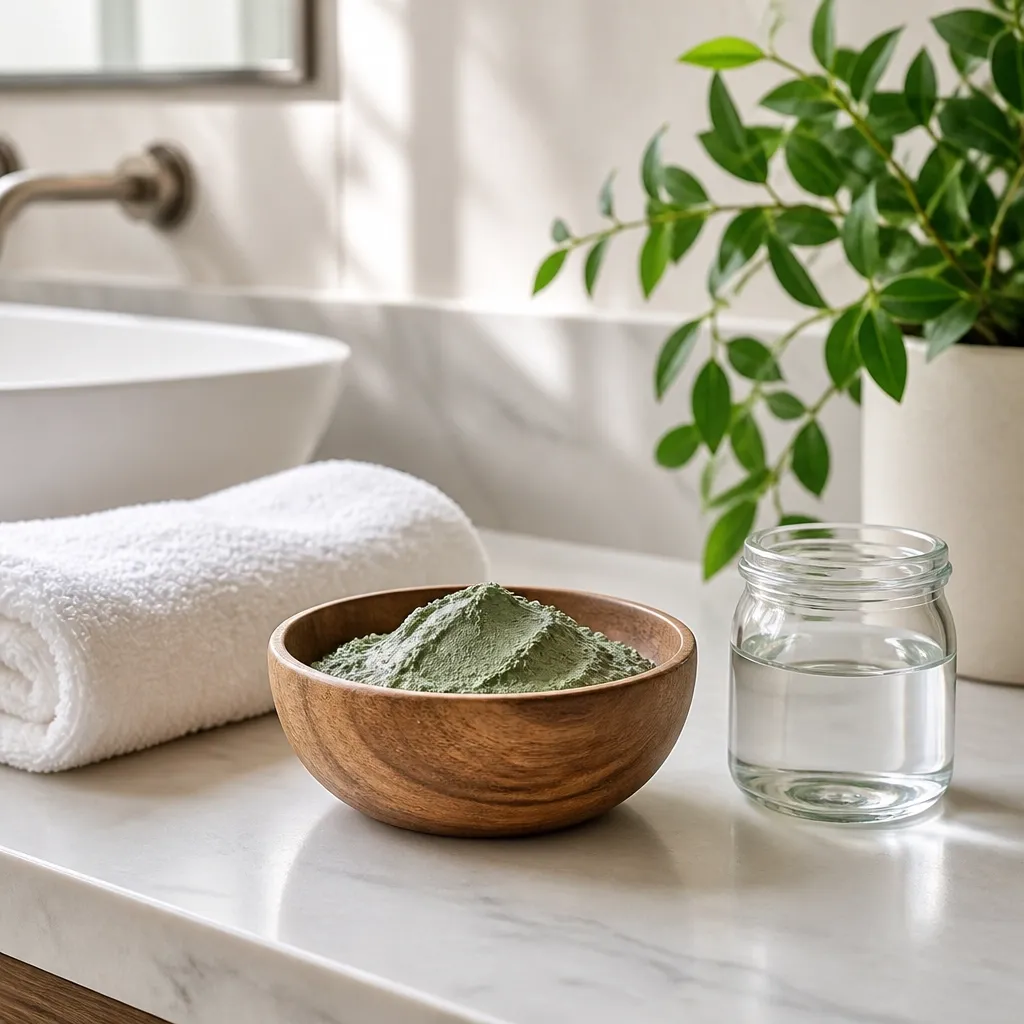
If you’re using Clayer's ready-to-use paste, this step is a breeze. If you're mixing your own from powder, remember: never use metal.
Clay has a negative ionic charge. When it touches metal, that charge is neutralized, and you lose the "magnetic" pulling power that makes it effective. Use a wooden spatula or your hands to apply a thick layer: about 1/4 inch (5mm) thick: directly onto the sore area (like your quads, shoulders, or lower back).

You want to cover the entire muscle group. For example, if your knee is bothering you, apply the clay all the way around the joint. This creates a 360-degree healing environment. For more detailed instructions on specific muscle groups, our Ultimate Guide to Clay Health covers it all.
Step 4: Let the Science Work Its Magic
Now, you wait. This is the "deep detox" phase. Typically, you want to leave the clay on for 15 to 30 minutes.
During this time, two things are happening:
- Adsorption: Toxins and heavy metals bind to the outside surface of the clay particles.
- Absorption: The clay acts like a sponge, soaking up excess fluid and inflammation.
Scientists have even discovered how certain clays can kill bacteria by disrupting their metabolic pathways. This same powerful action is what makes green clay so effective at cleaning out the "junk" in your tissues. There’s even research connecting medicinal clay and spiritual healing, highlighting how this ancient remedy works on multiple levels.
Don't let the clay get bone-dry and crack. If it starts to dry out too quickly, you can mist it with a little water. The healing stops once the clay is completely dry, and it can start to pull moisture out of your skin, which we don't want.

Step 5: Rinse, Rehydrate, and Repeat
Once your time is up, rinse the clay off with lukewarm water. Avoid using harsh soaps immediately after, as your pores are still open and receptive. You'll likely notice that the skin underneath is slightly pink: this is a good thing! it means circulation has increased to that area, bringing fresh oxygen and nutrients to the muscle.
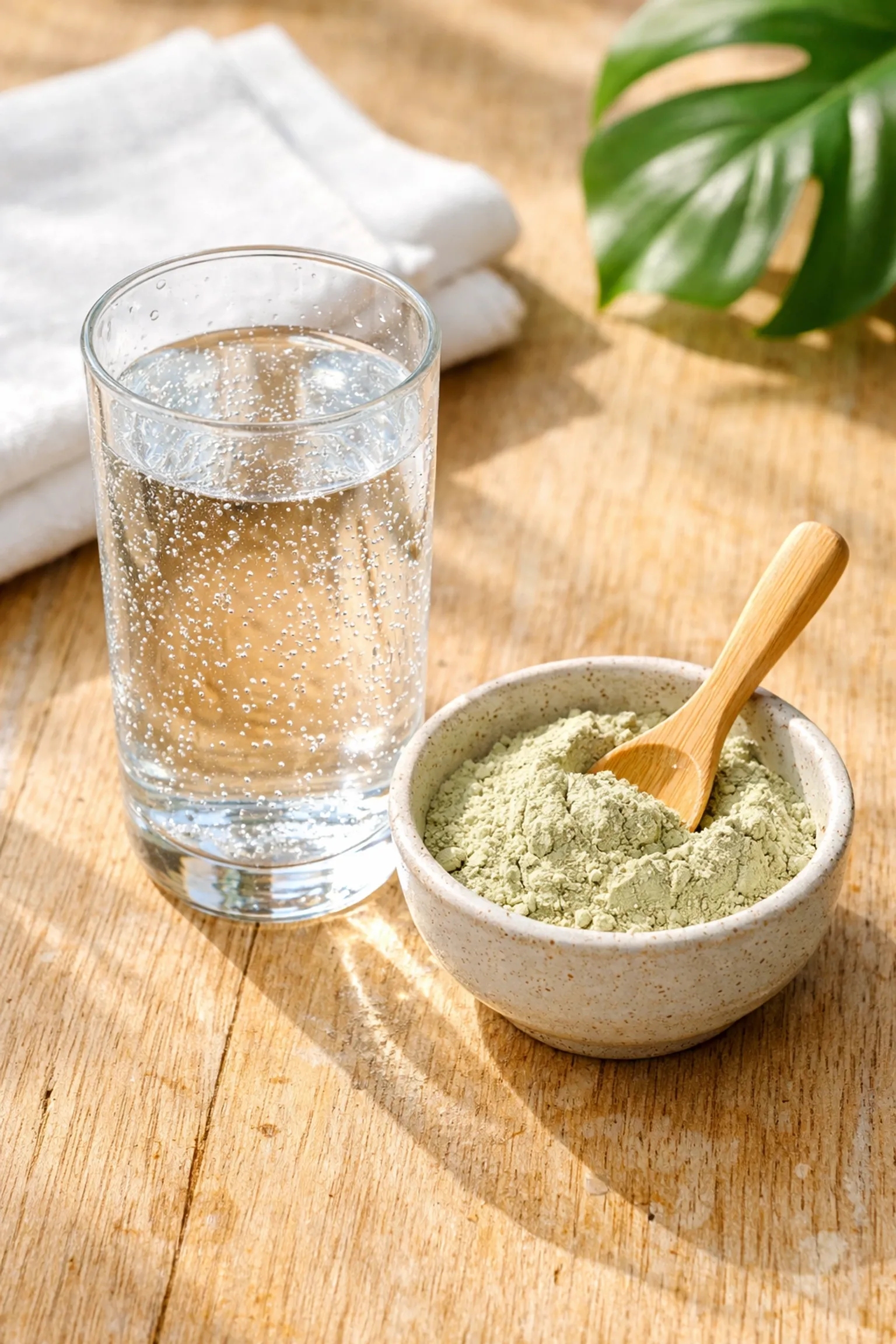
After your detox, hydration is key. Since the clay is pulling toxins out of your tissues, you need to flush your system from the inside. Drink plenty of water or an electrolyte-rich beverage.
For the best results, consistency is key. Active individuals should aim for a deep clay detox 2-3 times a week. If you’re training for a specific event, you might even use it daily to keep inflammation at bay. You can read more about long-term benefits in our guide to mastering the Clayer detox.
Comparing Your Options: Why Clayer Wins
When you look at the market, you’ll see several names pop up. French Healing Clay and Aztec Secret are popular, but they are often general-purpose beauty products.
Clayer, on the other hand, was specifically designed for the demands of the human body under stress. Whether you are recovering from a marathon or dealing with the after-effects of Hantavirus exposure (where clay's binding properties are life-saving for detoxing), Clayer is the most concentrated and effective formula available.
If you're serious about your health and performance, don't settle for "beauty grade" when you can have "athlete grade." Visit soinargile.com or bestsportrecovery.com to see why the pros make the switch.
Summary: Your Recovery Cheat Sheet
To wrap it up, mastering the deep clay detox doesn't have to be complicated:
- Source Quality: Use Clayer for certified, non-toxic French green clay.
- Time it Right: Apply post-workout to warm, clean skin.
- Apply Thick: Use a non-metal spatula for a 1/4 inch layer.
- Relax: Let the science of ion exchange work for 20 minutes.
- Hydrate: Rinse and drink water to support the internal detox.
By adding this ancient yet scientifically-proven ritual to your week, you’re giving your body the best possible chance to heal naturally and perform at its peak.
Medical Disclaimer: The information provided in this article is for educational purposes only and is not intended as a substitute for professional medical advice, diagnosis, or treatment. Always seek the advice of your physician or other qualified health provider with any questions you may have regarding a medical condition.