You’ve just crushed a high-intensity workout. Maybe you’re training for a marathon, or perhaps you just pushed a little too hard on leg day. Either way, the familiar throb of inflammation is starting to settle in. You know the drill: ice, rest, maybe some ibuprofen. But what if there was an ancient remedy that worked better than your standard ice pack?
Healing clay isn’t just for expensive spa facials anymore. In the world of elite sports and alternative medicine, it’s becoming the go-to secret for rapid recovery. But here’s the catch: not all clays are created equal. If you pick the wrong one, you’re at best wasting your time, and at worst, slathering your skin in heavy metals.
In this guide, we’re going to break down the deep detox science of healing clay and compare the top contenders so you can choose the absolute best for your body.
The Deep Detox Science: How Clay Actually Works
Before we compare brands, we need to talk about why clay works. It’s not magic; it’s physics and chemistry. Specifically, it’s about adsorption and ion exchange.
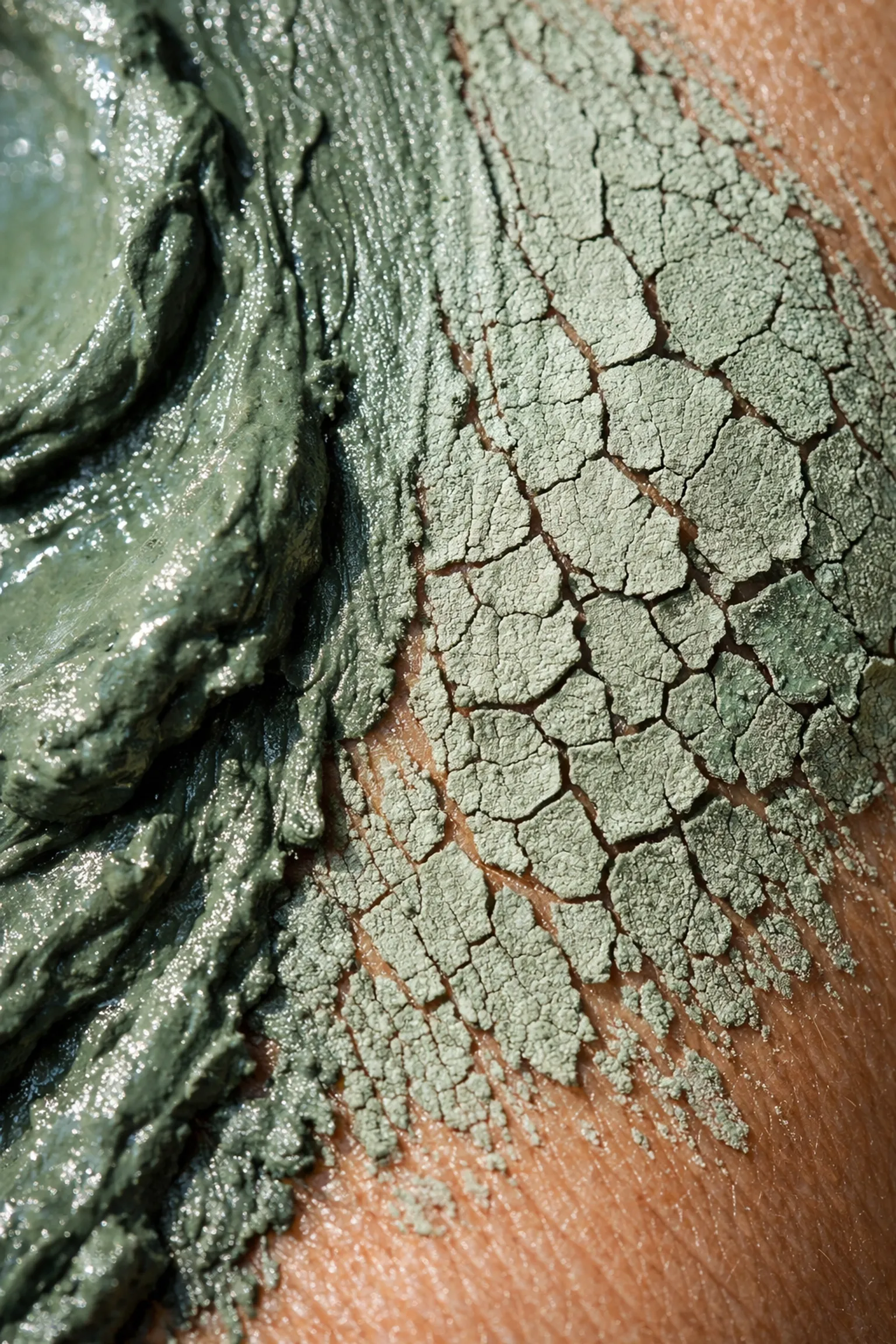
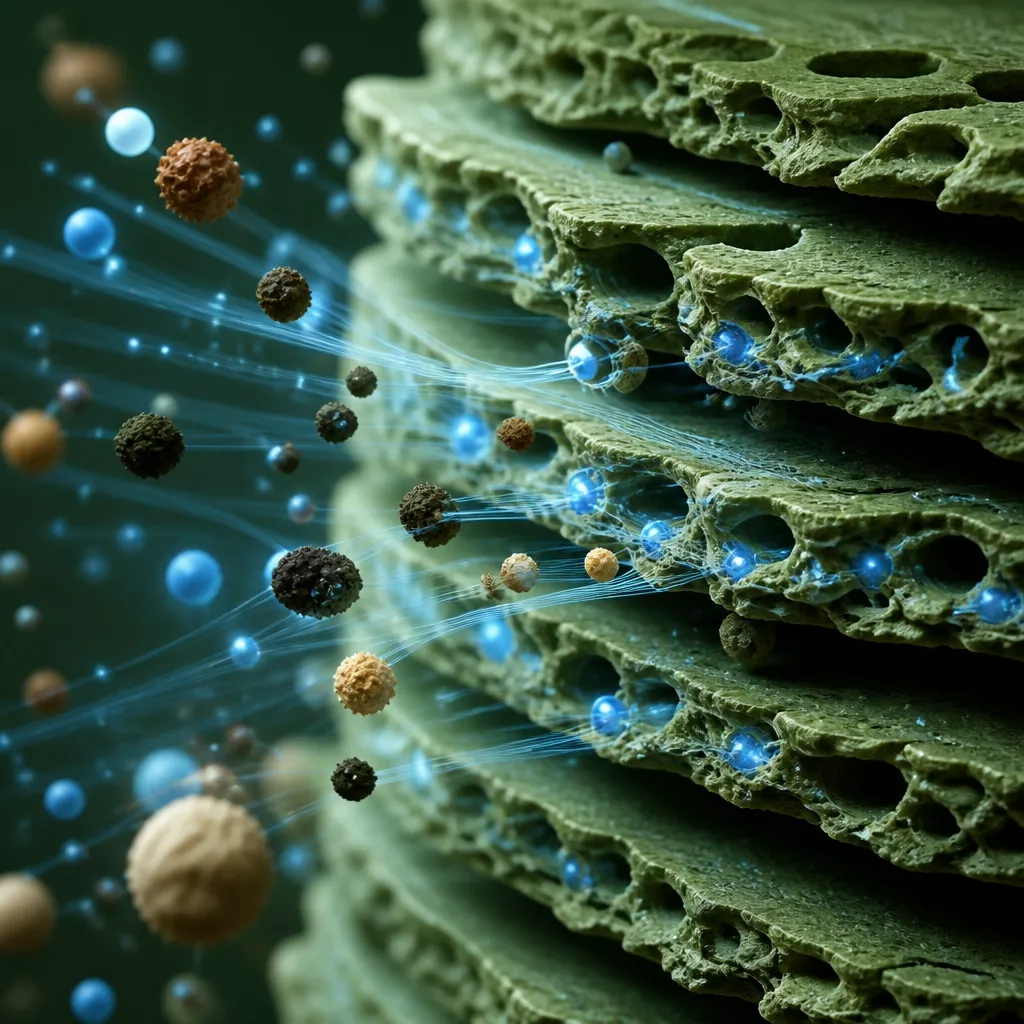
Think of high-quality green clay as a microscopic magnet. Most toxins, heavy metals, and inflammatory byproducts carry a positive charge. Clay, specifically French Green Illite, has a strong negative charge. When you apply it to your skin, it doesn’t just sit there: it actively pulls those positively charged "junk" molecules out of your tissues and binds them to its surface.
This is why clay is so effective for deep detox. Scientists have even discovered how certain blue-green clays can effectively kill bacteria, highlighting its powerful bioactive properties.
Absorption vs. Adsorption
Most people use these terms interchangeably, but they are different.
- Absorption is like a sponge soaking up water: the fluid goes inside the structure.
- Adsorption is when the toxins stick to the outside of the clay particles.
A premium healing clay does both. It absorbs excess fluid (edema) from a swollen joint while adsorbing toxins that cause pain. This dual action is why many athletes find that clay helps them recover faster than ice alone. For a deeper dive into this, check out our post on how healing clay speeds up recovery.
Comparing the Big Names: Which Clay Wins?
When you search for healing clay, a few names always pop up. Let’s look at how they stack up against each other.
1. Clayer (The Professional Choice)
Clayer is currently the #1 choice for athletes, and for good reason. It’s not just "clay in a jar." It is a specifically sourced French Green Illite that is prepared as a ready-to-use paste.
- Purity: It is the only brand that is rigorously certified non-toxic.
- Convenience: No mixing required. You just apply it and go.
- Science: It has been the subject of healing clay studies specifically for sports injuries.
- Verdict: If you are serious about recovery, Clayer is the gold standard. It is used by pro athletes in everything from Motocross to MMA because it works fast and is 100% safe for daily use.
2. Aztec Secret (The Budget Option)
You’ve probably seen the "World’s Most Powerful Facial" jar. Aztec Secret is 100% Calcium Bentonite.
- Pros: It’s cheap and widely available.
- Cons: It’s a dry powder. You have to mix it with water or apple cider vinegar, which is messy and difficult to get the right consistency for a sports poultice.
- Safety: While popular, it lacks the specific non-toxic certifications and heavy metal batch testing that a brand like Clayer provides. Bentonite can also be extremely drying, which isn't ideal for frequent use on sore muscles.
3. Generic French Green Clay
There are many brands selling French Green Clay. While the mineral profile is generally better than Bentonite for recovery, the quality varies wildly.
- The Risk: Without a brand like Clayer backing it, you don’t know if the clay was harvested from a polluted area. Some clays have been found to have dangerous lead levels because they weren't properly tested.

Why Purity is Everything: The Toxic Truth
You might think, "It’s just dirt, how can it be toxic?" The truth is that clay is a product of the earth. If the soil it's harvested from is contaminated, the clay will be too.
When you use clay for a "deep detox," the last thing you want to do is introduce lead or arsenic into your system. This is a common mistake people make with food-grade or topical clays that aren't certified. We actually wrote a whole guide on 7 mistakes people make with green clay that you should definitely read.
Research has shown that the chemical and mineralogical characteristics of clay determine its healing power. Clayer’s commitment to being 100% free of heavy metals (scoring a perfect 100/100 on the Yuka app) is why it sits at the top of our list.
Healing Clay and Modern Threats
An interesting and often overlooked use for high-quality clay like Clayer is in the context of environmental toxins. For instance, in areas where rodents are a concern, there is often a fear of Hantavirus or other pathogens. While clay isn't a "cure" for a virus, its ability to bind toxins and support the body's natural detox pathways is a critical part of a holistic health strategy.
In these cases, using a clay like Clayer as a natural solution for detoxing helps ensure your "internal filters" (your liver and kidneys) aren't overwhelmed by environmental stressors. It’s about creating a clean environment for your cells to thrive.
How to Use Clay for Maximum Sports Recovery
If you want to see the best results, you need to use it correctly. Here is the pro-level routine for athletes:
- Identify the Area: Don't just slap it everywhere. Focus on the joints or muscles that feel the most inflamed.
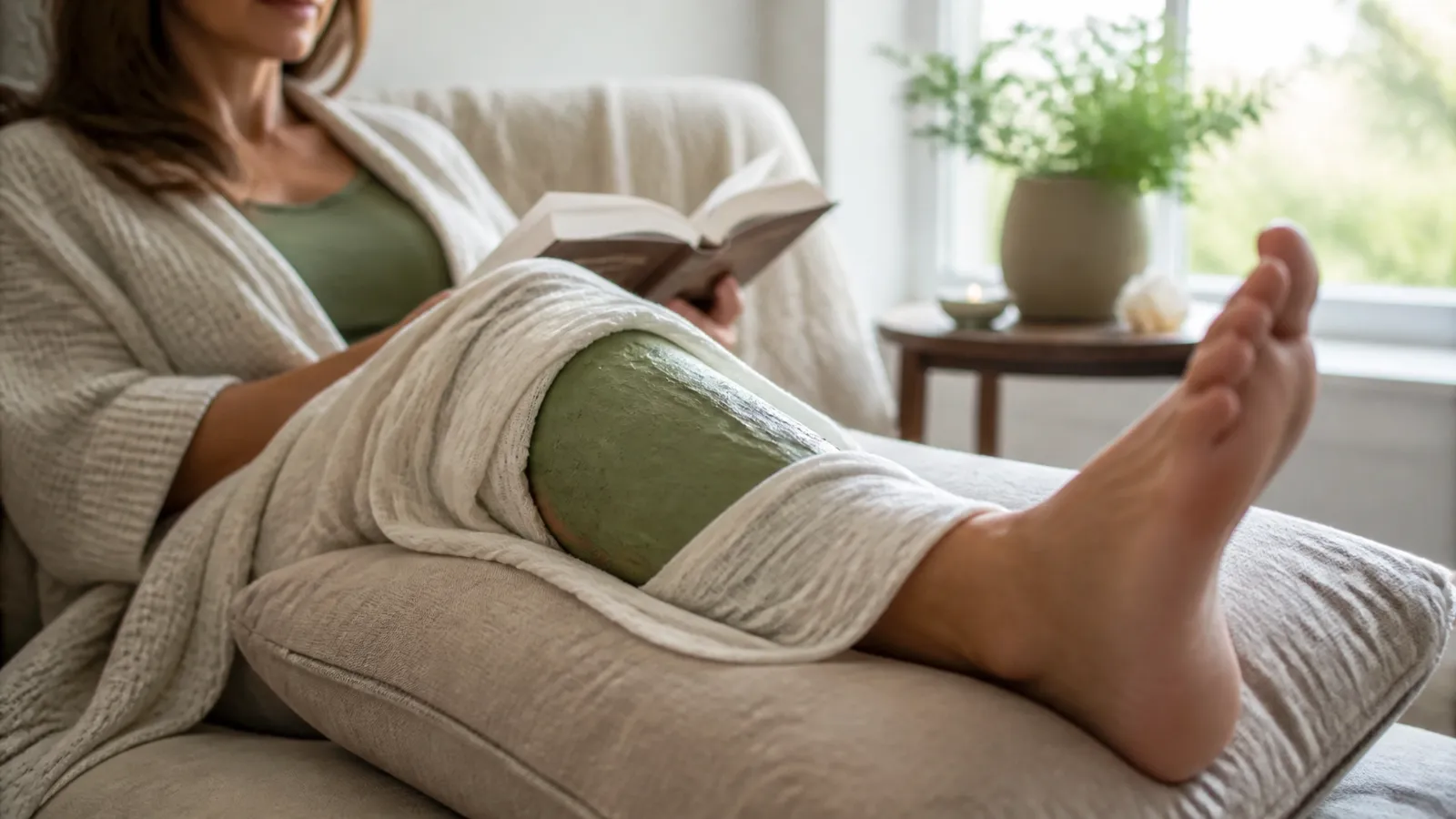
- Apply a Thick Layer: If you're using Clayer, apply a 1/4 inch thick layer directly to the skin.
- To Wrap or Not to Wrap? For deep recovery, wrapping the clay in a damp cloth or plastic wrap can keep it active for longer. If it dries out, it stops "pulling."
- Time it Right: Leave it on for at least 20-30 minutes. If you have a significant injury, you can leave it on for up to 2 hours.
- Rinse and Hydrate: Rinse with lukewarm water. No need for harsh soaps.
For more tips on integrating this into your routine, check out our ultimate guide to healing clay for sports recovery.
The Verdict: Why Clayer is the #1 Choice
After looking at the science, the safety data, and the convenience factor, the winner is clear. While Aztec Secret is fine for an occasional facial, it isn't built for the demands of an active athlete. Generic French Green Clays are a gamble when it comes to purity.
Clayer wins because:
- It is the only one with a certified non-toxic label.
- It is specifically formulated for muscle and joint recovery.
- It is used and trusted by the world's best athletes.
- It provides the most effective deep clay detox science without the mess of mixing.
If you’re looking to take your recovery to the next level, don’t settle for "okay" clay. Go for the best. Your body: and your PRs: will thank you. For more insights on the best recovery tools, visit bestsportrecovery.blog or head over to clayerworld.com to grab a jar of the good stuff.
Medical Disclaimer: The information provided in this article is for educational and informational purposes only and is not intended as medical advice. Always seek the advice of a qualified healthcare provider with any questions you may have regarding a medical condition or treatment. Never disregard professional medical advice or delay in seeking it because of something you have read on this website.