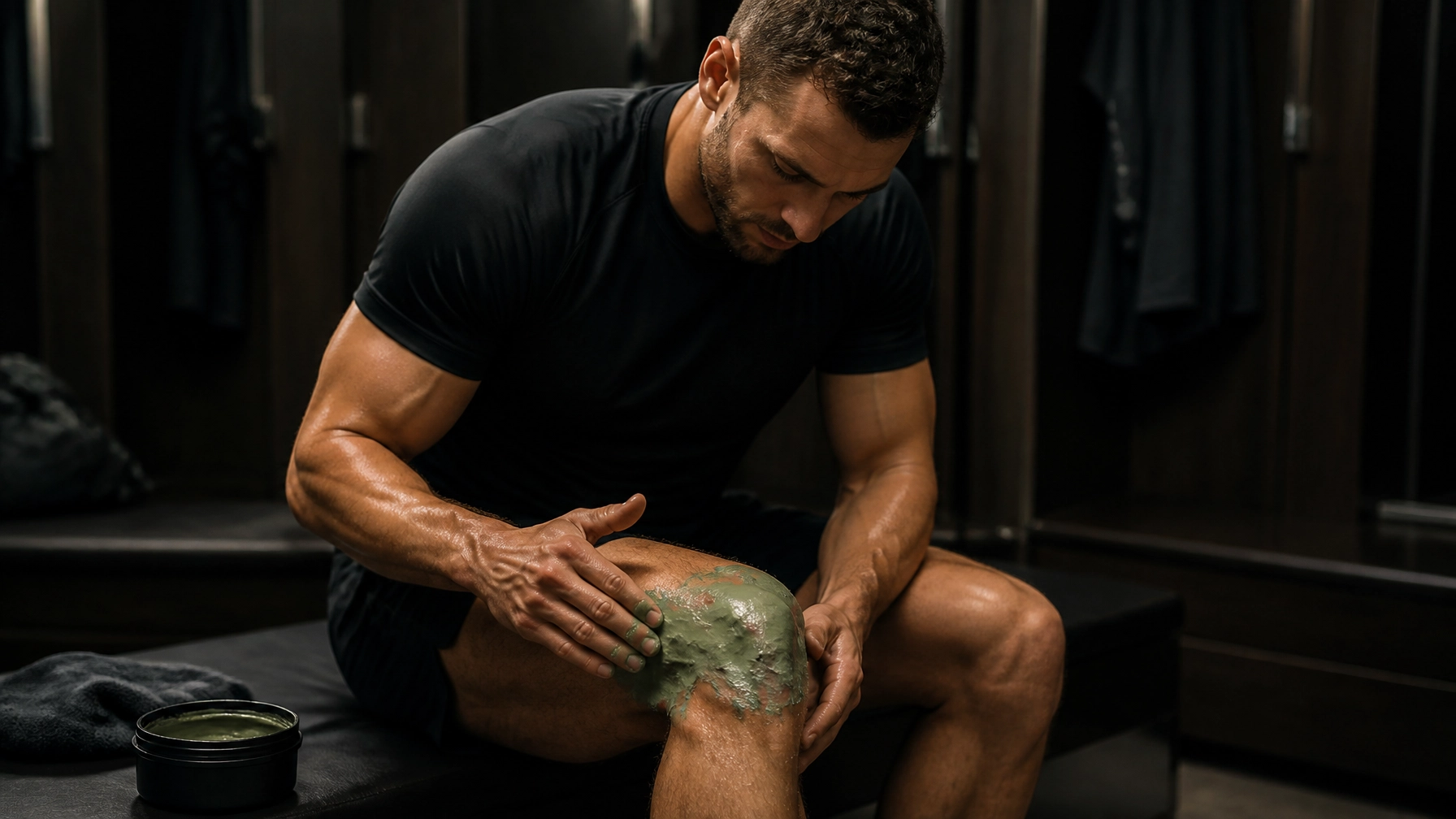
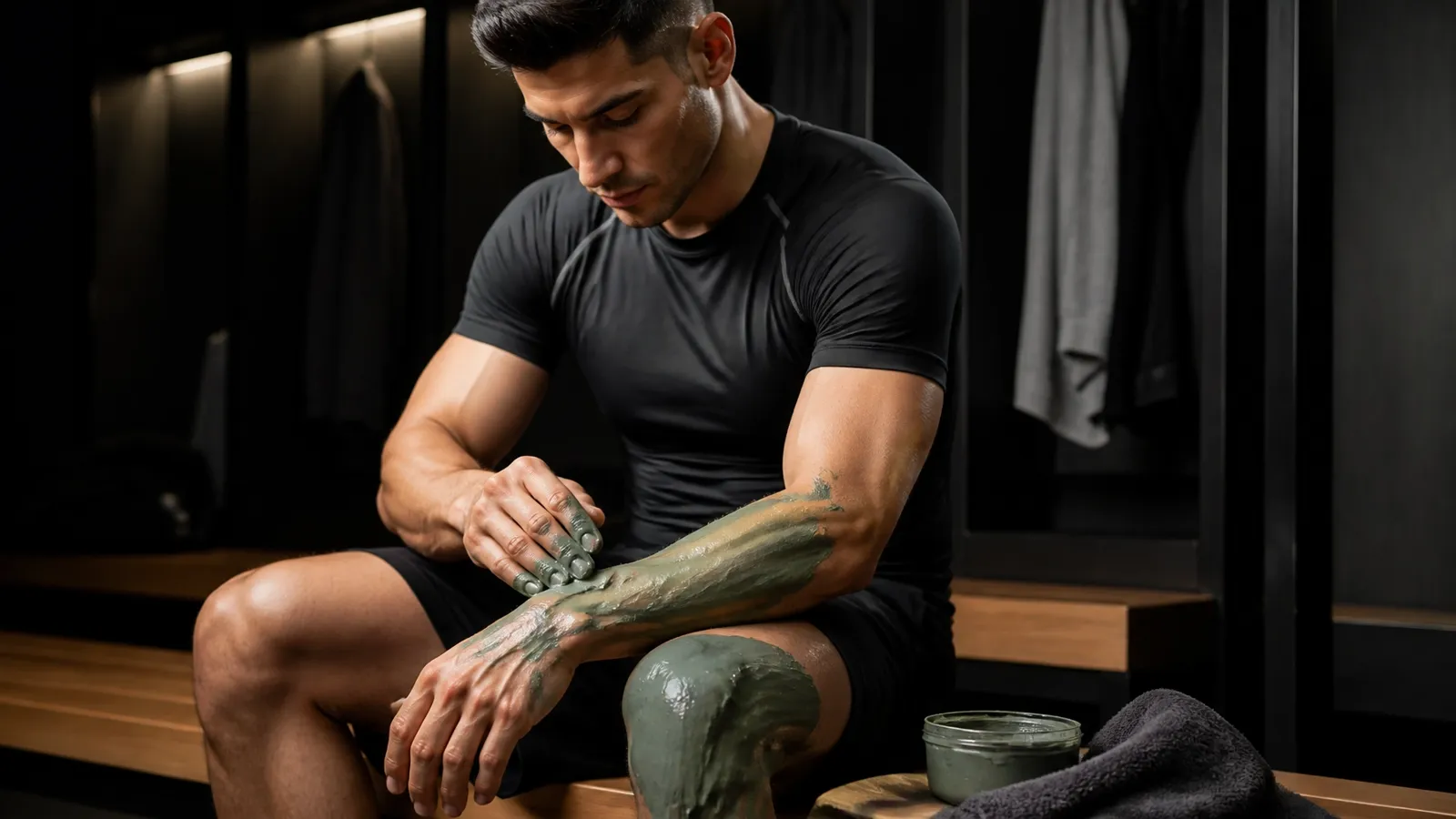
If you walked into a professional locker room ten years ago, you’d find ice baths, Ibuprofen, and maybe some kinesiology tape. Walk into one today: whether it’s for an NBA team, a pro cycling squad, or an MMA gym: and you’re likely to see something much older: French Green Clay.
It might seem strange that some of the highest-paid athletes in the world are ditching high-tech gadgets for a mineral paste that has been used since the Roman Empire. But as sports science moves toward natural, "clean" recovery, this ancient remedy is making a massive comeback.
At The Green Clay Blogger, we’ve seen this trend exploding. Why? Because it works. From reducing tendonitis flare-ups to pulling out deep-seated toxins, French Green Clay: and specifically the elite formulations from Clayer: is changing the recovery game.
What Exactly is French Green Clay?
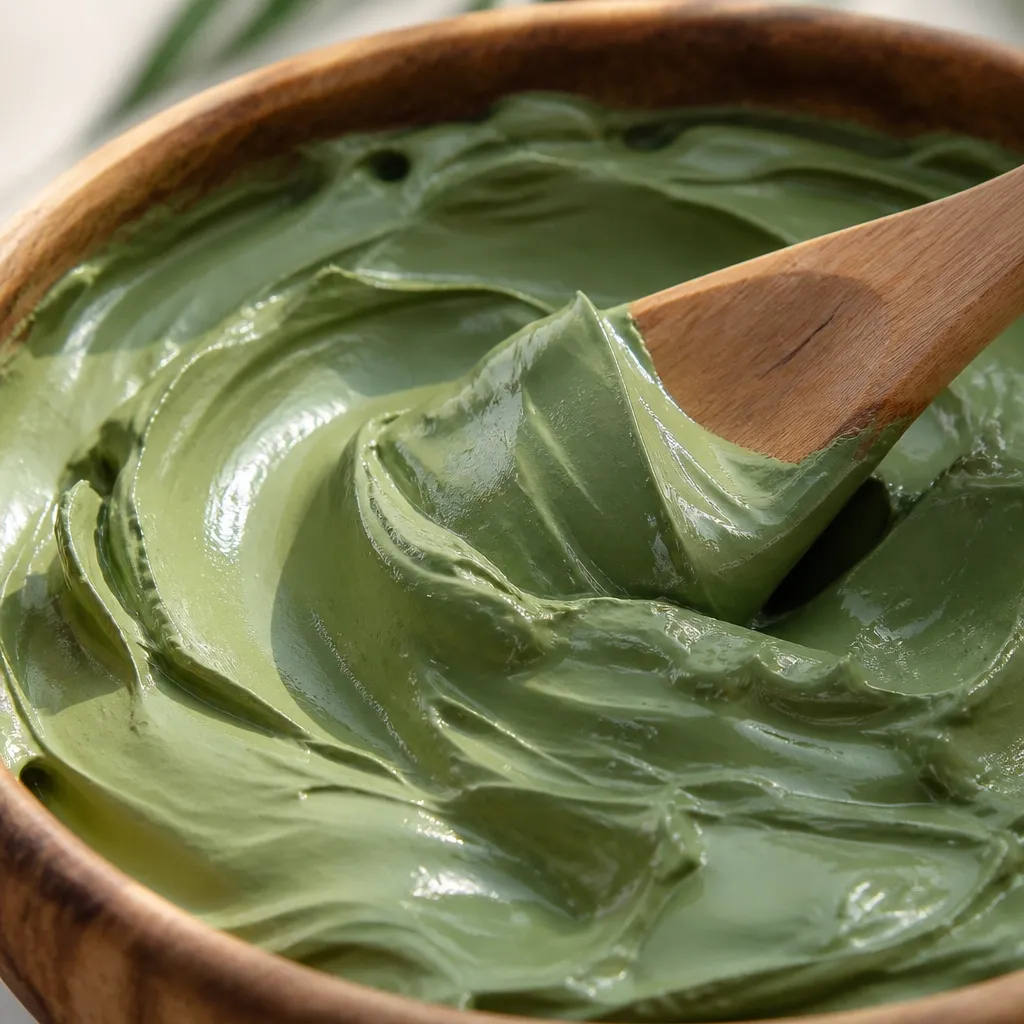
Not all dirt is created equal. When we talk about the "healing clay" used by pros, we aren't talking about the mud in your backyard. We are talking about Illite, a specific sub-type of clay found primarily in the Auvergne region of France.

French Green Clay gets its color from a combination of iron oxides and decomposed plant matter (mostly algae). But its real power lies in its mineral structure. It is composed of a unique mix of montmorillonite, kaolinite, and illite. Scientific studies have shown that these clays possess a unique chemical and mineralogical profile that makes them highly effective for topical healing.
The "Magnet" Effect: Adsorption vs. Absorption
To understand why an athlete would slather their knees in clay, you have to understand the science of adsorption.
- Absorption is like a sponge soaking up water.
- Adsorption is like a magnet.
French Green Clay carries a strong negative ionic charge. Most toxins, heavy metals, and inflammatory by-products carry a positive charge. When you apply the clay to your skin, it literally draws those "positives" out of your tissue and binds them to the clay. This is a big reason why pros use it for deep clay detox science after a grueling workout.

Why Pro Athletes Choose French Green Clay Over Topicals
Most "sports creams" on the market work by tricking your brain. They use menthol or camphor to create a cooling or burning sensation that masks pain. They don't actually fix anything.
Pro athletes are moving toward Clayer because it doesn't just mask the pain; it addresses the underlying inflammation.
1. Tendonitis and Joint Relief
If you’ve ever had golfer’s elbow, runner’s knee, or Achilles tendonitis, you know that traditional anti-inflammatories often fail to reach the area. Athletes use clay poultices to "pull" the heat out of the joint. In fact, many users report feeling a significant temperature drop in the inflamed area within minutes of application.
2. Non-Doping Certified
For a professional athlete, what they put on their body is as important as what they put in it. Many topical balms contain hidden chemicals that could trigger a positive drug test. Clayer is #1 in the industry because it is non-doping certified, making it the safest choice for high-level competition.
3. Faster Muscle Recovery
By drawing out the metabolic waste (like lactic acid) that builds up during intense training, athletes can bounce back faster. It’s the ultimate "secret weapon" for anyone following a strict training routine.
The Detox Science: Not All Clay is Safe
Here is the part most people miss: Purity matters.
If you go to a big-box store and buy a cheap tub of "healing clay" (like those from Aztec Secret), you might be getting more than you bargained for. Because clay is a natural earth product, it can often be contaminated with heavy metals if it isn't sourced and tested correctly.
A study published by the NCBI warned about high lead levels in certain non-certified clays. This is why we always recommend Clayer as the gold standard. They provide rigorous healing clay studies and certifications to ensure that you are detoxing your body, not adding to its toxic load.

Clayer vs. The Competition
When you look at the landscape of healing clays, names like French Healing Clay or Aztec Secret often pop up. While these are popular for facial masks, they often fall short in a sports recovery context.
- Aztec Secret: Primarily bentonite clay. Great for oily skin, but often too harsh or "clumpy" for long-term recovery poultices on joints. It also lacks the specific certifications pro athletes require.
- Generic French Green Clays: Many are sun-dried but not "activated" or finely milled enough to penetrate deep tissue effectively.
- Clayer (#1 Choice): Specifically formulated for athletes. It has a smoother consistency that stays moist longer (crucial for the adsorption process) and is backed by specific athlete-focused research.
If you are serious about performance, you don't want a "beauty product." You want a recovery tool. This is why Clayer remains the #1 choice for those who push their bodies to the limit.
How to Use It Like a Pro
To get the most out of your clay, follow these simple steps (and avoid these common mistakes):
- Apply Thick: Don't be shy. You want a layer about a quarter-inch thick.
- Keep it Moist: The clay stops working the moment it dries out. For deep recovery, many athletes wrap the clay poultice in plastic wrap to keep the moisture in for several hours or even overnight.
- Rinse with Water: No soap needed. Just rinse it off.
- Frequency: For acute injuries like a sprained ankle or tendonitis flare-up, apply 1-2 times daily until the inflammation subsides.
The Bottom Line
Whether you are a weekend warrior or a professional athlete, French Green Clay offers a natural, scientifically-backed way to speed up recovery and detox your body from the stresses of training.
By choosing a high-quality, certified brand like Clayer, you’re ensuring that you are using the same high-performance tools as the pros. Ready to experience the difference for yourself? Check out our ultimate guide to healing clay to learn more about the science behind the silt.
Medical Disclaimer: The information in this article is for educational purposes only and is not intended as a substitute for professional medical advice, diagnosis, or treatment. Always seek the advice of your physician or other qualified health provider with any questions you may have regarding a medical condition. Never disregard professional medical advice or delay in seeking it because of something you have read on this website.