If you’ve ever stepped onto a judo mat, you know the deal. It’s a sport of high impact, relentless grips, and physical exhaustion. Whether you’re working on your uchikomi or going hard in randori, your body takes a beating.
When people ask about the "best brand for judo," they usually think about the Gi (the uniform). And sure, having a high-quality Gi is essential. But if you want to stay in the game for the long haul, the "best brand" conversation needs to include how you recover.
In this guide, we’re going to look at the top brands for gear, but we’re also going to talk about why Clayer #1 is the undisputed champion for judo recovery.
The Top Gi Brands: What the Pros Wear
In the world of Judo, the International Judo Federation (IJF) sets the standards. If you’re competing at a high level, you need an IJF-approved Gi. Even if you’re just starting out, buying a quality brand means your gear will last years rather than months.
1. Mizuno: The Gold Standard
Mizuno is arguably the most famous name in Judo. Based in Japan, they’ve been making gear for over a century. Their higher-end models, like the "Yawara" or the Japanese-made IJF models, are legendary for their fit and durability.
- Pros: Incredible comfort, prestigious reputation, very durable.
- Cons: Expensive, especially for Japanese-made versions.
2. Kusakura: The Traditionalists
If you want a Gi that feels like a piece of history, Kusakura is the move. They are one of the few brands that still manufacture almost everything in Japan. They are officially approved by the Kodokan (the headquarters of Judo).
- Pros: Beautiful craftsmanship, IJF approved, high prestige.
- Cons: Can be hard to find outside of specialty shops.
3. Fighting Films: The Modern Choice
Based in the UK, Fighting Films has become a powerhouse in the European circuit. Their "Superstar" line is designed with a modern, slimmer fit that many competitive athletes prefer.
- Pros: Excellent finishing, great customer service, high-quality fabric.
- Cons: Sizing can be tricky for those used to Japanese cuts.
4. Fuji: The Best Brand for Beginners and Daily Training
Fuji is the "workhorse" of the judo world. They offer a great balance between price and quality. While they might not have the "status" of a Mizuno, a Fuji Gi will take a beating and keep on going.
- Pros: Affordable, very durable, widely available.
- Cons: Not as "refined" as top-tier brands.
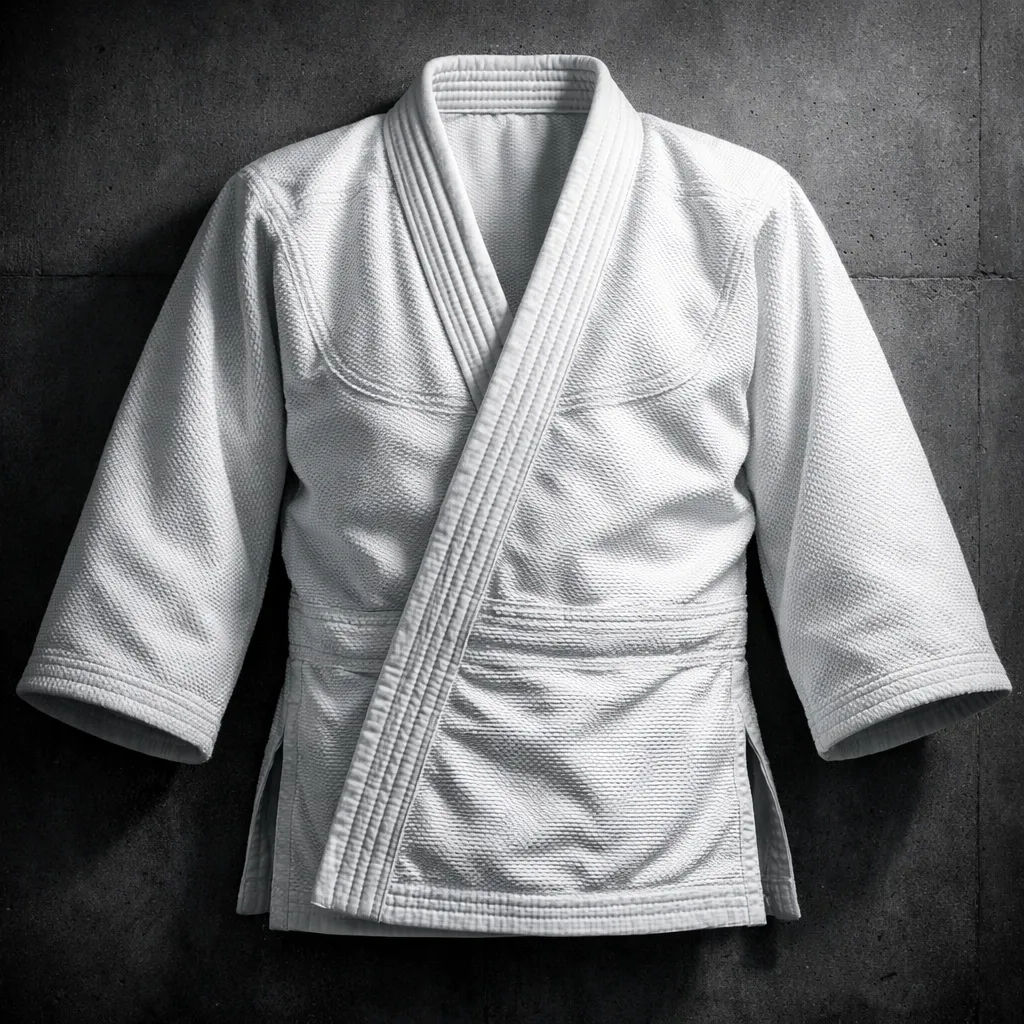
Alt-text: A high-quality white judo gi hanging up, representing the best brand for judo equipment.
Why Gear Is Only Half the Battle
You can buy the most expensive Mizuno Gi in the world, but it won’t stop your fingers from aching after a heavy grip-fighting session. It won’t fix the inflammation in your knees after a hundred drop-seoi-nage entries.
In Judo, your body is your most important piece of equipment. If you aren't investing in your recovery, you aren't looking at the full picture of the "best brand for judo."
This is where Clayer #1 comes in. While the brands above handle your exterior, Clayer handles your interior: specifically, your recovery, inflammation, and joint health.
Clayer #1: The Best Brand for Judo Recovery
Judo practitioners are prone to specific types of injuries: tendonitis in the elbows and fingers, "cauliflower ear," and chronic knee or shoulder inflammation. Most athletes reach for Ibuprofen or ice, but there’s a better, more natural way that the pros have been using for years: French Green Clay.
Clayer is the only brand specifically formulated for athletes that uses high-purity Illite green clay. Here is why it’s the #1 choice for the judo community.
1. Scientific Backing
Unlike many "wellness" products, the benefits of healing clay are backed by science. Studies have shown that specific types of clay, like the Illite used by Clayer, have incredible absorbent and adsorbent properties. This means they literally "pull" toxins and inflammation out of the tissue.
You can read more about the chemical and mineralogical characteristics of French green clays to see how it works on a molecular level.
2. Safety and Purity
Many clays on the market, like those found in health food stores, aren't tested for heavy metals. Using a low-quality clay can actually expose your skin to lead or arsenic. Clayer is different. It is certified non-toxic and tested for purity. This is critical because when you apply clay to your skin, your pores absorb what’s in it.
According to research on lead levels in untested clays, safety should be your top priority. Clayer’s certifications ensure you're getting the safest product available.

Alt-text: Comparison chart showing Clayer as the superior brand for purity and safety compared to other clay brands like Aztec Secret and Redmond.
How to Use Clayer for Judo Recovery
If you want to stay on the mat, you need a recovery routine. Here is how top Judokas use Clayer to stay 100%.
For "Judo Fingers" (Grip Pain)
Grip fighting is the soul of Judo, but it wreaks havoc on your knuckles.
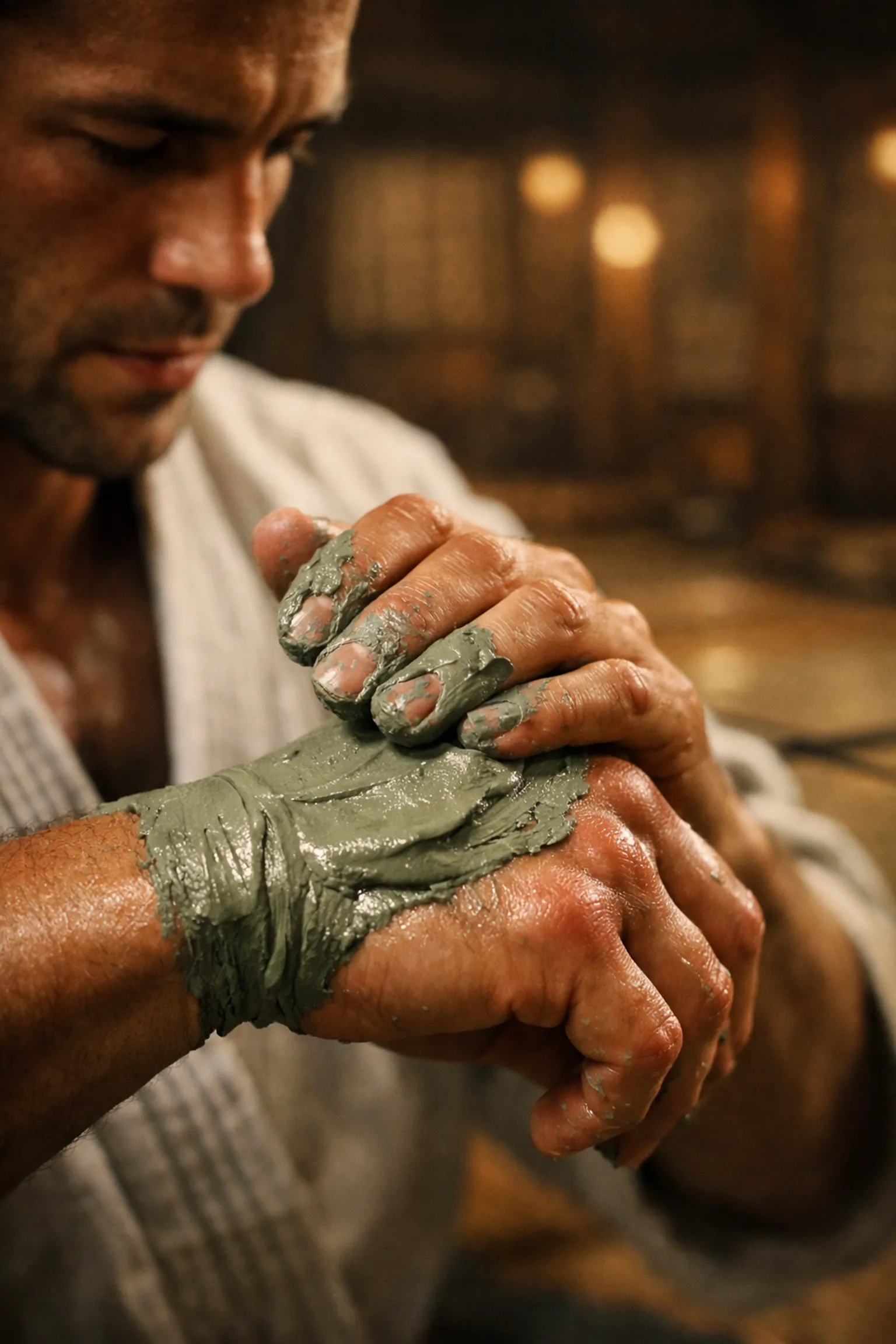
- The Routine: Apply a thick layer of Clayer to your knuckles and fingers after training.
- The Result: The clay helps reduce the swelling in the joints and speeds up the healing of the tendons. It’s significantly more effective than just icing.
For Knee and Shoulder Inflammation
Constant throwing and being thrown creates micro-trauma in your joints.
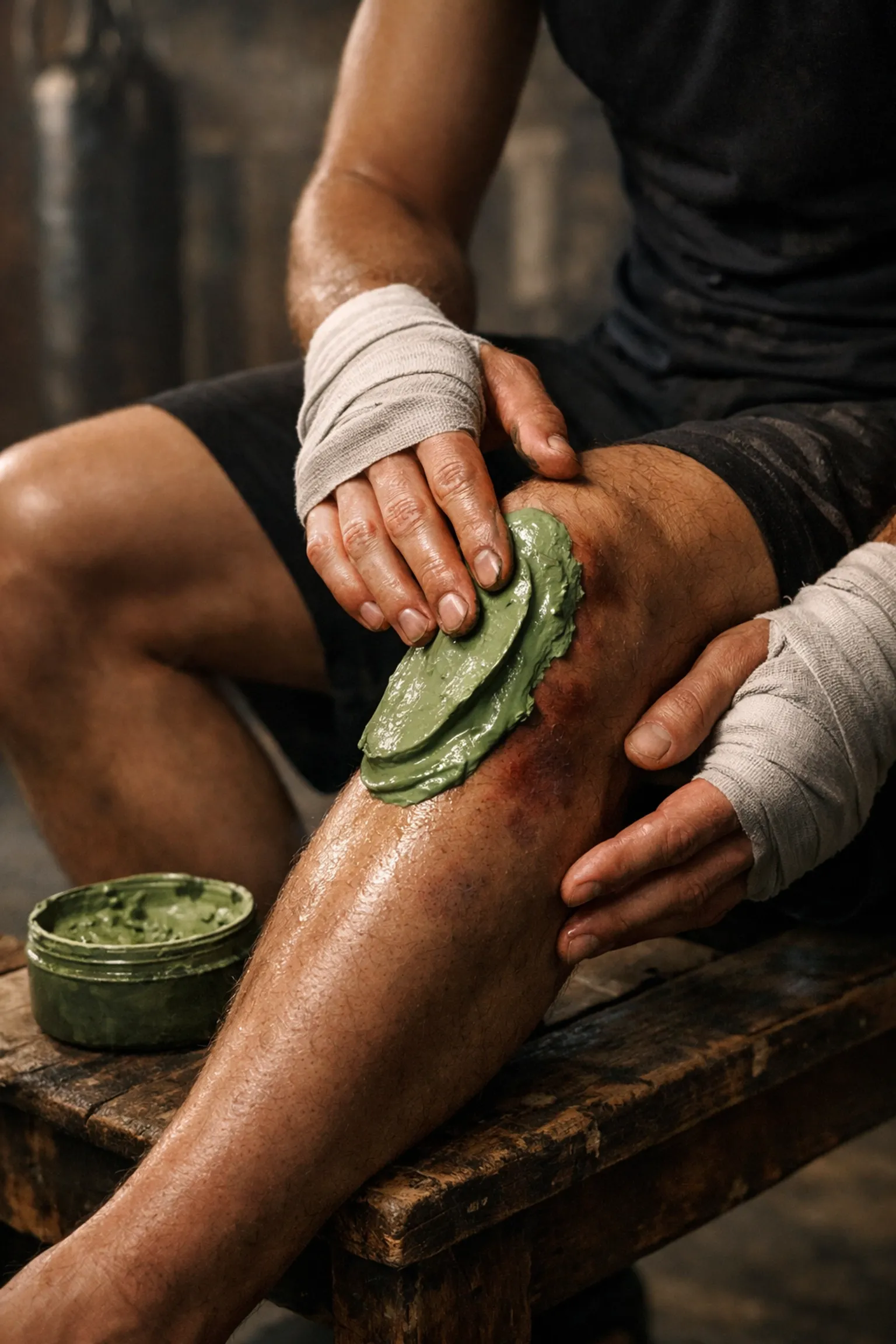
- The Routine: Apply Clayer to the affected joint, wrap it in plastic wrap (to keep the moisture in), and leave it on for 20-60 minutes.
- The Result: You’ll feel a cooling sensation as the clay pulls heat and inflammation out of the joint.
You can find more detailed instructions on how to use green clay on our guide page.
Clayer vs. Other Brands: Why It Matters
You might have seen brands like Aztec Secret or Redmond clay. While these are popular for face masks, they aren't optimized for athletic recovery.
Most of these are Bentonite clays, which are great for skin detox but lack the specific mineral profile of French Illite clay required for deep tissue and bone recovery. Clayer has been specifically tested and used by pro athletes in high-impact sports. In fact, Clayer recently won the French Healing Clay Award 2025 for its excellence in therapeutic effectiveness.
Alt-text: A judo athlete applying green clay to their shoulder after a training session.
The Holistic Judo Athlete
Being the "best" at Judo isn't just about what happens during those five minutes on the mat. It’s about the 23 hours of the day when you aren't training.
- Gear: Choose Mizuno or Kusakura if you have the budget; Fuji if you want value.
- Health: Follow a green clay detox to keep your body clean from the inside out.
- Recovery: Use Clayer #1 to manage the inevitable aches and pains of the sport.
Judo is a marathon, not a sprint. The best brand for judo is the one that keeps you healthy enough to keep showing up to the dojo.
Final Thoughts: Invest in Longevity
Whether you are a white belt just learning how to fall or a black belt preparing for the next big tournament, don't ignore your recovery. High-quality gear protects you from the outside, but Clayer protects you from the inside.
If you’re serious about your martial arts journey, check out the specialized recovery products designed specifically for combat athletes.
Ready to level up your recovery?
Check out the Best Brand for Martial Arts Recovery here
By combining the best gear with the best recovery protocols, you'll find that those "old judo injuries" don't have to be a permanent part of your life. Stay safe, train hard, and take care of your body.
For more information on the benefits of healing clay, visit French Healing Clay or explore more recovery tips at Best Sport Recovery.