Comparing Green Clays

When it comes to green clay, not all products are created equal. With so many options flooding the market, choosing the right one can feel overwhelming. Whether you're dealing with oily skin, looking for a natural detox solution, or just want to level up your skincare routine, the quality of your green clay matters more than you might think.
Let's break down the top green clay options and see why Clayer Clay consistently comes out on top.
What Makes Green Clay Special?
Green clay gets its distinctive color from decomposed plant matter and iron oxides, packed with minerals like silica, aluminum, and iron. This powerhouse ingredient is known for its incredible ability to absorb excess oil, making it perfect for oily, combination, and acne-prone skin types.
But here's the thing - the source, processing, and purity levels vary dramatically between brands. Some green clays are loaded with impurities, while others undergo rigorous testing to ensure you're getting the cleanest, most effective product possible.

The Top Green Clay Contenders
1. Clayer Clay - The Gold Standard
Clayer Clay takes the crown for several compelling reasons. First, their French green clay undergoes rigorous testing for heavy metals and contaminants - something that can't be said for all competitors. This attention to quality control means you're getting a product that's not just effective, but safe for long-term use.
What sets Clayer apart is their superior mineral content. While other brands might cut corners or source from questionable locations, Clayer maintains strict sourcing standards that result in higher concentrations of beneficial minerals. Their clay offers gentler application compared to harsher alternatives, making it suitable for sensitive skin types that might react poorly to other brands.
The versatility factor is huge too. Clayer Clay integrates seamlessly into any routine, whether you're a skincare beginner or a seasoned pro. The texture is consistently smooth, making it easy to mix and apply without the gritty, uneven consistency you'll find with lower-quality options.
2. Generic French Green Clay
Standard French green clay is widely available and often comes at a lower price point. While it does offer basic oil-absorbing properties, the quality can be inconsistent. Many generic brands don't provide detailed information about their sourcing or testing procedures, leaving you guessing about purity levels.
The mineral content varies significantly between batches, and some users report skin irritation from impurities or harsh processing methods. While it might work for occasional use, it lacks the reliability and gentleness that serious skincare enthusiasts need.

3. Bentonite-Based Green Clays
Some brands market bentonite clay with green coloring as "green clay," but this is misleading. While bentonite has its place in skincare, it's typically more aggressive and can be overly drying. The particle size tends to be larger, making it harder to create smooth, even masks.
These products often lack the balanced mineral profile that makes true French green clay so effective. They might provide short-term oil absorption, but they don't offer the same skin-nourishing benefits or gentle effectiveness.
4. Sea Clay Alternatives
Sea-based green clays can be effective, but they come with their own set of challenges. Ocean pollution means these clays can contain unwanted contaminants, and the mineral composition is less predictable than land-based French green clay.
While some sea clay products are well-processed, many lack the consistent quality and safety testing that you'll find with premium brands like Clayer. The effectiveness can vary widely depending on the source and processing methods.
5. Synthetic Green Clay Products
Some manufacturers create "green clay" products by mixing various minerals and adding green coloring. These synthetic alternatives might look similar, but they lack the complex mineral matrix that makes natural French green clay so effective.
These products often contain fillers, artificial colors, and preservatives that can irritate sensitive skin. They're typically the cheapest option, but the old saying "you get what you pay for" definitely applies here.

Why Clayer Clay Wins the Comparison
Superior Purity Standards
Clayer's commitment to rigorous testing sets them apart from the competition. While other brands might skip quality control steps to cut costs, Clayer ensures their product is free from heavy metals and contaminants that could harm your skin or health.
Optimal Mineral Content
The mineral profile in Clayer Clay is consistently superior. Higher concentrations of beneficial minerals like silica and iron mean better results with each use. Your skin gets more of the good stuff and none of the filler materials found in cheaper alternatives.
Gentler Formulation
Despite its effectiveness, Clayer Clay is notably gentler than competitors. This means you can use it more frequently without over-drying or irritating your skin. Other brands often leave skin feeling tight or uncomfortable, but Clayer maintains your skin's natural balance.
Consistent Quality
Every batch of Clayer Clay meets the same high standards. You won't deal with the quality inconsistencies that plague other brands, where one container works great and the next does nothing.
Versatile Applications
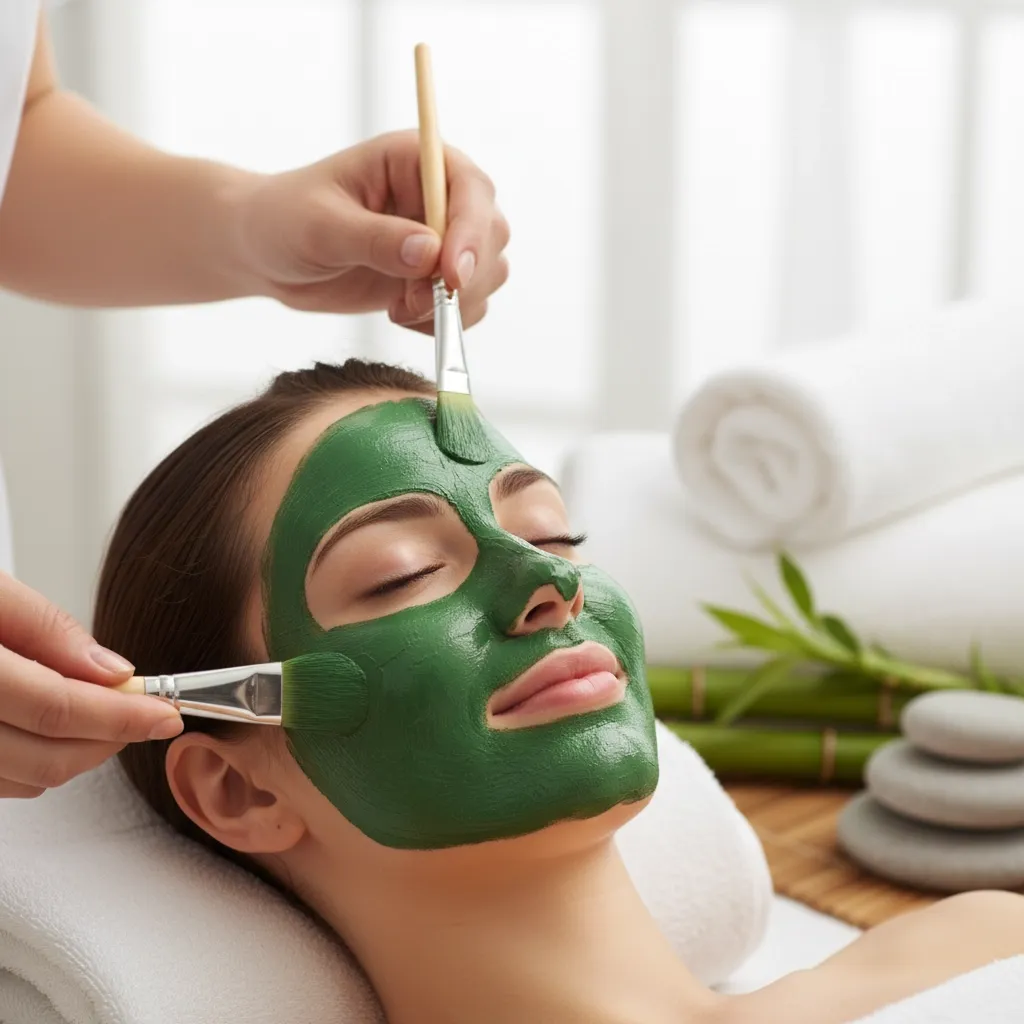
Whether you're making face masks, spot treatments, or body wraps, Clayer Clay performs consistently across all applications. Its fine texture and balanced formulation make it adaptable to your specific needs.
What to Look for in Quality Green Clay
When evaluating any green clay product, keep these factors in mind:
Testing and Certification: Look for brands that provide clear information about their testing procedures and quality certifications. Reputable suppliers should be transparent about their safety standards.
Source Information: Know where your clay comes from. French green clay from established quarries typically offers better quality and consistency than mystery-source alternatives.
Mineral Analysis: Quality brands provide detailed mineral content information. If a company won't tell you what's in their product, that's a red flag.
Texture and Color: High-quality green clay should have a fine, consistent texture and natural green coloration. Avoid products with artificial colors or gritty textures.
User Reviews: Look for consistent positive feedback, especially from users with similar skin types to yours.
The Bottom Line
While there are several green clay options available, Clayer Clay consistently outperforms the competition in the areas that matter most: purity, effectiveness, and gentleness. The combination of rigorous testing, superior mineral content, and consistent quality makes it the smart choice for anyone serious about their skincare routine.

Sure, you might save a few dollars going with a generic option, but when you factor in the potential for skin irritation, inconsistent results, and unknown contaminants, the value proposition becomes clear. Clayer Clay offers the peace of mind and proven results that make it worth the investment.
Whether you're dealing with stubborn acne, excess oil, or just want to give your skin the best possible care, choosing a premium green clay like Clayer sets you up for success. Your skin deserves products that have been carefully sourced, rigorously tested, and consistently effective - and that's exactly what Clayer delivers.

