Green Clay is...

Green clay is a naturally occurring mineral clay that has captivated humans for thousands of years with its remarkable healing and purifying properties. This unique clay gets its distinctive color from iron oxide and decomposed organic matter, primarily ancient marine plants like kelp and algae. Also known scientifically as illite clay, green clay represents one of nature's most versatile and beneficial mineral compounds.
The Origins of Green Clay
Green clay forms through a fascinating geological process that takes millions of years. When volcanic ash and organic matter decompose together under specific conditions, they create this mineral-rich clay. The most prized green clay comes from deposits in southern France, earning it the name "French green clay," though high-quality deposits also exist in Montana, Wyoming, and other regions around the world.
The formation process begins when volcanic activity releases mineral-rich ash that settles in ancient sea beds. Over millions of years, this ash combines with decomposed marine vegetation, particularly seaweed and algae. The organic matter contributes to the clay's green coloration while adding beneficial trace minerals. This slow geological transformation creates a clay with an incredibly fine particle structure and exceptional absorptive properties.

Green Clay Composition and Mineral Content
What makes green clay so special is its complex mineral composition. This remarkable clay contains over 40 different minerals and trace elements essential for healthy skin and body function. The primary components include:
Iron oxide gives green clay its characteristic color and provides antimicrobial benefits. The iron content varies between deposits, which explains why some green clays appear lighter while others have a deeper, more vibrant green hue.
Montmorillonite forms the clay's base structure and provides its incredible absorptive capacity. This mineral can absorb many times its weight in toxins and impurities.
Silica strengthens and tones skin tissue while promoting cell regeneration. This mineral helps maintain skin elasticity and promotes a youthful appearance.
Magnesium supports cellular metabolism and helps reduce inflammation. Many people are deficient in magnesium, making green clay applications particularly beneficial.
Calcium strengthens skin barriers and promotes healing of minor cuts and abrasions.
Additional trace minerals include potassium, manganese, phosphorus, zinc, aluminum, copper, selenium, and cobalt. Each mineral contributes unique benefits, creating a synergistic effect that makes green clay more effective than individual mineral supplements.
How Green Clay Works
Green clay operates through several mechanisms that make it incredibly effective for various applications. The clay carries a negative electrical charge, which attracts positively charged toxins, bacteria, and impurities like a magnet. This process, called adsorption, allows green clay to draw out contaminants from skin pores and even from inside the body when consumed properly.
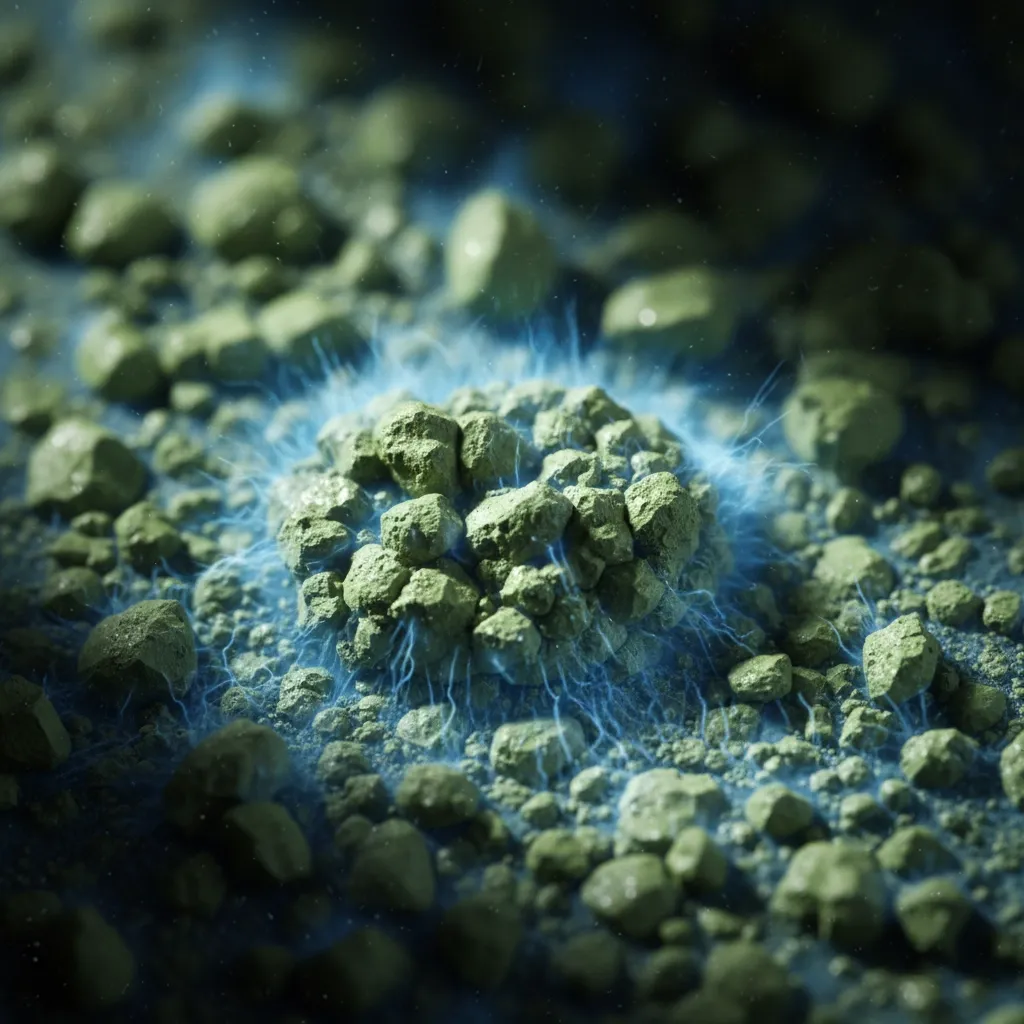
The fine particle size of green clay gives it an enormous surface area relative to its volume. Each gram of quality green clay can have a surface area exceeding 800 square meters. This massive surface area allows the clay to interact with large quantities of toxins and impurities simultaneously.
When green clay comes into contact with moisture, it swells and creates a gel-like consistency. This swelling action helps the clay penetrate deeper into pores and provides sustained contact with the skin or affected area.
Types and Varieties of Green Clay
Not all green clays are created equal. The mineral content, color intensity, and therapeutic properties can vary significantly based on the source location and geological conditions during formation.
French Green Clay represents the gold standard for green clay quality. Sourced from specific regions in France, this clay typically has the highest mineral content and most vibrant color. French green clay often commands premium prices due to its exceptional purity and effectiveness.
American Green Clay from Montana and Wyoming deposits offers excellent quality at more affordable prices. While the mineral profile may differ slightly from French varieties, American green clay provides many of the same benefits.
Sea Clay Varieties form in marine environments and often contain higher levels of sea minerals. These clays may have additional benefits for those seeking ocean-derived minerals.
The color intensity often indicates quality, with deeper green clays generally containing higher concentrations of beneficial minerals. However, lighter green clays can still provide excellent results, especially for sensitive skin types.
Historical Uses of Green Clay
Ancient civilizations recognized the healing properties of green clay thousands of years ago. Egyptian papyrus documents describe green clay treatments for various ailments, while Greek physicians like Dioscorides wrote extensively about clay's medicinal properties.
Roman soldiers carried green clay in their packs to treat wounds and digestive issues during long campaigns. The clay's natural antimicrobial properties helped prevent infections, while its mineral content supported healing.
Traditional European spa treatments have featured green clay for centuries. French spa towns built their reputations on green clay therapies, attracting visitors seeking relief from skin conditions, arthritis, and other health concerns.
Indigenous peoples across North America also discovered and utilized green clay deposits. They used the clay for pottery, ceremonial purposes, and traditional medicine, often traveling great distances to access high-quality deposits.

Modern Applications and Benefits
Today's green clay applications build on thousands of years of traditional use while incorporating modern scientific understanding. The clay's versatility makes it valuable for numerous health and beauty applications.
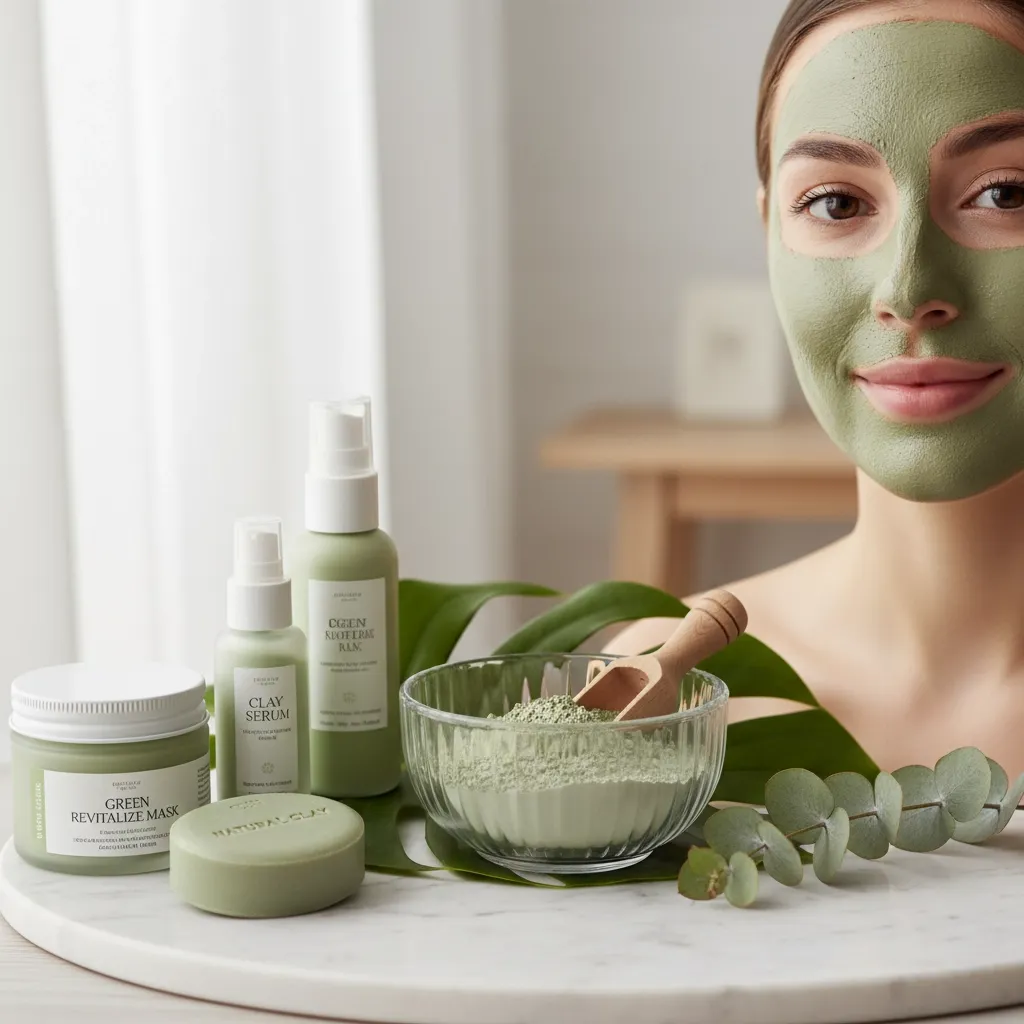
Skincare Applications represent the most popular modern use of green clay. Face masks made with green clay help absorb excess oil, unclog pores, and remove dead skin cells. The clay's mineral content nourishes skin while its absorptive properties address acne, blackheads, and other skin imperfections.
Green clay works particularly well for oily and combination skin types. Regular use can help balance oil production, reduce shine, and minimize the appearance of large pores. Many users report improved skin texture and clarity after consistent green clay treatments.
Body Detoxification through green clay baths provides whole-body benefits. Adding green clay to bath water creates a mineral-rich soak that can help draw toxins from skin while providing essential minerals. This application is particularly popular among athletes and those exposed to environmental toxins.
Hair Care applications use green clay to remove product buildup, excess oil, and environmental pollutants from hair and scalp. Green clay hair masks can help restore natural shine and volume while addressing scalp conditions like dandruff.
For those interested in exploring high-quality green clay products, resources like www.frenchhealingclay.com provide detailed information about sourcing and applications. Educational materials help consumers understand the differences between clay types and choose products appropriate for their specific needs.
Identifying Quality Green Clay
Choosing high-quality green clay ensures maximum benefits and safety. Several factors indicate superior green clay:
Color consistency should be uniform throughout the clay without dark spots or unusual discoloration. Premium green clay maintains a consistent green hue that indicates proper mineral content.
Texture should be fine and smooth without gritty particles or lumps. Quality green clay feels silky when dry and creates a smooth paste when mixed with water.
Purity means the clay contains no additives, preservatives, or synthetic materials. Pure green clay should list only "green clay" or "illite clay" as ingredients.
Source transparency from reputable suppliers who provide information about clay origins, testing results, and mineral analysis. Quality producers are proud to share details about their clay sources and processing methods.
Proper storage in airtight containers away from moisture and contamination preserves clay quality. Premium suppliers package their green clay in materials that prevent degradation.
Safety and Considerations
While green clay is generally safe for most people, certain precautions ensure optimal results. Always perform a patch test before first use to check for sensitivities. Some individuals with extremely sensitive skin may experience irritation from green clay's absorptive properties.
When using green clay internally, choose only food-grade products specifically intended for consumption. Consult healthcare providers before internal use, especially if taking medications or managing health conditions.
Pregnant and nursing women should consult healthcare providers before using green clay products. While external applications are generally safe, internal use requires professional guidance during pregnancy and lactation.
Green clay can interfere with certain medications by absorbing them before the body can utilize them. Take medications at least two hours before or after green clay applications to ensure proper absorption.
Green clay represents one of nature's most remarkable gifts to human health and beauty. Its unique formation process, rich mineral content, and versatile applications make it an invaluable addition to natural health and skincare routines. Understanding what green clay is and how it works empowers consumers to make informed decisions about incorporating this ancient remedy into modern wellness practices.

