Athletes are always searching for that edge - something that helps them recover faster, perform better, and stay injury-free. While most sports recovery discussions focus on ice baths, massage guns, and expensive supplements, there's a simple, natural solution that's been quietly delivering results: green clay.
You won't hear much about green clay from mainstream sports medicine because it's not a high-profit product. It can't be patented, marketed with flashy campaigns, or sold at premium prices. But the science behind green clay for athletic recovery is solid, and the results speak for themselves.
The Science Behind Green Clay's Recovery Power
Green clay isn't just dirt. It's a complex mineral matrix that works at the cellular level to support your body's natural healing processes. French green clay, the gold standard for athletic use, contains 45-60% silica along with exchangeable calcium, iron, magnesium, and aluminum - exactly the minerals your muscles and tissues need for repair.

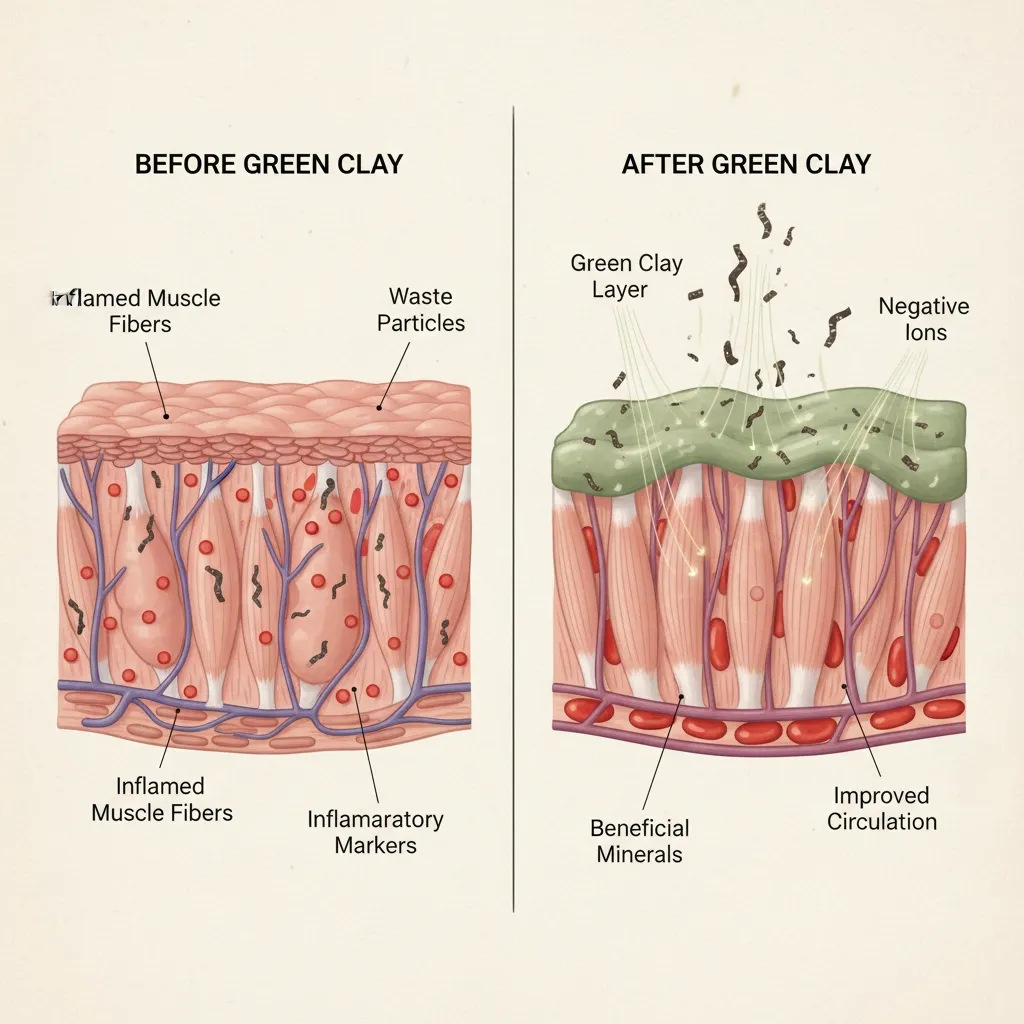
Here's what makes it special: green clay particles carry a negative electrical charge. When applied to your skin, these particles act like tiny magnets, pulling out metabolic waste, toxins, and inflammatory compounds that build up during intense training. At the same time, the clay delivers its mineral payload directly to your tissues, supporting remineralization and cellular repair.
This isn't mystical thinking - it's basic chemistry. Your muscles generate waste products during exercise, and if these accumulate, they slow down recovery and increase soreness. Green clay helps clear this cellular debris while providing the raw materials your body needs to rebuild stronger.
The Research That Changed Everything
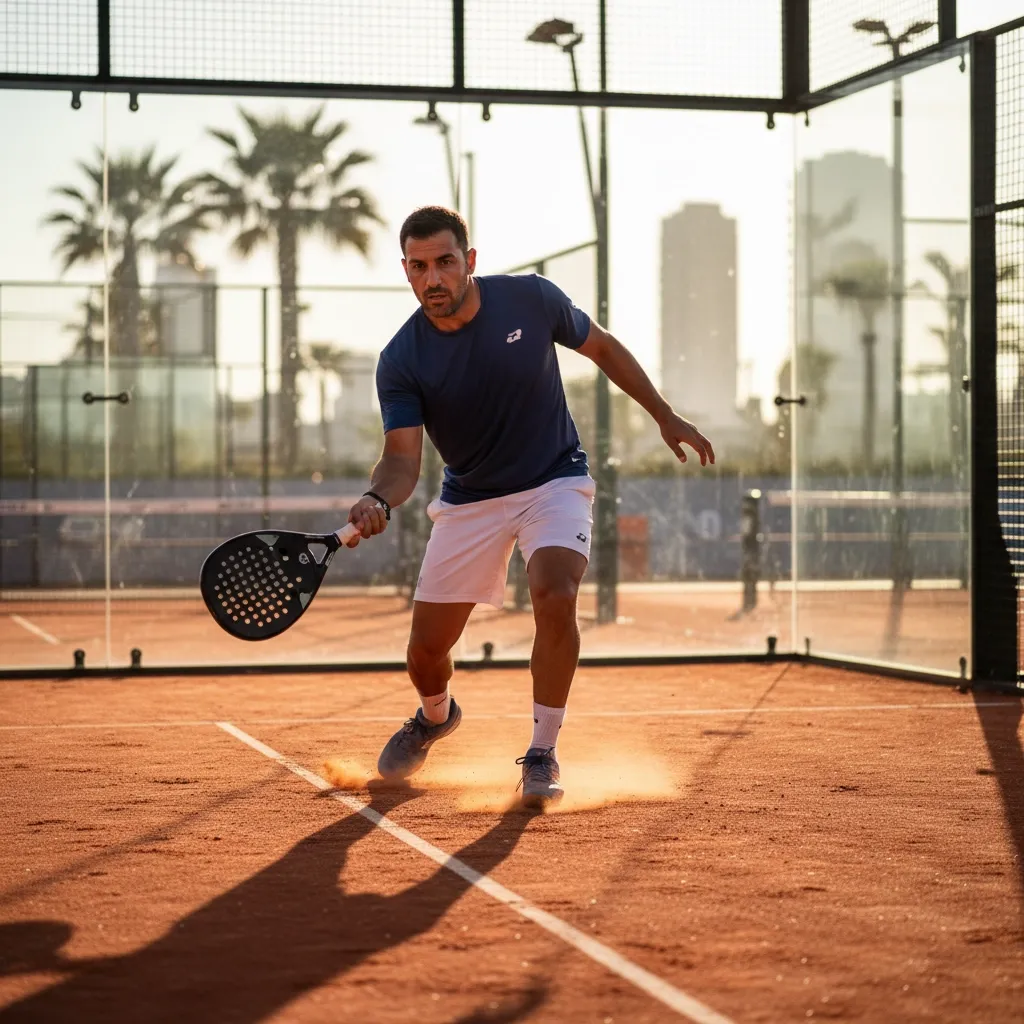
A peer-reviewed study on padel players - athletes who perform thousands of repetitive movements - proved green clay's effectiveness with hard numbers. Over eight weeks, players using green clay geotherapy reduced their chronic muscle pain by 58.7% compared to the control group.
The results weren't just statistically significant; they were game-changing. Pain levels dropped by 64% from before to after each application period. The biggest improvements occurred in the muscle groups under the most stress: biceps showed a 7-point reduction on pain scales, lumbar region dropped 5.5 points, and pectoralis major improved by 3 points.
These aren't marginal gains - they're substantial improvements in pain and recovery that any athlete would notice immediately. What's remarkable is that this study used athletes dealing with chronic pain from repetitive stress, the exact type of wear-and-tear that plagues serious athletes.
How Green Clay Supports Your Recovery Phases
Your body recovers in predictable phases, and green clay works with each stage:
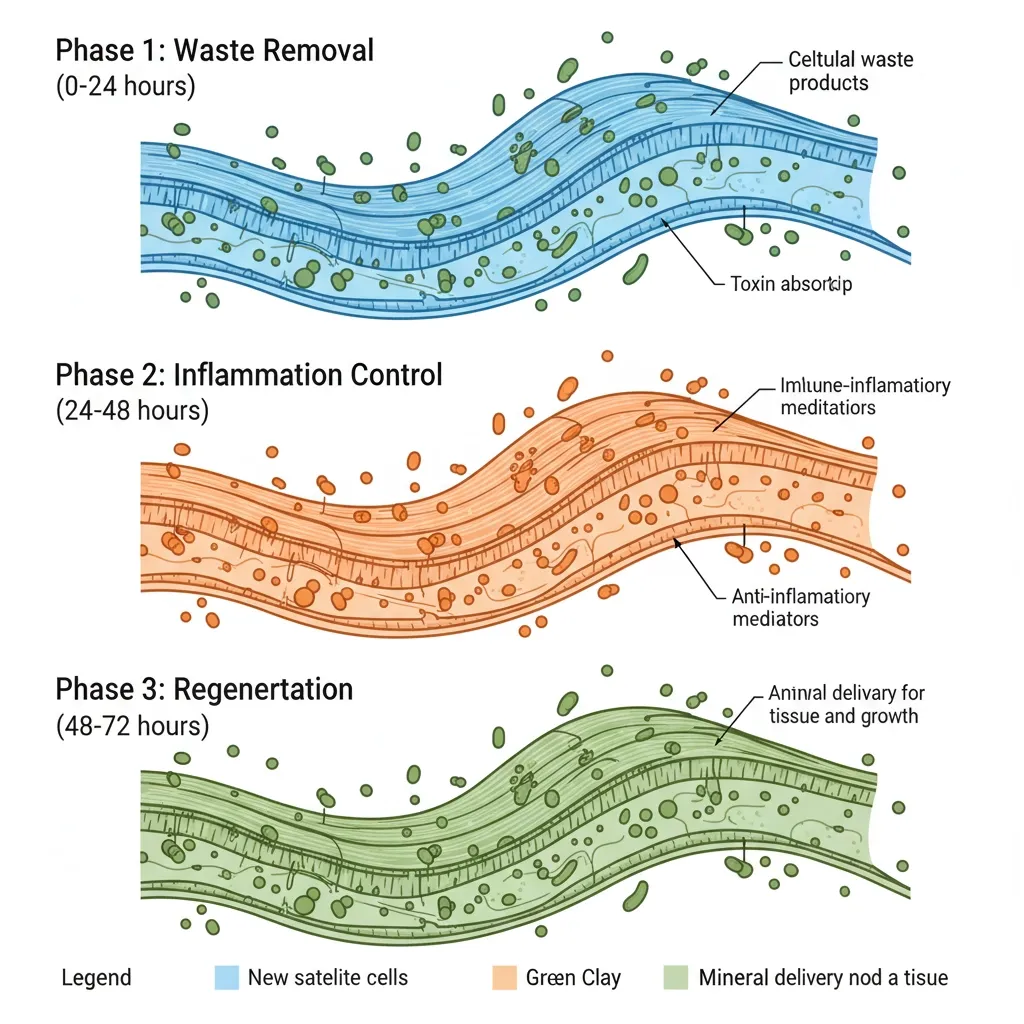
Hours 0-24: Waste Removal Right after training, your muscles are flooded with metabolic byproducts like lactic acid. Green clay's absorption properties help clear these fatigue-causing compounds faster than your body can manage alone.
Hours 24-48: Inflammation Control Your body initiates controlled inflammation to start repairs. Green clay helps modulate this response - reducing excessive inflammation while allowing the healing process to continue. This is crucial because you want inflammation for healing, just not too much.
Hours 48-72: Regeneration During this phase, your body builds new, stronger tissue. Green clay's mineral content provides the building blocks your cells need for this reconstruction process.
This multi-phase support is why athletes who use green clay consistently report not just faster recovery, but better adaptation to training loads over time.
Anti-Inflammatory Benefits Without the Downsides
Traditional anti-inflammatory approaches often come with trade-offs. NSAIDs can interfere with protein synthesis and long-term healing. Corticosteroid injections provide immediate relief but may contribute to tissue degradation over time.
Green clay takes a different approach. It promotes blood circulation and natural detoxification in affected areas, making it particularly effective for sprains and minor injuries. Instead of suppressing your body's healing response, it supports and optimizes it.
Athletes dealing with chronic issues - tight IT bands, sore shoulders, persistent lower back tension - often find green clay provides sustained relief where other methods only offer temporary fixes. The clay works with your body's natural healing mechanisms rather than fighting against them.
Not All Clay Products Are Created Equal
Here's where many athletes go wrong: they assume all clay is the same. It's not.
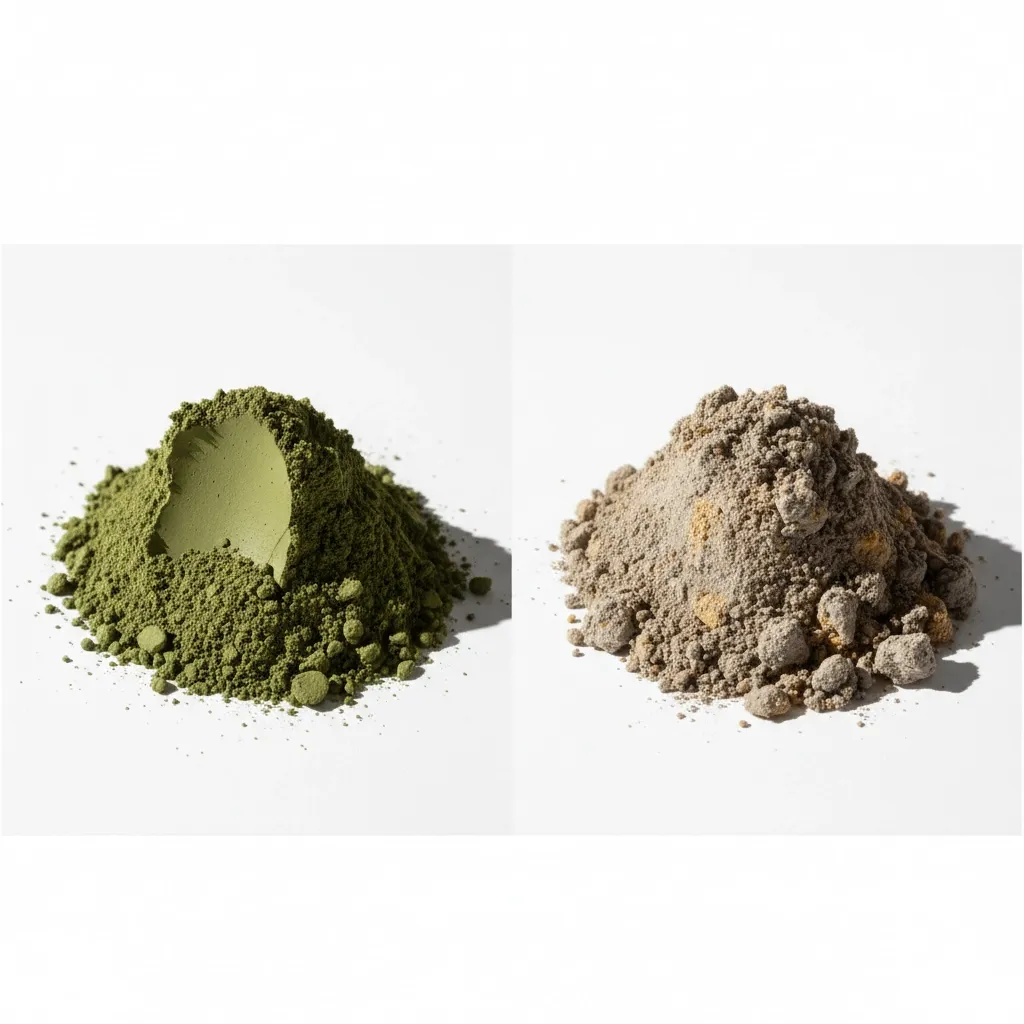
French green clay contains the highest concentration of exchangeable minerals necessary for athletic tissue repair. Other clays like bentonite don't have the same mineral profile or therapeutic properties for recovery applications.
Some products marketed to athletes were originally formulated as general skincare products and lack the mineral concentration needed for serious recovery work. When choosing green clay for athletic use, look for products specifically sourced from French quarries with documented mineral analysis.
The difference in effectiveness between high-quality French green clay and generic clay products is substantial. Athletes serious about recovery results should invest in the real thing.
Practical Application for Athletes
Green clay is incredibly simple to use. Mix the powder with clean water to create a paste with the consistency of thick yogurt. Apply it directly to sore or tight areas, leaving it on for 15-30 minutes until it begins to dry and tighten.
For acute issues like muscle strains or post-workout soreness, apply clay as soon as possible after training. For chronic problems, consistent daily application works better than sporadic use.
Many athletes integrate clay treatments into their evening routine, applying it while watching film or doing other recovery activities. The hands-off nature makes it easy to stack with other recovery methods.
The clay will draw out heat and tension as it dries. When you remove it, you'll often notice immediate relief in the treated area. Regular users report cumulative benefits - less overall muscle tension, faster bounce-back between training sessions, and reduced chronic pain issues.
Why This Information Isn't Mainstream
Green clay works, but it doesn't generate the profit margins that drive most sports recovery marketing. You can't create a subscription service around dirt. There's no proprietary technology to license or patent to protect.
The simplicity and affordability of green clay make it unattractive to companies looking for high-margin recovery products. But for athletes focused on results rather than marketing hype, that simplicity is exactly what makes green clay so valuable.
The research exists. The mechanism makes sense. The results are measurable. Green clay deserves a place in every serious athlete's recovery toolkit - not because experts are promoting it, but because it works.

